
Sauces & Condiments
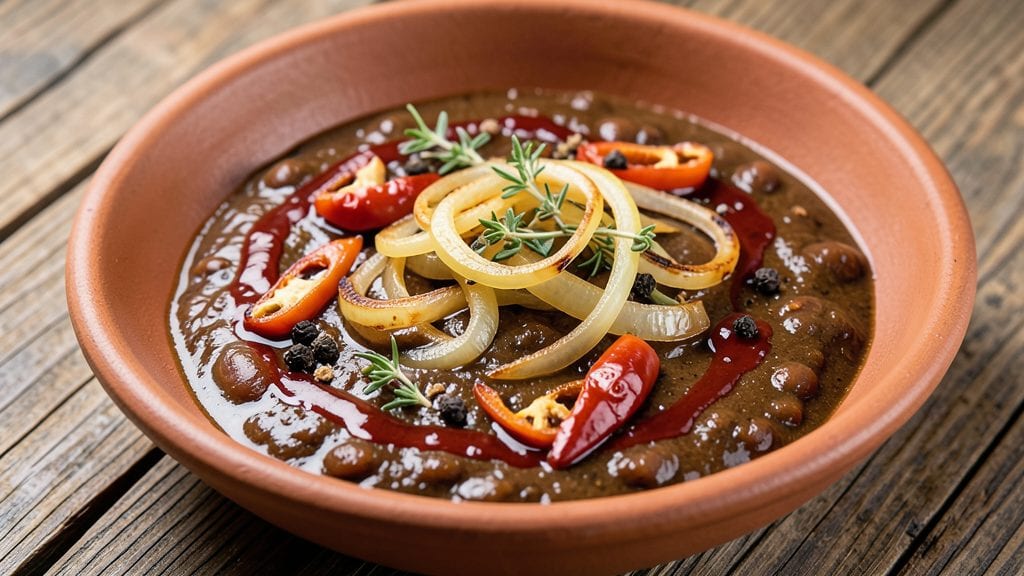
This Haitian bean sauce recipe transforms simple ingredients into a rich, velvety condiment that carries the soul of Haitian cuisine. The blend of kidney beans, Scotch bonnet peppers, and aromatic thyme creates a balance of heat and creaminess that elevates grilled meats or steamed rice.
What makes this sauce special is its depth—simmered low and slow until the beans break down into a thick, flavorful paste that clings perfectly to every bite.
The foundation of this sauce lies in patience. Unlike quick sauces, this one builds flavor through gradual reduction, allowing the spices to meld and the beans to soften into a velvety texture. Traditional Haitian cooking often relies on this technique, where humble ingredients become extraordinary through time and care.
The result is a sauce that’s both comforting and complex, with layers of smoky, spicy, and slightly sweet notes that come together seamlessly.
By the time you finish simmering, you’ll have a sauce so rich and flavorful it transforms ordinary meals into something extraordinary. The creamy consistency coats every ingredient it touches, while the Scotch bonnet peppers add a fiery kick that lingers just enough to keep your taste buds engaged.
This is the kind of sauce that turns simple dishes into a celebration of Haitian tradition—perfect for serving with grilled chicken, pork, or even as a dip for fried plantains.
One of the best parts? This sauce keeps well in the refrigerator for up to a week, so you can make a big batch and enjoy it throughout the week. Whether you're cooking for a family gathering or a quiet weeknight dinner, this recipe delivers restaurant-quality flavor with minimal effort.
Let’s get started on creating your own batch of this beloved Haitian staple.
Ingredients for bean sauce haitian
Ten simple ingredients transform into a velvety Haitian bean sauce that brings bold flavors to any meal.
| Ingredient | Amount | Notes |
|---|---|---|
| Kidney Beans (Dried) 🌱 | 1 ½ cups | Unsoaked, rinsed well |
| Scotch Bonnet Peppers 🌶️ | 2 whole | Seeds removed for less heat |
| Fresh Thyme Leaves 🌿 | ¼ cup | Packed, stems removed |
| Garlic Cloves 🧄 | 4 cloves | Peeled, roughly chopped |
| Onion (Yellow) 🧅 | 1 whole | Medium, chopped |
| Tomato Paste 🍅 | ½ cup | Smooth, no sugar added |
| Olive Oil 🫒 | ½ cup | Extra-virgin preferred |
| Vegetable Broth 💧 | 2 cups | Low-sodium preferred |
| Ground Allspice 🌶️ | 1 tsp | Freshly ground if possible |
| Salt 🧂 | 1 ½ tsp | Adjust to taste |
The kidney beans are the heart of this sauce—dried gives the best texture, but canned works in a pinch (drain and rinse well). Caribbean markets often carry dried beans with deeper flavor, but any quality dried kidney bean will do. For the Scotch bonnet peppers, Walmart or specialty Latin markets usually have them fresh—if you can't find them, habanero peppers work but go easy on the seeds. The thyme should be fragrant and vibrant; if it smells musty, toss it. Fresh garlic and onion are non-negotiable here—they build the aromatic base that carries through the entire sauce.
No Scotch bonnet? Habanero or even jalapeño will work, but reduce the amount by half to control the heat. Running short on thyme? Dried thyme at one-third the amount gets you close, but fresh is ideal. The tomato paste can be swapped for 1 cup crushed tomatoes if you prefer a chunkier texture. For the broth, homemade is best, but low-sodium store-bought works fine. The allspice is key—if you can't find ground, toast whole allspice berries and grind them fresh. And if you're worried about the beans being too firm, soak them overnight for a smoother sauce.
This sauce tastes even better the next day as the flavors meld. Store it in an airtight container in the fridge for up to 7 days. Freeze portions in ice cube trays for easy use later—just pop out what you need. The sauce thickens as it cools, so add a splash of broth if it gets too stiff. Leftovers reheat beautifully—just warm gently on the stove or microwave until steaming. Trust me, the extra effort makes it worth it.
Why You'll Love This Recipe
- One-Pot Magic: I swear by this—just toss dried beans, a chopped onion, and a few cloves of garlic into a pot with water, let them simmer until tender. No fancy gadgets, no stress, just hands-off flavor building as the thyme and Scotch bonnet infuse everything. Honestly, the hardest part is waiting for the beans to soften.
- Heat That Stays: That Scotch bonnet isn’t just for show—it lingers. One taste and your mouth remembers why you fell for this dish. The garlic and thyme mellow out the fire just enough to leave you wanting more, not fleeing the table. (Yes, even on a Tuesday night.)
- Leftovers That Beg: This sauce thickens beautifully over time, so the next day it’s even better—richer, deeper, like it’s been marinating in its own juices. I freeze half the batch for lazy days when I just need flavor in a hurry. My kids don’t even ask what’s for dinner when they smell it reheating.
- Pantry Powerhouse: Dried beans? Check. Onions and garlic? Always in my fridge. A single Scotch bonnet (or habanero if you’re shy) turns this into something special. Between us, this is the recipe I make when I’ve got nothing but a few basics and a craving for something hearty. Budget-friendly doesn’t even begin to cover it.
Step-by-step instructions for Haitian bean sauce
Let's create this rich, velvety sauce that balances heat and creaminess perfectly.
Prepare the Base Ingredients
Start by rinsing the 1.5 cups kidney beans thoroughly under cold water to remove any debris. Place them in a large pot with enough water to cover by about 2 inches. Bring to a boil over high heat, then immediately reduce to a gentle simmer. Cook for 2 minutes, then drain and rinse again. This quick soak removes excess starch that can make the sauce gummy.
While the beans simmer, finely chop the 1 whole yellow onion and roughly chop the 4 cloves garlic. Remove the seeds from the 2 whole Scotch Bonnet peppers and slice them into thin strips. Strip the leaves from the 0.25 cup fresh thyme and give them a rough chop. These aromatics will form the flavor foundation of your sauce.
Sauté Aromatics in Olive Oil
Heat the 0.5 cup olive oil in a large Dutch oven or heavy pot over medium heat. Add the chopped onion and cook for 5-6 minutes, stirring occasionally, until it becomes soft and translucent. The onions should develop a golden hue without browning.
Add the sliced Scotch Bonnet peppers and cook for 2 minutes until they soften slightly. This step is crucial—you want the peppers to release their heat gradually rather than all at once. Next, add the chopped garlic and thyme leaves, stirring for 30 seconds until the garlic becomes fragrant. You'll notice the kitchen fill with an intoxicating blend of earthy thyme and sweet garlic.
Build the Sauce Foundation
Stir in the 0.5 cup tomato paste and cook for 1-2 minutes until it darkens slightly and loses its raw taste. This step deepens the sauce's color and adds a rich, umami backbone. Sprinkle in the 1 tsp ground allspice and 1.5 tsp salt, stirring well to distribute evenly.
Add the drained kidney beans and pour in the 2 cups vegetable broth. Bring everything to a gentle boil, then immediately reduce the heat to low. Let it simmer uncovered for 30-40 minutes, stirring occasionally. You'll see the beans soften and the sauce thicken gradually. The sauce should coat the back of a spoon when you stir it.
Achieve Creamy Texture
After simmering, use the back of a wooden spoon to gently mash about half of the beans against the pot's sides. This releases starch that naturally thickens the sauce without needing additional cornstarch. Continue simmering for another 10-15 minutes until the sauce reaches your desired consistency—it should be thick enough to coat the back of a spoon but still smooth.
Taste and adjust the seasoning if needed. The sauce should be vibrant with a balance of heat from the Scotch Bonnet, earthy thyme, and warm allspice notes. If it needs more depth, you can add a pinch of salt or a splash of vegetable broth. Let the sauce sit off the heat for 5 minutes before serving to allow all the flavors to meld completely.
Serve and Enjoy
Ladle the warm Haitian bean sauce over your choice of protein—grilled chicken, shrimp, or even rice. The sauce should cling beautifully to whatever you serve it with, delivering that promised creamy texture with a satisfying kick of heat. For extra richness, drizzle with a little more olive oil or serve with a side of crusty bread to soak up every last drop.
This sauce keeps well in the refrigerator for up to 5 days, so you can make a big batch and enjoy it throughout the week. The flavors actually improve as it sits, allowing the spices to develop even more complexity. Store it in an airtight container and reheat gently on the stove before serving.
Pro Tips For Making Bean Sauce Haitian
- SOAK BEANS 8 HOURS MINIMUM: Dried kidney beans need patience—skip the overnight soak and you’ll end up with a mushy, uneven texture. I learned this the hard way after a batch turned to paste; now I use a big bowl, cover with water, and let them sit on the counter while I do other things. The longer they soak, the more even they’ll cook.
- REMOVE SCOTCH BONNET SEEDS: That pepper’s heat comes from its seeds, and Haitian bean sauce doesn’t need a mouth-on-fire surprise. Cut open each pepper, scrape out the white pith and seeds, then chop the flesh—this keeps the flavor bright without the burn. (Yes, even if you love spice, your guests might not.)
- SWEAT ONIONS LOW AND SLOW: Dumping chopped onions into hot oil makes them bitter and watery, and that ruins the base of your sauce. Cook them on medium-low for 8-10 minutes until translucent and just starting to caramelize—this builds flavor without burning. I used to rush this, and the whole dish tasted flat.
- CRUSH SOME BEANS BY HAND: For that classic Haitian texture, leave about 1/3 of your cooked beans whole and crush the rest with a wooden spoon or potato masher. It’s messy, but it gives you both hearty chunks and a thick, saucy consistency. (No food processor—this isn’t refried beans.)
Regional styles of this bean sauce haitian
Haitian Sos Pwa Tradition
This sauce, known as sos pwa in Haitian Creole, is a staple condiment that transforms simple meals into celebrations. Traditionally served with grilled meats like poulet boucané (smoked chicken) or boudin (sausage), it’s also a perfect companion to steamed rice.
The name comes from sos (sauce) and pwa (beans), reflecting its core ingredient. In Haitian culture, sauces like this are often made in large batches for family gatherings, where they’re passed around as a communal dish. 🌶️
Port-au-Prince vs. Rural Styles
In urban areas like Port-au-Prince, sos pwa tends to be smoother and more refined, often incorporating ingredients like okra for extra creaminess. Meanwhile, rural versions—especially in the Artibonite Valley—rely more heavily on local spices like épices de boucan (smoked spice blends) and sometimes include plantains for a sweeter note.
Both styles keep the same creamy texture but differ in spice intensity and regional ingredients.
Cajun-Haitian Fusion Twist
Haitian immigrants in Louisiana adapted sos pwa by adding Cajun influences, like extra garlic and smoked paprika. This fusion version often includes andouille sausage or shrimp, creating a richer, meatier sauce. The heat level also tends to be higher due to the addition of cayenne pepper.
For a modern twist, try adding a splash of rum after simmering—just 1 tbsp enhances the sauce’s depth without overpowering it.
Dominican Salsa de Habichuelas Comparison
While similar, Dominican salsa de habichuelas (made with red beans) is typically sweeter, thanks to added coconut milk or plantains. Haitian sos pwa leans more savory, with its reliance on Scotch bonnet peppers and allspice.
The Dominican version also often includes adobo seasoning, while Haitian recipes stick to thyme, garlic, and onion as their aromatic base. Both are essential condiments, but their flavor profiles couldn’t be more distinct.
Modern Adaptations
Today’s chefs are reimagining sos pwa with global influences. Some versions swap kidney beans for black beans or lentils for a quicker cook time, while others incorporate umami-rich ingredients like miso paste or fish sauce.
For a vegetarian twist, try adding roasted bell peppers or mushrooms to deepen the sauce’s earthiness. The key is balancing tradition with innovation—keeping the creamy texture and bold heat while experimenting with new flavors. ✨
Nutrition facts
Frequently asked questions
Can I use canned beans instead of dried for this Haitian bean sauce?
Yes, canned beans work in a pinch! Drain and rinse 2 (15 oz) cans of kidney beans thoroughly to remove excess sodium. For best texture, mash about half of them against the pot's sides during simmering to mimic the starch release from dried beans. The sauce will still be flavorful, though dried beans develop deeper flavor through longer cooking.
How do I adjust the heat level in this sauce?
For milder heat, remove all seeds and membranes from the Scotch bonnet peppers before slicing. For extra spice, leave some seeds intact or add ½ tsp cayenne pepper at the end. Always taste before serving—you can balance heat with a pinch of sugar or extra thyme.
What are the best proteins to pair with this sauce?
This sauce shines with grilled meats like chicken thighs, pork chops, or shrimp. It also works beautifully over steamed rice, with fried plantains, or as a dip for boudin (Haitian sausage). The creamy texture clings perfectly to anything it touches!
Why does my sauce turn out too thin?
Sauce thinning usually happens if you didn't mash enough beans or simmer long enough. After simmering, mash ¾ of the beans against the pot's sides to release starch. If still too thin, simmer uncovered for 10-15 extra minutes or stir in 1 tbsp tomato paste to thicken.
Can I make this sauce ahead for a party?
This sauce tastes even better the next day. Make it 1-2 days ahead and store in an airtight container in the fridge. Reheat gently on the stove, adding a splash of broth if needed. For parties, double the recipe—it's always a crowd-pleaser!