What changed, and what it changed for you
When this site started, it was a private collection of handwritten notes and half-remembered instructions. Recipes were copied from blogs without testing, photos were taken in artificial light, and the only rule was ‘does it taste good?’—which meant some dishes worked for one kitchen but failed in another.
The tone was casual, almost apologetic, like the writer was afraid to claim anything as definitive.
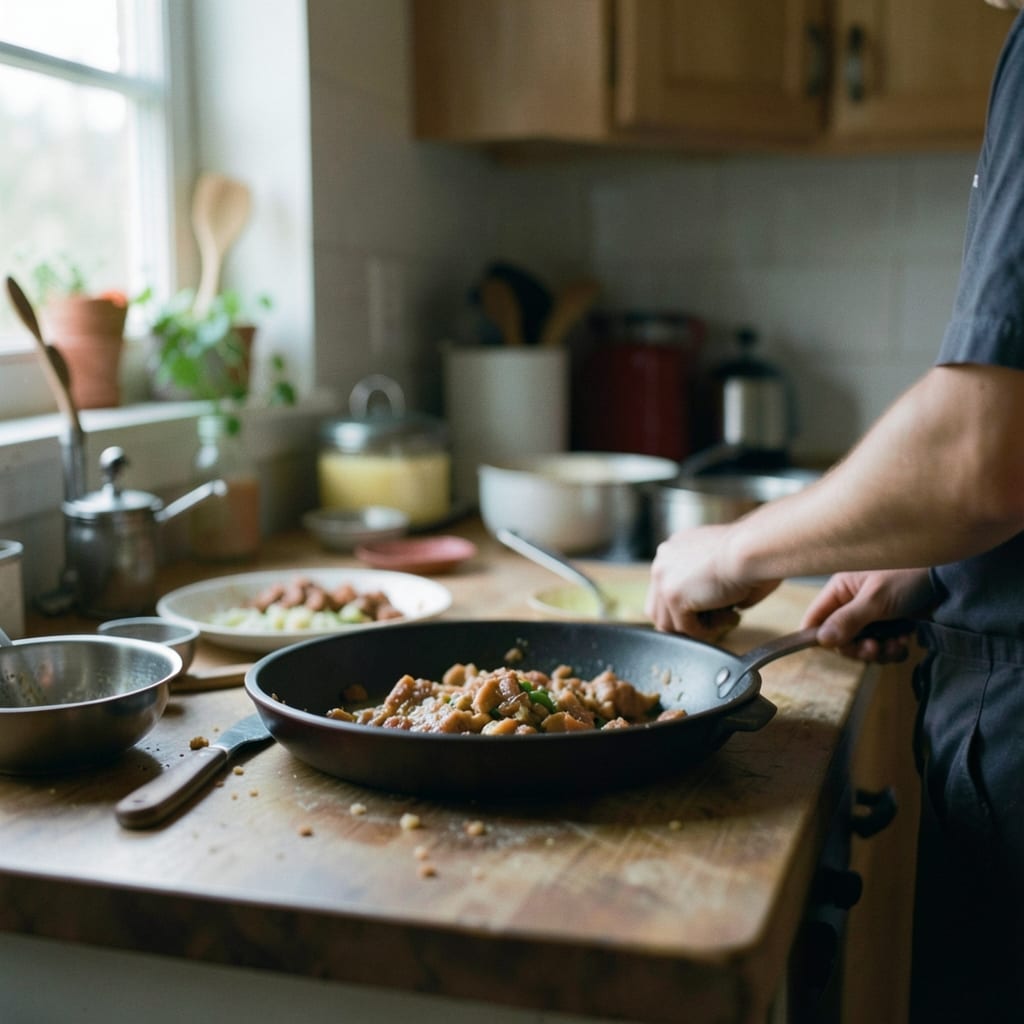
Now, every recipe is built to survive. Photos are taken in real kitchens with real light, steps are written for actual home cooks (not just chefs), and the structure is consistent so you can trust the order.
The site still feels personal, but the work behind it is no longer hidden.
| It used to be | Now it is |
|---|---|
| Recipes copied without testing | Every dish tested twice, with adjustments for real conditions |
| Photos staged in perfect light | Pictures taken in real kitchens with real ingredients |
| No clear structure—just what worked for one person | A consistent format so every recipe is easy to follow |
| A mix of favorite dishes with no rhyme or reason | Balanced between tradition and modern twists, with clear explanations for each |
The one that took years
The biggest mistake was assuming that if a dish tasted good once, it would work every time. For years, recipes were posted after a single attempt—no notes on oven quirks, no adjustments for humidity, no second try when things went wrong. The result?
Readers would follow instructions perfectly and still end up with undercooked meat or burnt edges. It wasn’t laziness; it was a belief that ‘good enough’ was enough.
The problem stayed hidden because no one complained.
People would email with questions, but the answers were always the same: ‘Try this tweak,’ or ‘Your oven runs hot.’ No one pushed back until a reader pointed out that three different recipes for the same dish gave three different results—and none matched the photos.
That was the moment it clicked: if the site couldn’t deliver consistency, it wasn’t worth running.
Fixing it cost time. Now, every recipe is made at least twice—once by me, once by someone who isn’t a chef. That means testing in different ovens, with varying ingredients, and even when the cook is distracted (because real life isn’t a demo).
It’s slower, but it means a recipe for chili works whether you’re using canned beans or dried, whether your stove is gas or electric. And it’s not just about the food: the photos now show the real process, not a staged fantasy. The trade-off? Fewer recipes published per month.
The payoff? Ones you can actually rely on.
Meet the author

I used to write recipes the way my mother taught them to me: by memory, with shortcuts for what ‘usually’ worked.
If a dish failed, I’d adjust on the fly and call it ‘experience.’ The problem was that experience wasn’t shared—so when a reader’s kitchen didn’t match mine, the recipe fell apart.
I also believed that if a dish was simple enough, the steps didn’t need to be spelled out. (Spoiler: they do.) The worst moment? A reader sent a photo of a casserole that looked nothing like the one in the recipe—and it was my fault.
I’d assumed ‘bake at 375°F for 45 minutes’ was universal. It wasn’t.
The hinge: I stopped writing for myself and started writing for the person holding the recipe in their hands.
Now, I work with a small group of testers who aren’t chefs, and every recipe is reviewed for clarity before it goes live. My role here is to make sure the site doesn’t just *look* reliable—it *is* reliable.
Camille Yamada edits every word, tests every step, and still cooks the dishes herself to check for the little things (like whether the sauce clings to the pasta or pools at the bottom). The name lands here because the ‘before’ was about instinct; the ‘after’ is about proof.
What did not change
The core belief—that food should taste like home, even when it’s new—hasn’t wavered. The site still leans on family recipes, but now they’re paired with explanations of *why* they work (or why they might not, and how to fix it). The tone is still warm, but the details are sharper.
And the kitchen? It’s still the same one where I stood on a stool as a kid, licking the spoon. The difference is that now, the recipes actually turn out.
What is still being fixed
Right now, the biggest project is making sure every recipe works for every kitchen—including those with limited tools or dietary needs. That means testing with basic equipment, swapping ingredients for allergies, and writing notes for small batches.
It’s slow work, but it’s the only way to keep the site useful for everyone. If you’ve got a kitchen quirk, a dietary need, or a dish you’d love to see adapted, the contact page is the place to share it.
Things that would help
- Your kitchen’s biggest challenge (e.g., ‘My oven burns the edges before the center cooks’)
- A recipe you’ve struggled with—and what went wrong
- An ingredient swap you’ve perfected (e.g., ‘I replace butter with coconut oil for dairy-free baking’)
The recipes are grouped by category: Appetizers, Beverages, Breakfast & Brunch, Desserts, Main Courses and Salads.