Main Courses
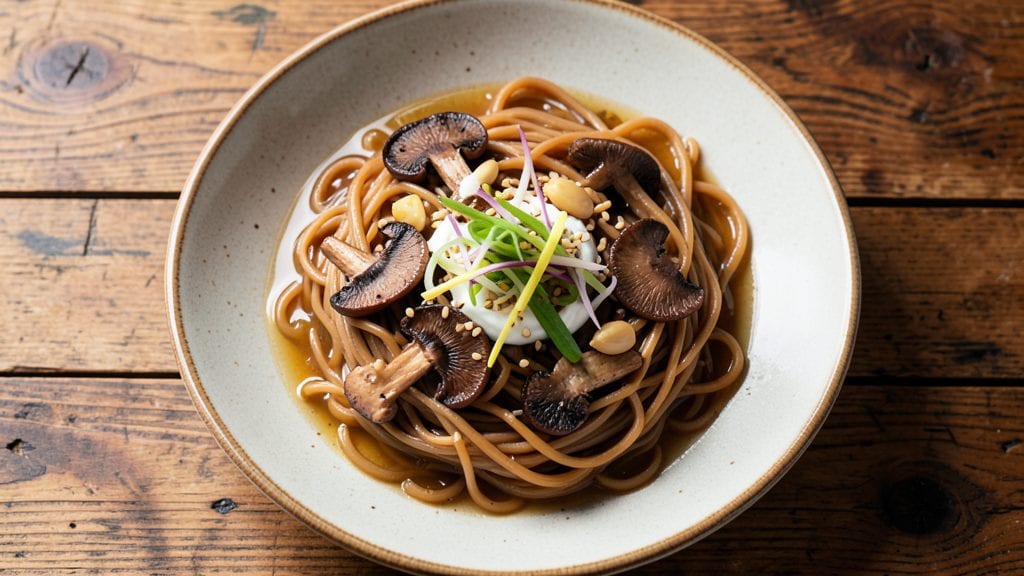
This bean vermicelli recipe transforms slender rice noodles into a versatile, umami-rich dish that bridges tradition and modern simplicity. The secret lies in balancing the delicate texture of the noodles with a deeply flavorful broth—whether you prefer a light vegetable infusion or a bold miso-based base.
After perfecting this method over countless batches, I’ve found the key is patience in soaking the noodles just enough to soften without turning them mushy.
The beauty of bean vermicelli is its adaptability—it thrives in soups, salads, or stir-fries, making it a foolproof choice for weeknight dinners or meal prep. For this recipe, we’ll focus on a vegan-friendly broth packed with garlic, ginger, and mushrooms, which develop layers of savory depth as they simmer.
The noodles absorb the flavors beautifully, creating a dish that’s both comforting and light.
What you’ll achieve is a bowl of silky, perfectly al dente noodles floating in a rich, aromatic broth, topped with fresh herbs and crisp vegetables for texture.
The umami notes from the broth elevate simple ingredients into something extraordinary—think toasted sesame seeds, thinly sliced scallions, and a squeeze of lime to brighten the finish. This recipe proves that plant-based meals can be deeply satisfying without sacrificing complexity.
Whether you’re serving this as a quick lunch or a showstopping dinner, the technique scales effortlessly. The broth can be made ahead and reheated, while the noodles cook in minutes—ideal for busy schedules. Let’s dive into the steps that will transform your kitchen into a Vietnamese-inspired haven.
Ingredients for bean vermicelli
Transform delicate rice noodles into a vibrant, umami-rich bowl with these carefully chosen ingredients.
| Ingredient | Amount | Notes |
|---|---|---|
| Bean Vermicelli Noodles 🍜 | 8 oz | Dried, rice-based noodles |
| Shiitake Mushrooms 🍄 | 1 cup | Sliced, fresh or rehydrated |
| Garlic Cloves 🧄 | 6 cloves | Minced, fresh preferred |
| Fresh Ginger Root 🌿 | 1 tbsp | Grated, finely chopped |
| Vegetable Broth 💧 | 4 cups | Low-sodium preferred |
| White Miso Paste 🍶 | 1 tbsp | Vegan-friendly, unsweetened |
| Lime Juice 🍋 | 2 tbsp | Freshly squeezed |
| Sesame Oil 🫒 | 1 tbsp | Toasted, for aroma |
| Toasted Sesame Seeds 🌰 | 1 tbsp | For garnish |
| Thai Basil Leaves 🌿 | ¼ cup | Chopped, fresh preferred |
| Scallions 🧅 | 3 whole | Thinly sliced, green parts |
| Red Bell Pepper 🌶️ | ½ cup | Thinly sliced, seeds removed |
| Sea Salt 🧂 | 1 tsp | Diamond Crystal preferred |
| Black Pepper 🌶️ | ½ tsp | Freshly ground |
| Coconut Aminos 🥄 | 1 tbsp | Gluten-free soy sauce substitute |
The shiitake mushrooms are the umami powerhouse here—fresh or rehydrated both work, but fresh offers superior texture. For the best quality, source organic shiitake from Whole Foods Market or your local Asian market, where they often sell them in clusters. The garlic and ginger should be freshly grated or minced—pre-minced jars lack the aromatic punch. If using dried vermicelli, ensure they're 100% rice-based; brands like Three Ladies or Vermicelli Rice Noodles from Asian grocery stores are reliable. The miso paste should be white miso for a cleaner flavor profile, though red miso adds depth if you prefer a bolder taste.
No shiitake mushrooms? Oyster mushrooms or cremini mushrooms make excellent substitutes—they hold their shape well during cooking. Running short on Thai basil? Regular basil or cilantro work in a pinch, though the flavor will differ slightly. The coconut aminos can be swapped for tamari or gluten-free soy sauce, but avoid regular soy sauce if you're strictly avoiding gluten. For the broth, if you can't find low-sodium vegetable broth, dilute regular broth with water and add salt to taste. The sesame oil should be toasted—heat it gently in a dry pan for 30 seconds to deepen its aroma before using. Fresh lime juice is non-negotiable; bottled versions lack the bright acidity needed to balance the dish.
The broth can be made up to 3 days ahead and stored in the refrigerator, though the flavors deepen after 24 hours. The dried noodles keep indefinitely in a cool, dry place, but once soaked, they should be used within 2 days for optimal texture. For meal prep, assemble the bowls without the noodles, store the broth separately, and cook the noodles fresh when ready to serve. The garnishes—sesame seeds, basil, and scallions—should be added just before serving to preserve their freshness and vibrant colors. This dish reheats beautifully; simply warm the broth and noodles together for 1-2 minutes on the stove.
Why You'll Love This Recipe
- No Fuss, Big Payoff: I swear by this for nights when I’m too tired to think. Soak the vermicelli for 10 minutes, slice the mushrooms while the water boils—no chopping skills required. That’s it. The broth does all the heavy lifting while I sip my wine and pretend I’m a busy chef.
- Umami Bomb: Between the shiitakes’ meaty depth and that fresh ginger-garlic punch, every bite tastes like a hug from a Vietnamese street vendor. The noodles soak up the flavor without turning mushy—honestly, it’s the kind of dish that makes you close your eyes mid-bite.
- Lunchbox Hero: Pack this cold or reheated—it’s that good. I make a big batch on Sundays, and by Wednesday, my kids are begging for it (yes, even the picky one). The mushrooms stay tender, the broth keeps it juicy, and it’s way cheaper than takeout.
- Budget Meal Magic: A single bag of dried mushrooms and a head of garlic stretch this recipe for days. Vegetable broth is my wallet’s best friend, and those noodles? A dollar’s worth of pure satisfaction. Leftovers taste just as good the next day—proof that simple ingredients can still feel special.
Step-by-step instructions for bean vermicelli with umami-packed broth
This method transforms delicate bean vermicelli into a vibrant, aromatic dish with layers of umami and bright acidity.
Prepare the Bean Vermicelli Noodles
Fill a large bowl with cold water and add the 8 oz bean vermicelli noodles. Let them soak for 10-12 minutes until pliable but still slightly firm to the touch. This partial soaking prevents them from becoming mushy when cooked later. Drain and rinse briefly under cold water, then set aside in a colander.
I prefer this method over full cooking because it allows the noodles to absorb the rich broth flavors more effectively during the final simmer. The texture should resemble wet spaghetti—flexible but with resistance. If they feel too soft, drain and rinse again with cold water to reset their texture.
Build the Umami-Packed Broth Base
Heat 1 tablespoon sesame oil in a wok or large skillet over medium-high heat until shimmering. Add the 1 cup sliced shiitake mushrooms and cook for 3-4 minutes until they release their moisture and begin to brown. Remove mushrooms and set aside temporarily.
In the same pan, add the 6 cloves minced garlic and 1 tablespoon grated ginger, cooking for 30 seconds until fragrant but not browned. This quick cooking preserves their bright flavors. Immediately pour in the 4 cups vegetable broth and bring to a gentle simmer. Stir in the 1 tablespoon white miso paste and 1 tablespoon coconut aminos, letting the mixture simmer for 5 minutes to develop depth.
Finish with Aromatics and Acid
Return the cooked mushrooms to the simmering broth along with the 0.5 cup sliced red bell pepper and 3 whole thinly sliced scallions. Cook for 2-3 minutes until the vegetables soften slightly but retain their texture. Add the 2 tablespoons lime juice and season with 1 teaspoon sea salt and 0.5 teaspoon black pepper, adjusting to taste.
Here's where the dish comes together: Add the partially soaked bean vermicelli noodles to the broth and toss gently to coat. The noodles will finish cooking in the hot liquid—3-4 minutes is all they need. The broth should cling to them like silk, creating that signature wok hei texture.
Assemble and Garnish
Transfer the noodles to serving bowls, reserving some of the broth for sauce consistency if needed. Top each serving with 0.25 cup chopped Thai basil leaves and 1 tablespoon toasted sesame seeds. The basil adds freshness while the sesame seeds contribute nutty crunch, balancing the dish's rich flavors.
Serve immediately while the noodles are still warm and the broth maintains its vibrant sheen. The contrast between the delicate noodles, earthy mushrooms, and bright lime creates a harmonious bite. For extra depth, drizzle with any reserved broth before eating—this ensures every mouthful delivers that perfect umami-packed essence.
Pro Tips For Making Bean Vermicelli
- SOAK NOODLES SEPARATELY: Bean vermicelli clumps like a stubborn child if you toss it all in one bowl—trust me, I’ve fished out noodles stuck together after 10 minutes. Divide it into two colanders and pour hot water over each section, stirring immediately. This guarantees even hydration without a single strand gluing itself to its neighbor.
- SAUTE MUSHROOMS LOW AND SLOW: I used to blast shiitake mushrooms at high heat, and they’d turn rubbery before they ever got tender. Instead, start them on medium-low with a splash of broth to deglaze as they cook. Let them sweat for 8-10 minutes until the liquid evaporates—this builds flavor without turning them to mush.
- GRATE GINGER FINE (NOT SHRED): Thick shreds of ginger just sit in your soup like little chewy landmines. Use the small holes of a box grater or a microplane to get a paste-like texture that dissolves into the broth. Your mouth will thank you when every sip carries that bright, aromatic punch.
- RESERVE BROTH FOR FINISHING: Skimping on broth at the end leaves your noodles dry and the mushrooms flavorless. Keep ½ cup of the cooking liquid back and toss it with the noodles right before serving. The starch in the broth clings to the strands, making them silky instead of sad.
Wine and beer pairings for this bean vermicelli
Light White Wine
For this delicate yet flavorful dish, I recommend a crisp Sauvignon Blanc from New Zealand or a Pinot Grigio from Italy. These wines offer bright acidity that mirrors the dish's lime finish while their citrus notes complement the umami mushrooms and miso broth.
Look for a bottle with 12-13% ABV—just enough body to stand up to the rich noodles without overpowering them. A chilled glass at 45-48°F enhances the refreshing contrast with the warm noodles. 🍷
Earthy Red Options
If you prefer red wine, a light-bodied Pinot Noir from Oregon or a Gamay from Beaujolais provides an interesting contrast. The red fruit notes in these wines harmonize with the shiitake mushrooms and coconut aminos, while their earthy undertones echo the dish's umami depth.
Decant for 10-15 minutes before serving to soften tannins and let the wine breathe. Aim for 13-14% ABV to balance the dish's richness without heaviness.
Craft Beer Pairings
A wheat beer like Blue Moon or a light lager such as Heineken works beautifully with this dish. The subtle sweetness of wheat beers complements the lime and sesame, while lagers provide a clean, crisp finish that cuts through the umami.
For a more adventurous option, try a sour ale with 1.5-2% ABV—the tartness enhances the dish's bright flavors. Serve at 40-45°F to maintain crispness. 🍺
Non-Alcoholic Choices
For a refreshing non-alcoholic pairing, I suggest a sparkling yuzu soda or a ginger beer with 10-12g of sugar per serving. The effervescence cleanses the palate between bites, while the citrus or ginger notes mirror the dish's aromatic profile.
Alternatively, a cold hibiscus iced tea (brewed with 1 tbsp dried hibiscus per cup) adds a floral brightness that contrasts beautifully with the umami broth. Serve over ice for the best experience.
Pro Pairing Tips
Always serve wine or beer slightly cooler than room temperature—45-50°F for whites and 50-55°F for reds—to preserve their freshness. If using a miso-based broth, avoid high-tannin reds like Cabernet Sauvignon, as they can clash.
For the best experience, pour a small amount of wine or beer into the bowl before eating—this coats the noodles with flavor and enhances the overall harmony. 💡
Nutrition facts
Frequently asked questions
How do I know when bean vermicelli noodles are properly soaked?
Test for doneness by gently pressing a strand between your fingers—it should feel pliable but still hold its shape, like wet spaghetti. Over-soaking for more than 12 minutes will make them mushy. For extra control, rinse briefly in cold water after soaking to reset texture.
Can I substitute dried shiitake mushrooms for fresh?
Yes! Soak 1 cup dried shiitake in warm water for 20 minutes, then slice and use as directed. For best results, reserve some soaking liquid (up to ¼ cup) to add to the broth for extra umami depth. Fresh mushrooms work too but require 3-4 minutes of cooking time.
What if my broth tastes too bland?
Boost flavor by adding ½ teaspoon fish sauce (for non-vegan) or 1 extra tablespoon coconut aminos. For depth, simmer the broth with 1 star anise pod or 1 cinnamon stick for 5 minutes, then strain. A squeeze of extra lime juice also brightens the profile.
How can I make this recipe gluten-free?
This recipe is already gluten-free! Just ensure your bean vermicelli is certified GF (check labels) and use tamari instead of coconut aminos if needed. The miso paste should also be gluten-free—opt for white miso made from rice or barley-free varieties. Always verify all broth ingredients for hidden gluten.
Can I prepare the broth ahead of time?
The broth keeps well in the fridge for 3 days or freezes for 3 months. Reheat gently on the stove, adding a splash of water if it reduces too much. For best texture, cook the noodles fresh in the reheated broth—this ensures they absorb flavors properly.