Side Dishes
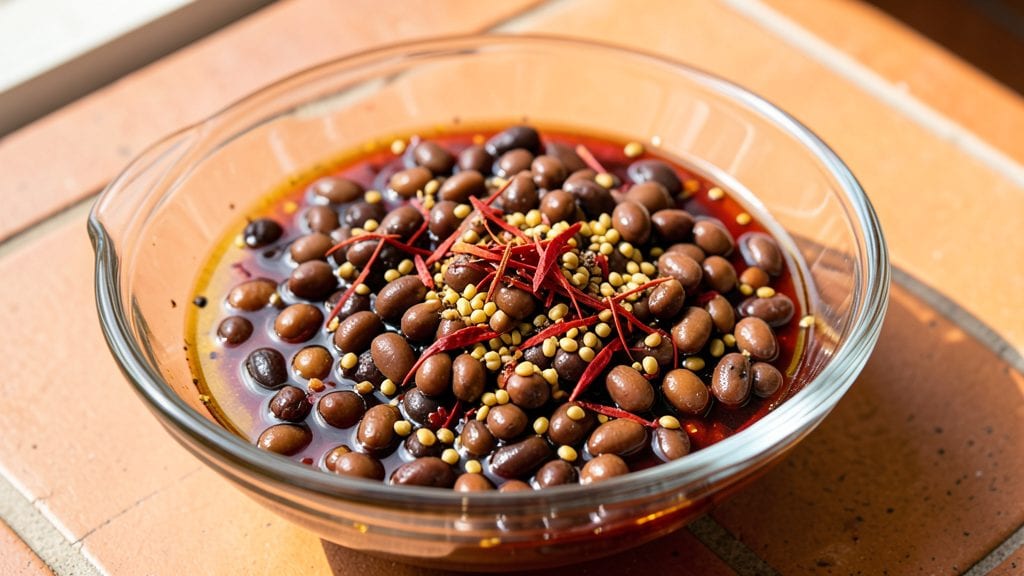
This beans pickle recipe transforms simple dried beans into a vibrant, tangy-sweet crunch that elevates any meal in just 10 minutes of prep—plus fermentation time. The secret lies in balancing spices like mustard seeds, turmeric, and red chili, which create layers of flavor that develop over days.
I first discovered this technique while adapting traditional Indian dal ka achar for modern tastes, and it’s become a staple in my kitchen for its versatility and bold flavor.
The process is straightforward: soak the beans overnight, then simmer them with aromatic spices and a tangy vinegar brine. Fermentation (2–3 days) deepens the flavors, turning the beans into a spicy-sweet crunch that pairs perfectly with snacks, sandwiches, or as a side to rice dishes.
Unlike store-bought versions, this recipe lets you control the heat and sweetness, ensuring every batch is restaurant-quality.
What makes this recipe stand out is its adaptability—whether you prefer a garlicky, mustard-heavy version or a sweet-and-spicy twist, the base technique remains the same. The result is a fermented crunch that’s addictive, shelf-stable for months, and packed with probiotics. Once you try it, you’ll never buy pre-packaged pickles again.
Serve it as a side with roti, mix it into wraps, or snack on it straight from the jar—this pickle is a game-changer for any meal. Ready to make it? Here’s everything you need to get started.
Ingredients for beans pickle
Simple dried beans and bold spices transform into restaurant-quality fermented crunch in minutes.
| Ingredient | Amount | Notes |
|---|---|---|
| Dried Black-Eyed Peas 🌱 | 1 ½ cups | Uncooked, rinsed well |
| Red Wine Vinegar 🍷 | 1 cup | Bottled or homemade |
| Water 💧 | 1 cup | Filtered preferred |
| Mustard Seeds 🌶️ | 1 tbsp | Yellow or brown variety |
| Ground Turmeric 🌿 | 1 tsp | Freshly ground preferred |
| Red Chili Powder 🔥 | 1 ½ tsp | Adjust for heat preference |
| Garlic Cloves 🧄 | 4 cloves | Minced for depth |
| Fresh Ginger 🌿 | 1 tbsp | Grated, aromatic |
| Sugar 🍯 | ½ cup | White or brown |
| Salt 🧂 | 1 ½ tsp | Diamond Crystal kosher |
| Asafoetida Powder 🌶️ | ¼ tsp | Hing, optional for umami |
| Fenugreek Seeds 🌱 | ½ tsp | Lightly toasted |
| Mustard Oil 🫒 | ¼ cup | Or coconut oil substitute |
The dried black-eyed peas are the foundation—Bob's Red Mill or Whole Foods bulk section have the best quality. Look for firm, unblemished beans, as they ferment best. If you're short on time, Trader Joe's pre-soaked lentils work in a pinch, though they lack the traditional texture. The spices are where the magic happens: mustard seeds and asafoetida give that signature tangy depth, while turmeric adds vibrant color. Toast your whole spices (mustard seeds, fenugreek) in a dry pan for 30 seconds before grinding—they'll release their oils and flavor instantly.
No mustard oil? Coconut oil or avocado oil works just as well for frying, though the flavor profile shifts slightly. Short on asafoetida? Garlic powder at double the amount mimics its savory punch. The sugar here isn't just for sweetness—it helps preserve the pickles and balances the vinegar's acidity. For extra heat, add 1/4 tsp cayenne pepper or swap red chili powder for fresh Kashmiri chili flakes. If you're making a larger batch, double the spices but keep the bean-to-liquid ratio the same to maintain texture.
Fermented pickles keep for 3-4 months in the fridge, with flavors deepening over time. Store in a clean, airtight jar with the liquid covering the beans completely. For longer shelf life, add 1/4 tsp citric acid to the brine. The pickles are best after 3-5 days of fermentation—that's when the probiotics peak and the crunch develops. Portion into small jars for snacks, or freeze individual servings for quick use in wraps and bowls.
Why You'll Love This Recipe
- No-Soak Needed: I’ll be honest—soaking beans is a hassle. These dried black-eyed peas soften beautifully in the vinegar bath overnight, no extra work. Just toss them in, cover, and wake up to tender, ready-to-eat beans.
- Tangy Twist: That red wine vinegar isn’t just for flavor—it’s the star. The bright acidity cuts through the earthiness of the peas, while the mustard seeds add a little punch. It’s like a zesty hug for your taste buds.
- Pantry Staple Magic: Honestly, you’re already halfway there. Vinegar, turmeric, and mustard seeds? Things you probably have lying around. No fancy shopping list, no last-minute grocery runs—just open the cabinet and go.
- Lasts All Week: Between us, this pickle keeps for ages. I’ve had jars sitting for three weeks, and they’re still crisp and tangy. Perfect for quick lunches, snack attacks, or when you forget to meal prep (no judgment).
Step-by-step instructions for spicy-sweet fermented black-eyed peas
This vibrant pickle transforms simple dried black-eyed peas into a tangy, crunchy condiment with bold South Indian flavors.
Prepare the Black-Eyed Peas for Fermentation
Rinse the 1.5 cups dried black-eyed peas thoroughly under cold water to remove any debris. Place them in a large bowl and cover with 1 cup water—this should be just enough to submerge them completely. Let them soak for 4-6 hours or overnight at room temperature. The peas should become noticeably softer and expand to about twice their original size.
I like to soak them in a clean glass jar with the lid loose to allow any impurities to rise to the surface. After soaking, drain and rinse them again to remove any excess starch. This preparation ensures the peas will ferment evenly and develop that signature crunch.
Toast the Spice Blend for Maximum Flavor
In a dry skillet over medium heat, lightly toast the 1 tbsp mustard seeds for 30 seconds until they begin to pop and release their aroma. Immediately add the 4 cloves minced garlic, 1 tbsp grated fresh ginger, 0.5 tsp fenugreek seeds, and 0.25 tsp asafoetida powder, stirring constantly for 1 minute until the spices turn fragrant and the garlic turns golden.
Remove the skillet from heat and let the spice mixture cool for 2 minutes—this prevents it from cooking the peas later. The asafoetida powder might seem unusual, but it adds a deep umami note that balances the heat perfectly. If you're sensitive to strong flavors, you can omit it, but I promise it elevates the dish.
Combine All Ingredients for Fermentation
In a large mixing bowl, combine the drained black-eyed peas with the cooled spice blend, 1.5 tsp red chili powder, 1 tsp ground turmeric, 0.5 cup sugar, and 1.5 tsp salt. Mix thoroughly with your hands until every pea is evenly coated in the spice-sugar mixture. The sugar helps preserve the peas while adding sweetness to balance the heat.
In a separate small bowl, whisk together the 1 cup red wine vinegar and 0.25 cup mustard oil. Slowly pour this mixture over the peas while stirring continuously. The vinegar will begin to break down the pea skins slightly, creating that signature tender-crunch texture. Let the mixture sit for 10 minutes to allow the flavors to meld.
Pack and Ferment for Perfect Texture
Transfer the pea mixture to a clean, airtight glass jar, pressing down gently to eliminate air pockets. The liquid should just cover the peas—if it doesn't, add a splash of water. Seal the jar tightly and let it ferment at room temperature for 24 hours. You'll notice bubbles forming and the liquid becoming slightly cloudy as the natural fermentation begins.
After 24 hours, transfer the jar to the refrigerator. This slows the fermentation process and allows the flavors to develop fully over the next 48-72 hours. The peas should become tender but still hold their shape with a satisfying crunch. The longer they ferment, the more complex the flavors become—don't rush this step.
Adjust Seasoning and Store Properly
Before serving, taste the pickled peas and adjust the seasoning if needed. If they need more heat, add a pinch of red chili powder. For extra tang, stir in 1 tablespoon of the fermenting liquid. The pickles will keep in the refrigerator for up to 3 months, with flavors deepening over time.
Serve these vibrant pickles as a side with dosas, idlis, or even grilled meats. The contrast of sweet, spicy, and tangy flavors makes them irresistible. For best results, let them sit at room temperature for 10 minutes before serving so the flavors are fully awake and ready to impress.
Pro Tips For Making Beans Pickle
- SOAK BEANS OVERNIGHT: I learned this the hard way—rushing the soak leaves them tough and mealy. Use 4 cups water to 1 cup dried black-eyed peas, add a pinch of baking soda (trust me), and let them sit 12+ hours. No soaking? Boil them for 2 minutes first, then rest 1 hour before cooking.
- TOAST MUSTARD SEEDS: Dry-toast the seeds in a pan for 30 seconds until they smell nutty—this prevents bitterness later. Skip this, and your pickle will taste harsh instead of warm. Keep heat medium; watch them like a hawk.
- VINEGAR FIRST: Add the red wine vinegar before the turmeric and water, then simmer 5 minutes. This lets the acid work its magic on the beans’ texture early, so they stay tender. I used to add it last and wondered why they stayed chewy.
- STRAIN AND RINSE: After cooking the beans, strain them and rinse under cold water. This removes excess starch that makes the pickle gummy. Sounds weird, but it works—your future self won’t believe the difference.
Essential equipment for beans pickle
Fermentation Jars
Invest in airtight glass jars with wide mouths—Le Parfait 32-ounce jars are my go-to for fermentation. The wide neck makes packing and pressing the beans easier, while the airtight seal prevents contamination.
Mason jars work too, but opt for ball jars with rubber seals to ensure a tight fit. Avoid plastic containers, as they can leach chemicals during fermentation. 🌱
Spice Toasting Tools
A non-stick skillet (like Calphalon Classic) is essential for toasting your spices without burning them. The non-stick surface prevents mustard seeds and fenugreek from sticking, ensuring even toasting. For small batches, a small cast-iron skillet works perfectly—just monitor the heat closely to avoid scorching.
A mortar and pestle also comes in handy if you’re grinding whole spices fresh. 🔥
Measuring Tools
Precision matters with fermentation, so use a digital kitchen scale for spices like turmeric and chili powder. A spice grinder (like Spiceworks 4-Cup) ensures even consistency, while a fine-mesh strainer helps rinse the soaked beans thoroughly.
For liquid measurements, a glass measuring cup with markings is more accurate than plastic. Don’t skip measuring—even small variations can affect fermentation. ⚡
Fermentation Thermometer
Fermentation thrives between 68-72°F, so a digital fermentation thermometer (like Aquarium Pro) ensures ideal conditions. Place it near the jar to monitor temperature changes, especially if your kitchen fluctuates.
If your space is too warm, ferment in a cooler with ice packs. Overheating can make the pickles too sour or mushy. 🌡️
Optional: Oil Infuser
For deeper flavor, infuse your mustard oil with spices before adding it to the brine. A small slow cooker or immersion blender works—simmer ½ cup oil with 1 tsp mustard seeds, 2 garlic cloves, and ½ tsp turmeric for 10 minutes on low.
Strain and use immediately. This step adds a restaurant-quality depth to your pickle. 💡
Nutrition facts
Frequently asked questions
Can I use canned beans instead of dried for this recipe?
No, dried beans are essential for the proper texture and fermentation process. Canned beans won't develop the same satisfying crunch or ferment correctly. If you're short on time, you can use pre-soaked lentils, but they won't match the traditional texture of fermented black-eyed peas.
How do I know when the fermentation is complete?
The fermentation is ready when the beans are tender but still hold their shape with a satisfying crunch, usually after 3-5 days in the fridge. You'll also notice bubbles in the liquid and a slightly tangy aroma. Taste-test after 2 days to check for your preferred flavor balance.
What if my pickles turn moldy during fermentation?
Mold is rare but can happen if the jar isn't properly sealed or if contaminants enter. If you see mold, discard the batch immediately. To prevent this, always use clean equipment, ensure the beans are fully submerged in liquid, and ferment at 68-72°F for optimal safety.
Can I adjust the spice level for kids or sensitive eaters?
Reduce the red chili powder to 0.5 tsp or omit it entirely for a milder version. For extra sweetness, increase the sugar to 0.75 cup to balance any remaining heat. The asafoetida and fenugreek can also be reduced or skipped if needed.
How can I use up leftover fermented beans?
These pickles are incredibly versatile! Mix them into wraps, spread them on toast, or serve as a side with rice, dosas, or grilled meats. They also add a tangy crunch to salads, sandwiches, or even as a topping for tacos. Store leftovers in the fridge for up to 3 months.