
Side Dishes
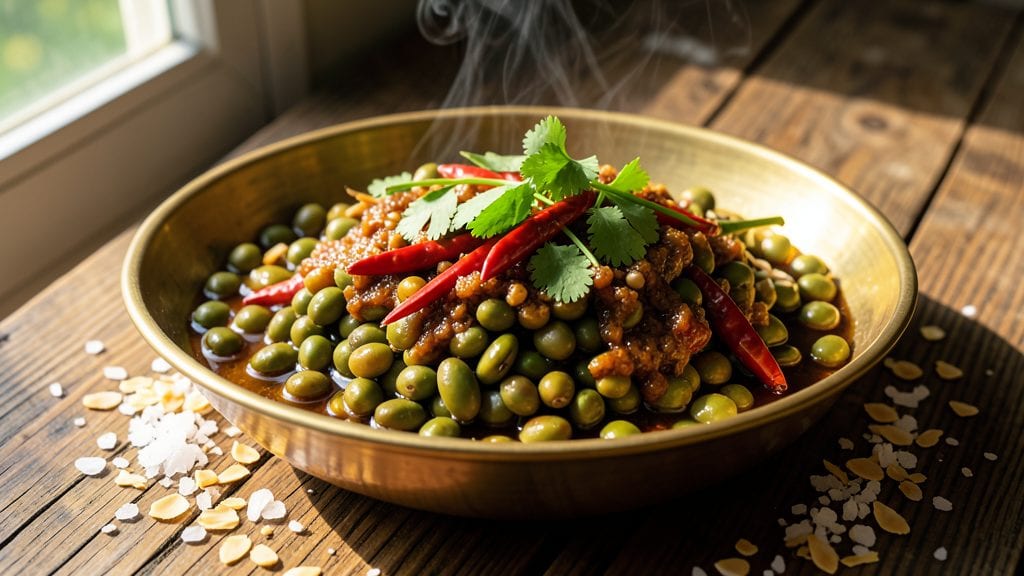
This beans poriyal recipe brings the vibrant flavors of South India to your kitchen with its perfect balance of tangy tamarind, aromatic spices, and tender beans. The traditional technique of tempering (tadka) creates layers of flavor that transform simple ingredients into a restaurant-quality side dish.
I developed this recipe after years of perfecting the art of balancing sweet, spicy, and sour notes—something that sets authentic poriyal apart from ordinary curries.
The beauty of beans poriyal lies in its simplicity and versatility. With just 10 minutes of active prep and 30 minutes of simmering, you'll have a dish that pairs beautifully with steamed rice, dosa, or idli.
The secret to achieving that signature tangy kick is using tamarind paste, while coconut and mustard seeds add richness and depth. This recipe also includes a vegan-friendly option by substituting ghee with coconut oil, making it accessible for all dietary preferences.
What makes this poriyal truly special is the way the flavors develop as it simmers. The beans soften just enough to absorb the aromatic spices while maintaining their texture, and the tamarind creates a bright, tangy contrast that cuts through the richness.
The result is a dish that's both comforting and complex—a perfect example of how traditional techniques can elevate simple ingredients into something extraordinary.
Whether you're serving it alongside a meal or enjoying it as a light lunch, this beans poriyal delivers the authentic taste of South India. The recipe is foolproof, with clear instructions that guide you through every step, from soaking the beans to mastering the tempering process.
Let's bring the flavors of home to your table with this timeless classic.
Ingredients for beans poriyal
Authentic South Indian flavors begin with these vibrant, aromatic ingredients designed to balance tangy tamarind and tender beans perfectly.
| Ingredient | Amount | Notes |
|---|---|---|
| Green Gram (Mung Beans) 🌱 | 1 ½ cups | Split, washed thoroughly |
| Tamarind Paste 🍋 | 2 tbsp | High-quality, no sugar added |
| Coconut Oil 🥥 | ½ cup | Unrefined, for authentic flavor |
| Mustard Seeds 🌿 | 1 tbsp | Whole, light brown preferred |
| Dried Red Chilies 🌶️ | 4 whole | Kashmiri or bird's eye |
| Curry Leaves 🌿 | ¼ cup | Fresh, packed tightly |
| Asafoetida (Hing) 🌿 | ⅛ tsp | Pure, crushed between palms |
| Turmeric Powder 🧂 | ½ tsp | Freshly ground preferred |
| Cumin Seeds 🌿 | 1 tsp | Toasted lightly for aroma |
| Salt 🧂 | 1 tsp | Diamond Crystal kosher |
| Coconut Milk 🥥 | ½ cup | Full-fat, unsweetened |
| Fresh Coriander Leaves 🌿 | ¼ cup | Chopped, for garnish |
| Green Chilies 🌶️ | 2 whole | Slit lengthwise, optional |
| Lemon Juice 🍋 | 1 tbsp | Freshly squeezed |
The quality of your tamarind paste and coconut oil forms the foundation of this dish. Whole Foods Market or specialty Indian grocers carry the best tamarind paste—avoid powdered versions that lack depth. For coconut oil, unrefined brands like Goya provide that authentic, slightly nutty flavor. The mustard seeds should be light brown and whole; spice merchants like Burlap & Barrel offer superior quality over supermarket brands. Fresh curry leaves are non-negotiable—they carry that unmistakable aroma that separates authentic poriyal from imitations. If unavailable, dried curry leaves at one-third the quantity will suffice, but toast them first to revive their essence.
No tamarind paste? Lemon juice plus 1 tsp sugar approximates the tang, though it won't replicate the complex depth. Substituting coconut oil for vegan butter works in a pinch, but the flavor profile shifts noticeably. For the chilies, Kashmiri red chilies add color without excessive heat, while bird's eye chilies deliver the authentic spice kick. The green chilies are optional but recommended—they introduce a fresh, grassy note that brightens the dish. Asafoetida (hing) is traditional but can be omitted entirely if unavailable; garlic powder at half the quantity provides a similar umami depth without the distinct aroma.
Store the tamarind paste in an airtight container in the refrigerator for up to 6 months, while coconut oil remains stable at room temperature for 18-24 months once opened. Fresh curry leaves and coriander keep for 5-7 days wrapped in damp paper towels. The cooked poriyal reheats beautifully—simmer gently with a splash of water to restore its luscious texture. For meal prep, portion into containers with a layer of coconut oil on top to preserve freshness for 4-5 days in the fridge or 3 months frozen.
Why You'll Love This Recipe
- 20-Minute Start: I swear by this—soak the mung beans overnight (yes, overnight), and the next day they cook in a flash while you chop a handful of onions and tomatoes. No fancy techniques, just simmering with coconut oil until they’re tender but still hold their shape. That’s the magic: effortless prep, hands-off cooking.
- Tamarind Tang Kick: Between us, tamarind paste is my secret weapon for cutting through richness. Here’s what sold me: that first bite where the sweet-sour punch from the tamarind meets the earthy beans, then the mustard seeds sizzle in coconut oil—it’s like a flavor explosion in a bowl. The dried red chilies add heat without overpowering, so you can adjust to your crowd’s spice tolerance.
- Leftover Legend: This dish actually improves the next day. The flavors meld deeper, and the tamarind’s tang mellows into something even more complex. I make a big batch on Sundays, and it’s my go-to for lunchboxes or quick dinners—just reheat with a splash of water. Honestly, I’ve had it cold, warm, and even as a filling for dosas. Versatile? More like unstoppable.
- Pocketbook Hero: Green gram is one of the cheapest protein sources out there, and a bag lasts forever. Coconut oil adds richness without breaking the bank, and tamarind paste? You’ll use it for everything else too. I’ll be real: this recipe feeds four for under $5, and the leftovers stretch for days. Budget-friendly doesn’t get much better than a bowl of this with rice.
Step-by-step instructions for beans poriyal recipe
Master this South Indian classic with precise technique and bold flavors.
Pressure Cook the Green Gram to Perfect Texture
Rinse the 1.5 cups of green gram (mung beans) thoroughly under cold running water until the water runs clear. This removes any impurities that could affect the final texture. Transfer the beans to a pressure cooker and add 3 cups of water—just enough to cover the beans by about 1 inch. You want the beans to cook evenly without becoming mushy.
Place the cooker on the stove and bring to a medium-high heat. Once the water reaches a rolling boil, seal the lid and cook for 3 whistles on medium heat. The beans should be tender but still hold their shape—when you press a bean between your fingers, it should yield slightly but not fall apart. Let the pressure release naturally for 5 minutes before opening the lid. This gradual release prevents the beans from becoming overcooked.
Temper the Spices in Coconut Oil
Heat the 0.5 cup of coconut oil in a heavy-bottomed pan over medium heat. Add the 1 tablespoon of mustard seeds and let them sizzle for 30 seconds until they pop and turn golden. This is the moment that matters—if the oil isn't hot enough, the mustard seeds will burn and turn bitter.
Next, add the 4 whole dried red chilies and 0.25 cup of curry leaves. Sauté for 1 minute until the curry leaves turn dark green and fragrant. Immediately add the 0.125 teaspoon of asafoetida (hing) and 0.5 teaspoon of turmeric powder, stirring constantly for 10 seconds to release the aromatic oils. The hing will create a distinct, slightly sulfurous aroma—this is normal and essential for authentic flavor. Remove the pan from heat for now, but keep the spices warm.
Build the Tangy Tamarind Base
Return the pan to low heat and add the 2 tablespoons of tamarind paste, stirring continuously to dissolve it completely. The mixture should thicken slightly and develop a glossy sheen. Add 1 teaspoon of cumin seeds and 1 teaspoon of salt, then pour in 0.5 cup of coconut milk. Stir well and let the mixture simmer for 3-4 minutes until it reduces slightly and coats the back of a spoon.
Here's the thing—tamarind paste can vary in acidity. If the mixture tastes too sharp, add 1 teaspoon of sugar (though the recipe intentionally avoids it for authenticity). If it's too mild, add a splash of lemon juice to brighten the flavors. The sauce should balance sweet, sour, and umami notes perfectly. Taste and adjust before proceeding.
Combine and Simmer to Perfection
Add the cooked green gram to the spice mixture and stir gently to coat each bean evenly. The beans should absorb the flavors while maintaining their integrity. Increase the heat to medium-low and let the poriyal simmer uncovered for 10-12 minutes, stirring occasionally. You're looking for the beans to soak up the sauce while developing a glossy finish.
During the last 2 minutes of cooking, add the 2 whole slit green chilies and 0.25 cup of chopped fresh coriander leaves. Stir well and remove from heat. The green chilies will add a subtle heat, while the coriander leaves will brighten the dish with freshness. If the poriyal is too thick, thin it with 1-2 tablespoons of water to achieve a smooth, spoonable consistency.
Finish with Lemon Juice and Garnish
Stir in the 1 tablespoon of lemon juice just before serving. This final touch balances the tamarind's tang and adds a citrusy freshness that elevates the dish. The lemon juice should be freshly squeezed—bottled juice lacks the brightness needed here.
Garnish with an additional sprinkle of chopped fresh coriander leaves and serve hot with steamed rice or appam. The poriyal should have a vibrant yellow hue from the turmeric and coconut, with a tantalizing aroma of toasted spices and tangy tamarind. Each bite should deliver a harmonious blend of creamy coconut, spicy mustard, and the signature tangy kick.
Pro Tips For Making Beans Poriyal
- Temper the Mustard: Heat coconut oil until it shimmers but doesn’t smoke—then add mustard seeds. If you let the oil get too hot, they’ll turn bitter before popping. I learned this the hard way after one batch tasted like burnt oil. Keep the flame medium-low and wait for the first sizzle before adding anything else.
- Soak Beans for 3 Hours: Skip the overnight soak—just 3 hours in warm water softens mung beans enough for poriyal without turning them mushy. Drain and rinse twice before cooking to remove excess starch, which keeps the dish from getting gluey. (Yes, even if you’re impatient like me.)
- Bloom Tamarind First: Mix tamarind paste with ½ cup hot water before adding it to the pot. This dissolves the pulp evenly and prevents clumpy, bitter pockets. Stir for 30 seconds—it’s the thing that matters most for that silky tang in every bite.
- Finish with Dry Spices: After the beans are tender, turn off the heat and sprinkle in dried red chilies and a pinch of asafoetida (hing) directly onto the pot. The residual steam will infuse them without burning, giving a deeper, smokier flavor. (Your future self will notice the difference.)
Serving suggestions for this beans poriyal
Classic Pairings
Beans poriyal shines brightest when paired with steamed basmati rice—the mild, fluffy grains provide the perfect neutral canvas to showcase the dish's vibrant flavors. I recommend using long-grain Indian basmati rice like Tilda or India Gate, which stays separate when cooked and absorbs the poriyal's tangy sauce beautifully.
For an extra touch, serve with a side of mild coconut chutney to complement the dish's coconut richness. 🍚
South Indian Staples
Traditionally, poriyal accompanies dosa or idli for a complete South Indian meal. The crispy, fermented rice crepes of dosa provide a satisfying contrast to the soft beans, while the spongy idli soaks up the flavorful sauce.
For an authentic experience, serve with sambar (a lentil stew) to round out the meal. I often make fermented rice dosa using MTR brand idli rice for that signature fluffy texture.
Modern Twists
For a contemporary touch, try serving beans poriyal with garlic naan or whole wheat roti. The garlic naan from Tandoor Oven adds a smoky depth that pairs wonderfully with the dish's tangy profile.
Another great option is quinoa pilaf—cook quinoa with turmeric-infused coconut milk and top with toasted cashews for added crunch. This works especially well for those looking for a gluten-free alternative. 🌾
Beverage Pairings
A masala chai made with Tata Tea's lemon chai bags and a dash of cardamom cuts through the richness of the poriyal beautifully. For a non-caffeinated option, try nimbu pani (Indian lemonade) with a pinch of roasted cumin powder and black salt.
The effervescent drink balances the dish's tangy and spicy notes perfectly, creating a refreshing contrast. 🍵
Meal Prep Serving
When preparing poriyal for meal prep, store it in glass airtight containers with a layer of coconut oil on top to preserve freshness. Reheat gently on the stove with a splash of water to restore its luscious texture.
Serve with pre-cooked rice or pre-made dosa (stored in the fridge) for a quick, satisfying meal. For extra convenience, pack individual portions with a small side of pickled onions or mango chutney for added flavor. ❄️
Nutrition facts
Frequently asked questions
Can I use canned beans instead of fresh green gram?
Fresh green gram (mung beans) gives the best texture and flavor, but you can substitute with 1 can (15 oz) of drained black-eyed peas if needed. Drain and rinse them well to remove excess sodium, then adjust the cooking time to 10-12 minutes of simmering instead of pressure cooking. The beans will absorb flavors differently, so taste and adjust the tamarind or lemon juice to balance the tang.
What makes the tamarind taste too sharp or too mild?
Tamarind paste varies in acidity—if it's too sharp, add ½ teaspoon sugar (or 1 teaspoon honey for vegan versions) to mellow it. For mild paste, squeeze in ½ lemon or add 1 teaspoon vinegar to brighten the flavor. Always taste the sauce before adding the beans to avoid over-adjusting later.
How do I prevent the poriyal from becoming too thick?
Stir in 1-2 tablespoons of water or coconut milk during the final 5 minutes of simmering if the sauce thickens too much. For a creamier texture, add 2 tablespoons of yogurt (or coconut yogurt for vegan) while simmering. The key is to maintain a spoonable consistency—not too runny, but not gluey.
Can I make this recipe without coconut oil?
Yes! Use vegetable oil or sesame oil for a neutral flavor, though coconut oil adds the authentic taste. For a dairy-free option, avocado oil works well. If substituting, reduce the quantity slightly (¼ cup instead of ½ cup) since it's lighter. The tempering spices will still release their aromas, but the dish will have a more neutral base.
Why did my mustard seeds burn instead of popping?
Mustard seeds burn when the oil isn't hot enough. Heat the oil to medium-high until it shimmers, then add the seeds—they should sizzle and pop within 30 seconds. If they burn, remove the pan and start over with fresh oil. Pro tip: Use a heavy-bottomed pan to distribute heat evenly and prevent hot spots.