Beverages
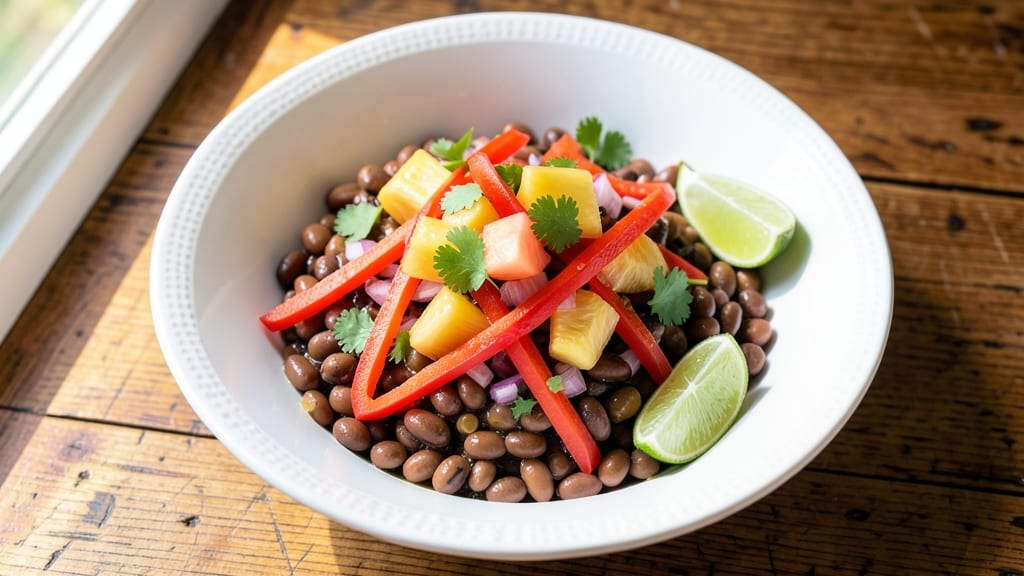
This black bean pineapple salsa recipe transforms a simple mix of ingredients into a vibrant, protein-packed condiment that rivals any guacamole. The tropical twist of pineapple pairs perfectly with earthy black beans, creating a balance of sweet, tangy, and savory flavors that work as a standalone dish or topping.
I developed this recipe after craving something fresh, flavorful, and vegetarian-friendly that could stand up to bold flavors without overpowering them.
The beauty of this salsa lies in its simplicity—just 10 ingredients come together in 15 minutes to create a dish that’s as nutritious as it is delicious. Black beans provide plant-based protein and fiber, while pineapple adds natural sweetness and acidity, cutting through the richness of any meal.
A touch of lime and jalapeño (optional) ensures the flavors are bright and balanced, making it versatile for tacos, bowls, or even as a dip with tortilla chips.
What you’ll end up with is a creamy yet crunchy salsa with bursts of tropical sweetness and a hint of spice, all while keeping it light and refreshing.
The texture is perfect—soft beans and juicy pineapple contrast with the crispness of red onion and cilantro, creating a harmonious bite every time. This recipe is also meal-prep friendly, holding up well in the fridge for up to 5 days, so you can enjoy it all week long.
For extra heat, add diced jalapeño or a pinch of cayenne, and for freshness, toss in chopped cilantro or green onions. Serve it with grilled fish, chicken, or as a topping for baked potatoes.
The possibilities are endless, but the foundation is foolproof—just mix, taste, and adjust to your preference. Let’s make this salsa!
Ingredients for black bean pineapple salsa
Ten simple ingredients for a vibrant, protein-packed salsa that’s anything but boring.
| Ingredient | Amount | Notes |
|---|---|---|
| Black Beans 🌱 | 1 ½ cups | Canned, drained and rinsed |
| Fresh Pineapple 🍍 | 1 ½ cups | Diced, fresh or canned |
| Red Bell Pepper 🌶️ | 1 whole | Diced, seeds removed |
| Red Onion 🧅 | ½ whole | Finely diced |
| Fresh Cilantro 🌿 | ½ cup | Chopped, stems removed |
| Lime Juice 🍋 | ¼ cup | Freshly squeezed |
| Jalapeño Pepper 🌶️ | 1 whole | Seeded, finely diced (optional) |
| Extra-Virgin Olive Oil 🫒 | 2 tbsp | For richness and moisture |
| Salt 🧂 | ½ tsp | Diamond Crystal kosher salt |
| Ground Cumin 🌿 | ½ tsp | Toasted for depth |
The black beans are the backbone here—canned is fine, but if you’ve got dried, soak them overnight for extra texture. Trader Joe’s has the best pre-cooked beans, but any canned variety works. Fresh pineapple is ideal, but canned in juice (not syrup) cuts prep time in half. Look for ripe pineapple—it should smell sweet and give slightly when pressed. The red bell pepper adds a subtle sweetness that balances the tropical flavors, so don’t skip it. I usually grab organic bell peppers from the store’s produce section—they’re sweeter and more flavorful than the conventional ones.
No fresh pineapple? Canned pineapple in juice works great—just drain it well. Short on cilantro? Fresh parsley or basil can step in, though cilantro’s citrusy note is key. The jalapeño is optional, but if you add it, remove seeds and membranes for milder heat. Want extra zing? Add a pinch of cayenne pepper or a dash of hot sauce. The lime juice is non-negotiable—Mexican limes are ideal, but regular limes work too. If you’re prepping ahead, squeeze the lime juice last to keep the salsa bright and fresh.
This salsa keeps beautifully in the fridge for 5 days, though it’s best within the first 2 days. Store it in an airtight container with a splash of extra lime juice on top to preserve color. For meal prep, portion it into small containers—perfect for lunches or quick snacks. If you’re serving it immediately, let it sit for 10 minutes before tasting so the flavors meld. The texture gets even better after chilling, so make it ahead if you can.
Why You'll Love This Recipe
- No Chopping Nightmare: I swear by this one—just dice the onion and bell pepper, then toss in pre-cut pineapple chunks if you’re in a hurry. The black beans and cilantro add texture without fuss, and honestly? My lazy Sundays thank me every time.
- Sweet-Savory Magic: That pineapple’s natural sweetness plays off the earthy beans and fresh cilantro like a flavor symphony. The red bell pepper adds a subtle crunch, and the red onion? It’s the secret sharpness that keeps it from being too sweet.
- Game for Any Meal: Slap it on grilled fish for a tropical twist, scoop it into tacos for a crowd-pleaser, or just eat it with chips—no judgment here. Between us, it’s my go-to when I’m prepping for a BBQ or need a last-minute party snack.
- Pantry Stash Winner: Black beans and pineapple are shelf-stable staples, so this salsa lasts in the fridge for days without wilting. I make a big batch on Sundays, and by Wednesday, it’s still bright and delicious—no sad, soggy leftovers here.
Instructions for black bean pineapple salsa recipe
Here's how to assemble this vibrant tropical salsa—simple steps for maximum flavor.
Prep and Toast the Aromatics
In a medium bowl, combine the drained and rinsed 1.5 cups black beans, 0.5 whole red onion (finely diced), and 0.5 tsp toasted ground cumin. The cumin needs to bloom for maximum depth—lightly toast it in a dry skillet over medium heat for 30 seconds until fragrant before adding. This step builds the earthy backbone of the salsa.
While the cumin toasts, dice the 1 whole red bell pepper and 1 whole jalapeño pepper (seeds removed if you prefer less heat). The jalapeño should be finely diced so its flavor distributes evenly—think "rice grain" size. Set these aside with the onion and beans. Here's the thing—proper prep means every bite delivers balanced texture and heat.
Sweat the Vegetables
Heat 2 tbsp extra-virgin olive oil in a large skillet over medium-low heat. Add the onion, bell pepper, and jalapeño, cooking for 5-6 minutes until softened but not browned. You want them to release moisture and mellow slightly—this prevents the salsa from being too watery when combined.
Here's where attention matters: stir occasionally and watch for color. The vegetables should look translucent at the edges but still retain their shape. If they start to brown, reduce the heat immediately—burnt veggies turn bitter. Remove from heat and let cool for 2 minutes before transferring to the mixing bowl.
Add the Tropical Elements
To the skillet (while still warm), add the 1.5 cups diced fresh pineapple and cook for 1 minute to help soften it slightly. This step ensures the pineapple releases its juices and mingles with the other flavors. Transfer the pineapple to the bowl with the other ingredients.
Now add the 0.5 cup chopped fresh cilantro and 0.25 cup freshly squeezed lime juice. The lime juice should be bright and freshly squeezed—bottled won't cut it. Toss everything together gently with your hands or a wooden spoon. The lime juice will start to break down the beans slightly, creating that perfect creamy texture we want in the final salsa.
Season and Rest
Add the 0.5 tsp salt and mix thoroughly. Taste immediately to gauge seasoning—this is your quality control moment. The salsa should be vibrant, with bright pineapple sweetness balanced by the earthy beans and spicy jalapeño. If it needs more acidity, add a splash of lime juice; if it needs more heat, add a pinch of salt or a tiny bit of the reserved jalapeño seeds.
Let the salsa rest for 15-20 minutes at room temperature. This resting period allows all the flavors to meld and the lime juice to fully integrate with the beans. The texture will thicken slightly, and the colors will deepen—this is when the magic happens. Real talk: skipping this step means missing out on the best flavor development.
Serve and Enjoy
Transfer the salsa to a serving bowl or platter. Garnish with an extra sprinkle of cilantro and a drizzle of olive oil if desired. Serve immediately with tortilla chips, grilled fish, or as a topping for tacos. The contrast of warm tortilla chips with this cool, vibrant salsa is pure perfection.
For best results, consume within 2-3 hours of making. The lime juice will continue to work its magic, but the texture may become slightly watery if left too long. Store any leftovers in an airtight container in the refrigerator for up to 3 days, but I've found it rarely lasts that long—this salsa disappears fast!
Pro Tips For Making Black Bean Pineapple Salsa
- Drain and rinse beans: Black beans straight from a can taste starchy and dull—skip the rinse, but drain them well first. I learned this the hard way after serving a batch where the salsa had a weird, gluey texture. Pat them dry with a towel if you’re extra picky (yes, it’s tedious, but the texture is smoother).
- Char the pineapple: Cut pineapple into chunks, toss them in a dry skillet over medium-high heat for 2-3 minutes per side until slightly blackened. The caramelized edges add depth that raw pineapple just can’t match—it’s the thing that makes this salsa taste like more than just fruit and beans.
- Mince, don’t chop, the onion: A food processor or knife? For this salsa, mince the red onion—tiny, even bits dissolve into the mix without overpowering. I used to chop it roughly, and it’d sit like little chewy chunks. Fine texture = better flavor distribution.
- Add lime juice last: Taste the salsa before squeezing in lime juice—it brightens but can also make the pineapple taste bitter if overdone. Start with 1 tablespoon, wait 10 minutes, then adjust. (Pro move: zest a little lime into the mix too.)
Essential equipment for this dish
Knife Essentials
Start with a sharp chef's knife (I use a Wüsthof 8-inch) for chopping onions, bell peppers, and jalapeños—its wide blade gives you control for precise dices. A serrated utility knife (like Victorinox Fibrox) is perfect for dicing pineapple without crushing it.
Keep both knives sharp; a Whetstone sharpening stone (1,000-grit) will save you from dull blades mid-chop. 🔪
Mixing Tools
A wooden mixing spoon (I prefer OXO Good Grips) is ideal for combining ingredients gently without bruising the pineapple or beans. For tossing, a stainless steel bowl (like Le Creuset) keeps flavors pure—no plastic tastes here.
If you’re prepping ahead, a glass storage container with a tight seal (I love Pyrex) preserves texture and freshness for up to 5 days.
Skillet for Sweating
Use a 10-inch cast-iron skillet (my go-to is Lodge) for sweating the onions, bell peppers, and jalapeños—its heat retention ensures even cooking without burning. A nonstick skillet (like Calphalon) works too, but cast iron adds depth to the flavors.
Heat it over medium-low to avoid browning, and always use medium heat for the pineapple to prevent mushing. 🍳
Measuring Precisely
Invest in a stainless steel measuring cup set (I trust OXO) for accurate pineapple and lime juice measurements—this salsa’s balance hinges on ratios. A microplane (like BARLEY) is a game-changer for zesting lime rinds or grating fresh ginger if you add it later.
For spices, a spice grinder (such as Spice & Wolf) ensures freshly toasted cumin for maximum aroma. 🌶️
Storage Containers
For leftovers, amber glass jars (like Ball Mason) block light and preserve color better than plastic. Label them with the date—this salsa’s peak freshness is 2-3 days post-rest. If freezing, use silicone molds (I use OXO) for portion control; thaw in the fridge overnight for best texture.
Avoid metal containers—they can react with acidic lime juice over time. ❄️
Nutrition facts
Frequently asked questions
Can I use canned pineapple instead of fresh?
Yes! Canned pineapple in juice (not syrup) works perfectly—just drain it well to avoid excess moisture. For best texture, crush the pineapple slightly with your hands before adding. The flavor will be slightly sweeter than fresh, so you may want to add a touch more lime juice to balance it.
How do I make this salsa less sweet?
Reduce the pineapple to 1 cup instead of 1.5 cups and add 1 extra tablespoon of lime juice. The acidity will help cut through the natural sweetness. For extra tang, stir in 1 teaspoon of apple cider vinegar or a pinch of salt to enhance all flavors.
Can I make this salsa ahead of time?
This salsa tastes even better after 12-24 hours in the fridge. Store in an airtight container with a splash of lime juice on top. The flavors meld beautifully, and the texture thickens slightly. For best results, serve within 5 days—though it rarely lasts that long!
What can I serve with this salsa?
This tropical salsa pairs perfectly with tortilla chips, grilled fish (like mahi-mahi or shrimp), or as a topping for tacos and bowls. It also works as a refreshing side for grilled chicken or even as a filling for veggie wraps. The creamy texture makes it great for dipping or spooning!
Why did my salsa turn watery?
Watery salsa usually means too much pineapple juice or undercooked vegetables. Next time, sweat the veggies longer (7-8 minutes) and reduce pineapple to 1 cup. For instant fixes, stir in 1 tablespoon of cornstarch or let it sit uncovered in the fridge for 1 hour to thicken.