Sauces & Condiments
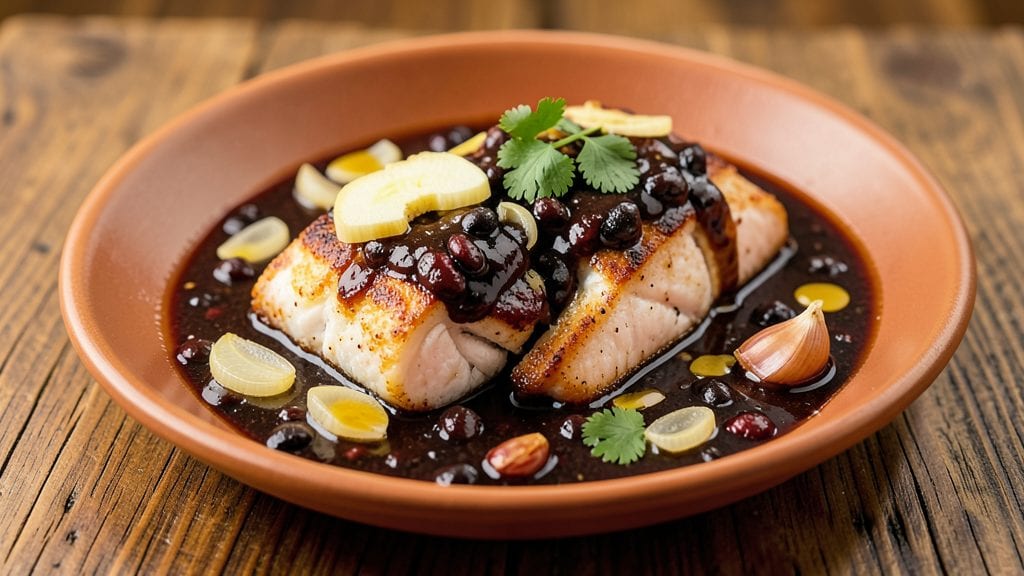
This braised fish with black bean sauce transforms simple ingredients into a restaurant-worthy meal with just one pan. The secret lies in balancing the deep umami of black beans with the delicate sweetness of fish, creating a sauce that's rich yet refined.
I developed this technique after years of experimenting with Asian-inspired braising methods, and it consistently delivers tender fish with a velvety sauce that clings perfectly to every bite.
The process begins with aromatics—ginger, garlic, and shallots—that form the flavor foundation, then builds to a luscious black bean sauce that simmers until thick and glossy. What makes this dish truly special is how the fish absorbs the sauce's complex flavors while remaining moist and flaky.
The result is a dish that feels indulgent yet remains balanced, with each component playing its part without overpowering the others.
By the time you're done, you'll have a plate of perfectly braised fish swimming in a glossy black bean sauce that's both savory and subtly sweet. The sauce's velvety texture and deep flavor make this dish ideal for serving over steamed rice or alongside steamed greens.
It's the kind of meal that feels like a special occasion, even when it comes together in just one pan.
This recipe works beautifully with firm white fish like cod or halibut, but it also shines with mild varieties like tilapia or snapper. The black bean sauce keeps well in the refrigerator for up to three days, making it perfect for meal prep.
Let's get started on creating this umami-rich masterpiece.
Ingredients for braised fish with black bean sauce
Simple ingredients elevate to restaurant-quality umami depth with this one-pan technique.
| Ingredient | Amount | Notes |
|---|---|---|
| Firm White Fish Fillets 🐟 | 1 ½ lb | Cod, halibut, or tilapia preferred |
| Black Beans 🫘 | 1 cup | Drained and rinsed, canned or cooked |
| Shallots 🧅 | 3 whole | Finely minced for aromatic base |
| Garlic Cloves 🧄 | 4 cloves | Minced for deep flavor foundation |
| Fresh Ginger 🌿 | 1 tbsp | Grated, for aromatic depth |
| Fish Sauce 💧 | 2 tbsp | Red Boat preferred for quality |
| Soy Sauce 🥢 | 2 tbsp | Kikkoman or similar |
| Honey 🍯 | 1 tbsp | For subtle sweetness balance |
| Dry Sherry 🍷 | ½ cup | Or substitute with white wine |
| Vegetable Oil 🫒 | 2 tbsp | For searing fish properly |
| Water 💧 | ½ cup | For deglazing and braising |
| Cornstarch 🌾 | 1 tsp | For thickening sauce |
| Sea Salt 🧂 | 1 ½ tsp | Adjust to taste |
| Black Pepper 🌶️ | ½ tsp | Freshly ground preferred |
| Green Onions 🧅 | 2 whole | Sliced, for garnish |
The fish selection makes all the difference here. Firm white varieties like cod or halibut hold up best to braising, but tilapia works too if you prefer a milder flavor. Look for fillets with minimal bruising and vibrant color—this indicates freshness. I prefer to buy fish from local seafood markets or the fresh case at Whole Foods, where they handle the filleting for you. If you're using frozen fish, thaw it overnight in the refrigerator for even cooking. The black beans should be low-sodium canned—rinsing removes excess salt that can overpower the delicate sauce. For the aromatics, fresh ginger and shallots are non-negotiable; pre-minced jarred ginger lacks the bright, zesty punch you need here.
No fish sauce? Soy sauce plus a dash of Worcestershire works in a pinch, though it won't have the same umami depth. Substituting dry sherry with white wine or apple juice keeps the balance, though wine adds a slightly different acidity profile. If you can't find fresh ginger, powdered ginger at half the amount gets you close, but fresh is truly better. For the black beans, lentils or chickpeas add texture but alter the sauce's natural sweetness. The cornstarch is critical for thickening—arrowroot powder works identically. If you're using tilapia, reduce the braising time to 10 minutes instead of 15 to avoid overcooking.
This sauce keeps beautifully in the fridge for 3-4 days, making it perfect for meal prep. Store it in an airtight container with parchment paper pressed against the sauce layer to prevent skin formation. The fish reheats well—simmer gently for 3-4 minutes until warmed through. For freezing, portion the sauce without the fish (freeze separately) for up to 3 months. The sauce's velvety texture actually improves after refrigeration as flavors meld. Garnish with fresh green onions just before serving to add a bright contrast to the rich, umami sauce.
Why You'll Love This Recipe
- One-Pot Magic: The sauce simmers right in the same pan—no extra dishes, no fuss. Just toss in the fish at the end, cover it, and let the black beans and ginger work their flavor spell while you chop veggies for the side.
- Umami Bomb: That black bean sauce? It’s where the real magic happens—deep, savory, and just slightly sweet from the caramelized shallots. The ginger adds a bright kick that cuts through the richness, and honestly? It’s the kind of flavor that makes you want to lick the plate.
- Weeknight to Dinner Party: Same recipe, different vibes. Serve it over rice for a quick weeknight meal, or drizzle it over steamed greens with crusty bread for a fancier spread. My partner’s coworkers asked for seconds at our last dinner—no one even knew it was a 20-minute dish.
- Leftovers That Don’t Suck: Between us, braised fish tastes better the next day. The fish stays tender, the sauce thickens into something richer, and it reheats like a dream. I’ve packed this for lunches, frozen portions for lazy days, and even used it to stuff tortillas—no waste, all flavor.
Step-by-step instructions for braised fish with black bean sauce
This one-pan technique delivers tender fish with a rich, umami-packed black bean sauce.
Sear the Fish to Lock in Juices
Pat the 1.5 lb firm white fish fillets completely dry with paper towels. Heat 1 tablespoon of the 2 tablespoons vegetable oil in a large skillet over medium-high heat until shimmering. Season the fish generously with 1 teaspoon of the 1.5 teaspoons sea salt and ¼ teaspoon of the 0.5 teaspoon black pepper.
Place the fish in the skillet and cook undisturbed for 2-3 minutes per side until golden brown and just beginning to flake easily with a fork. The edges should develop a crisp texture while the center remains slightly translucent. Remove the fish and set aside on a plate, tented loosely with foil to keep warm. Don't overcook—it will finish cooking in the sauce.
Build the Aromatic Base
In the same skillet, reduce heat to medium and add the remaining 1 tablespoon vegetable oil. Add the 3 whole shallots and cook for 3-4 minutes until softened and translucent. Stir in the 4 cloves minced garlic cloves and 1 tablespoon grated fresh ginger, cooking for 30 seconds until fragrant—this prevents bitter flavors from developing.
Add the 1 cup drained and rinsed black beans to the skillet and cook for 2 minutes, stirring occasionally. The beans will release their natural oils, deepening the sauce's flavor. Pour in the 0.5 cup dry sherry and scrape up any browned bits from the bottom of the pan using a wooden spoon. This deglazing step captures all the concentrated flavors from searing the fish.
Simmer the Sauce to Perfection
Increase heat to medium-high and add the 2 tablespoons fish sauce, 2 tablespoons soy sauce, and 1 tablespoon honey to the skillet. Stir well to combine, then pour in the 0.5 cup water. Bring to a gentle simmer and reduce heat to low. Let the sauce cook uncovered for 5-6 minutes until slightly thickened and reduced by about 25%. The sauce should coat the back of a spoon and develop a glossy appearance.
In a small bowl, whisk together the 1 teaspoon cornstarch with 2 tablespoons water to create a slurry. Stir this into the simmering sauce and cook for an additional 1-2 minutes until the sauce thickens noticeably. Taste and adjust seasoning with remaining sea salt and black pepper if needed. The sauce should be rich, slightly sweet, and deeply umami with a perfect balance of saltiness.
Finish and Serve
Return the fish to the skillet and spoon the sauce evenly over the top. Cover and simmer gently for 3-4 minutes to allow the fish to absorb the flavors and finish cooking through. The internal temperature should reach 145°F when checked with an instant-read thermometer.
Garnish with the 2 whole sliced green onions and serve immediately over steamed rice or noodles. The fish should be tender and flaky with a rich sauce clinging to every bite. The black beans add hearty texture while the sauce delivers layers of umami from the fish sauce, soy sauce, and sherry working together in perfect harmony.
Pro Tips For Making Braised Fish With Black Bean Sauce
- Par-Cook the Beans: Simmer your black beans for 10 minutes before adding them to the braise—just until they’re tender but still hold shape. I learned this the hard way: raw beans turn mushy and water down the sauce. A quick soak (30 minutes) first cuts down on cooking time too.
- Sear the Fish First: Hit the fish fillets with a hot, dry pan for 2 minutes per side until golden. This locks in moisture and builds flavor—no, it’s not traditional, but trust me, it makes the braise taste deeper. Skip this, and the fish will turn rubbery.
- Blister the Aromatics: Cook shallots, garlic, and ginger until they’re deep golden—almost caramelized—before adding liquid. The bitterness mellows, and the sauce gets that rich, toasty base. I used to rush this, and the dish never tasted as balanced.
- Deglaze with Soy First: After searing the fish, splash in 2 tablespoons of soy sauce before adding water or wine. It cuts through the fishy taste and builds umami fast. (Yes, even if the recipe doesn’t say it—this is the shortcut that actually works.)
Essential equipment for this dish
Skillet Essentials
A wide, heavy-bottomed skillet is your best friend for this recipe—I swear by my 12-inch Lodge cast iron or a stainless steel All-Clad. The deep sides help prevent sauce splatter, while the weight distributes heat evenly for perfect searing.
If you don’t have cast iron, a high-quality stainless steel pan like Made In works just as well. 🔥
For precise temperature control, invest in a kitchen thermometer—I use the Thermoworks Thermapen One to monitor both the pan’s heat and the fish’s internal temp.
A wooden spoon is perfect for deglazing and stirring the sauce without scratching your pan, while a fine-mesh strainer comes in handy if you want to puree the sauce for extra smoothness.
Sauce Thickening Tools
The cornstarch slurry is key to achieving that perfect velvety texture, but you’ll need a small bowl and whisk to mix it properly. For a smoother sauce, blend the black beans with the aromatics before adding them to the pan—I use my Ninja immersion blender for convenience.
If you prefer a chunkier texture, skip blending and let the beans stay whole for added heartiness.
Fish Handling Gear
Never skip the paper towels—patting the fish completely dry ensures a perfect sear. A sharp chef’s knife and cutting board are essential for mincing shallots, garlic, and ginger efficiently.
For garnishing, green onions sliced with a mandoline give a clean, professional look, but a sharp knife works just as well. 🌿
Optional Upgrades
For a restaurant-quality finish, a tongs set helps gently place the fish into the pan without breaking it. A microplane makes quick work of fresh ginger, while a fine-mesh sieve catches any stray bean bits if you strain the sauce.
If you love presentation, a silicon spatula helps transfer the fish to plates without tearing the delicate fillets.
Nutrition facts
Frequently asked questions
What type of fish works best for this black bean sauce braise?
Firm white fish like cod, halibut, or tilapia hold up perfectly to the braising process. The flesh should remain tender but not flake apart when handled gently. Avoid delicate fish like sole or flounder—they can turn mushy in the sauce. For best results, choose fillets with minimal bruising and vibrant color.
Can I make this sauce without sherry? What's the best substitute?
Use dry white wine or apple juice in equal amounts. The wine adds a subtle acidity that brightens the sauce, while apple juice provides a mild sweetness. For a non-alcoholic option, try vegetable broth reduced by half to concentrate the flavor.
How do I prevent the fish from overcooking in the sauce?
Sear the fish first until just golden (2-3 minutes per side) and remove it while still slightly translucent. When adding it back to the sauce, simmer for only 3-4 minutes covered—this ensures it finishes cooking gently without drying out. Use an instant-read thermometer to confirm 145°F internal temperature.
Can I make this sauce ahead of time? How long does it keep?
The sauce stores beautifully in an airtight container for 3-4 days in the fridge. For longer storage, freeze it (without fish) for up to 3 months. The flavors actually deepen overnight! Reheat gently on the stove, stirring frequently. Add fresh fish when reheating to avoid overcooking.
What if my sauce turns out too thin? How can I fix it?
Mix 1 teaspoon cornstarch with 2 tablespoons cold water and stir into the simmering sauce. Cook for 1-2 minutes until thickened. For extra insurance, reduce the sauce uncovered for 5 minutes to evaporate excess liquid. If using canned beans, drain them thoroughly to prevent watery results.