
Side Dishes
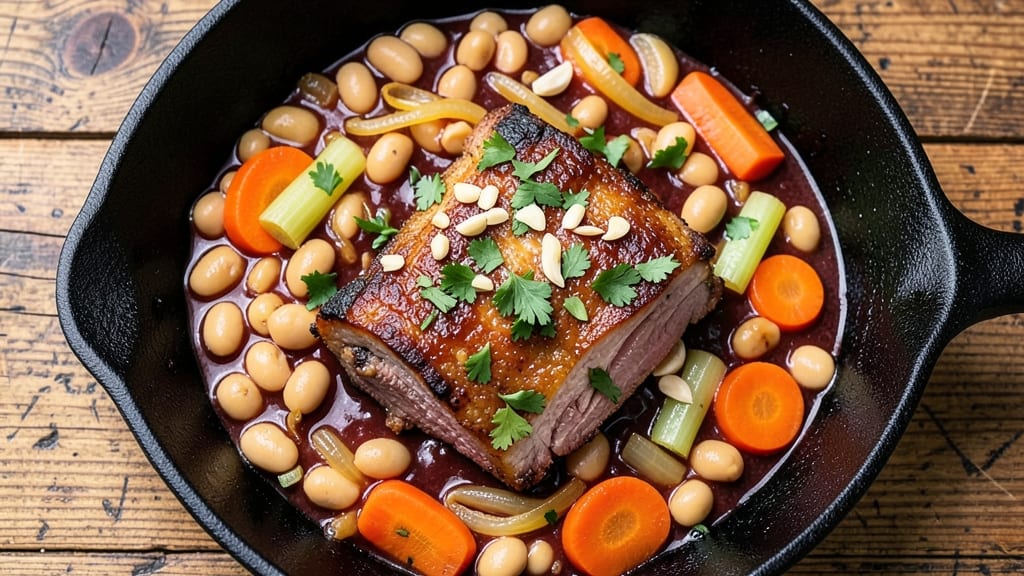
This butter beans and ham hock recipe delivers the kind of soul-warming comfort that transforms simple ingredients into a dish worthy of a Sunday dinner table.
The ham hock's slow simmer infuses the beans with deep, savory umami that builds with every hour, creating a rich broth that clings to each tender bean.
I first made this during a chilly autumn weekend when I wanted something hearty enough to stand up to crisp apple cider and crusty bread.
The secret lies in patience—letting the ham hock cook low and slow for at least 3 hours transforms tough connective tissue into melt-in-your-mouth richness. No shortcuts here: the collagen breaks down naturally, creating a sauce so flavorful it turns butter beans from ordinary to extraordinary.
This isn't just a side dish; it's a centerpiece that pairs beautifully with roasted meats or even on its own with a sprinkle of fresh parsley.
By the time you're done, you'll have a pot of velvety beans swimming in a golden-brown broth, their edges just tender enough to absorb every drop of that umami-rich ham hock essence.
The aroma alone will have your kitchen smelling like a traditional English pub, and the first bite delivers that perfect balance of smoky, salty, and earthy flavors. This is the kind of dish that tastes even better the next day—ideal for meal prep or feeding a crowd.
Serve it alongside roasted chicken, grilled sausages, or even as a filling for flaky pastry. The leftovers reheat beautifully, making this a foolproof recipe for busy weeknights or special occasions. Let's get cooking—your taste buds will thank you.
Ingredients for butter beans and ham hock
Simple pantry staples and one special ingredient make this hearty dish unforgettable.
| Ingredient | Amount | Notes |
|---|---|---|
| Butter Beans (Dried) 🌱 | 1 ½ cups | Rinsed before cooking |
| Ham Hock 🍖 | 2 whole | Smoked or unsmoked preferred |
| Onion (Yellow) 🧅 | 1 whole | Diced, medium size |
| Carrots 🥕 | 3 whole | Peeled, chopped into chunks |
| Celery Stalk 🥬 | 3 whole | Diced, fresh preferred |
| Garlic Cloves 🧄 | 4 cloves | Minced for depth |
| Tomato Paste 🍅 | ¼ cup | Squeeze tube works |
| Apple Cider Vinegar 🍎 | 2 tbsp | For brightness |
| Bay Leaves 🍃 | 2 whole | Dried, standard size |
| Thyme Sprigs 🌿 | 4 whole | Fresh or dried |
| Black Peppercorns 🌶️ | 1 tsp | Freshly cracked |
| Salt 🧂 | 2 tsp | Kosher or sea salt |
| Fresh Parsley 🌿 | ¼ cup | Chopped for garnish |
| Water 💧 | 8 cups | Enough to cover beans |
| Extra-Virgin Olive Oil 🫒 | 2 tbsp | For initial sautéing |
The ham hock is non-negotiable here—it's the soul of this dish. Look for smoked hocks at specialty butchers or the deli section—they often have them pre-ordered. If you can't find smoked, unsmoked works too, but the flavor will be slightly milder. I always grab mine from Whole Foods or my local butcher shop; their selection is fresher than the supermarket. The dried butter beans? No need to soak them overnight—just rinse and add to the pot. They'll soften beautifully during the long simmer. For the best flavor, use organic or heirloom varieties if you can find them—they hold up better to long cooking times.
No ham hock? Substitute with smoked turkey neck or pork shoulder, but increase cooking time by 30 minutes. Short on thyme? Dried thyme at one-third the amount works in a pinch, but fresh has that extra brightness. The apple cider vinegar can be swapped for red wine vinegar or even lemon juice, though the apple adds a lovely depth. If you're using pre-chopped vegetables from the store, rinse them well to remove excess moisture—it prevents the broth from getting watery. The tomato paste? Trader Joe's squeeze tubes are perfect for this recipe—they're convenient and last forever. No fresh parsley? Dried parsley at half the amount will do, but fresh is worth the extra minute to chop.
This dish tastes even better the next day—plan ahead and make a double batch. The ham hock broth keeps well in the fridge for up to 5 days and freezes beautifully for 3 months. I like to portion it into containers so I can grab it straight from the fridge for lunches. The beans will thicken as they cool, so add a splash of water or broth when reheating. Store the ham hock separately and shred it for sandwiches or add it back to the pot when reheating for extra richness.
Why You'll Love This Recipe
- One-Pot Magic: I swear by this recipe—just toss everything in one pot, simmer, and walk away. The ham hock melts into the beans, the carrots and celery soften just enough, and you’re left with a dish that tastes like it simmered all day (even though it didn’t).
- Deep Umami Bomb: That ham hock? It’s the star. The slow-cooked richness seeps into the butter beans, turning them into something dangerously addictive—salty, smoky, with just enough sweetness from the carrots. Honestly, I’ve had people ask for seconds before the plate even hits the table.
- Weeknight Workhorse: This is my go-to when I need something hearty but don’t want to slave over it. Serve it with crusty bread for a casual dinner, or pile it onto toast for a lazy Sunday brunch. (Yes, even on a Tuesday night.)
- Budget-Friendly Feast: Dried butter beans and a single ham hock stretch into meals for days—no waste, just flavor. I’ve fed a family of four for under $10, and the leftovers? Even better the next day, if you can resist eating it all in one sitting.
Step-by-step instructions for butter beans and ham hock
Here's how to transform simple ingredients into a deeply flavorful, slow-simmered masterpiece.
Prepare the Butter Beans and Vegetables
Begin by rinsing the 1.5 cups dried butter beans thoroughly under cold water to remove any debris. Soak them overnight in a large bowl with plenty of water—this reduces cooking time and ensures tender beans. I like to use a deep bowl and add enough water to cover the beans by about 2 inches.
While the beans soak, peel and chop the 3 whole carrots and 3 whole celery stalks into ½-inch chunks. Dice the 1 whole yellow onion into medium pieces—this size ensures they soften completely during the long simmer. Minced the 4 cloves garlic finely so they distribute flavor evenly throughout the dish. Keep all prepped vegetables in separate bowls until ready to use.
Build the Flavor Base in the Pot
Heat the 2 tablespoons extra-virgin olive oil in a large Dutch oven over medium heat. Add the diced onion and cook for 5 minutes until softened and translucent. Add the chopped carrots and celery, then cook for another 5 minutes until the vegetables begin to release their juices and take on color.
Stir in the minced garlic and cook for 30 seconds until fragrant—this prevents the garlic from burning while still releasing its full flavor. Add the 2 whole ham hocks to the pot and brown them lightly on all sides. This step develops deep, meaty flavors that will infuse the entire dish during the long simmer.
Combine and Simmer the Ingredients
Drain the soaked butter beans and add them to the Dutch oven along with the 8 cups water. Stir in the 0.25 cup tomato paste, 2 tablespoons apple cider vinegar, 2 whole bay leaves, 4 whole thyme sprigs, 1 teaspoon cracked black peppercorns, and 2 teaspoons salt. Bring everything to a gentle boil, then reduce heat to low and let it simmer uncovered for 1 hour. This initial simmer helps break down the ham hocks and soften the vegetables.
After 1 hour, check the beans for tenderness. They should be soft but not mushy. If they're still firm, continue simmering for another 30 minutes. The ham hocks should be falling off the bone at this point—this is when the real magic happens. Skim off any foam that rises to the surface to keep the broth clear.
Finish and Serve with Fresh Herbs
Once the beans are tender and the ham hocks are easily pulled apart, adjust the seasoning if needed. Taste the broth and add more salt or vinegar if it needs brightness. Remove the ham hocks from the pot and let them cool slightly before shredding the meat off the bones with two forks. Return the shredded meat to the pot and stir gently to combine.
Remove the 2 whole bay leaves and 4 whole thyme sprigs before serving. Ladle the butter beans and ham hock mixture into bowls and garnish each serving with ¼ cup chopped fresh parsley. The parsley adds a fresh contrast to the rich, umami flavors of the dish. Serve warm with crusty bread to soak up every last bit of the flavorful broth.
Pro Tips For Making Butter Beans And Ham Hock
- Soak Beans Overnight: I learned this the hard way—rushing the soak leads to tough, mealy beans. Use cold water, cover, and let dried butter beans sit for 12 hours minimum. No need to boil them afterward; they’ll soften perfectly in the slow simmer with the ham hock.
- Score the Ham Hock: Skip this, and you’ll miss out on flavor. Use a sharp knife to slice shallow cuts into the fatty edges of the ham hock—this renders the fat faster and infuses the beans with deeper, smokier richness. (Yes, even if it looks messy.)
- Sweat, Don’t Burn: After browning the ham, add onions, carrots, and celery. Cook them low and slow for 10 minutes until soft—not golden, not crispy, just translucent. High heat here means bitter flavors sneaking into your dish.
- Skim the Scum: The first 5 minutes of simmering will bring up foam and impurities from the ham and beans. Use a ladle to skim this off—it’s not just gross, it’s the stuff that makes your finished dish taste dull. (Your future self will notice.)
Common mistakes when making perfect results
Over-Simmering the Beans
I’ve ruined more batches than I’d like to admit by letting the beans simmer too long after they’re tender. Butter beans turn mushy when cooked beyond 2-3 hours total—they should be soft but still hold their shape.
Set a timer for 1 hour after the initial simmer, then check every 30 minutes. If they’re falling apart, remove them from the broth and set aside while you finish cooking the ham hock separately. 🍲
Skipping the Ham Hock Prep
Never underestimate the importance of browning the ham hock before simmering. Rushing this step means missing out on the deep, caramelized flavors that develop during the 5-10 minutes it takes to sear the meat. Use a Lodge cast iron Dutch oven for even heat distribution—it’s worth the investment.
If your ham hock is very large, cut it into smaller pieces before adding to the pot for more even cooking.
Ignoring the Vinegar
The 2 tablespoons apple cider vinegar isn’t just for acidity—it brightens the dish and balances the richness of the ham hock. Skipping it leaves the flavor flat and one-dimensional.
If you’re using red wine vinegar as a substitute, reduce to 1 tablespoon—it’s stronger and can overpower the delicate bean flavors. Add it with the tomato paste so it distributes evenly throughout the broth.
Not Skimming the Foam
During the first 30 minutes of simmering, a layer of foam will rise to the surface. Skim it off with a spoon—this prevents the broth from becoming cloudy and ensures a clear, glossy finish.
I use a fine-mesh ladle for this because it’s easier to control. If you miss this step, the foam will break down into the broth, making it look unappetizing and slightly bitter.
Overcrowding the Pot
Using a Dutch oven is ideal, but don’t overfill it. The beans and broth should have room to breathe—aim for no more than ¾ full when adding liquid. Overcrowding leads to uneven cooking and a watery broth.
If your pot is too small, cook the beans in batches or use a larger pot. The goal is a thick, velvety consistency, not a soup.
Rushing the Resting Time
After shredding the ham hock, let the meat rest in the broth for at least 15 minutes before serving. This allows the flavors to meld completely. I’ve seen people serve it immediately, and the results are always less rich.
If you’re short on time, at least let it sit for 10 minutes—you’ll notice the difference in depth of flavor. 💫
Nutrition facts
Frequently asked questions
Why does this recipe need to simmer for so long?
The extended 3+ hour simmer is what transforms tough ham hock into tender, flavorful meat while breaking down collagen for a rich broth. Butter beans also benefit from slow cooking—they develop that creamy texture without turning mushy. Think of it like a flavor infusion bath where every ingredient contributes layers of umami and sweetness.
Can I use canned butter beans instead of dried?
Yes, but with adjustments! Use 3 (15 oz) cans drained and rinsed, and reduce the water to 4 cups. Skip the overnight soak, and simmer for only 1.5-2 hours—canned beans are pre-cooked. The texture will be slightly softer but still delicious. Just add the beans with the ham hock after browning the vegetables.
What's the best way to store leftovers?
Cool the dish completely, then store in an airtight container for up to 5 days in the fridge. For longer storage, freeze portions for 3 months. Reheat gently on the stove with a splash of water or broth to restore the velvety texture. The flavors actually deepen overnight, making leftovers taste even better!
How can I make this vegetarian?
Replace the ham hock with 2 smoked tofu blocks (cut into chunks) or 1 lb mushrooms (like portobello) for umami. Add 1 tbsp soy sauce and 1 tsp smoked paprika to mimic the ham flavor. Simmer for 1.5 hours instead, as plant-based proteins cook faster. The beans will still be rich and satisfying!
Can I make this in an Instant Pot?
Sauté the veggies and ham hock as directed, then add all ingredients and cook on high pressure for 30 minutes. Let the pressure release naturally for 10 minutes, then finish with a 5-minute natural release. The beans will be tender, and the broth concentrated. Just add a splash of water if it's too thick. Quick but still packed with flavor!