
Sauces & Condiments
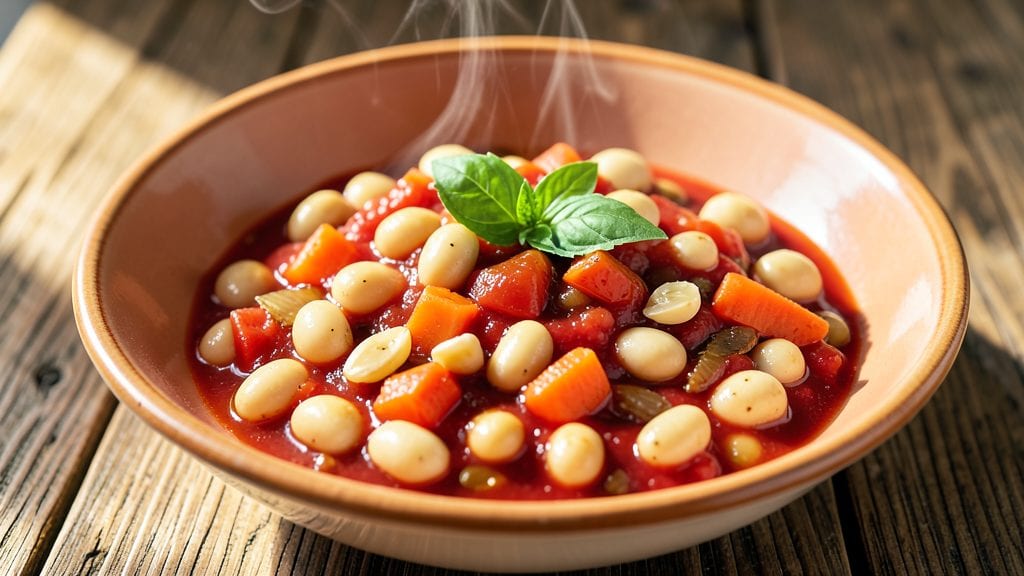
This canned beans in tomato sauce recipe turns pantry staples into a rich, savory Italian stew—no fancy skills or long prep required. This 30-minute recipe delivers rich, savory flavors with just a few pantry staples—no fancy ingredients needed.
The secret lies in balancing the natural sweetness of the tomato sauce with aromatic herbs and a touch of acidity, creating a dish that’s both comforting and elegant.
What makes this recipe truly versatile is its adaptability—serve it as a main dish with crusty bread, a side alongside grilled meats, or even a soup when thinned with broth.
The canned beans absorb the tomato sauce’s flavors beautifully, while optional toppings like grated cheese or fresh basil elevate it to new heights. It’s the kind of meal that feels indulgent yet remains effortless to prepare.
By the time you’re done, you’ll have a steaming bowl of hearty stew with tender beans swimming in a velvety tomato sauce, infused with garlic and herbs. The aroma alone will have everyone asking for seconds, proving that simple ingredients can create extraordinary results.
Let’s get cooking—this recipe is about to become a weeknight staple.
Whether you’re feeding a family or meal prepping for the week, this dish holds up perfectly. The flavors deepen as it sits, making it even more satisfying the next day. Pair it with your favorite bread or a sprinkle of parmesan for the ultimate comfort food experience.
Ingredients for canned beans in tomato sauce
Pantry staples transformed into a rich Italian-inspired stew with minimal effort.
| Ingredient | Amount | Notes |
|---|---|---|
| Canned White Beans 🥫 | 2 cups | Drained and rinsed thoroughly |
| Canned Diced Tomatoes 🍅 | 1 can | 28 oz, San Marzano preferred |
| Tomato Paste 🍅 | 2 tbsp | Squeeze tube or canned |
| Yellow Onion 🧅 | 1 whole | Medium, finely chopped |
| Carrots 🥕 | 2 medium | Corrected to: 1 cup, chopped finely |
| Garlic Cloves 🧄 | 4 cloves | Minced or finely chopped |
| Extra-Virgin Olive Oil 🫒 | 2 tbsp | For sautéing vegetables |
| Dried Oregano 🌿 | 1 tsp | Italian preferred |
| Dried Basil 🌿 | ½ tsp | Or 1 tbsp fresh basil |
| Salt 🧂 | 1 tsp | Kosher or sea salt |
| Black Pepper 🌶️ | ½ tsp | Freshly ground preferred |
| Vegetable Broth 💧 | 1 cup | Low-sodium preferred |
| Red Wine Vinegar 🍷 | 1 tbsp | For brightness |
| Parmesan Cheese 🧀 | ¼ cup | Freshly grated optional |
The canned beans are the heart of this dish, so choose high-quality brands like Libby's or Goya—they hold up best in sauces. San Marzano canned tomatoes elevate the flavor dramatically, but any good-quality diced tomatoes work in a pinch. The tomato paste adds depth, so don't skip it—Rao's squeeze tube is perfect for this recipe since it's mess-free and lasts for months. For the onions and carrots, freshly chopped is ideal, but pre-diced veggies from the store save time without sacrificing much flavor. The garlic should be freshly minced—jarred garlic just won't cut it here.
No San Marzano tomatoes? Any good-quality canned tomatoes will do—just look for ones with minimal additives. Short on red wine vinegar? Lemon juice works too, though it won't have the same depth. The dried herbs can be swapped for fresh at a 1:3 ratio—so 1 teaspoon dried equals about 3 tablespoons fresh. For extra richness, add 1 tablespoon of nutritional yeast along with the Parmesan. The vegetable broth can be substituted with water, though it'll be less flavorful. If you want to make this a soup, simply add 2 more cups of broth and simmer longer.
This stew tastes even better the next day as flavors meld together. Store in an airtight container in the fridge for up to 5 days. For freezing, portion into containers and it'll keep for 3 months. The Parmesan should be grated fresh before serving—pre-grated gets clumpy. To reheat, just warm on the stove with a splash of water or broth. The longer it simmers, the deeper the flavors become, so don't rush it.
Why You'll Love This Recipe
- Pantry Magic: I swear by this recipe when I’ve got nothing but beans, tomatoes, and a few basics. No fresh herbs? No problem—the canned tomatoes bring their own depth, and a pinch of sugar balances the acidity without extra effort.
- Caramelized Crunch: That onion and carrot base gets sweet and tender, almost jam-like, while the beans stay creamy. Honestly, the contrast is what makes it—simple, but it feels like a restaurant dish when it’s done right.
- Weeknight Workhorse: Double the batch on Sunday, and you’ve got lunch covered for days. It reheats perfectly, whether tossed with rice, stuffed in wraps, or just eaten straight from the pot with crusty bread.
- Budget-Friendly Feast: Between us, this recipe feeds four for under $3. The canned beans and tomatoes stretch forever, and you’re not sacrificing flavor—just look at the savings. My wallet thanks me every time.
Step-by-step instructions for canned beans in tomato sauce
A simple yet flavorful Italian-inspired stew that transforms basic pantry staples into a satisfying meal.
Sauté Onions and Carrots in Olive Oil
Heat the 2 tablespoons extra-virgin olive oil in a large pot over medium heat. Add the 1 whole yellow onion and 1 cup finely chopped carrots, stirring occasionally. Cook for 5-6 minutes until the onions become translucent and the carrots begin to soften slightly. You'll notice the onions release their natural sweetness and the carrots lose their bright orange crunch.
Here's where the foundation of flavor begins. Don't rush this step—properly softened vegetables prevent a grainy texture in the finished dish. If the onions start to brown too quickly, reduce the heat slightly to maintain even cooking.
Add Garlic, Tomato Paste, and Seasonings
Push the vegetables to one side of the pot and add the 4 cloves minced garlic to the empty space. Cook for 30 seconds until fragrant—this releases the garlic's full flavor potential. Stir in the 2 tablespoons tomato paste and cook for another 1 minute while continuing to stir constantly.
Add the 1 teaspoon dried oregano, 0.5 teaspoon dried basil, 1 teaspoon salt, and 0.5 teaspoon black pepper. Stir well to distribute the spices evenly throughout the tomato paste. This creates a flavorful base that will meld beautifully with the remaining ingredients. The mixture should smell rich and aromatic at this stage.
Incorporate Canned Tomatoes and Broth
Pour in the 1 can diced tomatoes (with juices) and 1 cup vegetable broth, stirring to combine everything. Bring the mixture to a gentle boil over medium-high heat, then immediately reduce to medium-low heat. Let it simmer uncovered for 10 minutes, stirring occasionally. This allows the flavors to meld and the sauce to thicken slightly.
You'll notice the sauce darken slightly as it simmers—this is normal and indicates the development of deeper flavors. If the sauce becomes too thick before the 10 minutes are up, add 1-2 tablespoons water to maintain the proper consistency.
Add Beans and Simmer Until Tender
Gently stir in the 2 cups drained and rinsed canned white beans. Add the 1 tablespoon red wine vinegar and continue simmering for 10-12 minutes until the beans are heated through and the sauce has thickened to your preferred consistency. The beans should be hot throughout, and the sauce should coat the back of a spoon.
Real talk: This is where many people make the mistake of overcooking. The beans are delicate and can become mushy if simmered too long. You're looking for heated-through beans that maintain their shape while absorbing the rich tomato sauce.
Finish with Parmesan and Adjust Seasoning
Remove the pot from heat and stir in the 0.25 cup grated parmesan cheese. Let the mixture sit for 2-3 minutes to allow the cheese to melt slightly and blend with the sauce. Taste and adjust seasoning if needed—add more salt if the dish tastes bland, or a splash more red wine vinegar if you want more acidity.
This final step elevates the dish from simple to restaurant-quality. The parmesan adds a salty, umami depth that balances the acidity of the tomatoes and vinegar. Serve immediately over crusty bread or with a side of polenta for a complete meal.
Pro Tips For Making Canned Beans In Tomato Sauce
- Sauté Onions Low and Slow: I learned this the hard way—blasting onions on high turns them bitter and burns the edges before they soften. Use medium heat and stir every 30 seconds until they’re translucent, not golden. Carrots take longer, so add them after the onions start to break down.
- Drain and Rinse Beans First: Skipping this step leaves your sauce watery and flavorless. Drain the canned beans, then rinse them under cold water to remove excess starch—it makes a real difference in texture. Pat them dry if you’re feeling fancy (yes, even if you’re impatient like me).
- Toast the Tomato Paste: Don’t just stir it in cold. Cook the tomato paste in the pot for 2-3 minutes on medium heat before adding liquids—this deepens the flavor and prevents a raw taste. It’s the thing that matters most when building layers of richness.
- Simmer, Don’t Boil: Let the sauce bubble gently for at least 15 minutes after everything’s combined. Boiling hard makes the beans mushy and the sauce thin. Keep it at a low simmer, stirring occasionally, until the flavors meld—your future self will notice the difference.
Serving suggestions for this recipe
Crusty Bread Pairing
This stew practically begs for a hunk of crusty Italian bread—I love using ciabatta or a sourdough baguette to soak up every last bit of that rich tomato sauce.
Toast the bread lightly first to give it structure, then serve it on the side or tear pieces directly into the bowl. For extra indulgence, rub the bread with a garlic clove before toasting. 🥖
Cheesy Toppings
Freshly grated Parmesan cheese is a must, but don’t stop there. A sprinkle of Pecorino Romano adds a sharper, saltier kick that cuts through the sweetness. For a creamy finish, stir in 1-2 tablespoons of ricotta cheese at the end—it melts beautifully into the sauce.
I also love adding mozzarella pearls (about ¼ cup) to the simmering stew in the last 5 minutes for stretchy, gooey pockets of melted cheese.
Fresh Herbs Finish
Brighten the dish with fresh basil or parsley right before serving. Tear 10-12 fresh basil leaves by hand (don’t chop!) and scatter them over the top for a pop of color and peppery freshness.
A sprinkle of chopped chives adds a mild onion note that pairs perfectly with the tomato sauce. Trust me, this simple step transforms the dish from homestyle to restaurant-worthy. 🌿
Protein Additions
While this dish is vegetarian-friendly, you can easily upgrade it with protein. Stir in ½ cup cooked crumbled feta for tanginess or ½ cup sautéed mushrooms (about 8 oz) for an earthy depth.
For a heartier meal, add ½ cup cooked Italian sausage (removed from casing) or diced grilled chicken in the last 5 minutes of cooking. The beans and sauce will cling to the protein beautifully. 🍗
Side Dish Ideas
This stew pairs wonderfully with creamy polenta or mashed potatoes—the smooth texture contrasts the chunky beans and veggies. For a lighter option, serve with roasted zucchini or a simple arugula salad tossed in lemon vinaigrette.
I also love adding garlic-roasted Brussels sprouts to the plate for a touch of bitterness that balances the richness. 🥦
Beverage Pairings
A crisp Italian white wine like Pinot Grigio or Vermentino complements the acidity of the tomato sauce perfectly. For a non-alcoholic option, sparkling water with a squeeze of lemon keeps the palate fresh.
If you’re serving this as a main dish, a light lager or Italian soda (like San Pellegrino Aranciata) adds a refreshing contrast to the hearty flavors. 🍷
Nutrition facts
Frequently asked questions
Can I use any type of canned beans in this recipe?
White beans (like cannellini or great northern) work best for this Italian-style stew, but you can substitute kidney beans or black beans for a different texture. Avoid overly soft beans like chickpeas—they won't hold up as well in the sauce. For extra richness, try a mix of white and dark beans.
How can I make this dish spicier?
Add ½ teaspoon red pepper flakes or 1-2 diced jalapeños when sautéing the onions. For smoky heat, stir in ½ teaspoon smoked paprika with the other spices. Always taste first—you can adjust later, but you can't remove added spice!
What if my tomato sauce is too acidic?
Balance the acidity by adding 1 teaspoon sugar or ½ teaspoon honey while simmering. A pinch of baking soda (just ⅛ teaspoon) can also neutralize excess acid—use sparingly! The red wine vinegar adds brightness, so if you skipped it, the sauce may taste flatter.
Can I make this recipe in an Instant Pot?
Yes! Sauté onions and carrots normally, then add all ingredients except Parmesan. Cook on High Pressure for 8 minutes, then quick-release. Stir in cheese at the end. The pressure cooker cuts time to 20 minutes total, but flavors may be slightly less developed than stovetop.
Why did my beans get mushy?
Overcooking is the most common cause—beans only need 10-12 minutes of simmering after adding them. If using dried beans instead of canned, soak them overnight first. Also, avoid high heat—keep the stew at a gentle simmer to prevent breaking down the beans.