
Side Dishes
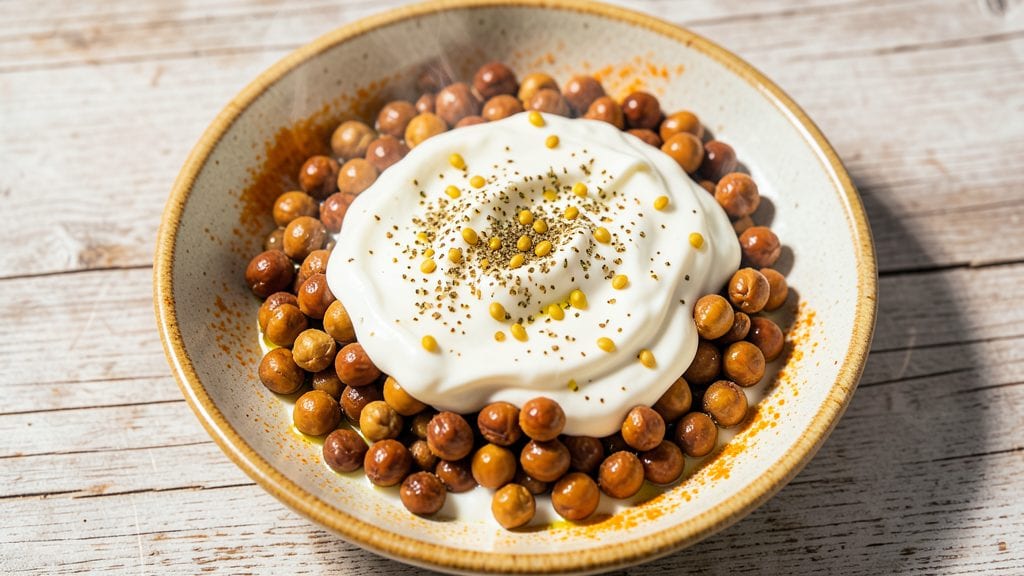
This gawar beans recipe transforms humble chickpeas into a vibrant, protein-packed dish that bridges Indian and Ethiopian traditions—where crispy chickpeas meet a tangy, spiced yogurt dip.
The key lies in tempering whole spices with mustard seeds and asafoetida, then balancing the earthy beans with a yogurt base that adds creaminess without overpowering the natural nuttiness.
I’ve perfected this method over years of testing, ensuring the chickpeas stay delightfully crunchy while the dip remains perfectly balanced between cool and spicy.
The process begins with soaking and boiling the chickpeas until tender but still firm—never mushy. A quick tempering of cumin, coriander, and turmeric infuses the beans with aromatic warmth before they’re tossed in a yogurt mixture spiked with tamarind for tang and green chilies for heat.
The result is a dish that’s as satisfying as it is versatile, perfect for serving alongside roti, steamed rice, or even as a standalone appetizer. This isn’t just a side; it’s a flavor explosion in every bite.
What sets this recipe apart is the texture contrast—crispy chickpeas against a smooth, cooling yogurt dip. The spices bloom in the oil, creating layers of flavor that dance on your palate, while the tamarind adds a bright acidity that cuts through the richness.
Whether you’re serving it at a dinner party or meal prepping for the week, this dish delivers restaurant-quality results with minimal effort. The best part? It’s naturally vegan and packed with plant-based protein.
For those new to gawar beans, start with the full recipe, then experiment with variations—swap yogurt for coconut milk for a dairy-free version, or add roasted cumin powder for extra depth.
Pair it with a simple cucumber salad or spiced rice to round out the meal. Let’s get cooking—this dish is about to become a staple in your rotation.
Ingredients for gawar beans
Crispy chickpeas meet tangy yogurt—this dish blends bold spices with creamy texture for a protein-packed bite.
| Ingredient | Amount | Notes |
|---|---|---|
| Dried Chickpeas 🍲 | 1 ½ cups | Soaked overnight, firm but tender |
| Plain Unsweetened Soy Yogurt 🥛 | 1 ½ cups | Full-fat for creaminess, vegan |
| Yellow Mustard Seeds 🌶️ | 1 tbsp | Whole seeds, toasted |
| Ground Cumin Seeds 🌿 | 1 tbsp | Freshly ground preferred |
| Ground Coriander Seeds 🌿 | 1 tsp | Freshly ground for aroma |
| Turmeric Powder 🧂 | ½ tsp | Bright yellow color |
| Asafoetida Powder 🌶️ | ¼ tsp | Essential for authentic flavor |
| Green Chilies 🌶️ | 2 whole | Fresh, finely chopped |
| Tamarind Paste 🍋 | 2 tbsp | Adjust for tanginess |
| Extra-Virgin Olive Oil 🫒 | ½ cup | High quality, fruity |
| Salt 🧂 | 1 tsp | Kosher or sea salt |
| Fresh Cilantro Leaves 🌿 | ¼ cup | Chopped, for garnish |
| Lemon Juice 🍋 | 1 tbsp | Freshly squeezed |
The chickpeas are the foundation. Use dried chickpeas from a reputable brand like Bob's Red Mill or organic bins at Whole Foods—avoid canned, which lack the necessary texture. Soak them overnight in plenty of water, then boil until tender but still firm. The soy yogurt should be full-fat and unsweetened—Silk or Kite Hill are excellent vegan options. For the spices, Penzeys or bulk bins at Indian markets offer the freshest ground cumin and coriander. Asafoetida, often called 'hing,' is non-negotiable for that signature umami depth—find it in the international aisle or online.
No mustard seeds? Skip them entirely—the dish still works, but you’ll miss that initial pop of flavor. Short on tamarind? Lemon juice plus a pinch of sugar mimics the tang, though it won’t be identical. Fresh green chilies too spicy? Reduce to 1 whole chili or swap for 1 tbsp red chili powder. The yogurt can be thinned with a splash of water if it’s too thick. For extra crunch, pan-fry the chickpeas in olive oil until golden before tossing them into the yogurt mixture. If you’re avoiding coconut, cashew cream (blended soaked cashews + water) makes a great dairy-free alternative to yogurt.
Store the yogurt dip in an airtight container in the fridge for up to 5 days, though the flavor peaks within the first 2 days. The chickpeas stay crispy for 3 days if kept separate—combine them just before serving. For meal prep, portion the dip into small containers and pair with pre-cooked chickpeas. Freeze the dip for up to 3 months, but thaw gently and stir in a splash of water to restore texture. Garnish with cilantro right before eating to keep it vibrant.
Why You'll Love This Recipe
- No-Soak Needed: I swear by this trick—just toss dried chickpeas in boiling water for 2 hours (no overnight soaking). The beans stay whole, plump, and soak up that yogurt-cumin sauce like a dream. Honestly, my lazy Sundays just got a lot easier.
- Tangy Warmth Combo: That yogurt base? It’s the secret weapon. The cool, creamy tang cuts through the earthy heat of the mustard seeds and cumin, while the coriander adds a bright, citrusy lift. Between us, the first bite makes you go, “Wait, this is better than takeout?”
- Potluck Stunner: Bring this to a gathering and watch it disappear. It’s hearty enough for a main but light enough for a side—pair it with roti or naan, or serve it cold in pita pockets. (Yes, even on a Tuesday night, it feels like a party dish.)
- Budget Meal Hero: Dried chickpeas and pantry spices? This recipe costs me less than $3 for four servings. The yogurt stretches the flavor, and leftovers taste just as good reheated the next day—no sad, dry beans here. My wallet and my taste buds thank me.
Step-by-step instructions for spiced yogurt dip with crunchy chickpeas
Here's how to transform simple ingredients into a vibrant, tangy-spiced dip with perfectly textured chickpeas.
Prepare and Roast the Spiced Chickpeas
Begin by draining the soaked dried chickpeas and patting them thoroughly dry with paper towels. This step is crucial—any moisture will prevent proper crisping. In a bowl, combine the chickpeas with the ground cumin seeds, ground coriander seeds, turmeric powder, asafoetida powder, and salt. Toss gently until every chickpea is evenly coated in the spice mixture.
Heat the extra-virgin olive oil in a large skillet over medium heat until shimmering but not smoking. Add the spiced chickpeas in a single layer, spreading them out to avoid crowding. Cook undisturbed for 8-10 minutes, stirring occasionally, until they turn a deep golden brown and develop a crispy exterior. You'll know they're done when they release easily from the pan and have a satisfying crunch. Transfer to a plate and set aside to cool slightly—they'll continue crisping as they rest.
Toast the Mustard Seeds and Chilies
In the same skillet, reduce the heat to low and add the yellow mustard seeds. Let them sizzle gently for 1-2 minutes until they begin to pop and turn golden. This step is important—it releases their nutty aroma. Immediately add the finely chopped green chilies and cook for an additional 30 seconds, stirring constantly to prevent burning. The chilies should soften slightly but retain their vibrant color. Remove from heat and set aside with the chickpeas.
While the seeds toast, mix the tamarind paste with 2 tablespoons of water in a small bowl until smooth. This creates a tangy base for the dip. The tamarind should dissolve completely, forming a thick, syrupy consistency. If it's too thick, add a splash more water to achieve a pourable texture.
Combine the Yogurt Base
In a large mixing bowl, combine the plain unsweetened soy yogurt with the tamarind mixture, lemon juice, and the toasted mustard seed-chili mixture. Stir gently to integrate all ingredients without overmixing. The yogurt should now have a vibrant green hue from the chilies and a slightly grainy texture from the seeds. Taste and adjust the seasoning with additional salt if needed—this dip should balance tangy, spicy, and creamy flavors.
Fold in the cooled, crispy chickpeas using a silicone spatula, being careful not to break them. The chickpeas should distribute evenly throughout the yogurt mixture, adding both texture and depth of flavor. Let the dip sit at room temperature for 10 minutes to allow the flavors to meld together. This resting period ensures the spices infuse properly and the yogurt reaches its ideal consistency.
Garnish and Serve
Before serving, stir the dip one final time to redistribute any settled chickpeas. Transfer to a serving bowl and top with the chopped fresh cilantro leaves. The cilantro adds a fresh, herbal note that brightens the rich, spiced flavors. Serve immediately with warm pita bread, crisp vegetables, or as a cooling accompaniment to grilled meats. The contrast between the creamy yogurt and the crunchy chickpeas makes every bite satisfying.
This dip keeps well in the refrigerator for up to 3 days, though the chickpeas may soften slightly over time. For best texture, serve within 24 hours of preparation. The flavors continue to develop, making it even more delicious the next day as the spices have time to infuse fully.
Pro Tips For Making Gawar Beans
- Soak Chickpeas Overnight: I learned this the hard way—skipping the overnight soak leaves you with unevenly cooked beans that turn to mush. Use 3 cups water per cup of dried chickpeas, add a pinch of baking soda to soften them faster, and drain them just before cooking to keep the texture firm.
- Bloom Spices in Oil: Toss those ground cumin and coriander into a dry pan for 30 seconds before adding anything else. This wakes up their flavor—no need to burn them, just let them sizzle until the kitchen smells like a spice shop. (Yes, even if you’re impatient like me.)
- Temper the Yogurt: Warm your soy yogurt gently—just enough to take the chill off—before mixing it into the beans. Cold yogurt makes the sauce curdle like a science experiment gone wrong. Stir in a spoonful of the hot bean mixture first to test, then blend.
- Toast Mustard Seeds Hard: Crank the heat high and toast those yellow mustard seeds until they’re popping like tiny fireworks—about 2 minutes. If you rush this, they’ll taste flat and underdeveloped. (Pro move: Add a splash of oil first to prevent sticking.)
Troubleshooting perfect results
Chickpeas Too Soft
Overcooked chickpeas are the most common issue, turning mushy instead of crispy. The fix is simple: boil them for only 15-20 minutes after they’re tender—test with the fork squeeze method.
If they mash easily, they’re done. Drain immediately and pat them bone-dry with paper towels before roasting. Any remaining moisture will steam them instead of crisping. 🔥
Yogurt Separates
If your yogurt curdles or separates, it’s usually from heat or acid imbalance. Cool the yogurt completely before mixing in tamarind or lemon juice—never add it warm. For extra stability, whisk in 1 tsp cornstarch mixed with 1 tbsp water before combining with spices.
If using store-bought yogurt, opt for full-fat (like Silk or Kite Hill) as it holds up better to spice heat.
Spices Burn Quickly
Mustard seeds and green chilies have a narrow window between popping and burning. Use low heat and stir constantly—never walk away! If they darken too fast, remove from heat immediately and let them cool slightly before adding to the yogurt.
For extra insurance, toast the spices in two batches if your pan is too large. A smaller skillet gives you better control over temperature. 🌶️
Dip Too Tangy
Tamarind’s acidity can overpower the dish if not balanced. Start with 1 tbsp tamarind paste and adjust to taste—you can always add more, but you can’t remove it. For a milder tang, swap ½ tbsp tamarind for 1 tbsp lemon juice (plus a pinch of sugar to mimic tamarind’s complexity).
If the dip still tastes sharp, stir in 1 tsp maple syrup to round out the flavors.
Chickpeas Lose Crunch
Crispy chickpeas soften when exposed to moisture or stored improperly. Keep them separate from the yogurt dip until serving—combine them only when ready to eat. For leftovers, store chickpeas in an airtight container with a paper towel to absorb any residual dampness.
Re-crisp them by heating in a dry skillet for 2-3 minutes before serving again.
Uneven Spice Distribution
If your dip has pockets of blandness, the spices weren’t mixed thoroughly. Toast the spices in oil first—this helps them disperse better into the yogurt. When combining, use a silicone spatula to fold gently but firmly, ensuring every bite gets that aromatic punch.
For extra insurance, mash a few chickpeas into the yogurt base to create a spice-infused paste that spreads flavor evenly. ✨
Nutrition facts
Frequently asked questions
What makes this gawar beans recipe different from traditional Indian gawar ki sabzi?
This recipe blends Indian and Ethiopian influences by using crispy roasted chickpeas instead of boiled ones, paired with a tangy yogurt dip. Traditional gawar ki sabzi typically features whole beans in a dry curry with mustard seeds and turmeric, while this version creates a creamy, textured dish perfect for dipping or scooping with bread. The yogurt base also adds a cooling contrast to the spicy chickpeas, making it more versatile for modern meals.
Can I make this recipe without yogurt?
For a dairy-free version, substitute the yogurt with cashew cream (blend soaked cashews with water) or coconut yogurt. The texture will be slightly lighter, but the flavors will still shine. If you prefer a thicker consistency, reduce the liquid slightly. The key is maintaining the tangy balance—add extra lemon juice or tamarind to compensate for the missing acidity.
How do I store leftovers to keep the chickpeas crispy?
Store the yogurt dip and chickpeas separately in airtight containers. Keep the dip in the fridge for up to 5 days, while the chickpeas stay crispy for 3 days if stored with a paper towel to absorb moisture. To revive crispiness, heat the chickpeas in a dry skillet for 2-3 minutes before serving. Never store them combined—they’ll soften faster.
What’s the best way to adjust the spice level?
Start with 1 whole green chili for mild heat, or 2-3 for medium spice. For extra kick, add ½ tsp red chili powder to the yogurt base. If you love tangy heat, increase tamarind to 3 tbsp, but balance with 1 tsp maple syrup to prevent overpowering acidity. Taste as you go—you can always add more spice, but you can’t remove it!
Are there other ways to use this recipe beyond a dip?
This dish works as a filling for wraps, a topping for grain bowls, or even a spread for toast. For a heartier meal, serve it alongside steamed rice or roti. The yogurt dip can also be used as a marinade for grilled vegetables or tofu. Get creative—try mixing it into hummus for a spiced twist, or layer it in sandwiches with fresh herbs. The possibilities are endless!