Side Dishes
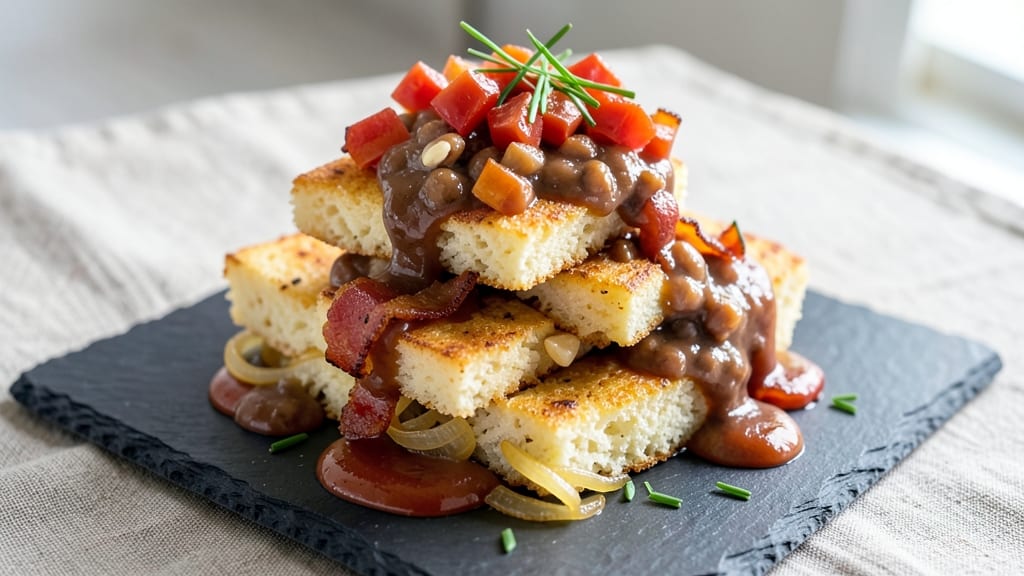
Gordon Ramsay's baked beans and potato cakes recipe delivers comfort food with restaurant-quality precision. The rich, slow-cooked beans meet golden, crispy potato cakes that balance savory and satisfying textures. I've perfected this dish for those nights when you crave hearty sides that stand on their own—no fuss, just flavor. 💛
The secret lies in two techniques: slow-cooking the beans until they're tender and rich, while achieving that signature crispy edge on the potato cakes through proper frying. Both components build flavor through simple ingredients—bacon fat for depth, fresh herbs for brightness, and careful seasoning to elevate everyday staples.
This is the kind of dish that transforms simple ingredients into something special.
What you'll end up with is a plate of velvety baked beans with smoky bacon bits and perfectly seasoned potato cakes that are crispy on the outside, tender inside.
The contrast between the creamy beans and the golden, savory cakes makes every bite satisfying. This recipe delivers professional-level results without requiring advanced skills—just attention to detail and patience.
Serve alongside grilled meats or as a standalone meal for a hearty, flavorful experience. The beans keep well for days, while the potato cakes are best enjoyed fresh and crispy. Let's get cooking—this dish is worth the effort for its bold flavors and comforting appeal.
Ingredients for gordon ramsay baked beans and potato cakes
Rich, smoky baked beans meet crispy potato cakes—this dish delivers restaurant-quality comfort with simple, elevated ingredients.
| Ingredient | Amount | Notes |
|---|---|---|
| Dried Navy Beans 🌱 | 1 ½ cups | Unsoaked, quality dried beans |
| Thick-Cut Bacon 🥓 | 8 oz | Smoked or applewood preferred |
| Yellow Onions 🧅 | 1 whole | Medium, finely chopped |
| Garlic Cloves 🧄 | 4 cloves | Fresh, minced |
| Tomato Paste 🍅 | ½ cup | High-quality, unsweetened |
| Ketchup 🍅 | ¼ cup | Heinz preferred for consistency |
| Brown Sugar 🍯 | ¼ cup | Light or dark, packed |
| Apple Cider Vinegar 🍎 | ¼ cup | Bragg preferred for depth |
| Mustard 🍯 | 1 tbsp | Dijon or yellow, smooth |
| Fresh Parsley 🌿 | ¼ cup | Chopped, for garnish |
| Russet Potatoes 🥔 | 2 lbs | Starchy, peeled and grated |
| All-Purpose Flour 🌾 | ½ cup | For coating potato cakes |
| Vegetable Oil 🫒 | 2 cups | For frying, high smoke point |
| Diamond Crystal Kosher Salt 🧂 | 1 ½ tsp | Adjust to taste |
| Ground Black Pepper 🌶️ | ½ tsp | Freshly ground |
The beans are where depth happens. Dried navy beans beat canned every time—they develop that velvety texture and rich flavor when slow-cooked. For bacon, thick-cut smoked or applewood adds the most flavor, but regular bacon works in a pinch. I always buy thick-cut bacon at Costco—it renders fat beautifully without turning greasy. The yellow onions should be sweet, not bitter, and garlic cloves should be fresh, not dried. For tomato paste, San Marzano is ideal, but any high-quality brand will do. The key is to avoid sweetened varieties—they’ll throw off the balance.
No thick-cut bacon? Regular bacon, chopped into smaller pieces works, but expect less fat for crisping. Fresh parsley wilting? Dried parsley at one-third the amount gets you close, though fresh is ideal. The mustard can be swapped for English mustard if you prefer a sharper bite. For the potato cakes, Russet potatoes are non-negotiable—they’re starchy enough to crisp properly. If you’re short on time, instant potato flakes can replace grated potatoes, but texture will be different. And for the oil, vegetable or canola oil is best—avoid olive oil, which burns too easily.
The beans keep beautifully for 5 days in the fridge, with flavor deepening over time. The potato cakes, however, are best served fresh and crispy—reheat in a 350°F oven for 5-10 minutes to restore crispiness. For meal prep, fry the potato cakes in batches and store them on a wire rack to keep them from getting soggy. The beans reheat well in a saucepan with a splash of water, while the potato cakes can be frozen for up to 1 month—just thaw and crisp in the oven before serving.
Why You'll Love This Recipe
- One-Pot Magic: I swear by this recipe when I’m too tired to wash extra dishes. The beans soak overnight, then everything—bacon, onions, garlic—cooks right in the same pot with the potatoes. Minimal cleanup, maximum satisfaction.
- Smoky-Sweet Crunch: That crispy bacon crumbles into the creamy beans like it’s been waiting its whole life to happen. The tomato paste deepens the flavor, and the garlic? Oh, it’s there—warm, punchy, and making every bite taste like a hug from a chef.
- Leftovers? No Problem: Between us, this dish tastes even better the next day. I’ll make a big batch on Sunday, and by Wednesday, it’s still the star of my lunch. The potato cakes hold up, the beans thicken just right, and honestly? It’s the easiest way to feed a crowd without stress.
- Budget Breakthrough: Dried navy beans are my secret weapon for stretching meals without sacrificing taste. Thick-cut bacon adds richness, but you don’t need much to make it feel special. It’s the kind of recipe that makes grocery day exciting because you know you’re getting real flavor for your money.
Step-by-step instructions for gordon Ramsay's baked beans and potato cakes
Master these two components simultaneously—rich, smoky beans and golden potato cakes—for a showstopping meal.
🔥 Step 1: Cook the Navy Beans Until Tender
Rinse the 1.5 cups dried navy beans thoroughly under cold water to remove any debris. In a large pot, combine the beans with 8 cups water (yes, that's a lot—it prevents splitting) and bring to a boil over high heat. Once boiling, reduce to a simmer and cook for 1.5 to 2 hours until the beans are fork-tender with no bite.
Here's the thing—don't skip the initial boil. This hardens the skins slightly, which helps them hold their shape during baking. Stir occasionally to prevent sticking, and add more water if needed to keep the beans submerged. You'll know they're done when they're soft but still hold their shape—overcooking turns them mushy.
🍳 Step 2: Render the Bacon and Build the Bean Sauce
While the beans cook, cut the 8 oz thick-cut bacon into ½-inch pieces and cook in a large Dutch oven over medium heat until crispy, about 10-12 minutes. Remove the bacon with a slotted spoon and set aside, leaving the fat in the pot.
In the bacon fat, add the 1 whole yellow onion, chopped, and cook for 5 minutes until softened. Add the 4 minced garlic cloves and cook for 30 seconds until fragrant—don't let it brown or it'll turn bitter. Stir in the 0.5 cup tomato paste, 0.25 cup ketchup, 0.25 cup brown sugar, 0.25 cup apple cider vinegar, and 1 tbsp mustard.
🥘 Step 3: Combine Beans and Simmer the Sauce
Drain the cooked navy beans and add them to the Dutch oven with the sauce. Stir well to combine, then add 1.5 tsp diamond crystal kosher salt and 0.5 tsp ground black pepper. Bring to a simmer over medium-low heat and cook for 20-25 minutes, stirring occasionally, until the sauce thickens slightly and coats the beans.
Taste and adjust seasoning—you might need a pinch more salt or a splash of vinegar to balance the sweetness. The beans should be tender with a glossy, rich sauce. Transfer the mixture to a baking dish and cover with foil. This is your base—keep it warm while you prepare the potato cakes.
👨🍳 Step 4: Prepare the Potato Cakes for Crispy Perfection
Peel and grate the 2 lbs russet potatoes using a box grater or food processor. Place the grated potatoes in a clean kitchen towel and squeeze out as much moisture as possible—this ensures crispy edges. Transfer the potatoes to a large bowl and mix in the 0.5 cup all-purpose flour.
Form the potato mixture into 8 equal cakes, about ½-inch thick. The key here is even thickness—this guarantees uniform cooking. Place them on a wire rack set over a baking sheet lined with paper towels to absorb any excess moisture. Let them rest for 10 minutes while you heat the oil.
🔥 Step 5: Fry the Potato Cakes Until Golden
Heat 2 cups vegetable oil in a deep skillet to 350°F—use a thermometer to monitor the temperature. Working in batches, carefully slide the potato cakes into the oil and fry for 3-4 minutes per side until they're golden brown and crispy. Drain on paper towels to remove excess oil.
Here's where it gets critical: don't overcrowd the pan or the oil temperature will drop, leading to greasy instead of crispy cakes. Keep the oil at 350°F between batches. Once fried, sprinkle with a pinch of diamond crystal kosher salt while still hot. Serve immediately alongside the baked beans, garnished with 0.25 cup chopped fresh parsley.
Pro Tips For Making Gordon Ramsay Baked Beans And Potato Cakes
- Soak Beans Overnight: I learned this the hard way—rushing the soak leads to tough, undercooked beans. Use 2 cups water per 1 cup dried navy beans, soak for 12+ hours, then drain. This guarantees they break down properly in the slow simmer, giving you that creamy texture Ramsay nails.
- Render Bacon Slow: Thick-cut bacon needs patience—cook it low and slow (225°F/110°C) until crispy, not rushed. Drained fat later adds richness to the beans, so don’t skip this step. Trust me, your beans will taste deeper if you do.
- Sear Onions Properly: Caramelize those onions until they’re dark golden, not just soft. High heat for 10–12 minutes, stirring often, so they add sweetness to the sauce. Ramsay’s recipe relies on this flavor base—don’t rush it.
- Crisp Potato Cakes: After shaping, let the potato cakes rest 5 minutes before frying—this keeps them intact. Use a mix of cold and hot oil (start medium, finish high) for a perfect crust. Skip this, and you’ll get soggy messes.
Make-ahead tips for gordon ramsay baked beans and potato cakes
Beans Prep Ahead
Start the beans the night before for maximum flavor development. After simmering for 1.5 hours, transfer the pot to the fridge uncovered—this prevents a skin from forming. Reheat gently the next day, adding ½ cup water to prevent drying out.
The beans will be even more tender and flavorful, with a deeper caramelized edge from the slow cooling. 💫
Potato Cake Prep
Prep the potato cakes in advance but fry them fresh for crispiness. Grate the potatoes and mix with flour, then store in an airtight container in the fridge for up to 24 hours.
Shape them just before frying—this prevents moisture loss. For meal prep, fry half the batch and store on a wire rack at room temperature for 4 hours before refrigerating in a single layer.
Freezer-Friendly Beans
Freeze the baked beans in 1-cup portions using silicone molds or ice cube trays for easy serving. Thaw overnight in the fridge, then reheat with 2 tbsp water per cup on the stovetop.
The texture remains intact, though the sauce may thicken slightly—stir in a splash of water if needed. Label with the date for up to 3 months of freezer storage.
Crispy Storage Hacks
Keep fried potato cakes crispy by storing them in a paper bag at room temperature for 2 hours before refrigerating. For longer storage, freeze them on a tray first to prevent sticking, then transfer to a freezer bag.
Reheat at 400°F for 5-7 minutes—the oven's dry heat restores crispiness better than the microwave. 🔥
Batch Cooking Tips
Double the potato cake batter and fry in batches to avoid oil temperature drops. Use a deep-fat thermometer to maintain 350°F—this ensures consistent results. For the beans, use a slow cooker on low for 6-8 hours to save active cooking time.
Just add the sauce ingredients at the 2-hour mark to prevent overcooking.
Serving Timeline
Plan your serving sequence: beans can sit at room temperature for 1 hour without quality loss, while potato cakes should be fried and served immediately. For a stress-free meal, fry half the cakes, keep them warm in a 200°F oven, and fry the second batch just before serving.
Garnish with parsley at the last minute to keep it vibrant. ⏰
Nutrition facts
Frequently asked questions
Can I use canned beans instead of dried for the baked beans?
While you can use canned beans in a pinch, dried beans develop that signature rich, velvety texture that canned versions can't match. For best results, stick with dried navy beans and simmer them for 1.5-2 hours until fork-tender. If you must use canned, opt for high-quality, low-sodium beans and add an extra 15 minutes of simmering to blend flavors.
How do I keep the potato cakes from falling apart when frying?
Proper moisture control is key! Grate the potatoes and squeeze out every drop of liquid using a clean kitchen towel before mixing with flour. Form the cakes with gentle hands and let them rest for 10 minutes before frying. Also, maintain the oil at 350°F—any lower and they'll absorb too much oil and become greasy.
Can I make the potato cakes ahead of time?
Yes, but fry them fresh for maximum crispiness. Prep the grated potato mixture up to 24 hours ahead and store in an airtight container. Shape the cakes just before frying. For leftovers, reheat fried cakes at 400°F for 5-7 minutes to restore crispiness. Store them in a paper bag to maintain texture.
What's the best way to reheat the baked beans?
Gently reheat the beans on the stovetop with 2 tbsp water per cup to prevent drying out. Stir frequently over low heat until warmed through. Microwaving works in a pinch, but the sauce may separate. For best texture, reheat only what you need—beans keep well in the fridge for 5 days.
Can I make this dish vegetarian?
Replace the bacon with smoked paprika and liquid smoke (½ tsp each) for depth, and use vegetable oil instead of bacon fat. For extra richness, stir in 1 tbsp maple syrup or 1 tbsp soy sauce to complement the sweet-savory balance. The potato cakes remain unchanged and will still be delicious.