Side Dishes
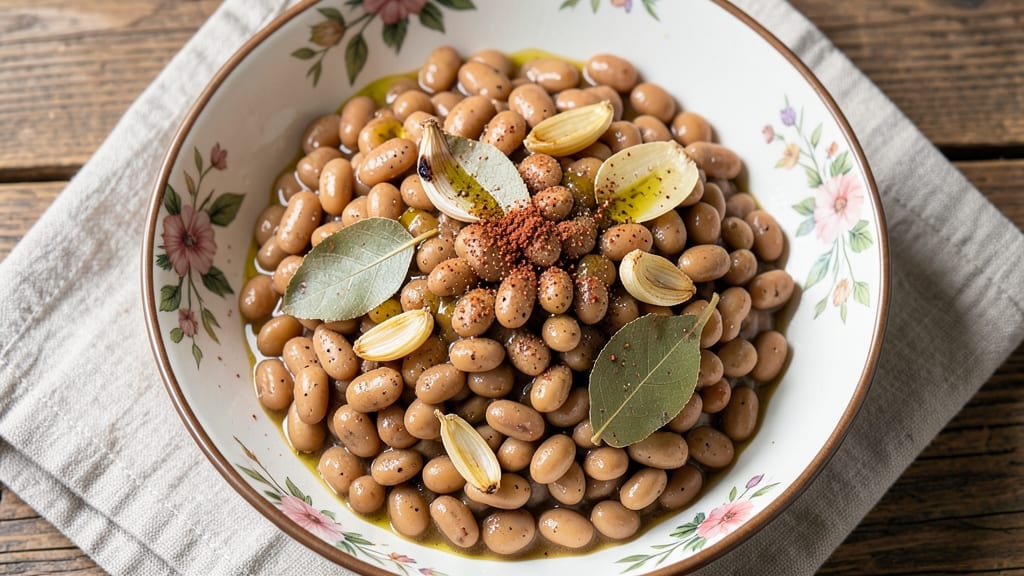
This smoky-spiced one-pot great northern beans recipe transforms humble ingredients into a hearty, restaurant-worthy side that pairs perfectly with grilled meats or crusty bread.
The secret lies in slow-simmered spices and a touch of smokiness that elevates every bite—something I perfected during late-night kitchen experiments while teaching my daughter the same techniques my Sicilian grandmother used. The result is a dish that feels both comforting and sophisticated, all while keeping prep simple.
What makes this recipe stand out is the one-pot method, which means minimal cleanup and maximum flavor development. By combining dried beans with aromatic spices, garlic, and a splash of broth, you create a rich, velvety texture that’s tender yet substantial.
The smoky paprika and bay leaves infuse the beans with deep, earthy notes, while a hint of vinegar brightens the dish without overpowering it. It’s the kind of recipe that tastes even better the next day, making it ideal for meal prep or holiday gatherings.
By the time you’re done, you’ll have a pot of golden-brown, smoky-spiced beans that are impossibly tender yet hold their shape—no mushy texture here.
The aroma alone will have everyone at the table asking what’s for dinner, and the flavor balance is just right: savory, slightly sweet, with a subtle tang that keeps it interesting.
This isn’t just a side dish; it’s a centerpiece that brings people together, just like the meals my grandmother used to make.
Serve it alongside roasted chicken, pork chops, or even as a standalone dish with crusty bread for dipping. The versatility of this recipe means it works for weeknight dinners or festive occasions, proving that great northern beans don’t have to be boring.
Let’s get cooking—your table is about to get an upgrade.
Ingredients for great" northern beans
Pantry staples plus a few key spices—this one-pot magic transforms humble beans into restaurant-worthy richness.
| Ingredient | Amount | Notes |
|---|---|---|
| Great Northern Beans (Dried) 🍲 | 1 ½ cups | Rinsed before cooking |
| Garlic Cloves 🧄 | 4 cloves | Minced for aromatic base |
| Smoked Paprika 🌶️ | 1 tbsp | For authentic smoky depth |
| Bay Leaves 🌿 | 2 whole | Fresh or dried preferred |
| Ground Cumin 🌿 | ½ tsp | Toasted for richer flavor |
| Onion Powder 🧅 | ½ tsp | Or fresh onion for brightness |
| Low-Sodium Chicken Broth 🍲 | 3 cups | Homemade or quality store-bought |
| Red Wine Vinegar 🍷 | 1 tbsp | Brightens without overpowering |
| Olive Oil 🫒 | 2 tbsp | Extra-virgin for richness |
| Salt 🧂 | 1 tsp | Adjust to taste |
| Black Pepper 🌶️ | ½ tsp | Freshly ground preferred |
| Fresh Parsley 🌿 | ¼ cup | Chopped for garnish (optional) |
| Honey 🍯 | 1 tsp | Balances acidity |
The smoked paprika is non-negotiable here—it’s what gives those deep, campfire notes that make this dish taste like a family secret. Penzeys or Trader Joe’s have great options, but even the regular grocery store stuff works if it’s labeled 'smoked'. Fresh bay leaves add a subtle floral note, but dried is fine if that’s what you’ve got (just double the amount). For the beans, Great Northerns are ideal—they hold their shape beautifully, but navy beans work too. I always rinse mine before cooking to remove any dust or debris, which helps them cook more evenly. The garlic? Fresh is best, but if you’re in a pinch, garlic powder at half the amount will do in a bind.
No smoked paprika? Substitute with a mix of regular paprika and a pinch of liquid smoke—it’s not the same, but close. Running low on bay leaves? Dried thyme at half the amount gives a similar earthy depth. The red wine vinegar can be swapped for apple cider vinegar, though it’ll have a slightly sweeter tang. If you’re avoiding honey, a pinch of sugar works just as well. For the broth, low-sodium is key—you’ll be adding salt later, and you don’t want to overdo it. The olive oil might seem like a small amount, but trust me, it helps emulsify everything and keeps the beans from getting too dry as they simmer.
This dish tastes even better the next day—honestly, the flavors meld into something magical. Store leftovers in an airtight container in the fridge for up to 5 days, or freeze for 3 months. I like to portion mine into individual containers so I can grab a serving straight from the fridge for lunch. The beans will firm up a bit when reheated, but a splash of water or broth brings them back to life. If you’re prepping for a crowd, double the recipe—it’s that easy, and you’ll have leftovers for days.
Why You'll Love This Recipe
- No-Soaking Needed: I’ll admit, I used to dread the soak. But these beans? Just a quick rinse, then simmer—no waiting, no fuss. Toss them in cold water, add the cumin and bay leaves, and let the magic happen while you chop an onion or stir a pot of rice.
- Smoky Depth in Minutes: That smoked paprika and garlic? It’s the secret weapon. One teaspoon of paprika turns these beans from basic to ridiculously good—earthy, warm, with just a hint of fire. Honestly, I’ve made this with canned beans before, but dried? The texture and flavor are in a whole other league.
- Weeknight to Potluck Hero: I keep a batch in the fridge for lazy nights—toss with toasted bread for a quick sandwich, or bulk it up with rice and roasted veggies for a potluck. The cumin and bay leaves give it a cozy, restaurant-worthy vibe without trying too hard.
- Budget Meal That Feeds: A pound of dried beans costs pennies, and this recipe stretches for days. Double the batch, freeze half, and you’ve got a pantry staple that’s cheaper than takeout but way more satisfying. (Yes, even on a Tuesday night.)
Step-by-step instructions for smoky-spiced great northern beans
Here's how to create rich, flavorful beans with minimal effort in one pot.
Soak and Prepare the Beans
Place the 1.5 cups great northern beans in a large bowl and cover them with plenty of cold water—about 4 inches above the beans. Let them soak for at least 8 hours or overnight. This step ensures they cook evenly and become tender without splitting. Drain and rinse them thoroughly before cooking, then set them aside.
While the beans soak, prepare your spices. In a small bowl, mix together the 1 tablespoon smoked paprika, 0.5 teaspoon ground cumin, and 0.5 teaspoon onion powder. This blend will give your beans that authentic, smoky depth that makes them stand out. Keep this mixture handy for the next step.
Sauté Aromatics in Olive Oil
Heat the 2 tablespoons olive oil in your one-pot over medium heat until shimmering. Add the 4 minced garlic cloves and sauté for 1-2 minutes until fragrant—you'll know it's ready when the kitchen smells like fresh garlic. Be careful not to let it brown, as burned garlic can make the dish bitter.
Stir in the spice mixture you prepared earlier and cook for another 30 seconds, just until the spices are toasted and aromatic. This step builds the flavor foundation for your beans. Add the 2 whole bay leaves and let them warm through for 10 seconds—they'll infuse subtle earthy notes into the dish.
Simmer the Beans with Broth
Add the drained beans to the pot along with the 3 cups low-sodium chicken broth. Bring everything to a gentle boil, then immediately reduce the heat to low. The liquid should just barely bubble at the edges—this prevents the beans from becoming mushy. Cover the pot and let it simmer for 45 minutes.
After 45 minutes, check for doneness by tasting a bean. It should be tender but still hold its shape with a slight bite. If needed, continue simmering for another 10-15 minutes. The beans are ready when they're completely tender but not falling apart. This is where patience pays off—rushing will give you mealy beans.
Finish with Acid and Sweetness
Once the beans are tender, stir in the 1 tablespoon red wine vinegar and 1 teaspoon honey. The vinegar brightens the dish while the honey balances the acidity and adds subtle sweetness. Let the mixture simmer uncovered for 5 minutes to allow the flavors to meld together. You'll notice the liquid reduce slightly, intensifying the bean flavor.
Taste and adjust seasoning with the 1 teaspoon salt and 0.5 teaspoon black pepper. The beans should be well-seasoned but not overly salty. Remove the bay leaves before serving—you don't want them in your final dish, but they've done their job infusing flavor.
Garnish and Serve
Spoon the beans into serving bowls and garnish with the 0.25 cup chopped fresh parsley. The parsley adds a fresh contrast to the rich, smoky beans. Serve immediately while hot, or let them cool slightly if you prefer a more temperate temperature. These beans pair beautifully with crusty bread, grilled meats, or over rice for a complete meal.
Real talk: this one-pot method makes cleanup a breeze while delivering restaurant-quality flavor. The beans will keep well in the fridge for up to 5 days, making them perfect for meal prep. Just reheat gently with a splash of water or broth to restore their texture.
Pro Tips For Making Great" Northern Beans
- SOAK BEANS OVERNIGHT: DESCRIPTION: I learned this the hard way—rushing the soak with dried Great Northerns leads to tough, uneven beans. Dump them in cold water with a pinch of salt the night before, then drain and rinse. The longer they soak, the faster they cook, and the creamier the texture. (Yes, even if you’re impatient like me, trust the process.)
- CRUSH GARLIC WITH SALT: DESCRIPTION: Skip mincing garlic cloves—crush them with a pinch of salt first. This releases more flavor and prevents them from burning in the pot. I used to add whole cloves and wonder why the dish tasted flat; now I get that rich, garlicky depth without bitterness.
- SIMMER LOW AND COVERED: DESCRIPTION: After the initial boil, drop the heat to a gentle simmer and keep the lid on. I was skeptical until I tried it—this locks in moisture and lets the smoked paprika and cumin infuse evenly. Check the water level every 30 minutes; you’ll need to add a splash if it evaporates.
- TOAST THE SPICES FIRST: DESCRIPTION: Dry-toast the ground cumin and smoked paprika in a small pan for 30 seconds until fragrant. This step makes a real difference—it deepens their flavor and prevents them from tasting raw. Add them to the beans with the bay leaves once the liquid is hot, not cold. (Your future self will taste the difference.)
Troubleshooting your great northern beans
Mushy Beans Fix
If your beans turn out mushy, it’s usually from overcooking or too much liquid. I’ve ruined a batch or two by not checking doneness early enough—always taste-test after 45 minutes.
If they’re still firm, keep simmering in small batches of broth (add just ¼ cup at a time) until tender. Never add cold water mid-cook, or you’ll shock the beans and make them split. 🌡️
For extra insurance, use a large, heavy pot (like a Dutch oven) to prevent overheating. If your beans are already mushy, drain most of the liquid, mash them slightly with a fork, and stir in 1 tbsp cornstarch mixed with 2 tbsp cold water.
Simmer for 2 minutes to thicken. It’s not perfect, but it’ll salvage the dish.
Underseasoned Beans
Beans often need more salt than you’d think—especially if you used low-sodium broth. Taste as you go! If they’re bland, add salt in ¼ tsp increments while simmering. For depth, stir in ½ tsp soy sauce or a pinch of MSG (it’s just umami in a bottle).
My Nonna always kept a tiny jar of Accent seasoning on her stove for this exact reason. 🧂
If the beans taste flat, boost flavor with a splash of red wine vinegar (even if you already used it) or a pinch of smoked salt. A handful of chopped parsley or cilantro at the end adds freshness.
Pro tip: Toast the spices in the oil for 30 seconds longer—they’ll release more aroma and flavor.
Split or Broken Beans
Great Northerns split when overcooked or soaked too long. To prevent this, soak for no more than 8 hours (overnight is fine). Drain and rinse them thoroughly before cooking to remove any skin softeners.
If you’re short on time, use a pressure cooker (like an Instant Pot) on high pressure for 30 minutes—they’ll stay intact. 🍲
If your beans are already split, blend half with broth until smooth, then stir back in. This creates a creamy texture while keeping some whole beans for texture. For a rustic look, strain the beans through a sieve after cooking to remove skins—just don’t overdo it, or you’ll lose flavor.
Bitter or Off-Flavor
Bitterness usually means burned garlic or overcooked spices. Sauté garlic over medium-low heat—it should smell sweet, not sharp. If your beans taste bitter, balance it with 1 tsp honey or 1 tbsp maple syrup.
A pinch of baking soda (just ⅛ tsp) can neutralize bitterness, but use sparingly—it’s an emergency fix, not a seasoning.
If the broth tastes metallic, your pot might be reacting with the acid. Use stainless steel or enamel-coated pots (like Le Creuset) instead of aluminum or nonstick. For extra insurance, add a splash of lemon juice at the end—it brightens flavors and masks any off-notes. 💡
Liquid Too Thin
If your beans are swimming in broth, simmer uncovered for 5-10 minutes to reduce the liquid. For a quicker fix, stir in 1 tbsp cornstarch mixed with 2 tbsp cold water and simmer for 2 minutes.
If you’re serving them as a side, let them cool slightly—they’ll thicken as they sit. For a heartier texture, mash a few beans with a fork to release starch. 🥄
To prevent this next time, use just enough broth to cover the beans by 1 inch. If you’re making this ahead, refrigerate it uncovered for 30 minutes before storing—this helps evaporate excess liquid.
For a thicker consistency, add ½ cup diced tomatoes or roasted red peppers while simmering—they’ll absorb liquid and add depth.
Nutrition facts
Frequently asked questions
Can I use canned beans instead of dried for this recipe?
While canned beans save time, they won’t give you the same rich texture or depth of flavor. For best results, stick with dried Great Northerns—soaking overnight transforms them into tender, hearty beans that absorb all those smoky spices beautifully. If you’re in a hurry, use canned navy beans (they’re similar in size) and simmer them with the spices for 20 minutes to let flavors meld.
How do I make these beans vegetarian?
Swap the chicken broth for 3 cups vegetable broth and add 1 teaspoon soy sauce or ½ teaspoon liquid smoke for depth. For extra umami, stir in 1 tablespoon tomato paste with the spices during sautéing. The smoky paprika and cumin will still shine, giving you a satisfying, meaty flavor without any animal products.
Can I make this recipe in a slow cooker?
Combine all ingredients (except parsley) in your slow cooker and cook on low for 6-7 hours or high for 3-4 hours. The long cook time makes the beans extra tender and lets the flavors develop even deeper. Add the vinegar and honey in the last 30 minutes of cooking to preserve their brightness. If the liquid gets too thin, remove the lid for the final hour to reduce it.
Why do my beans taste bland even after seasoning?
Beans often need more salt than expected—especially with low-sodium broth. Taste as you go and add salt in ¼ teaspoon increments. For extra depth, toast the spices in the oil for 30 extra seconds to release more aroma. A splash of red wine vinegar or pinch of smoked salt at the end can also wake up flavors. My Nonna always kept a tiny jar of Accent seasoning on her stove for this exact reason!
How can I repurpose leftovers?
These beans taste even better the next day! Mash half with a fork and mix with mayo or Greek yogurt for a creamy bean dip, or blend with broth for a hearty bean soup. For breakfast, top toast with beans, a fried egg, and hot sauce. They also freeze beautifully—portion into containers with a splash of broth, then reheat gently with extra liquid to restore texture.