
Side Dishes
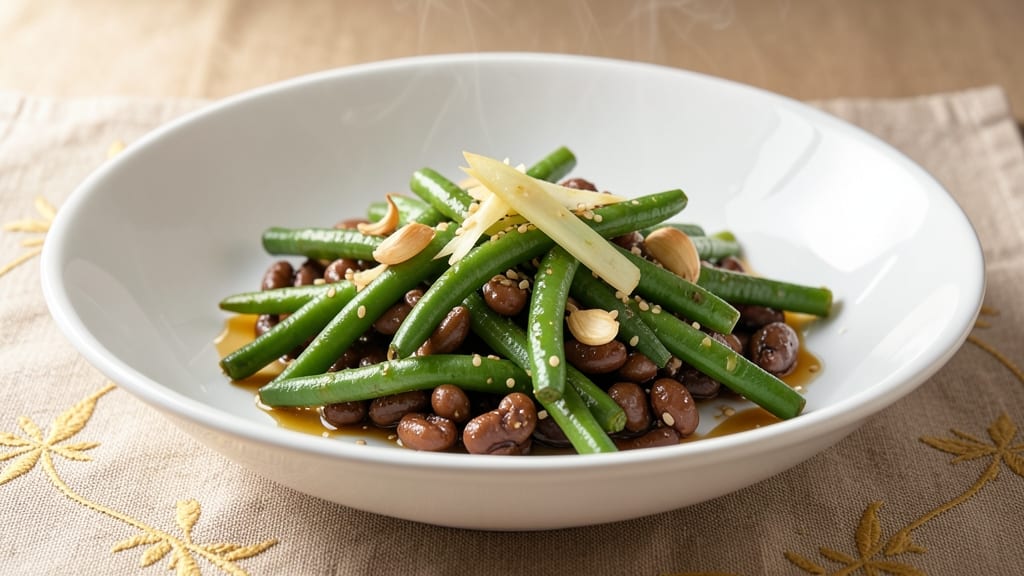
This green beans with fermented black beans recipe transforms a simple vegetable into a restaurant-worthy side dish packed with umami depth and satisfying crunch. The secret lies in balancing the salty tang of fermented black beans with fresh green beans—creating a dish that’s both bold and refreshing.
I developed this recipe after discovering how fermented black beans elevate everyday vegetables, turning them into something extraordinary in just 20 minutes of active prep.
The process is straightforward: blanch the green beans for crisp-tender perfection, then stir-fry with garlic and ginger to build flavor. Fermented black beans add a complex, savory punch that cuts through the green beans’ natural bitterness, while a splash of rice vinegar brightens the dish.
This method works with store-bought fermented black beans (look for the dark, salty, slightly tangy variety in Asian markets) or homemade—either way, the result is a side dish that steals the show.
What you’ll end up with is a crisp, vibrant plate of green beans glistening with fermented black beans, their edges slightly charred from the pan. The texture is crunchy yet tender, while the flavors are salty, tangy, and umami-rich—perfect for balancing richer main dishes.
Serve it alongside steamed rice, grilled chicken, or tofu for a complete meal that’s both nutritious and deeply satisfying.
This recipe is vegetarian, gluten-free, and adaptable—swap in snap peas or bok choy for variety, or adjust the heat with a dash of chili flakes. The fermented black beans’ probiotic benefits make this dish not just delicious, but good for you too. Let’s get cooking!
Ingredients for green beans with fermented black beans
Balancing umami-rich fermented black beans with crisp green beans creates this restaurant-quality side dish.
| Ingredient | Amount | Notes |
|---|---|---|
| Fresh Green Beans 🥦 | 1 ½ lb | Trimmed and cut into 2-inch pieces |
| Fermented Black Beans 🫘 | ½ cup | Rinsed and drained, dark variety |
| Garlic Cloves 🧄 | 4 cloves | Minced for aromatic depth |
| Fresh Ginger 🌿 | 1 tbsp | Finely grated, organic preferred |
| Rice Vinegar 🍶 | 2 tbsp | Seasoned variety for brightness |
| Sesame Oil 🫒 | 1 tbsp | Toasted for nutty aroma |
| Vegetable Oil 🫒 | 2 tbsp | High smoke point preferred |
| Soy Sauce 🍶 | 1 tbsp | Low-sodium preferred |
| Sesame Seeds 🌰 | 1 tbsp | Toasted for garnish |
| Red Chili Flakes 🌶️ | ½ tsp | Adjust for heat preference |
| Salt 🧂 | ½ tsp | Diamond Crystal preferred |
| Black Pepper 🌶️ | ¼ tsp | Freshly ground for heat |
Fermented black beans are the flavor anchor here. Asian markets carry the best quality—look for dark, salty, slightly tangy varieties in jars or bags. Trader Joe's also stocks a reliable brand. Fresh ginger should be vibrant and firm; organic varieties often have thicker skins, making them easier to grate. The green beans should be crisp—avoid anything rubbery or yellowing. For a shortcut, pre-trimmed green beans from the produce section save time without sacrificing quality. The garlic and ginger should be freshly minced just before cooking to maximize their aromatic compounds.
No fermented black beans? Substitute 0.5 cup of well-seasoned soy sauce mixed with 1 tbsp of black vinegar for a similar umami punch, though the texture will differ. Out of sesame oil? Toasted peanut oil works in a pinch, though the flavor profile shifts slightly. For a milder heat, reduce the chili flakes to 1/4 tsp or omit entirely. The soy sauce can be swapped for tamari if gluten-free is a concern. Fresh ginger can be substituted with 1/2 tsp of ground ginger, though freshly grated delivers superior depth of flavor. When rinsing the fermented black beans, pat them dry before adding to the pan to prevent splattering.
Store any leftovers in an airtight container in the refrigerator for up to 3 days. The dish reheats beautifully—simply warm in a skillet over medium heat with a splash of water to maintain crispness. For meal prep, blanch the green beans ahead of time and store separately; toss with the sauce just before serving. The fermented black beans can be prepped in advance and kept in the fridge for up to 2 weeks, though their flavor intensifies over time. Freezing isn't recommended for fermented beans, as it alters their texture. This dish pairs exceptionally well with steamed jasmine rice or grilled tofu, making it a versatile addition to any meal.
Why You'll Love This Recipe
- Five-Ingredient Magic: I swear by this recipe when I’m too tired to overthink dinner. Trim the green beans—no need to peel or anything—and toss them in the same pan with the fermented black beans, garlic, and ginger. That’s it. The vinegar ties it all together while you’re still scrolling through your phone.
- Umami Bomb: Between us, fermented black beans are the secret weapon here. They bring this funky, deep flavor that cuts through the green beans’ freshness like a knife. One sniff of that garlic-ginger sizzle, and I’m already imagining the first bite—bright, tangy, with just enough heat to wake you up.
- Lunchbox Hero: This dish keeps like a champ. Pack it in containers for work lunches, and it’ll still taste fresh days later. Honestly, I’ve even sent it in my kid’s lunchbox—she calls it “the grown-up snack” because it’s not just “veggies.” (Yes, even on a Tuesday night.)
- Budget Win: Fermented black beans stretch a dollar further than you’d think. A little goes a long way, and since the rest of the ingredients are pantry staples, this is my go-to when I’m trying to feed the family without breaking the bank. Plus, the leftovers? Still delicious reheated or cold.
Step-by-step instructions for green beans with fermented black beans
This vibrant dish delivers bold umami flavor and satisfying texture in just 20 minutes—here's how to execute it perfectly.
Blanch the Fresh Green Beans
Fill a large pot with water and bring to a rolling boil. Add the 1.5 lb fresh green beans (previously trimmed and cut into 2-inch pieces) and cook for exactly 3 minutes. You'll know they're done when they're bright green and tender-crisp—they should still offer slight resistance when pierced with a fork.
Immediately drain the beans in a colander and rinse under cold water to stop the cooking process. This blanching step preserves their vibrant color and crisp texture while preparing them for the flavorful marinade. Keep the beans in the colander while you prepare the remaining ingredients.
Prepare the Fermented Black Bean Marinade
In a medium bowl, combine the 0.5 cup fermented black beans (rinsed and drained), the 4 minced garlic cloves, the 1 tbsp finely grated fresh ginger, the 1 tbsp soy sauce, the 0.5 tsp salt, the 0.25 tsp black pepper, and the 0.5 tsp red chili flakes. Use a fork to mash the black beans slightly, creating a chunky paste that will cling to the green beans.
This marinade is the heart of the dish—where the fermented black beans contribute their signature tangy, funky depth. The garlic and ginger add aromatic complexity while the chili flakes introduce subtle heat. Mix thoroughly to ensure even distribution of all flavors throughout the marinade.
Heat the Oils and Combine Ingredients
Heat the 2 tbsp vegetable oil in a large skillet over medium-high heat until shimmering. Add the green beans and stir to coat them evenly with the oil. Cook for 2 minutes, allowing the beans to develop a slight sheen from the oil while maintaining their bright green color.
Pour the black bean marinade over the green beans and toss gently to combine. Add the 2 tbsp rice vinegar and 1 tbsp sesame oil, immediately stirring to distribute these bright, nutty elements throughout the mixture. The vinegar will help balance the richness of the fermented beans while enhancing their natural tang.
Finish and Garnish
Continue cooking for an additional 3-4 minutes over medium heat, stirring occasionally, until the green beans are heated through and the marinade has reduced slightly to coat them evenly. You'll notice the beans developing a glossy sheen from the sesame oil and the aroma becoming more intense as flavors meld together.
Remove the skillet from heat and sprinkle the 1 tbsp toasted sesame seeds evenly over the top. These seeds add both visual contrast and a delightful nutty crunch that complements the tender-crisp texture of the green beans. Serve immediately while the beans are still vibrant and the flavors are at their peak intensity.
Pro Tips For Making Green Beans With Fermented Black Beans
- Trim and Blanch First: Cut the green beans into even 2-inch pieces—no need for perfection, just consistency—and blanch them for 2 minutes in boiling water before stir-frying. I learned this the hard way: skipping the blanch means tough, rubbery beans that refuse to soften, no matter how long you cook them.
- Rinse Fermented Black Beans: Give those fermented black beans a quick rinse under cold water before adding them to the pan. The brine can make the dish too salty or muddy the flavors—especially if you’re using a strong brand like douchi. Two seconds in the sink saves you from overcorrecting with vinegar later.
- Sear the Garlic Fast: Mince the garlic thin (almost like paste) and cook it in the wok on high heat for no more than 10 seconds. Burnt garlic ruins the dish faster than you can say “oops,” and this recipe doesn’t need smoky overtones—just a bright, sharp punch.
- Add Vinegar Last: Toss in the rice vinegar right at the end, after everything else is off the heat. If you add it too early, the acid will turn the green beans limp and dull the fermented black beans’ funky depth. A splash at the finish keeps the crunch and balances the flavors perfectly.
Common mistakes when making your green beans with fermented black beans
Overcooking Green Beans
One of the biggest mistakes is overcooking the green beans during blanching or stir-frying. When blanching, exceeding 3 minutes turns them mushy instead of crisp-tender. I’ve ruined perfectly good green beans by letting them sit in boiling water too long—always use a timer!
For stir-frying, keep heat at medium-high and cook for only 2-4 minutes total after adding the marinade. Overcooking destroys their vibrant texture and makes them limp. 🥦
Skipping the Rinsing Step
Fermented black beans are intensely salty and tangy, so rinsing them before using is essential. I once forgot this step and ended up with a dish that was overwhelmingly salty. Rinse them under cold water for 30 seconds and pat them dry to remove excess moisture.
This also prevents splattering when cooking. If you’re using store-bought fermented black beans, check the label—some brands are saltier than others.
Using Low-Quality Fermented Beans
Not all fermented black beans are created equal. Cheap or poorly fermented varieties can taste bitter or overly sour, ruining the dish. I recommend using dark, salty-sweet fermented black beans from Asian markets or trusted brands like Lee Kum Kee.
If you can’t find them, soak dried black beans in saltwater for 3-5 days to ferment them at home. The flavor difference is night and day! 🫘
Ignoring the Blanch-and-Chill Step
Blanching green beans and immediately shocking them in ice water is crucial for maintaining their bright green color and crisp texture. Skipping this step leads to dull, limp beans. I’ve made this mistake when rushing, and the results were disappointing.
After blanching, transfer the beans to an ice bath for 1 minute to halt cooking. This prep step is worth the extra effort—your dish will look and taste restaurant-quality. ❄️
Overcrowding the Pan
When stir-frying, overcrowding the pan causes steam buildup, which makes the green beans soggy instead of crisp. I’ve learned to cook in two batches if needed, using a 12-inch skillet for this recipe.
This ensures the beans get proper searing and develop that beautiful caramelized edge. A lightly crowded pan also allows for better heat distribution, so the beans cook evenly. 🔥
Neglecting Fresh Ingredients
Using old or wilted green beans or stale garlic and ginger can ruin the dish’s freshness. I’ve noticed a huge difference when I use freshly grated ginger and recently minced garlic compared to pre-minced or dried versions.
For the best results, buy green beans that are still slightly firm and bright green. If they’re yellowing or rubbery, skip them—they won’t hold up to the cooking process. 🌿
Nutrition facts
Frequently asked questions
Can I use frozen green beans instead of fresh?
Yes, but with adjustments. Thaw frozen green beans first and pat them completely dry before cooking to prevent excess moisture. Since frozen beans are already blanched, skip the initial blanching step and proceed directly to stir-frying. They'll be slightly softer than fresh, but still delicious with the fermented black beans' bold flavors.
How do I make fermented black beans at home?
Start with 1 cup dried black beans soaked overnight, then simmer for 1 hour until tender. Drain, rinse, and pack into a clean jar with 2% saltwater solution>. Ferment at room temperature for 3-5 days, then refrigerate. The beans should develop a tangy, funky aroma—this is normal! Use within 2 weeks for best flavor.
What's the best way to store leftovers?
Transfer leftovers to an airtight container and refrigerate for up to 3 days. For reheating, warm in a skillet over medium heat with a splash of water to maintain crispness. The fermented black beans' flavors actually deepen when stored, making leftovers taste even more complex! For longer storage, freeze only the cooked green beans (without sauce) for up to 2 months.
Can I make this dish spicier?
For extra heat, add 1 tsp of chili crisp or 1 sliced Thai chili> to the stir-fry. For a smoky kick, sprinkle in 1/2 tsp smoked paprika> with the sesame seeds. If you love fermented black beans' natural spice, try Sichuan-style fermented black beans>—they're much hotter than regular varieties. Adjust to taste!
What other vegetables pair well with this recipe?
This dish works beautifully with bok choy, snap peas, or shredded cabbage>. For a heartier version, add thinly sliced mushrooms> or jicama> to the stir-fry. The fermented black beans' umami flavor complements all these vegetables' natural sweetness. Try swapping half the green beans for asparagus> in spring for a seasonal twist.