
Side Dishes
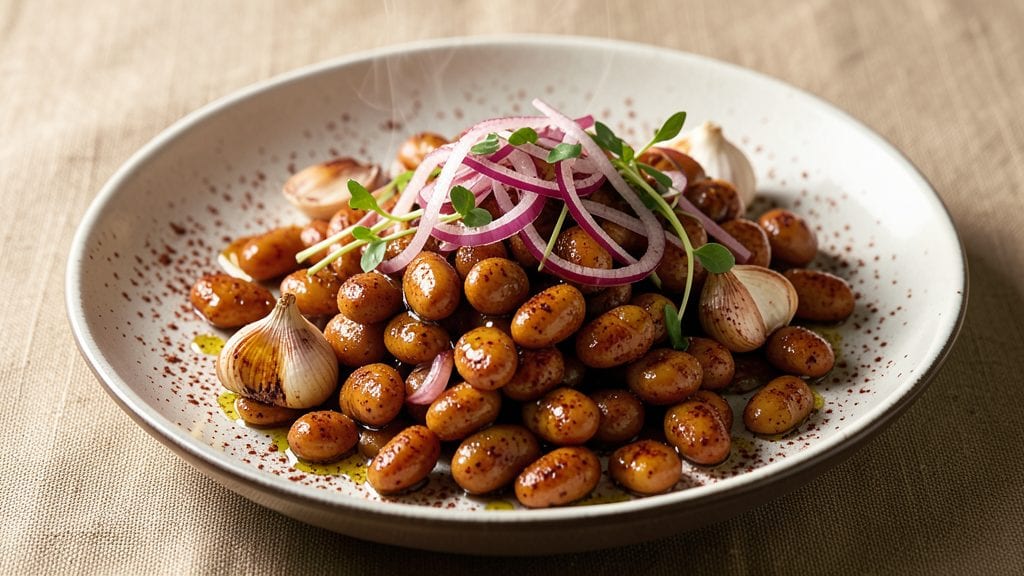
This lupin beans recipe transforms humble legumes into a crispy-edged, protein-packed side that rivals restaurant-quality dishes—without the fuss. 🌟 Lupin beans, often overlooked, pack a nutritional punch with 25 grams of protein per cup, making them a standout for plant-based diets while delivering that satisfying crunch we all crave.
The secret lies in high-heat roasting, which caramelizes their natural sweetness while creating those irresistible crispy edges.
What makes this recipe special is its versatility—these earthy, nutty beans adapt effortlessly to curries, salads, or even as a standalone side. I developed this method after discovering how lupins hold their shape during roasting, unlike other legumes that turn mushy.
The result? A dish that’s foolproof, packed with fiber, and ready in under 40 minutes, proving plant-based meals can be both nutritious and indulgent.
By the time you’re done, you’ll have a golden-brown, crispy-edged lupin bean dish that’s rich in flavor and texture—think of it as a cross between roasted chickpeas and a hearty stew.
The beans develop a satisfying crunch while staying tender inside, and the earthy aroma will fill your kitchen with warmth. This is the kind of side that turns simple meals into showstoppers.
Pair it with a fresh salad for a complete vegan plate, or serve alongside grilled vegetables for a protein-rich, fiber-loaded meal. The best part? Leftovers reheat beautifully, making this recipe perfect for meal prep. Let’s get cooking!
Ingredients for lupin beans
Six simple ingredients transform lupin beans into a crispy, protein-rich side dish that's restaurant-worthy.
| Ingredient | Amount | Notes |
|---|---|---|
| Dry Lupin Beans 🌱 | 1 ½ cups | Rinsed thoroughly before roasting |
| Extra-Virgin Olive Oil 🫒 | 2 tbsp | High-quality, fruity variety |
| Smoked Paprika 🌶️ | 1 tbsp | For smoky depth and color |
| Garlic Powder 🧄 | 1 tsp | Freshly ground preferred |
| Onion Powder 🧅 | 1 tsp | Adds subtle sweetness |
| Ground Cumin 🌿 | ½ tsp | Toasted for enhanced aroma |
| Sea Salt 🧂 | 1 ½ tsp | Diamond Crystal preferred |
| Black Pepper 🌶️ | ½ tsp | Freshly cracked for best flavor |
| Fresh Rosemary 🌿 | 1 tbsp | Finely chopped, stems removed |
| Lemon Zest 🍋 | 1 tsp | Brightens the earthy flavors |
| Water 💧 | 2 cups | For initial soaking |
Lupin beans are the star here, and freshness matters. Look for them in the bulk section at Whole Foods or Sprouts, where they're often sold in sealed bags for optimal freshness. The beans should be plump and free of any off smells—if they've been sitting too long, they'll lose their crispy potential. I usually grab mine from Nuts.com when I'm stocking up, as they offer organic varieties with consistent quality. The key is to use dry beans—soaked or canned lupins won't develop that satisfying crunch. For the spices, Penzeys bulk bins are my go-to for maximum flavor, but the regular grocery store spices work fine if they're not ancient. Fresh rosemary makes all the difference—dried just won't cut it here.
No smoked paprika? Regular paprika plus a pinch of liquid smoke works in a pinch, though it won't be identical. Short on rosemary? Fresh thyme at half the amount gives a similar earthy note, though it's not quite the same. The lemon zest might seem optional, but it's what cuts through the earthiness and makes the dish sing. No zest? Fresh lemon juice at 1 tbsp is the next best thing. For the olive oil, don't skimp—California extra-virgin has the best balance of peppery bite and smooth finish. The beans need to be thoroughly rinsed before roasting to remove any dust or debris that could prevent crisping. If you can't find lupin beans locally, check online specialty stores—they're becoming more widely available as plant-based proteins gain popularity.
These crispy lupin beans reheat beautifully—just toss them in a dry skillet over medium heat for 2-3 minutes until warmed through. They keep their crunch for about 3 days in an airtight container at room temperature, though I usually eat them within 24 hours for maximum crispiness. For longer storage, freeze them in a single layer on a tray first, then transfer to a bag. They'll stay crispy for up to 2 months this way. Portion them into small containers for easy snacking or meal prep—perfect for adding protein to salads, bowls, or even tacos. The flavor actually improves slightly after roasting, so don't be afraid to make extra.
Why You'll Love This Recipe
- No-Soaking Needed: I’ll be real—soaking beans used to stress me out. These lupin beans? Just a quick rinse and they’re ready. Toss them in boiling water for 20 minutes, and you’ve saved yourself a sink full of soggy towels.
- Smoky Depth Magic: That smoked paprika and garlic powder combo? It’s the secret weapon. The beans absorb the oil and spices until they’re crispy on the edges with a warm, almost charred flavor—like a cross between a roasted chickpea and a smoky stew.
- Meal Prep MVP: Between us, this is my go-to for lunches. Cook a big batch on Sunday, and you’ve got protein-packed sides for salads, wraps, or even tossed with pasta. They stay fresh in the fridge for days, no weird texture shifts.
- Budget-Friendly Powerhouse: A pound of dry lupin beans costs less than half the price of canned chickpeas, and they yield more. Honestly, I’ve made this recipe three times in a row for my college-age kids—cheap, filling, and they never complain about the taste.
Step-by-step instructions for earthy lupin beans with crispy edges
Here's how to transform humble lupin beans into a restaurant-worthy side with irresistible texture.
👨🍳 Step 1: Soak and Rinse the Lupin Beans
Start by rinsing the 1.5 cups dry lupin beans thoroughly under cold water in a fine-mesh strainer. This removes any dust and prepackaged starch that can make them gummy later. Transfer the rinsed beans to a medium bowl and cover with the 2 cups water—they'll need about 8 hours of soaking at room temperature.
I like to soak them overnight in the fridge for even better texture, but if you're short on time, use the 8-hour minimum. The beans should double in size and feel tender when pressed between your fingers. Drain them well before proceeding—excess moisture prevents crispy edges later.
🔥 Step 2: Roast for Maximum Crispiness
Preheat your oven to 425°F with a rack positioned in the middle. Spread the drained lupin beans in a single layer on a parchment-lined baking sheet, leaving about ½ inch between each bean. This spacing is crucial—it prevents steaming and ensures crispy edges.
Roast for 25-30 minutes, stirring once halfway through, until the edges turn deep golden brown and the beans smell nutty and toasted. You're aiming for that perfect balance between tender centers and crispy exteriors. If they brown too quickly, reduce the temperature to 400°F for the second half.
🍳 Step 3: Build the Flavor Base
While the beans roast, heat the 2 tablespoons extra-virgin olive oil in a large skillet over medium heat. Add the 1 tablespoon smoked paprika, 1 teaspoon garlic powder, 1 teaspoon onion powder, ½ teaspoon ground cumin, 1½ teaspoons sea salt, and ½ teaspoon black pepper. Stir constantly for 30 seconds until fragrant—this is where all the magic happens.
The spices should smell warm and inviting, with the smoked paprika releasing its deep, earthy aroma. If you notice any burning, reduce the heat immediately. This spice blend is the soul of your dish—don't rush it.
🥘 Step 4: Combine and Finish with Fresh Herbs
Transfer the roasted lupin beans to the skillet with the spice mixture. Toss gently to coat them evenly in the fragrant oil and spices. Cook for 2-3 minutes on medium heat, stirring occasionally, until the beans are heated through and the spices adhere completely.
Remove from heat and stir in the 1 tablespoon finely chopped fresh rosemary and 1 teaspoon lemon zest. The rosemary adds a piney freshness that cuts through the earthy lupin flavor, while the lemon zest brightens everything up. Let the mixture sit for 1 minute to let the aromas meld together—this is when the dish truly comes alive.
⏰ Step 5: Rest and Serve for Perfect Texture
Transfer the lupin beans to a serving dish and let them rest for 5 minutes before serving. This resting period allows the flavors to settle and the crispy edges to maintain their texture. The beans should be warm, aromatic, and packed with that perfect contrast between tender centers and crispy exteriors.
Serve immediately as a side dish with grilled meats, roasted vegetables, or over salads. The combination of smoky spices, bright lemon, and crispy edges makes these lupin beans a standout protein-rich side that will impress anyone at your table.
Pro Tips For Making Lupin Beans
- SOAK THEM TWICE: Lupin beans are stubborn little things—soak them overnight, then drain and rinse again before cooking. I learned this the hard way when I skipped the second rinse and ended up with a pot of gummy, undercooked beans. Fresh water only, no shortcuts.
- TOAST THE DRY BEANS: Before adding liquid, dry-toast the lupins in olive oil over medium heat for 5–7 minutes until they smell nutty and slightly golden. This builds flavor and cuts down on cooking time—skipping it leaves them bland and mealy.
- DON’T SKIP THE SIMMER: Once water covers the beans, bring to a boil once, then drop to a gentle simmer. Lupins need patience—boiling too hard makes them split or turn mushy. A 45-minute simmer (not a rolling boil) guarantees tender but intact beans.
- UPGRADE THE OIL: Use extra-virgin olive oil for toasting and finishing, not just any oil. The peppery depth pairs perfectly with smoked paprika, and it won’t overpower the lupins’ natural earthiness. (Yes, even if you’re tempted to grab the cheap bottle.)
Serving suggestions for this recipe
Salad Pairings
These crispy lupin beans shine in fresh salads, especially those with bright, acidic elements. Toss them with a mixed greens salad (like baby spinach, arugula, and romaine) and top with cherry tomatoes, cucumber slices, and a zesty lemon-tahini dressing.
The crunch of the beans contrasts beautifully with the soft greens, while the dressing ties everything together. 🥗
For a heartier option, try a Mediterranean-inspired bowl with chopped kalamata olives, red onion, and crumbled feta cheese (or vegan feta). The smoky paprika in the beans complements the briny olives perfectly, creating a flavor profile that feels both familiar and exciting.
Grilled Protein Pairings
Pair these lupin beans with grilled proteins like portobello mushrooms, tofu, or chicken breast for a balanced plate. The crispy edges of the beans hold up well against juicy grilled meats, and the earthy flavors complement smoky or herb-marinated proteins.
Serve with a side of grilled asparagus for a complete, restaurant-worthy meal.
For a fully plant-based spread, grill extra-firm tofu marinated in soy sauce and garlic, then plate alongside the lupin beans and a bed of quinoa or farro. The beans add a satisfying crunch that elevates the dish without overpowering the other flavors.
Warm Bowl Toppers
Use these lupin beans as a topping for warm bowls like buddha bowls or grain salads. Sprinkle them over warm couscous or farro mixed with roasted vegetables, avocado, and a tahini-lemon dressing. The beans add a protein boost and a satisfying crunch that keeps every bite interesting.
For a cozy winter dish, serve them over mashed sweet potatoes with a drizzle of maple glaze and toasted pecans. The sweetness of the potatoes balances the earthy, smoky flavors of the beans, creating a dish that feels both comforting and nutritious. ✨
Taco and Wrap Fillings
Crispy lupin beans make an excellent taco or wrap filling, especially in vegan or vegetarian tacos. Warm corn tortillas and fill them with the beans, sautéed bell peppers, red cabbage slaw, and a creamy cashew sour cream.
The beans hold their shape well, making them a sturdy base for your taco filling.
For a wrap, spread hummus or avocado mash on a large tortilla, then layer with the beans, shredded carrots, and a sprinkle of sesame seeds. Roll tightly and slice in half for a portable, protein-packed meal that’s perfect for lunch or a quick dinner.
Nutrition facts
Frequently asked questions
Can I use canned lupin beans instead of dry?
While canned lupins are convenient, they won't achieve the same crispy texture as dry beans. For best results, stick with dry lupin beans and follow the soaking instructions. If you must use canned, drain them thoroughly, pat dry with paper towels, and roast at 400°F for 20-25 minutes, stirring frequently to prevent burning.
How do I store leftover lupin beans?
Keep them crispy for up to 3 days in an airtight container at room temperature. For longer storage, freeze them in a single layer on a tray first, then transfer to a bag. They'll stay crispy for up to 2 months this way. Reheat in a dry skillet over medium heat for 2-3 minutes until warmed through.
What's the best way to substitute if I can't find lupin beans?
Try chickpeas or white beans as substitutes, but expect a slightly different texture. For the closest match, use fava beans—they have a similar earthy flavor. Adjust the roasting time to 30-35 minutes and reduce the oven temperature to 400°F to prevent burning.
Why did my lupin beans turn mushy instead of crispy?
This usually happens from excess moisture during roasting. Make sure to drain the beans thoroughly after soaking and spread them in a single layer with space between each. Also, avoid overcrowding the baking sheet—this prevents proper air circulation and leads to steaming instead of crisping.
Are lupin beans safe for people with common allergies?
Lupin beans are not related to common allergens like peanuts or soy, but they are a legume. If you have a severe legume allergy, consult your doctor before consuming. They're naturally gluten-free and high in protein, making them a great option for many dietary restrictions.