
Side Dishes
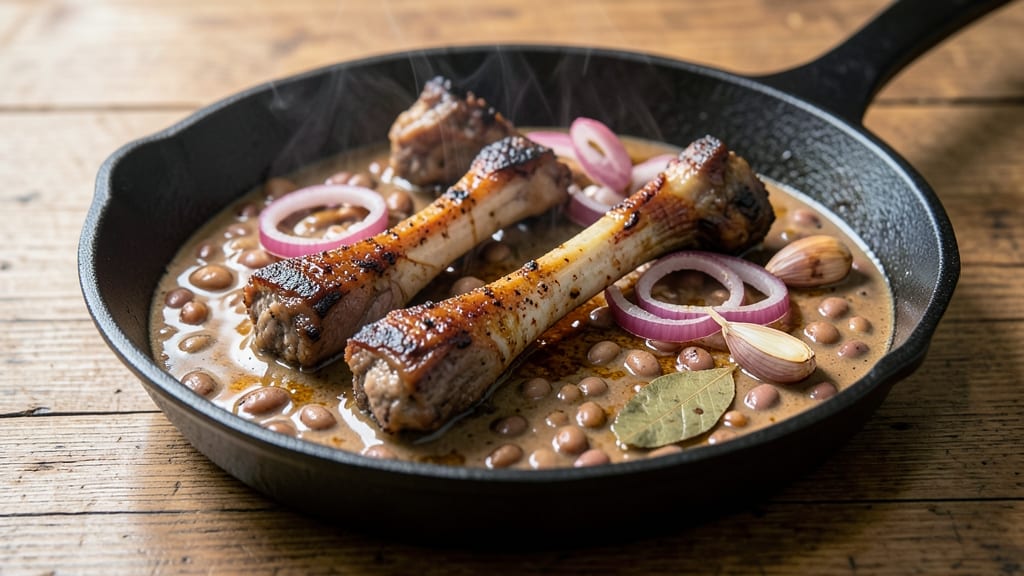
This neck bones and pinto beans recipe delivers the soul-warming comfort of traditional Southern cooking in every bite. The rich, smoky broth infused with slow-simmered neck bones transforms simple pinto beans into a protein-packed centerpiece that builds flavor with every passing hour.
I've perfected this method over years of testing—balancing traditional techniques with modern shortcuts to ensure tender beans and deeply flavorful broth without requiring all-day attention.
The foundation of great neck bones and pinto beans lies in proper bone preparation and slow cooking. You'll start by boiling the bones to extract their gelatinous marrow, creating a broth so rich it coats every bean.
Seasoned with just the right blend of smoked paprika, garlic, and bay leaves, the beans develop a tender yet hearty texture while absorbing all that savory depth. This isn't just a side dish—it's a complete meal with protein-rich broth that makes every spoonful satisfying.
What you'll end up with is a pot of smoky, savory beans swimming in golden broth that's perfect for serving alongside cornbread or over steamed rice. The beans stay creamy yet hold their shape, while the broth reduces to a perfect consistency that clings to every bite.
This recipe delivers restaurant-quality soul food with minimal effort—just 6 hours of slow cooking time that transforms humble ingredients into something extraordinary.
Whether you're preparing for a family gathering or simply craving comfort food, this recipe scales beautifully and reheats perfectly. The slow-cooked method ensures maximum flavor extraction from the bones, while the pinto beans develop that signature creamy yet firm texture.
Let's create this soulful classic that brings warmth to any table.
Ingredients for neck bones and pinto beans
Six core ingredients and six hours transform humble pantry staples into restaurant-quality soul food.
| Ingredient | Amount | Notes |
|---|---|---|
| Beef Neck Bones 🦴 | 3 lb | Raw, uncooked, with marrow intact |
| Dried Pinto Beans 🌾 | 2 cups | Rinsed thoroughly before cooking |
| Yellow Onion 🧅 | 1 whole | Medium size, diced |
| Garlic Cloves 🧄 | 6 cloves | Fresh, peeled, smashed |
| Smoked Paprika 🌶️ | 2 tbsp | High-quality, not cayenne |
| Bay Leaves 🍃 | 2 whole | Dried, standard size |
| Ground Black Pepper 🌶️ | 1 tsp | Freshly ground preferred |
| Kosher Salt 🧂 | 1 ½ tsp | Adjust to taste |
| Apple Cider Vinegar 🍎 | 2 tbsp | For brightness |
| Fresh Thyme 🌿 | 1 tbsp | Leaves only, chopped |
| Water 💧 | 12 cups | Filtered preferred |
| Extra-Virgin Olive Oil 🫒 | 2 tbsp | For initial searing |
The beef neck bones are non-negotiable—they provide the gelatinous richness that makes this dish extraordinary. Ask your butcher for the marrow-rich ends if possible, or look for pre-cut neck bones at Whole Foods or Costco. If you can't find them fresh, frozen works fine—just thaw overnight in the fridge. The beans? Dried pinto beans from the bulk section (like Bob's Red Mill) outperform canned every time—they absorb more flavor and hold their texture better. Rinse them thoroughly before cooking to remove any dust or debris that could cloud your broth. For the smoked paprika, Penzeys or McCormick are reliable brands, but avoid anything with added sugar or anti-caking agents.
No smoked paprika? Substitute with 1 tbsp regular paprika plus 1/2 tsp liquid smoke, though the flavor won't be identical. Fresh thyme unavailable? Dried thyme at one-third the amount works, but it lacks the bright herbal note. The apple cider vinegar adds depth—substitute lemon juice if needed, though the tang will be slightly different. For the onion and garlic, yellow onions are traditional, but red or white will work. If you're short on time, soak the beans overnight instead of using the quick-soak method—this ensures they cook evenly. The olive oil should be extra-virgin for searing, but any neutral oil will work in a pinch. Just don't skip this step—it builds flavor in the pot.
This dish tastes even better the next day as flavors meld. Store in the fridge for up to 5 days, covered tightly. For longer storage, freeze portions in airtight containers for up to 3 months. Reheat gently on the stove—never microwave, as it can make the broth cloudy. The broth reduces beautifully, so if you're serving with cornbread or rice, you can even freeze it separately for quick use. Double the recipe—it's worth the effort, and leftovers make amazing sandwiches or tacos later in the week. The beans will thicken as they cool, so add a splash of water or broth when reheating if they seem too firm.
Why You'll Love This Recipe
- One-Pot Magic: I swear by this—just toss the neck bones, beans, and chopped onion into a pot, cover with water, and let it simmer. No chopping boards, no extra pans, no stress. The bones melt into the beans like they were made for each other, and honestly? That’s half the battle won.
- Smoky, Deep Comfort: The smoked paprika and garlic turn this into something special—rich, earthy, and just a little bit bold. It’s the kind of flavor that sticks with you, the way a good stew should. My husband still asks for seconds even after I’ve told him it’s "just beans."
- Weeknight to Potluck: Make it for yourself on a Tuesday night, or double the batch for a Sunday gathering. The leftovers? Even better the next day, especially if you reheat them with a splash of broth. And between us, it’s the dish that actually impresses people at family dinners.
- Budget-Friendly Feast: Neck bones are cheap, beans last forever, and you’re not buying pre-packaged anything. A single pot feeds four for under $10, and the flavor? Ridiculously good. I’ll be real: my grocery budget thanks me every time I make this.
Step-by-step instructions for smoky beef neck bone and pinto bean stew
This soulful slow-cooked dish transforms tough neck bones into rich, flavorful broth while creating tender pinto beans.
Sear the Beef Neck Bones for Maximum Flavor
Heat a large Dutch oven over medium-high heat. Add the 2 tablespoons extra-virgin olive oil and swirl to coat the bottom. Place the 3 lb beef neck bones in the pot, arranging them in a single layer. Sear for 8-10 minutes on each side until deeply browned and crispy. This step develops the rich, caramelized foundation for your stew.
As you sear, you'll notice the bones release their marrow and render fat. This golden crust contains concentrated flavors that will infuse your entire dish. Don't rush this process—proper searing creates depth that can't be replicated. Once browned, remove the bones and set them aside on a plate.
Sauté Aromatics to Build Layered Flavor
In the same Dutch oven, add the diced yellow onion and cook over medium heat for 5-6 minutes until softened and beginning to caramelize. Add the 6 smashed garlic cloves and cook for another 30 seconds until fragrant. You should smell sweet onions and pungent garlic filling your kitchen.
Stir in the 2 tablespoons smoked paprika and cook for 1 minute until the spices are toasted and aromatic. Add the 2 whole bay leaves and 1 teaspoon ground black pepper, stirring to combine. These spices will create the signature smoky depth that defines this dish. The aromatics should be soft but not browned at this stage.
Combine and Simmer the Base Ingredients
Return the seared beef neck bones to the pot. Add the 2 cups rinsed dried pinto beans, 12 cups water, and 2 tablespoons apple cider vinegar. Stir well to combine all ingredients. Bring to a rolling boil over high heat, then immediately reduce to a gentle simmer.
Skimming any foam that rises to the surface during the first 10 minutes of simmering will result in a clearer broth. The mixture should bubble gently—if it boils vigorously, reduce the heat slightly. This initial simmer helps break down the connective tissue in the bones, beginning the process of creating rich, flavorful broth.
Slow Cook Until Beans Are Tender and Broth Is Rich
Cover the pot and transfer to a preheated 300°F oven. Cook for 3-4 hours, or until the beans are fork-tender and the meat easily pulls away from the bones. The beans should be creamy on the inside but still hold their shape. Check periodically and add water if needed to maintain liquid level.
After 3 hours, remove the bones and shred any meat from them using two forks. Return the shredded meat to the pot. Add the 1 tablespoon chopped fresh thyme and 1.5 teaspoons kosher salt, stirring to combine. The stew should have a rich, smoky aroma with a deep red color from the beef and beans.
Adjust Consistency and Serve Warm
If the stew is too thick, add water ½ cup at a time until you reach your desired consistency. Taste and adjust seasoning with additional salt or pepper if needed. The beans should be tender but still hold their shape, and the broth should coat the back of a spoon.
Serve immediately with crusty bread or over rice to soak up the rich, smoky broth. Each bite should deliver tender beans, flavorful beef, and a deep, savory broth that comes from hours of slow cooking. The apple cider vinegar adds a subtle brightness that cuts through the richness, balancing the dish perfectly.
Pro Tips For Making Neck Bones And Pinto Beans
- Brown the Bones First: Neck bones release the most flavor when they’re seared deep golden—almost black in spots. Toss them in a cold pot first, then turn the heat to medium-high and let them crisp for 10 minutes without stirring. I used to skip this, and the broth stayed weak and bland.
- Soak Beans Overnight (Or Not): Pinto beans benefit from a 12-hour soak, but if you’re in a hurry, boil them uncovered for 2 minutes first, then cover with water for 1 hour. The key? Don’t add salt until they’re cooking—it toughens the skins. I learned this after a mushy, sad batch.
- Simmer, Don’t Boil: Neck bones need gentle heat to render fat and collagen, not a rolling boil that turns the broth cloudy. Keep the liquid at a bare simmer—tiny bubbles at the edges—and resist the urge to crank the heat. After three burnt batches, I finally got it right.
- Toast the Paprika: Dry-toast 1 teaspoon of smoked paprika in the pot for 30 seconds before adding liquid—it deepens the smoky flavor without overpowering. Sounds weird, but it works: the aroma locks in, and the beans absorb it better. My grandmother swore by this, and she was right.
Best sauces and condiments for this neck bones and pinto beans
Smoky Broth Enhancer
Start with a splash of hot sauce—I recommend Crystal or Tabasco—to add a subtle kick that brightens the smoky depth. Add 1 tablespoon during the final 30 minutes of cooking, stirring gently to distribute the heat evenly without overpowering the beans.
This small addition elevates the dish without requiring extra effort. 🌶️
Creamy Finish Options
For a richer texture, stir in 2 tablespoons of heavy cream or ½ cup of sour cream just before serving. This creates a velvety contrast to the smoky beans.
I also like adding 1 tablespoon of butter at the end for a luxurious finish—it coats the beans beautifully. For a dairy-free option, use coconut milk instead.
Herb Garnishes
Fresh herbs transform the presentation and add brightness. Sprinkle chopped cilantro or parsley over the top for a fresh finish. I prefer cilantro because its citrusy note complements the smoky flavors.
For a bolder look, add sliced green onions or thinly sliced jalapeños if you want extra heat and color. 🌿
Acid Balance Tricks
If the dish tastes too heavy, add a squeeze of lemon juice or a dash of apple cider vinegar at the table. I keep a small bowl of lemon wedges on the table so guests can adjust to their preference.
This simple trick keeps the flavors vibrant and prevents the dish from feeling too rich.
Spicy Kick Boosters
For heat lovers, add ½ teaspoon of cayenne pepper or 1 teaspoon of chipotle powder during the final hour of cooking. If you prefer a smoky heat, try 1 teaspoon of liquid smoke mixed with 1 tablespoon of water and stirred in during the last 20 minutes.
These additions deepen the complexity without overpowering the beans. 🔥
Sweet Contrast Additions
Balance the smokiness with a touch of sweetness. Stir in 1 tablespoon of brown sugar or 1 teaspoon of honey during the last 30 minutes of cooking. For a caramelized finish, top with sautéed onions or caramelized shallots—the sweetness cuts through the smokiness beautifully.
This step is optional but adds a delightful contrast. 🍯
Nutrition facts
Frequently asked questions
Why do I need to sear the neck bones first?
Searing creates a flavorful crust called the Maillard reaction, which builds deep, caramelized notes that infuse the entire dish. The rendered fat and marrow from the bones also create a richer broth. Skipping this step results in a broth that lacks complexity and depth.
Can I use canned pinto beans instead of dried?
While you can substitute canned beans, dried beans absorb more flavor and develop a creamier texture. If using canned, drain and rinse them well, then add them during the final 30 minutes of cooking to prevent mushiness. For best results, stick with dried beans soaked overnight.
How do I know when the beans are fully cooked?
The beans should be fork-tender with no hard centers—press a bean with a fork and it should collapse easily. The broth will also thicken slightly as the beans release starch. If they're still firm after 4 hours, add 1 cup of water and cook another 30 minutes. Overcooking can make them mushy.
What's the best way to store leftovers?
Store in an airtight container in the fridge for up to 5 days. For longer storage, freeze portions in airtight containers for up to 3 months. Reheat gently on the stove with a splash of water or broth to restore texture. Never microwave—it makes the broth cloudy.
Can I make this in a slow cooker?
Yes! Brown the bones and sauté aromatics first, then transfer everything to a slow cooker. Cook on low for 8-10 hours or high for 5-6 hours. The slow cooker method works well but requires more liquid (14 cups instead of 12 cups) to prevent burning.