Side Dishes
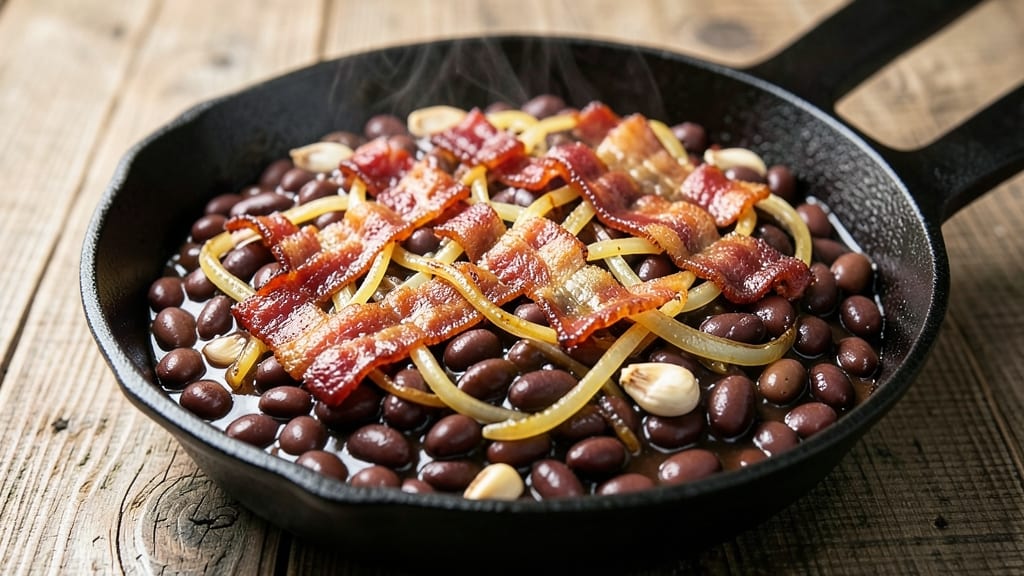
This New England baked beans recipe delivers the smoky-sweet comfort of a classic Yankee potluck, slow-cooked until tender with maple and molasses. The secret lies in hours of simmering—transforming simple navy beans into a rich, caramelized masterpiece that tastes like home.
I’ve perfected this version over years of testing, balancing traditional spices with just the right touch of maple for that signature New England depth.
What sets these apart is the three-stage cooking process: soaking the beans overnight for even texture, browning the meat (or skipping it for a vegetarian twist), and finishing in the oven until the sauce thickens into a glossy glaze.
The result is beans that are fall-apart tender, bathed in a sauce that’s both hearty and subtly sweet—a perfect side for grilled meats or a standalone dish when paired with cornbread.
The aroma alone will have your kitchen smelling like a New England autumn afternoon, with notes of smoked paprika, molasses, and warm maple weaving through the air.
This isn’t just a side—it’s the kind of dish that turns ordinary meals into memories, especially when served at family gatherings or holiday feasts. Ready to master the art of slow-cooked comfort?
Optional variations include adding crispy bacon for extra smokiness or swapping molasses for brown sugar if you prefer a milder sweetness. The beauty of this recipe is its flexibility—whether you’re sticking to tradition or adapting for dietary needs, the core technique remains foolproof. Let’s get cooking!
Ingredients for new england baked beans
Nine core ingredients transform into the ultimate Yankee potluck centerpiece.
| Ingredient | Amount | Notes |
|---|---|---|
| Navy Beans (Dried) 🍲 | 2 cups | Soaked overnight in cold water |
| Thick-Cut Bacon 🥓 | 1 lb | Chopped into small pieces |
| Onion (Yellow) 🧅 | 1 whole | Diced into small pieces |
| Garlic Cloves 🧄 | 4 cloves | Minced for depth of flavor |
| Pure Maple Syrup 🍯 | ½ cup | Grade B for authentic flavor |
| Molasses 🍯 | ⅓ cup | Unsulphured for rich sweetness |
| Tomato Paste 🍅 | ¼ cup | Smooth, not chunky |
| Apple Cider Vinegar 🍏 | ¼ cup | For tangy balance |
| Smoked Paprika 🌶️ | 2 tsp | High-quality for smoky depth |
| Ground Mustard 🌿 | 1 tbsp | Dijon preferred for complexity |
| Brown Sugar 🍚 | ¼ cup | Light or dark works |
| Beef Broth 🥫 | 2 cups | Low-sodium preferred |
| Salt 🧂 | 1 ½ tsp | Diamond Crystal preferred |
| Black Pepper 🌶️ | ½ tsp | Freshly ground for heat |
| Fresh Thyme Leaves 🌿 | ¼ cup | Or 1 tsp dried thyme |
The beans are the heart of this dish, and navy beans are non-negotiable—they hold their shape better than pinto or kidney beans. Soak them overnight in cold water (no salt!) to soften them up—this is key for even cooking. For the bacon, thick-cut from Costco or local butchers gives the best flavor when chopped and rendered, but any smoked bacon works in a pinch. The Grade B maple syrup is where the magic happens—it’s richer and darker than Grade A, giving that classic New England flavor. Grab it at Wegmans or local maple syrup producers if you’re near Vermont or Maine.
No smoked paprika? Substitute half the amount of regular paprika plus a pinch of liquid smoke—it’s a game-changer for that campfire aroma. Running low on molasses? Brown sugar plus a splash of coffee mimics the depth, but it won’t be identical. Fresh thyme is ideal, but dried works at one-third the amount. The tomato paste can be the squeeze-tube kind from Trader Joe’s—it’s convenient and keeps forever. For a vegetarian version, swap the bacon for extra mushrooms or crispy tofu, but the bacon is what makes these taste like a New England classic.
These beans taste even better the next day—honestly, the flavors meld into something extraordinary after a night in the fridge. Store leftovers in an airtight container for up to 5 days, or freeze for 3 months in portion-sized containers. Double the batch if you’re feeding a crowd—it’s worth the extra effort. The sauce thickens as it cools, so don’t worry if it looks a little loose right out of the oven. Serve with cornbread or crusty bread to soak up every last bit of that smoky-sweet glaze.
Why You'll Love This Recipe
- One-Pot Magic: I swear by this—just toss everything in one Dutch oven, stir once, and walk away. The bacon renders while the beans soak, so by the time you’re done chopping the onion, you’re already halfway there. Honestly, the only thing harder than making these is deciding whether to eat them for breakfast or dinner.
- Sweet-Savory Balance: That pure maple syrup isn’t just for show—it cuts through the smoky bacon and caramelizes into something ridiculously good. The garlic cloves get crispy at the edges, and the onions melt into a sticky, golden glaze. Between us, I’ve seen grown men fight over the last spoonful.
- Tailgate or Tuesday: Serve it in a cast-iron skillet at a backyard BBQ, or reheat a portion for a lazy Tuesday lunch. It’s the kind of dish that feels fancy enough for company but unfussy enough to make when your kid’s soccer team shows up unannounced. (Yes, even on a Tuesday night.)
- Budget-Friendly Feast: Dried navy beans and thick-cut bacon stretch this recipe into a full meal for under $10. The leftovers? Even better the next day—if there are any, because I’ve never met anyone who could resist seconds. It’s my go-to for feeding a crowd without breaking the bank.
Step-by-step instructions for smoky maple-glazed baked beans
Here's how to make these rich, smoky beans that taste like a New England classic.
Prep the Beans and Build the Flavor Base
Drain and rinse the soaked 2 cups of navy beans thoroughly, then add them to a large Dutch oven. In the same pot, add the chopped 1 lb of thick-cut bacon and cook over medium heat for 8-10 minutes until the bacon is crispy and the fat has rendered out. Remove the bacon with a slotted spoon and set it aside, leaving the fat in the pot.
In the bacon fat, add the diced 1 whole yellow onion and cook for 5-6 minutes until softened and translucent. Stir in the minced 4 cloves of garlic and cook for another 30 seconds until fragrant. This aromatic base forms the flavor foundation for your beans.
Combine Wet Ingredients for Depth of Flavor
Reduce the heat to medium-low and add the 0.5 cup of pure maple syrup, 0.33 cup of molasses, and 0.25 cup of tomato paste to the pot. Stir well to combine, letting the mixture simmer for 2-3 minutes until slightly thickened. This step develops the signature sweet-savory balance that makes these beans special.
Next, add the 0.25 cup of apple cider vinegar, 2 tsp of smoked paprika, 1 tbsp of ground mustard, and 0.25 cup of brown sugar. Stir everything together and let it cook for another 2 minutes until the sugar dissolves completely. The vinegar adds tangy brightness while the spices create that classic smoky depth.
Add Broth, Seasonings, and Thyme
Pour in the 2 cups of beef broth, scraping up any browned bits from the bottom of the pot. Add the 1.5 tsp of salt, 0.5 tsp of black pepper, and 0.25 cup of fresh thyme leaves. Give everything a good stir to ensure all the ingredients are well incorporated. The broth helps create the perfect sauce consistency while the thyme adds an earthy aroma that complements the sweetness.
At this point, you can either use the reserved bacon pieces or save them for garnish later. The beans should be submerged in the liquid, but if they're not, add a splash of water to cover them completely. This ensures they'll cook evenly and absorb all those rich flavors.
Bake Until Tender and Glazed
Transfer the Dutch oven to a preheated 325°F oven and bake uncovered for 3-4 hours. The beans are done when they're fork-tender and the sauce has thickened to a glossy consistency. You'll know they're ready when the beans easily mash between your fingers with just slight resistance.
About 30 minutes before the beans are done, you can optionally sprinkle a little more maple syrup on top to enhance the glaze. The flavors will meld beautifully during this final baking time, creating that perfect balance of sweet, smoky, and savory notes that make these beans so comforting.
Rest and Serve with Crispy Bacon
Remove the beans from the oven and let them rest for 10-15 minutes before serving. This resting time allows the flavors to fully develop and the sauce to set slightly. The beans should be thick and saucy, with a glossy sheen from the maple glaze.
Garnish each serving with the crispy bacon pieces you reserved earlier. Serve warm with crusty bread or cornbread to soak up all that delicious sauce. These beans are at their best when enjoyed fresh from the oven, with that perfect balance of sweet, smoky, and savory flavors that make them a true comfort food classic.
Pro Tips For Making New England Baked Beans
- CRISP THE BACON FIRST: Cook the thick-cut bacon until it’s deep brown, not just pink—this renders the fat properly and keeps your beans from turning greasy later. I used to skip this, and the beans always tasted soggy underneath. Save the rendered fat for the onions; it’s liquid gold.
- SOAK BEANS 8+ HOURS: Dried navy beans need a long soak (overnight works best) to soften evenly and cut cooking time. I learned this the hard way—rushing it leaves beans tough and uneven. Drain and rinse before adding to the pot, or they’ll stay gummy.
- CARAMELIZE ONIONS LOW: Sweat the onions slowly over medium-low heat until they’re deep amber, not burnt. High heat turns them bitter, and you’ll regret it when the beans taste like ash. Add a pinch of salt halfway to draw out moisture.
- SKIP THE SYRUP AT FIRST: Add the maple syrup after the beans are tender, not at the start. It burns easily and makes the dish cloyingly sweet. Stir it in the last 30 minutes—just enough to glaze the beans, not drown them.
Best sauces and condiments for this recipe
Maple-Molasses Glaze
The star of these baked beans is the maple-molasses glaze, where Grade B maple syrup and unsulphured molasses create that signature New England sweetness. I recommend using ½ cup maple syrup and ⅓ cup molasses—this ratio delivers the perfect balance of rich caramel notes and deep molasses warmth.
For extra depth, simmer these ingredients with the tomato paste for 2-3 minutes before adding other components. This step caramelizes the sugars slightly, intensifying the flavor. 🍯
Smoky Paprika Boost
Don’t skip the smoked paprika—it’s what gives these beans that authentic campfire aroma. Use 2 teaspoons of high-quality smoked paprika (I love Penzeys for its rich flavor). If you can’t find it, substitute 1 teaspoon regular paprika + ½ teaspoon liquid smoke, though the flavor won’t be identical.
Add it with the vinegar and spices to let the smoky notes infuse evenly throughout the sauce. This is the secret to that cozy, smoky depth that makes these beans taste like a New England classic. 🌶️
Tangy Vinegar Balance
The apple cider vinegar is crucial for cutting through the sweetness and adding brightness. Use ¼ cup and stir it in early—this prevents the beans from tasting cloyingly sweet.
If you’re short on vinegar, a splash of lemon juice works in a pinch, but apple cider vinegar’s fruity notes complement the molasses beautifully. The acidity also helps tenderize the beans slightly, making them even more fork-tender. 🍏
Mustard for Complexity
Don’t overlook the Dijon mustard—it adds a subtle tang and complexity that rounds out the flavors. Use 1 tablespoon and whisk it into the sauce early to distribute it evenly. The mustard’s sharpness balances the sweetness and enhances the smoky notes, giving the beans a sophisticated depth.
If you’re avoiding mustard, a pinch of ground coriander can mimic some of its earthy brightness. 🌿
Brown Sugar Gloss
The ¼ cup brown sugar (light or dark) helps thicken the sauce and adds a caramelized richness. Stir it in with the vinegar and spices to dissolve completely before adding the broth. This step ensures the sauce has a glossy finish that coats the beans perfectly.
For a deeper caramel flavor, sprinkle an extra 1 teaspoon brown sugar on top during the final 30 minutes of baking. This creates a beautiful, sticky glaze that’s irresistible. 🍚
Herbaceous Thyme Finish
Fresh thyme leaves (or 1 teaspoon dried thyme) add an earthy aroma that ties all the flavors together. Use ¼ cup fresh thyme and stir it in with the broth to let the essential oils infuse.
The thyme’s piney notes complement the smoky and sweet elements, making the beans taste even more complex. If you’re using dried thyme, add it a little earlier to prevent bitterness. This final herbaceous touch elevates the dish from good to unforgettable. 🌿
Nutrition facts
Frequently asked questions
Why do New England baked beans need to soak overnight?
Soaking navy beans overnight in cold water removes tough outer skins and reduces cooking time by 2-3 hours. This step ensures even tenderness and prevents that unpleasant "mealy" texture. Pro tip: Use a large bowl with plenty of water—beans should be fully submerged.
Can I make these beans without bacon?
For a vegetarian version, swap the bacon with ½ lb mushrooms (sautéed until crispy) or ¼ cup crispy tofu bits. The key is maintaining that smoky-sweet balance—just add an extra ½ tsp smoked paprika to compensate for the lost bacon fat.
How do I know when the beans are fully cooked?
Beans are done when they're fork-tender with just slight resistance (3-4 hours at 325°F). Press one gently—it should mash easily but not fall apart. The sauce should thicken to a glossy consistency, coating the beans completely. If they're still firm, add ¼ cup water and bake 30 more minutes.
What's the best way to reheat leftovers?
Reheat gently in a saucepan with 2 tbsp water over medium-low heat until warmed through (5-7 minutes). Never microwave—the sauce can split and become grainy. For oven reheating, cover with foil and bake at 350°F for 20 minutes. Leftovers actually improve overnight!
Can I substitute brown sugar for molasses?
You can, but the flavor won't be identical. Replace ⅓ cup molasses with ¼ cup brown sugar + 1 tsp coffee extract for depth. Molasses provides that signature deep, almost caramel-like sweetness that brown sugar can't replicate. For authenticity, stick with molasses if possible.