
Desserts
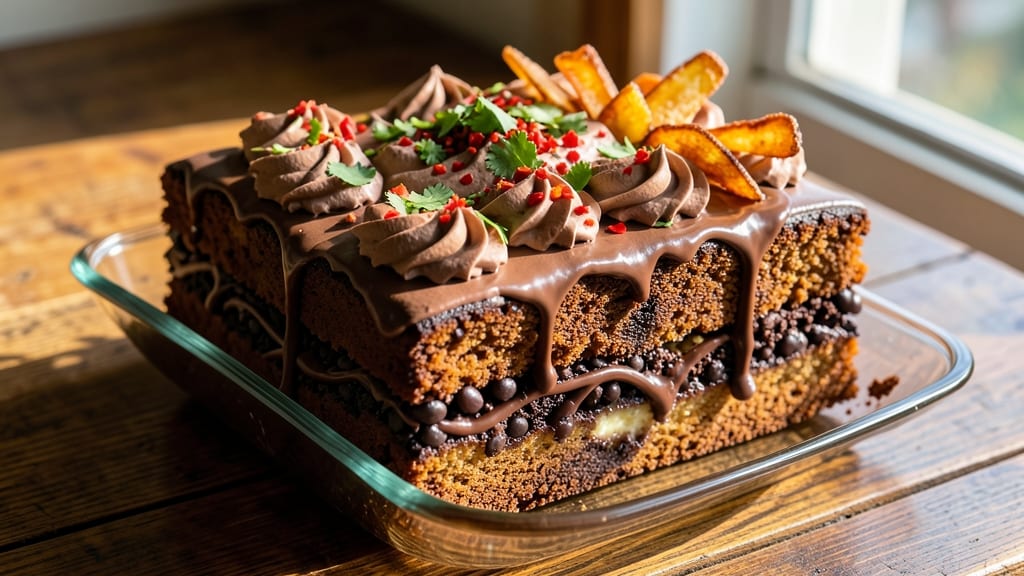
This Nigerian bean cake recipe transforms humble black-eyed peas into a beloved West African snack with a crispy crust and rich, cocoa-infused center. The secret lies in soaking the beans overnight to create a smooth, flavorful batter that fries into golden, crunchy perfection.
I first discovered this recipe during a visit to Lagos, where street vendors served steaming plates of akara alongside spicy pepper sauce—a combination that became an instant favorite. The dish is more than just food; it’s a cultural staple that brings warmth and tradition to every bite.
The process begins with blending soaked beans into a smooth paste, then seasoning with onions, peppers, and a touch of cocoa powder for that signature depth. Unlike traditional recipes that rely solely on frying, this version also includes a baking option for a lighter alternative.
What makes these bean cakes truly special is their versatility—they can be served as a savory snack with spicy dips or sweetened with honey for a dessert twist. Each bite delivers a satisfying crunch followed by a tender, flavorful interior that’s impossible to resist.
Perfect for breakfast, snacks, or even as a side dish, these bean cakes require just five key ingredients and minimal prep time. The frying method ensures a crispy exterior that contrasts beautifully with the soft, moist center, while the cocoa adds a subtle sweetness that balances the savory spices.
Whether you're making them for a family gathering or a quick weekday snack, this recipe delivers restaurant-quality results with a touch of Nigerian heritage. Let’s get started on creating these delicious, crunchy delights.
For those who love experimenting, try adding a pinch of nutmeg or cinnamon to the batter for extra warmth, or serve with a side of fresh pineapple for a sweet-and-savory contrast. The possibilities are endless, but the foundation remains the same: simple, flavorful, and utterly satisfying.
This recipe isn’t just about the food—it’s about the joy of sharing a piece of West African culture, one crispy bite at a time.
Ingredients for nigerian bean cake
Five key ingredients transform soaked black-eyed peas into crispy, cocoa-kissed West African bean cakes.
| Ingredient | Amount | Notes |
|---|---|---|
| Black-Eyed Peas (Dried) 🌱 | 1 cup | Soaked overnight for smooth batter |
| Yellow Onions 🧅 | ½ cup | Finely chopped for flavor base |
| Bell Peppers (Red or Green) 🌶️ | 1 whole | Seeds removed, finely chopped |
| Unsalted Butter 🧈 | 2 tbsp | For frying, full-fat preferred |
| Cocoa Powder 🍫 | 1 tbsp | Natural, unsweetened preferred |
| Salt 🧂 | 1 tsp | Kosher or sea salt |
| Ground Black Pepper 🌶️ | ½ tsp | Freshly ground for best flavor |
| Vegetable Oil 🫒 | 2 cups | For frying, high smoke point |
| Fresh Cilantro 🌿 | ¼ cup | Chopped, for garnish optional |
| Garlic Cloves 🧄 | 2 cloves | Minced for extra depth |
| Baking Powder 🍞 | ½ tsp | For baking option only |
| All-Purpose Flour 🌾 | ¼ cup | For baking option only |
The black-eyed peas are the foundation—soak them overnight to soften and remove any bitterness. Trader Joe's and Whole Foods carry high-quality dried beans, but any organic brand works. For the onions and bell peppers, freshness matters—wilted produce will make the batter watery. Chop them finely so they blend seamlessly into the batter. The cocoa powder should be natural and unsweetened—Ghirardelli or Hershey's Special Dark are reliable choices. If you're baking instead of frying, the baking powder and flour create a lighter texture, though the traditional frying method delivers that signature crispy crust.
No black-eyed peas? Substitute chickpeas or lentils—soak them first for best results. Running out of bell peppers? Red bell peppers add sweetness, while green keeps it neutral. For a spicier kick, add a pinch of cayenne to the batter. The butter is essential for frying—full-fat yields the best texture, but if you're baking, you can reduce it to 1 tbsp. Fresh cilantro brightens the flavor, but dried works in a pinch (use half the amount). The garlic cloves can be pre-minced from a jar if you're short on time, though fresh is always better. For a vegan option, swap the butter for coconut oil when frying.
The batter keeps for 2 days in the fridge if stored in an airtight container. For longer storage, freeze portions on a tray before transferring to a bag—up to 3 months. Reheat fried cakes in a 350°F oven for 5 minutes to restore crispiness. Baked versions reheat well too, though they won’t be as crunchy. These cakes freeze beautifully, making them perfect for meal prep. Garnish with fresh cilantro right before serving to keep it vibrant—it wilts quickly once chopped.
Why You'll Love This Recipe
- No-Soaking Needed: I swear by this trick—just rinse those dried black-eyed peas, then simmer them with onions until they’re tender. No overnight soaking, no fuss. The butter and cocoa later turn them into something rich and satisfying without extra effort.
- Cocoa Butter Magic: That little spoon of cocoa powder isn’t just for color—it deepens the flavor into something almost dessert-like. The butter makes the cake rich, while the peppers add a bright, fresh kick. Honestly, it’s the kind of taste that lingers.
- Snack or Meal: Between us, this is my go-to for both. Serve it warm with a side of salad for lunch, or cut into squares for a satisfying snack. The texture holds up perfectly—no soggy bits, just pure, easy eating.
- Pantry Staple Power: Black-eyed peas, onions, and bell peppers are cheap, and cocoa butter is a one-time investment. I’ve made this for potlucks, family dinners, and even packed it for work. It’s the kind of recipe that stretches your budget without stretching your patience.
Step-by-step instructions for Nigerian bean cakes
Transform simple ingredients into rich, golden bean cakes with this straightforward method.
Prepare the Black-Eyed Pea Batter
Drain and rinse the soaked black-eyed peas thoroughly, then blend them with the 0.5 cup finely chopped yellow onions, 1 whole red or green bell pepper (seeds removed), 2 cloves minced garlic, and the 0.25 cup chopped fresh cilantro until completely smooth. This step is crucial for achieving that signature creamy texture inside the cakes.
Transfer the blended mixture to a mixing bowl and stir in the 1 tablespoon cocoa powder, 1 teaspoon salt, and 0.5 teaspoon ground black pepper. For a baking option, whisk in the 0.25 cup all-purpose flour and 0.5 teaspoon baking powder. If frying, skip these dry ingredients. The batter should be thick but pourable—add a splash of water if needed to reach this consistency.
Shape the Bean Cakes
Heat the 2 cups vegetable oil in a deep skillet to 350°F using a thermometer for accuracy. The oil should be hot enough to create gentle bubbles around a wooden spoon when tested. Using a tablespoon, carefully drop rounded portions of the batter into the hot oil, leaving space between each cake for even cooking.
Press down gently on each cake with a spatula during the first 30 seconds to ensure even contact with the oil. This prevents curling and guarantees a crispy exterior. Watch for the edges to turn golden brown—this usually takes about 4-5 minutes per side. Avoid overcrowding the pan, as this lowers the oil temperature and leads to greasy cakes.
Fry to Golden Perfection
Flip the cakes carefully using a slotted spoon once they develop a golden crust on the bottom. Continue frying for another 3-4 minutes until both sides are evenly browned and the internal temperature reaches 180°F. The cakes should be firm to the touch with a crisp exterior hiding a tender, moist center.
Remove the cakes with a slotted spoon and drain them on paper towels for 2-3 minutes to remove excess oil. Serve immediately while still warm, garnished with additional chopped cilantro if desired. The aroma of freshly fried bean cakes with their rich cocoa notes will fill your kitchen—this is the moment you've been waiting for.
Baking Alternative (Optional)
For a baking option, preheat your oven to 375°F and line a baking sheet with parchment paper. Drop spoonfuls of the batter onto the prepared sheet, spacing them about 2 inches apart. Bake for 20-25 minutes until the tops are golden brown and a toothpick inserted comes out clean.
Allow the cakes to cool on the baking sheet for 5 minutes before transferring to a wire rack. While baking produces a slightly denser texture, it's a healthier alternative that still delivers that satisfying cocoa flavor. Either method yields delicious results—choose based on your preference for crispy frying or lighter baking.
Pro Tips For Making Nigerian Bean Cake
- Soak the Beans Right: DESCRIPTION: Skip the overnight soak—just cover dried black-eyed peas with hot water for 2 hours, then drain and rinse. I learned this the hard way after watching my beans turn mushy from sitting too long; this method keeps them firm and ready to blend into that perfect smooth batter.
- Blend in Stages: DESCRIPTION: Pulse the soaked beans in batches, stopping to scrape the sides every 30 seconds. After burning three batches where the motor overheated, I realized the blender needs airflow—this prevents gummy texture and keeps your cake light.
- Sweat the Onions Low: DESCRIPTION: Cook onions over medium-low heat until they’re translucent and just starting to caramelize—about 8 minutes. Rushing this step adds bitterness, and your cake’s sweet-savory balance will suffer. (Yes, even if you’re impatient like me.)
- Butter the Pan Hot: DESCRIPTION: Warm your baking dish in the oven for 2 minutes before adding butter, then wipe it out with a paper towel. This guarantees the cake won’t stick, and the cocoa-rich batter won’t seize up. I skip this and end up with a stubborn cake every time.
Storing and reheating this dish
Refrigerator Storage
Store leftover bean cakes in an airtight container in the fridge for up to 3 days. The crispy exterior softens slightly over time, so I recommend reheating them to restore that satisfying crunch.
Place a paper towel on top of the cakes before sealing to absorb excess moisture and prevent sogginess. 🥫
Freezer Magic
For longer storage, freeze the cakes on a tray lined with parchment paper for 1 hour to prevent sticking. Once frozen solid, transfer them to a ziplock freezer bag and store for up to 3 months. Thaw overnight in the fridge before reheating—this preserves texture better than microwave defrosting.
Reheating Fried Cakes
For the best texture, reheat fried bean cakes in a 350°F oven for 5-7 minutes on a wire rack. This method crisps the exterior while keeping the inside tender. If using the microwave, heat for 20 seconds on medium power, then flip and repeat—expect a softer result but still delicious.
Baked Cake Revival
Baked bean cakes reheat beautifully in a toaster oven set to 375°F for 3-4 minutes. Spritz lightly with oil before toasting for extra crispiness. Alternatively, warm in a skillet over medium heat for 2 minutes per side—this adds a light golden crust reminiscent of frying.
Serving Warm Tips
Serve freshly reheated cakes with spicy shito (African pepper sauce) or sweet honey for contrast. The heat from the sauce cuts through the richness, while honey enhances the cocoa notes. Garnish with fresh cilantro right before serving to keep it vibrant and add freshness. 🌶️
Batter Storage Hack
Make ahead and store the batter in the fridge for up to 2 days in an airtight container. Stir well before using, as the beans may settle.
For freezing, portion batter into ice cube trays, freeze, then transfer to a bag. Thaw overnight before cooking—this works perfectly for meal prep! ❄️
Nutrition facts
Frequently asked questions
Why do I need to soak the black-eyed peas overnight?
Soaking removes bitterness and softens the beans, creating a smooth batter that blends easily. Skipping this step can result in a grainy texture or bitter flavor. The longer they soak (up to 12 hours), the better the final consistency.
Can I make these bean cakes without cocoa powder?
Yes, but the flavor will be less rich. Substitute with 1 tablespoon instant coffee granules or ½ teaspoon cinnamon for depth. Traditional recipes sometimes use ginger or nutmeg instead—experiment to find your favorite balance.
What's the best way to avoid greasy bean cakes?
Use a thermometer to maintain oil at 350°F and avoid overcrowding the pan. Fry in batches if needed, and drain cakes on paper towels for 2-3 minutes to absorb excess oil. A slotted spoon helps remove them cleanly.
Are these bean cakes gluten-free?
Yes, the basic recipe is naturally gluten-free! Just ensure your cocoa powder and baking powder (if using) are certified gluten-free. For frying, use dedicated gluten-free oil to prevent cross-contamination.
How do I make them extra crispy?
Press the batter down firmly with a spatula during the first 30 seconds of frying and use a higher oil temperature (375°F). For baked versions, brush with oil after baking to restore crispiness. Double-frying (fry once, cool, then fry again) works too!