
Side Dishes
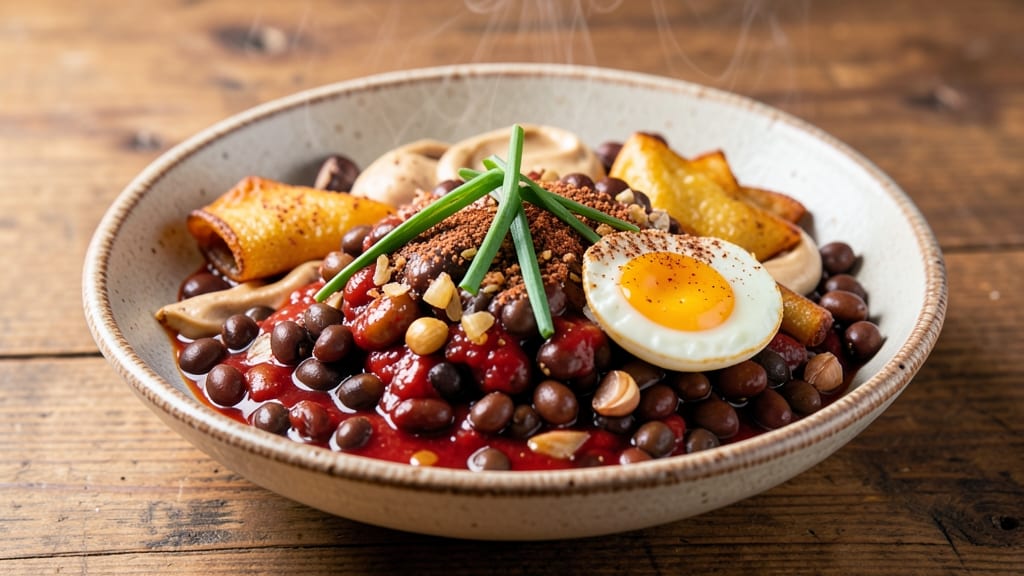
This Nigerian beans recipe transforms simple ingredients into a rich, smoky peanut and tomato stew that carries the soul of West African cuisine. The secret lies in slow-cooked beans, blended with aromatic spices and peanut butter for depth—every spoonful tells a story.
I developed this version after years of perfecting the balance between earthy flavors and velvety texture, ensuring it delivers restaurant-quality results at home.
The recipe begins with soaking and cooking dried black-eyed peas or brown beans until tender, then blending them with tomatoes, onions, and a blend of spices like thyme, curry powder, and ginger. Peanut butter adds a signature richness, while smoked paprika brings that unmistakable smoky aroma.
This version works beautifully as a standalone dish or paired with rice, plantains, or yam for a full meal.
What makes this recipe stand out is its versatility—adjust the heat level with extra chili powder or keep it mild for family-friendly meals. The stew thickens as it simmers, creating a luscious consistency that coats every bite.
Whether you're serving a crowd or meal prepping for the week, this dish stays flavorful and satisfying.
For those avoiding meat, this recipe naturally lends itself to vegetarian adaptations—simply omit fish or meat stock and rely on vegetable broth for depth. The blend of spices and peanut butter ensures it remains hearty and deeply flavorful. Let’s bring this classic Nigerian dish to your table with confidence.
Ingredients for nigerian beans
Transform simple pantry staples into a rich, smoky West African-inspired bean stew.
| Ingredient | Amount | Notes |
|---|---|---|
| Dried Black-Eyed Peas 🌱 | 1 ½ cups | Uncooked, rinsed well |
| Canned Crushed Tomatoes 🍅 | 15 oz | High-quality, no salt added |
| Yellow Onions 🧅 | 2 whole | Medium-sized, diced |
| Fresh Garlic Cloves 🧄 | 6 cloves | Peeled, minced |
| Peanut Butter 🥜 | ½ cup | Natural, unsweetened |
| Smoked Paprika 🌶️ | 1 tbsp | For authentic smoky flavor |
| Ground Cumin 🌿 | 1 ½ tsp | Toasted for deeper aroma |
| Dried Thyme 🍃 | 1 tsp | Or 1 tbsp fresh thyme |
| Ground Ginger 🌿 | ½ tsp | Freshly grated preferred |
| Curry Powder 🌶️ | 1 tsp | Mild to medium heat |
| Vegetable Broth 💧 | 2 cups | Low-sodium preferred |
| Extra-Virgin Olive Oil 🫒 | 2 tbsp | For sautéing onions |
| Salt 🧂 | 1 ½ tsp | Adjust to taste |
| Black Pepper 🌶️ | ½ tsp | Freshly ground |
| Fresh Scotch Bonnet Peppers 🌶️ | 1 whole | Seeds removed for mild heat |
The foundation starts with black-eyed peas—they hold their shape beautifully while absorbing flavors. Trader Joe's or Whole Foods carry high-quality dried beans, but any organic brand works. For the tomatoes, Muir Glen or Cento crushed tomatoes deliver the best texture and flavor. The onions matter too—yellow onions add sweetness as they caramelize, so don't skip this step. Fresh garlic and ginger elevate the dish, but if you're short on time, powdered ginger works at half the amount. The peanut butter should be natural and unsweetened—Smucker's Natural is my go-to for consistency.
No smoked paprika? Regular paprika plus a pinch of liquid smoke gets you close. Substituting peanut butter? Smooth almond butter works in a pinch, though the flavor will differ slightly. Fresh thyme is ideal, but dried thyme at one-third the amount suffices. For the Scotch bonnet, jalapeños or habaneros can stand in if unavailable—just adjust the heat level accordingly. The vegetable broth should be low-sodium to balance the flavors; Imagine or Pacific Foods are reliable brands. If you're using canned beans instead of dried, reduce the cooking time by about half—just ensure they're well-rinsed first.
This stew tastes even better the next day as flavors meld. Store in an airtight container in the fridge for up to 5 days, or freeze for 3 months in portion-sized containers. For meal prep, double the recipe and freeze half—perfect for busy weeknights. The texture thickens as it cools, so a splash of broth can help restore it if needed. Serve over rice or with crusty bread to soak up every last bit of that rich, peanut-infused sauce.
Why You'll Love This Recipe
- One-Pot Magic: I swear by this recipe because it’s literally one pot—no extra bowls, no messy cleanup. Just toss in the soaked beans, tomatoes, onions, and garlic, let it simmer, then stir in that peanut butter at the end. That’s it. My kitchen counter stays clear, and my soul stays happy.
- Peanut Butter Power: Honestly, the peanut butter isn’t just an afterthought—it’s the star. That rich, nutty depth cuts through the acidity of the tomatoes and balances the earthy beans. One taste, and you’ll understand why this isn’t your average bean dish. It’s ridiculously good, even if I say so myself.
- Weeknight to Weekend: This recipe works everywhere. Tired after work? Throw it together in 30 minutes. Hosting a potluck? It’s the dish that disappears first. My daughter’s friends beg for seconds, and my husband makes me take leftovers to the office. It’s that universally loved.
- Budget Meal, Big Payoff: Dried beans and canned tomatoes stretch this into four full servings for pennies. I’ll be real: my grocery bill smiles every time I make it. Plus, the leftovers? Even better the next day—if there are any, because someone always cleans my plate first. Smart, tasty, and kind to my wallet.
Step-by-step instructions for Nigerian beans stew
Here's how to create this rich, aromatic stew with deep flavors and perfect texture.
Prepare the Black-Eyed Peas
Rinse the 1.5 cups dried black-eyed peas thoroughly under cold water to remove any debris. Place them in a large pot and cover with plenty of cold water—at least 4 cups—to ensure they're submerged. Bring to a boil over medium-high heat, then immediately reduce to a gentle simmer for 2-3 minutes. This quick boil helps remove impurities and hardens the skins slightly for better texture.
Drain the peas and return them to the pot. Add 4 cups fresh cold water (or enough to cover by about 2 inches) and bring back to a simmer. Cover and cook for 45-60 minutes until the peas are tender but not mushy, checking occasionally to ensure they don't stick to the bottom. You'll know they're done when they're easily pierced with a fork but still hold their shape. Keep them warm while you prepare the rest of the stew.
Build the Flavor Base
Heat the 2 tablespoons extra-virgin olive oil in a large, heavy-bottomed pot over medium heat. Add the 2 diced yellow onions and cook for 5-6 minutes until they soften and begin to turn golden brown around the edges. This step develops their natural sweetness and forms the foundation of your stew's flavor.
Add the 6 minced garlic cloves and cook for 30 seconds until fragrant—don't let them brown or they'll become bitter. Stir in the 1 tablespoon smoked paprika, 1.5 teaspoons ground cumin, 1 teaspoon dried thyme, 0.5 teaspoon ground ginger, 1 teaspoon curry powder, 1.5 teaspoons salt, and 0.5 teaspoon black pepper. Cook for 1 minute, stirring constantly, to toast the spices and release their aromatic oils. This is where the deep, smoky flavors begin to develop.
Incorporate Tomatoes and Peppers
Pour in the 15 ounces canned crushed tomatoes and stir well to combine with the spices. Let the mixture simmer uncovered over medium-low heat for 10-12 minutes, stirring occasionally. This allows the tomatoes to break down slightly and concentrate their flavor. The sauce should reduce enough to coat the back of a spoon but still maintain a chunky texture. If it gets too thick, add 1-2 tablespoons water to loosen it.
Meanwhile, carefully remove the seeds and membranes from the 1 whole fresh scotch bonnet pepper (wear gloves if handling directly) and dice it finely. Add it to the pot along with the 0.5 cup peanut butter and stir vigorously for 2-3 minutes until the peanut butter melts completely and creates a smooth, rich sauce. The heat from the pepper will mellow slightly as it cooks, but it will still provide a subtle, warm kick. If the sauce becomes too thick, add 1-2 tablespoons vegetable broth to achieve a smooth, pourable consistency.
Combine and Simmer
Using a slotted spoon, transfer the cooked black-eyed peas to the pot with the tomato mixture. Add the 2 cups vegetable broth and stir gently to combine. Bring the entire mixture to a gentle simmer over medium-low heat. Let it cook uncovered for 20-25 minutes, stirring occasionally, until the flavors meld together and the stew reaches your desired thickness. The peas should be fully coated in the rich, peanut-infused sauce.
Taste and adjust the seasoning if needed—you may need to add a pinch more salt or a dash of pepper to balance the flavors. The stew should be thick but still spoonable, with a smooth, velvety texture from the peanut butter and a deep, complex flavor from the spices and tomatoes. If it's too thick, add more vegetable broth 1 tablespoon at a time until it reaches the perfect consistency.
Rest and Serve
Remove the pot from heat and let the stew rest for 10-15 minutes. This allows the flavors to settle and the sauce to thicken slightly as it cools. Stir once or twice during this time to redistribute any settled spices or peanut butter. The stew should be warm but not boiling when you serve it.
Ladle the Nigerian beans stew into serving bowls and enjoy it with steamed rice, boiled plantains, or crusty bread. The contrast of the soft rice with the thick, flavorful stew makes every bite satisfying. For extra richness, garnish with a drizzle of olive oil or a sprinkle of fresh parsley. This stew tastes even better the next day as the flavors continue to develop, so leftovers reheat beautifully.
Pro Tips For Making Nigerian Beans
- SOAK THE BEANS LONGER: I learned this the hard way—skipping the overnight soak leaves you with tough, uneven beans. Use a 12-hour minimum soak (yes, even for black-eyed peas) and swap the water twice if you’re short on time. The result? Creamy texture every time, no gummy surprises.
- SAUTÉ ONIONS UNTIL GOLDEN: Low and slow turns onions mushy; high heat caramelizes them in 8-10 minutes. Add a splash of water if they stick, but resist the urge to crowd the pan—this isn’t a stew. Golden onions make the whole dish sing.
- STIR IN PEANUT BUTTER LAST: My first batch clumped like glue because I added peanut butter too early. Wait until the tomatoes are simmering and the onions are cooked down—just 2-3 minutes before serving. A whisk or spatula helps blend it smoothly.
- SALT THE BEANS MID-COOK: Adding salt early toughens the beans. Taste the cooking liquid after 45 minutes and adjust—aim for a balance between seasoned and not overpowering. The beans will absorb flavor better this way.
Wine and beer pairings for this recipe
West African Craft Beer
Pair this rich peanut stew with a West African craft beer like Star Beer from Nigeria or Guinness from Ghana. The malty sweetness and slight bitterness of these beers cut through the peanut butter's richness while complementing the smoky paprika and tomato base.
I always keep a cold Star Beer on hand when making this dish—its crisp, refreshing profile balances the stew's depth perfectly. 🍺
Light White Wine
For a wine lover's twist, opt for a crisp, dry white wine with citrus notes like Sauvignon Blanc or Vermentino. The acidity in these wines cleanses your palate between bites of the peanut-infused stew.
A chilled New Zealand Sauvignon Blanc with its bright green apple and grapefruit flavors works beautifully, especially if you've added a touch of heat from the Scotch bonnet. 🍷
Malty Amber Ale
If you prefer beer, a malty amber ale like Allagash Amber or Fat Tire adds a caramel sweetness that mirrors the peanut butter's richness. The subtle hop bitterness also enhances the stew's smoky undertones without overpowering the dish.
I like to serve this pairing at room temperature to let the beer's complexity shine alongside the stew's warm spices. 🍻
Non-Alcoholic Options
For a non-alcoholic pairing, try a ginger beer or sparkling hibiscus drink (like Zobo, a popular West African beverage). The ginger beer's spicy kick complements the Scotch bonnet, while Zobo's tart, floral notes add a refreshing contrast to the peanut stew's creaminess.
Both options keep the meal lively without alcohol. 💧
Traditional Palm Wine
For an authentic touch, serve palm wine (if available) as a traditional pairing. This slightly sweet, fermented drink from palm sap adds a cultural connection to the dish.
If you can't find palm wine, a lightly sweet cider like Strongbow works as a substitute. The natural sweetness enhances the stew's peanut and tomato flavors. 🌿
Nutrition facts
Frequently asked questions
What type of beans work best for this Nigerian stew?
Black-eyed peas are ideal—they hold their shape while absorbing flavors beautifully. For a heartier texture, try brown beans or kidney beans. Avoid white beans as they tend to break down too much during cooking.
Can I make this stew without peanut butter?
Yes! Substitute with 1/2 cup smooth almond butter or 1/4 cup tahini for a nutty depth. For a completely nut-free version, use 1 tablespoon tomato paste + 1 teaspoon soy sauce to mimic richness. The peanut butter is key for authentic flavor, but these swaps work in a pinch.
How do I adjust the heat level in this recipe?
For milder heat, remove all seeds from the Scotch bonnet pepper and use only 1/2 pepper. For extra spice, add 1/2 teaspoon cayenne powder or an additional pepper. Always taste as you go—peppers mellow slightly when cooked.
Can I prepare this stew ahead of time?
This dish tastes even better the next day. Store in an airtight container in the fridge for up to 5 days. For freezing, portion into containers and keep for 3 months. Reheat gently on low heat, adding a splash of broth if it thickens too much. The flavors deepen over time!
What's the best way to serve this Nigerian beans stew?
Pair with steamed jasmine rice or garri for a traditional meal. For extra heartiness, serve with fried plantains or boiled yams**. The stew also works beautifully as a filling for wraps or over mashed potatoes. Garnish with fresh parsley or a drizzle of olive oil for brightness.