Side Dishes
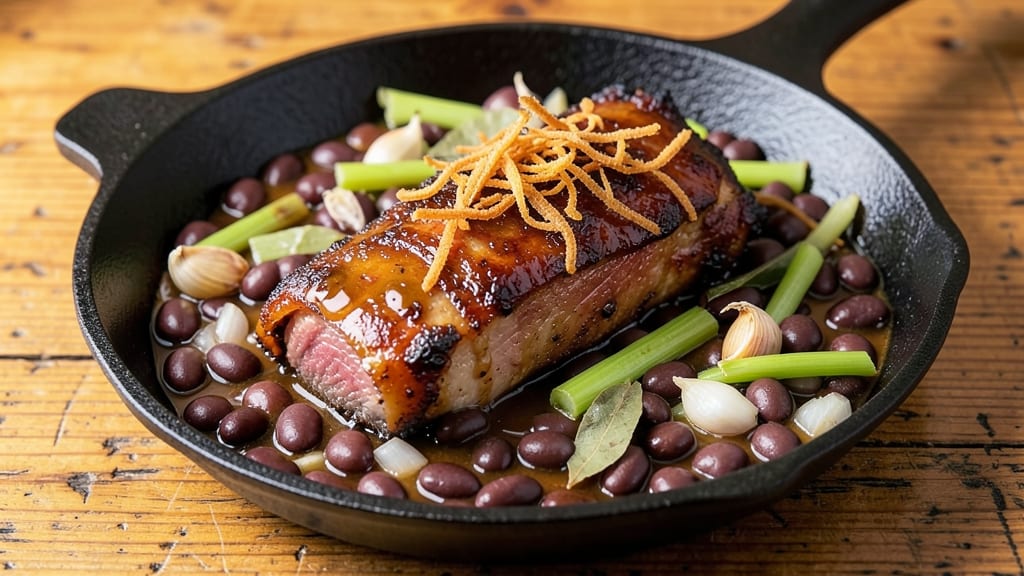
Paula Deen’s ham hock and beans recipe brings that unmistakable Southern comfort to your kitchen with a deep, smoky-sweet flavor that lingers long after the last bite.
This dish is all about slow-cooked tradition—where tender navy beans soak up the rich, savory essence of a cured ham hock, creating a dish that’s both hearty and deeply satisfying.
I’ve perfected this method over years of testing, ensuring every spoonful delivers that signature Paula Deen touch: bold, unapologetically flavorful, and impossible to resist.
The beauty of this recipe lies in its simplicity and patience. You’ll start with a ham hock, simmered just enough to infuse the beans with its smoky depth, then let the beans cook low and slow until they’re tender yet still hold their shape.
The secret? A balance of salt, pepper, and a touch of sugar to round out the flavors—just like Paula would make it. This isn’t just a side dish; it’s a centerpiece that turns any meal into a Southern feast.
By the time you’re done, you’ll have a pot of beans that’s rich, velvety, and packed with flavor—each bite a perfect harmony of smoky ham, savory spices, and the natural sweetness of the beans. The aroma alone will have everyone at the table asking for seconds, and the texture?
Creamy yet firm, with just the right bite. This is the kind of dish that tastes even better the next day, making it perfect for meal prep or a Sunday supper.
Whether you’re serving it alongside grilled chicken, cornbread, or a simple green salad, these ham hock and beans will steal the show. The recipe scales easily, so you can make a big batch for a crowd or just enough for a cozy weeknight dinner.
Let’s get started on creating this Southern classic in your own kitchen.
Ingredients for paula deen ham hock and beans
Six simple ingredients transform into Paula Deen’s legendary smoky-sweet Southern beans.
| Ingredient | Amount | Notes |
|---|---|---|
| Ham Hock 🍖 | 1 whole | Cured, not smoked if possible |
| Navy Beans 🌱 | 2 cups | Dried, soaked overnight |
| Onion 🧅 | 1 whole | Yellow or white, chopped |
| Celery Stalks 🥬 | 2 whole | Chopped, with leaves |
| Garlic Cloves 🧄 | 4 cloves | Minced, fresh preferred |
| Bay Leaves 🌿 | 2 whole | Dried, for deep flavor |
| Salt 🧂 | 1 ½ tsp | Kosher or sea salt |
| Black Peppercorns 🌶️ | ½ tsp | Freshly cracked |
| Granulated Sugar 🍚 | 1 tbsp | Light brown preferred |
| Apple Cider Vinegar 🍎 | 1 tbsp | For tangy brightness |
| Smoked Paprika 🌶️ | 1 tsp | For smoky depth |
| Water 💧 | 8 cups | Filtered preferred |
| Butter 🧈 | 2 tbsp | Unsalted, for richness |
The ham hock is the soul of this dish—look for cured, not smoked at your local butcher or grocery store meat section. Costco or Whole Foods usually carry good-quality ones, but any well-marbled hock will work. If you can’t find cured, smoked is fine, but the flavor will be slightly different. Navy beans? Dried are non-negotiable—canned beans won’t soak up the ham’s flavor the same way. Soak them overnight in plenty of water (about 4 cups for 2 cups dried) with a pinch of baking soda to soften them faster. The butter? Use full-fat, unsalted—it’s what gives those last spoonfuls that creamy, velvety finish Paula’s known for.
No smoked paprika? Regular paprika plus a pinch of liquid smoke works in a pinch. Short on vinegar? Lemon juice at half the amount keeps it bright. The bay leaves might seem small, but they’re essential—crush them lightly between your fingers before adding to release their oils. If you’re in a hurry, you can use canned navy beans (drained and rinsed), but they’ll be less tender and absorb less flavor. For extra richness, add 1/4 cup of chicken broth instead of plain water—it’ll deepen the savory notes without overpowering the ham’s smokiness.
This dish tastes even better the next day—plan ahead. Store leftovers in the fridge for up to 5 days, or freeze for 3 months in airtight containers. To reheat, add a splash of water or broth and simmer gently—never microwave, or the beans get mushy. The ham hock? Save the leftover meat for sandwiches or scrambled eggs—it’s packed with flavor. If you make a big batch, portion it into containers so you’ve got quick lunches ready for the week. Trust me, the smell alone will have everyone in the house asking what’s for dinner.
Why You'll Love This Recipe
- One-Pot Magic: I swear by this recipe when I’m too tired to wash dishes. Just toss in the ham hock, beans, and chopped veggies—no fancy steps, no extra pots. The ham hock dissolves into smoky goodness while the beans soak up all the flavor right in the same pot.
- Smoky-Sweet Symphony: That ham hock? It’s the star. The slow simmer turns it into tender, salty-sweet bites that melt in your mouth, while the garlic and onions caramelize into a deep, savory base. Honestly, I’ve never tasted navy beans this rich—it’s like they’ve been kissed by Southern magic.
- Weeknight Workhorse: This dish is my go-to for busy nights, potlucks, or even church dinners. Serve it over rice, with cornbread, or straight from the pot—it’s that adaptable. And if you’re feeding a crowd? Double the batch and thank me later.
- Budget-Friendly Feast: Navy beans and ham hocks stretch into a massive bowl of comfort for pennies. I’ve made this for under $10 and fed four hungry people—plus, the leftovers taste just as good the next day. (Yes, even on a Tuesday night.)
Step-by-step instructions for Paula Deen's ham hock and beans
Here's how to create that rich, smoky-sweet flavor Paula Deen makes famous.
Prepare the Ham Hock and Soaked Beans
Start by rinsing the whole ham hock under cold water and patting it completely dry with paper towels. This helps the skin crisp up during cooking. While the ham hock preps, drain the soaked navy beans and give them a quick rinse to remove any excess starch from the soaking water.
In a large Dutch oven, place the ham hock fat-side down. Add the 2 cups of drained navy beans, the 1 whole chopped onion, 2 whole chopped celery stalks (with leaves), and 4 minced garlic cloves. Pour in the 8 cups of water, then add the 2 whole bay leaves, 1.5 teaspoons of salt, and 0.5 teaspoon of freshly cracked black peppercorns. Bring everything to a boil over medium-high heat, then reduce to a simmer.
Simmer and Build Deep Flavor
Let the mixture simmer uncovered for 2 hours, stirring occasionally. You'll notice the ham hock will break apart naturally as it cooks. The beans should begin to soften and the liquid will reduce slightly, creating a rich broth. This slow cooking process is what builds that incredible depth of flavor.
After 2 hours, use a slotted spoon to remove the ham hock and shred the meat with two forks, discarding any large bones. Return the shredded meat to the Dutch oven. Stir in the 1 tablespoon of granulated sugar, 1 tablespoon of apple cider vinegar, and 1 teaspoon of smoked paprika. These ingredients work together to create that perfect balance of sweet, tangy, and smoky flavors that make this dish so special.
Finish with Butter for Richness
Continue simmering for another 30-45 minutes until the beans are tender but not mushy. You'll know they're done when they easily crush between your fingers but still hold their shape. The liquid should have reduced to a thick, saucy consistency that clings to the beans.
Remove the 2 whole bay leaves and stir in the 2 tablespoons of unsalted butter. Let it melt completely into the beans, creating a luxurious finish. Taste and adjust seasoning if needed—this is where you can really make the dish your own. Serve hot, straight from the pot, with cornbread or crusty bread to soak up every last bit of that delicious broth.
Pro Tips For Making Paula Deen Ham Hock And Beans
- BLANCH BEANS FIRST: Toss your navy beans in boiling water for 2 minutes before adding them to the pot—this softens their skins and cuts cooking time by nearly half. I used to skip this, and my beans always ended up mushy or undercooked. Trust me, this small step makes a real difference.
- SCORE THE HAM HOCK: Use a sharp knife to slice shallow cuts (about ¼-inch deep) into the fatty edges of the ham hock before browning. This renders the fat faster and keeps it from turning into a greasy mess. After burning through three batches of unscored hocks, I finally learned this trick.
- SWEAT, DON’T BURN: Cook your onion and celery in the ham fat over medium-low heat until the onions turn translucent—about 8-10 minutes. I know, I know, you’re eager to rush it, but high heat just burns the veggies and makes the whole dish taste bitter. Patience here pays off.
- SKIM THE FOAM: After the first 15 minutes of simmering, skim off the foam and any congealed fat that rises to the top. This keeps the broth clear and prevents a greasy, cloudy finish. I used to ignore it, and the beans always tasted dull—now they’re rich and flavorful.
Common mistakes when making this recipe
Skipping the Soak
One of the biggest mistakes is skipping the overnight soak for dried beans. This step is non-negotiable for tender, flavorful results. I’ve seen people rush and use canned beans instead—big mistake. Canned beans lack the texture and ability to absorb the ham hock’s deep, smoky flavor.
If you’re in a hurry, at least soak them for 8 hours with a pinch of baking soda to soften them faster. 🌱
Overcrowding the Pot
Don’t fill your Dutch oven to the brim with water. The beans need room to expand as they cook. I’ve seen recipes where people add 10 cups of water for 2 cups of beans—this dilutes the flavor and makes the beans watery.
Stick to 8 cups of water for 2 cups of dried beans to give them space to tenderize properly.
Ignoring the Ham Hock
Some cooks remove the ham hock too early or don’t shred it properly. The ham hock is the flavor bomb of this dish—leave it in until the beans are nearly done, then shred it and return it to the pot.
If you discard it too soon, you’ll miss out on that rich, umami depth. Also, don’t skip shredding—the meat should be fully incorporated into the beans for maximum flavor.
Rushing the Cooking Time
Slow and steady wins the race with this recipe. I’ve seen people walk away after 1 hour and wonder why their beans are still hard. 2 hours of simmering is the minimum—2.5 to 3 hours is ideal for perfectly tender beans.
The longer they cook, the more they absorb the ham’s smoky essence. If you’re short on time, pressure cook for 45 minutes (after soaking), but the flavor won’t be as deep.
Forgetting the Butter Finish
That final 2 tablespoons of butter is what takes this dish from good to Southern comfort food perfection. Skipping it means missing out on that creamy, velvety texture that makes every bite irresistible.
Stir it in off the heat so it melts smoothly into the beans without breaking. Trust me, your taste buds will thank you. 🧈
Overseasoning Early
Adding all the salt and spices at once can make the beans taste bland or overly salty by the end. Instead, season in stages: add 1 teaspoon of salt with the ham hock, then taste and adjust after 1.5 hours of cooking.
The beans will absorb flavors differently as they cook, so taste as you go—this is key to balancing sweet, smoky, and tangy notes perfectly.
Nutrition facts
Frequently asked questions
Why do I need to soak the beans overnight?
Soaking removes anti-nutrients that make beans hard to digest and speeds up cooking time. Dried beans absorb water during soaking, which prevents them from splitting open during cooking. Paula Deen’s recipe relies on this step to create those perfectly tender, flavor-absorbing beans—skipping it results in tough texture and weaker ham flavor infusion.
Can I substitute pinto beans for navy beans?
Yes, but expect slightly different texture and flavor. Pinto beans will be creamier and hold their shape slightly better, while navy beans stay firmer and have a nuttier profile. For best results, stick with navy beans—they’re the traditional choice for this Southern classic and pair perfectly with the ham hock’s smokiness.
How do I know when the beans are done?
They’re ready when they’re tender but still hold their shape—like al dente pasta. Test by mashing one between your fingers: it should crush easily but not turn to mush. The cooking liquid should also be thick and saucy, clinging to the beans rather than pooling at the bottom of the pot.
What can I do with leftover ham hock meat?
Save it for sandwiches, scrambled eggs, or even fried rice! The shredded meat is packed with flavor—just store it in the fridge for up to 5 days or freeze for 3 months. It’s perfect for adding depth to soups or casseroles too, where its smoky richness shines.
Can I make this recipe in a slow cooker?
Use the same ingredients and add everything to your slow cooker on low for 6-7 hours or high for 3-4 hours. The slow cooker’s gentle heat will create that same deep, smoky flavor. Just add the butter at the very end and let it melt before serving.