Side Dishes
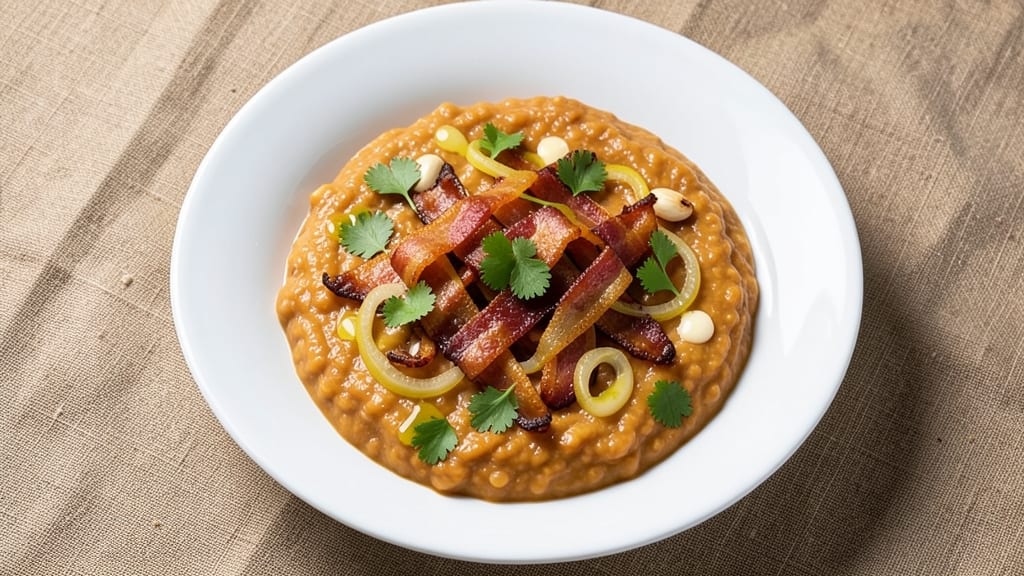
This Peru beans recipe transforms simple ingredients into a rich, aromatic side dish that’s the heart of Peruvian tables. The secret lies in slow-cooked beans infused with toasted cumin, aji amarillo paste, and garlic—creating a sauce that’s both bold and velvety.
My version stays true to tradition while simplifying the process for home cooks, ensuring every bite delivers that signature Peruvian depth.
What makes these beans special is the balance of earthy cumin, tangy aji amarillo, and smoky bacon (or pork if you prefer). Unlike many recipes, this method skips shortcuts—soaking the beans overnight and simmering them for hours develops their natural sweetness and texture.
The result? A dish that’s hearty enough to stand alone or pair perfectly with rice, grilled meats, or even as a filling for tacos.
By the time you’re done, you’ll have a pot of beans with a glossy, slightly thickened sauce that clings to each bean. The aroma alone will have everyone at the table asking for seconds, while the flavor—savory, slightly sweet, and just spicy enough—makes it a staple for any meal.
This is comfort food with a Peruvian twist, and it’s easier to make than you’d think.
The beauty of this recipe is its versatility. Serve it as a side for your favorite protein or let it shine as a standalone dish with crusty bread. The leftovers? Even better the next day as the flavors meld further. Let’s get cooking—your taste buds will thank you.
Ingredients for peru beans
Simple pantry staples and a few specialty touches create this aromatic Peruvian bean masterpiece.
| Ingredient | Amount | Notes |
|---|---|---|
| Dry Great Northern Beans 🌾 | 1 ½ cups | Uncooked, soaked overnight |
| Aji Amarillo Paste 🌶️ | ½ cup | Authentic Peruvian paste (or substitute) |
| Ground Cumin 🌿 | 2 tbsp | Toasted for deeper flavor |
| Garlic Cloves 🧄 | 6 cloves | Peeled, roughly chopped |
| Smoked Bacon 🥓 | 6 oz | Diced, or substitute pork |
| Yellow Onion 🧅 | 1 whole | Diced, medium-sized |
| Extra-Virgin Olive Oil 🫒 | ¼ cup | For sautéing and finishing |
| Bay Leaves 🍃 | 2 whole | Fresh or dried |
| Salt 🧂 | 1 ½ tsp | Adjust to taste |
| Black Pepper 🌶️ | ½ tsp | Freshly ground |
| Lemon Juice 🍋 | 1 tbsp | Freshly squeezed |
| Water 💧 | 6 cups | For soaking and cooking |
| Cumin Seeds 🌿 | 1 tsp | Optional, for extra toasted aroma |
The beans are the star, so Great Northerns are ideal—they hold their shape and soak up flavor beautifully. Soak them overnight (or quick-soak for 2 hours) to cut cooking time. For aji amarillo, Peruvian markets or Latin grocery stores usually carry it, but if you can't find it, a mix of yellow bell pepper paste and a pinch of turmeric works in a pinch. The cumin? Toast the seeds first in a dry pan until fragrant—game changer. I grab mine from the bulk section at Whole Foods or Trader Joe's for the freshest flavor.
No aji amarillo? Mix 2 tbsp yellow bell pepper paste + 1/2 tsp turmeric + 1/2 tsp lemon juice—it's not identical, but gets you close. Swap bacon for diced pork shoulder if you prefer, but the smokiness is key. The onion can be any color, but yellow adds natural sweetness. Fresh bay leaves are best, but dried works at half the amount. Don't skip the lemon juice—it brightens the whole dish. And if you're feeling fancy, toast the cumin seeds in a dry pan until fragrant before grinding them—worth the extra minute.
These beans taste even better the next day as the flavors meld. Store in an airtight container in the fridge for up to 5 days. Freeze for 3 months if you're prepping ahead. I like to portion mine into containers with a little extra sauce—perfect for lunches or quick meals. The sauce thickens as it cools, so add a splash of water if it's too thick when reheating.
Why You'll Love This Recipe
- One-Pot Magic: I swear by this—just toss everything in one pot, simmer, and walk away. No chopping, no fuss, and the bacon renders right into the beans like a flavor bomb.
- Smoky-Sweet Kick: That aji amarillo paste? It’s the secret weapon—bright, tangy, with a little heat that lingers. The cumin and garlic make it taste like a hug from Peru, but I’ll be real, it’s also my go-to when I crave something bold without the work.
- Meal Prep MVP: Make a big batch on Sunday, and you’ve got lunch or dinner covered for days. The flavors deepen overnight, and it reheats like a dream—no mushy beans here.
- Budget Feast: Dry beans and bacon stretch this dish for a crowd, and it’s cheaper than takeout. My college budget still thanks me for discovering this—now my family does too.
Step-by-step instructions for spiced cumin and aji amarillo Peru beans
Transform simple ingredients into rich, smoky Peru beans with layers of Peruvian flavor.
Prepare the Beans for Cooking
Rinse the 1.5 cups dry great northern beans thoroughly under cold water to remove any debris. Place them in a large bowl and cover with plenty of water—at least 8 cups—then let them soak overnight in the refrigerator. This overnight soak ensures the beans cook evenly and reduces cooking time significantly.
Here's the thing—don't skip the soaking. Dry beans take much longer to cook properly, and they can develop a tough texture. After soaking, drain and rinse the beans again before proceeding. I like to add a pinch of salt to the soaking water, which helps soften the beans while adding subtle flavor.
Cook the Bacon and Build the Flavor Base
In a large Dutch oven, cook the 6 oz diced smoked bacon over medium heat until it's golden brown and crispy, about 8-10 minutes. Use a slotted spoon to remove the bacon, leaving the rendered fat in the pot—this is your flavor foundation. Discard all but 2 tablespoons of the bacon fat if needed.
In the same pot, add the 0.25 cup extra-virgin olive oil and heat over medium heat. Add the 1 whole diced yellow onion and cook for 5 minutes until softened. Stir in the 6 peeled and roughly chopped garlic cloves and the 1 tsp cumin seeds, cooking for another 1 minute until fragrant. This aromatic base forms the flavor backbone of your beans.
Toast the Cumin and Add the Aji Amarillo
Reduce the heat to low and add the 2 tbsp ground cumin to the pot. Toast it for 30 seconds until you smell that warm, earthy aroma—this step deepens the cumin's flavor significantly. Immediately add the 0.5 cup aji amarillo paste and stir well to distribute it evenly. The paste will darken the mixture and infuse it with its signature Peruvian heat.
Here's where it gets good—add the drained beans, 6 cups water, 2 whole bay leaves, 1.5 tsp salt, and 0.5 tsp black pepper to the pot. Stir everything together, ensuring the beans are well-coated with the flavorful oil and paste. Bring the mixture to a gentle boil, then reduce the heat to low and cover the pot.
Simmer Until Tender and Flavorful
Let the beans simmer gently for 1.5 to 2 hours, stirring occasionally to prevent sticking. You're looking for beans that are fork-tender—they should collapse easily when pierced with a fork. If the liquid level gets too low, add hot water as needed to keep the beans submerged.
About 15 minutes before the beans are done, add the crispy bacon back to the pot. This lets the bacon reabsorb some of its rendered fat, adding rich, smoky flavor to the beans. Stir in the 1 tbsp lemon juice during the final 5 minutes of cooking—this brightens the dish and balances the richness.
Adjust Consistency and Serve
Remove the bay leaves and taste the beans. Adjust the seasoning with more salt or black pepper if needed. If the beans are too thick, add a splash of hot water to reach your desired consistency. The final texture should be creamy but not soupy, with each bean holding its shape while still being tender.
Serve the beans warm, either as a hearty side dish or as a main course with crusty bread. The combination of smoky bacon, earthy cumin, and the bright, fruity notes of aji amarillo creates a truly Peruvian-inspired flavor experience that's both comforting and complex. Enjoy immediately while the flavors are at their peak!
Pro Tips For Making Peru Beans
- CRANK THE HEAT FIRST: Your beans start in cold water, but the first 10 minutes should be a rolling boil—no simmering yet. I learned this the hard way: skipping the boil means the skins stay tough, and you’ll be left with mushy beans instead of creamy ones. Once boiling, reduce to a simmer, but that initial high heat guarantees even cooking.
- TOAST THE CUMIN DRY: Bloom that ground cumin in a dry pan for 30 seconds before adding anything else. It deepens the earthy flavor and stops it from tasting raw or bitter—trust me, your nose will thank you when you smell that nutty aroma. Skip this, and the dish will still work, but it’ll lack that professional depth.
- SAVE THE SOAK WATER: Don’t dump that soaking liquid—strain it and set it aside. When your beans are almost tender, add 1 cup of that reserved water back to the pot. It’s packed with starch and flavor, and it’ll help thicken the sauce naturally without needing extra flour or cornstarch.
- COOK THE BACON LOW: Render that smoked bacon slow and steady at 275°F (135°C) until crisp, then pull it out and drain on paper towels. The fat should be golden but not smoking—high heat burns it fast, and you’ll lose that smoky depth. Use the rendered fat for sautéing garlic and aji amarillo, and save the bacon for crumbling on top at the end.
Essential equipment for peru beans
Dutch Oven Essentials
A 6-8 quart Dutch oven is your best friend for these beans—it distributes heat evenly and creates a thick, flavorful sauce. I swear by the Le Creuset Stoneware Dutch Oven (holds heat beautifully) or the All-Clad Stainless Steel for durability.
If you're on a budget, the Cuisinart MultiClad Pro works perfectly too. The deep sides prevent spills during simmering, and the heavy base maintains consistent low heat for that perfect tender texture. 🔥
Precision Thermometer
While you won’t be checking internal temps like with meat, a meat thermometer helps monitor the water level and simmering consistency. I use the Thermoworks Thermapen One—it’s fast and accurate.
Keep an eye on the temperature: beans need a gentle 190-200°F simmer to develop their natural sweetness without breaking down. If the pot gets too hot, the beans can turn mushy. A thermometer ensures you’re always in that sweet spot.
Immersion Blender
For a silky-smooth sauce without overcooking the beans, an immersion blender is a game-changer. I use the Ninja Foodi Immersion Blender to blend a portion of the cooking liquid directly in the pot, creating a velvety texture while keeping the beans intact.
Pulse for 10-15 seconds—just enough to emulsify the sauce without turning it into a puree. This step is optional but elevates the dish to restaurant-quality. ✨
Fine-Mesh Strainer
A stainless steel fine-mesh strainer (like the OXO Good Grips) is crucial for rinsing soaked beans and draining them thoroughly before cooking. This removes any debris and prevents cloudy water from affecting the flavor.
I also use it to strain the bacon fat after cooking, leaving just enough for sautéing while keeping the rest for future recipes. Pro tip: Rinse the beans under cold water while swirling them in the strainer—it removes excess starch and ensures a cleaner final texture.
Peruvian Spice Tools
For authentic flavor, invest in a mortar and pestle (like the Kuhn Rikon) to toast and grind cumin seeds fresh. Toasting the seeds in a dry pan for 1-2 minutes until fragrant unlocks deeper, nuttier notes.
A small silicone spatula (I love the OXO Good Grips) helps scrape every last bit of flavor from the pot, especially when stirring the aji amarillo paste. For measuring, a set of small stainless steel measuring spoons ensures precision with spices like cumin and bay leaves.
Storage Containers
Leftovers taste even better, so store them in glass airtight containers like Pyrex Simply Store or Le Parfait. These keep the beans fresh for up to 5 days in the fridge or 3 months in the freezer.
For reheating, I use a stainless steel saucepan with a splash of water to restore the creamy texture. The glass containers also make it easy to portion out meals for the week—just grab and heat! 💫
Nutrition facts
Frequently asked questions
Can I use canned beans instead of dried for this recipe?
You can absolutely use canned beans for convenience! Drain and rinse 3 (15 oz) cans of Great Northern beans thoroughly before adding them to the pot. Skip the soaking step entirely, but reduce the cooking time to just 30-45 minutes—they’ll absorb flavors faster. The texture will be slightly softer, but still delicious. For best results, choose low-sodium cans and add extra salt at the end if needed.
What can I substitute for aji amarillo paste?
If you can't find aji amarillo, mix 2 tbsp yellow bell pepper paste with ½ tsp turmeric and ½ tsp lemon juice for a similar color and mild heat. For a spicier kick, add ¼ tsp cayenne pepper. Another option is ½ tsp smoked paprika + ½ tsp garlic powder, though the flavor won’t be identical. The key is balancing the earthy cumin with something bright and slightly tangy.
Why do my beans turn out mushy instead of tender?
Mushy beans usually mean too much water or boiling instead of simmering. Always keep the heat at a gentle low and maintain at least 1 inch of liquid above the beans. If the pot gets too hot, the beans break down faster. For extra insurance, add the beans to cold water and bring to a boil first, then reduce immediately. Stirring occasionally also prevents sticking and uneven cooking.
How do I make these beans vegetarian?
Swap the bacon for ½ cup diced smoked tofu or mushrooms (like cremini or shiitake) for umami depth. Sauté them first to render their moisture, then proceed with the recipe as written. For extra richness, stir in 1 tbsp olive oil at the end. The cumin and aji amarillo will still shine, creating a flavorful vegetarian version that’s just as satisfying.
Can I make this recipe in an Instant Pot?
Yes! Use the Pressure Cooker (High) setting for 20 minutes after sautéing the aromatics. Quick-release the pressure, then return the pot to Sauté mode to reduce any excess liquid. The beans will be tender but hold their shape better than stovetop. For a creamier texture, mash a few beans with a fork at the end. The Instant Pot cuts cooking time to under an hour while keeping all the flavor.