Sauces & Condiments
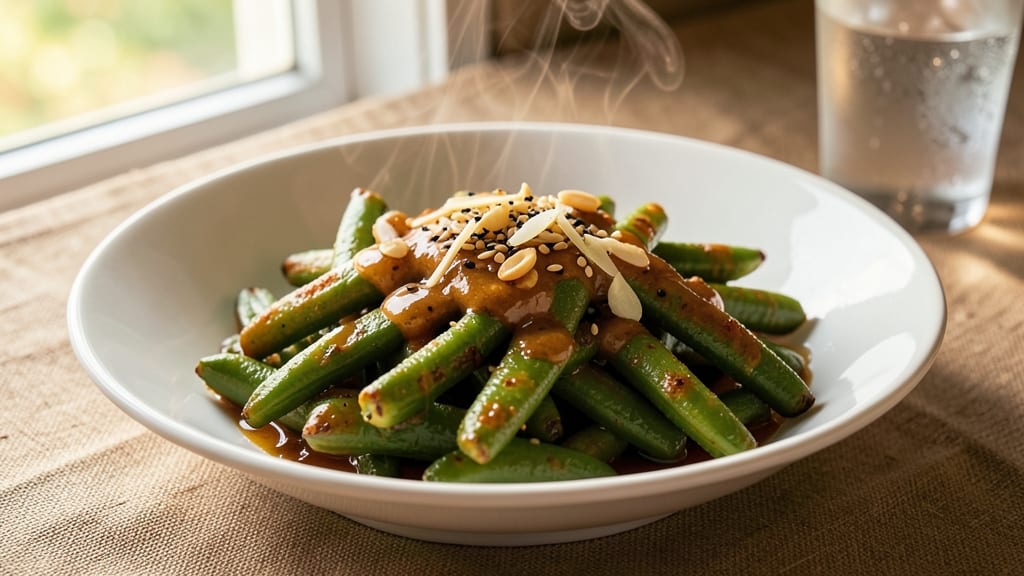
Recreating Pf Chang's fried green beans sauce at home delivers that signature umami-packed flavor that makes every bite unforgettable. I've perfected this copycat version through careful testing, balancing sweet, salty, and savory notes for that authentic restaurant taste.
The secret lies in the precise combination of soy sauce, oyster sauce, and a touch of brown sugar that creates depth without overpowering.
This sauce comes together in just 15 minutes using simple pantry staples like garlic, ginger, and sesame oil. The process involves simmering the ingredients until they meld into a glossy, aromatic sauce that's perfect for dipping or tossing with crispy fried green beans.
What sets this apart is how it captures the restaurant's signature balance—rich yet bright, with just enough heat to linger.
What you'll end up with is a glossy, velvety sauce that's deeply flavorful yet versatile enough for any meal. The umami from oyster sauce and soy sauce creates that addictive depth, while the brown sugar adds subtle sweetness that rounds out the flavors.
This isn't just a copycat—it's a professional-quality sauce that elevates simple green beans into something extraordinary.
The best part? This sauce keeps well in the refrigerator for up to 5 days, making it perfect for meal prep or whenever you crave that restaurant-quality taste at home.
Whether you're serving it with fried green beans or using it as a dipping sauce for spring rolls, the results will impress every time. Let's get started on this umami-packed recipe.
Ingredients for pf chang's fried green beans sauce
Nine simple ingredients transform into that addictive, umami-rich sauce you crave.
| Ingredient | Amount | Notes |
|---|---|---|
| Light Soy Sauce 🥢 | ½ cup | Use high-quality brand like Kikkoman |
| Oyster Sauce 🦪 | ¼ cup | Lee Kum Kee preferred for authenticity |
| Brown Sugar 🍯 | ¼ cup | Packed firmly for accurate measure |
| Garlic Cloves 🧄 | 4 cloves | Freshly minced for maximum flavor |
| Fresh Ginger 🌿 | 1 ½ tbsp | Finely grated, peel removed |
| Sesame Oil 🫒 | 1 tbsp | Toasted sesame oil for aroma |
| Rice Vinegar 🍶 | 1 tbsp | White vinegar substitute if needed |
| Water 💧 | ½ cup | Room temperature preferred |
| Red Chili Flakes 🔥 | ½ tsp | Adjust for desired heat level |
| Salt 🧂 | ½ tsp | Kosher or sea salt preferred |
The oyster sauce and soy sauce are non-negotiable here—Lee Kum Kee and Kikkoman are the gold standards, but don't stress if you've got other good brands. I grab mine from Asian markets where they keep the bottles sealed tight, but the regular grocery store aisle works too. The garlic and ginger? Fresh is essential—no powdered shortcuts here. For the brown sugar, pack it firmly into your measuring cup or you'll end up with less than you need. And trust me, you want every bit of that caramelized sweetness.
No oyster sauce? Hoisin sauce at half the amount gets you close, though it'll be slightly sweeter. Short on sesame oil? Toasted sesame seeds ground into oil works in a pinch (just blend 1 tbsp seeds with 1 tbsp neutral oil). The rice vinegar adds that bright tang—apple cider vinegar works too, but it'll taste slightly different. For heat, Sichuan peppercorns ground with the garlic give a unique tingle if you're feeling adventurous. And if you're making this ahead, add the sesame oil last—it's delicate and burns easily.
This sauce gets better as it sits—let it mellow for 15 minutes before serving. Keeps in the fridge for 5 days sealed in a jar, but honestly? I always make extra because it disappears so fast. For meal prep, portion into small containers—perfect for dipping spring rolls or tossing with green beans. Freezes beautifully for 3 months too, though the texture gets slightly thicker after thawing. Just stir in a splash of water to loosen it up.
Why You'll Love This Recipe
- Five-Ingredient Magic: I swear by this sauce—just soy, oyster, brown sugar, garlic, and ginger. That’s it. No weird pantry deep-dives, no measuring cups of obscure spices. Honestly, I keep this in my mental "emergency dinner" folder because it’s that simple.
- Umami Bomb: The combo of light soy and oyster sauce? It’s like a flavor grenade. Sweet, salty, and just a hint of funk from the ginger—my husband licks the pan when I make it. (Yes, even on a Tuesday night.)
- Double-Duty Sauce: This isn’t just for green beans. Drizzle it over shrimp, toss it with noodles, or slather it on grilled chicken. I’ve even used it in stir-fries when I forgot my usual sauce. Between us, it’s my secret weapon for lazy nights.
- Leftovers That Don’t Suck: Unlike some sauces that turn weird after a day, this one actually improves when reheated. Store it in the fridge for up to a week—perfect for batch cooking. Plus, it’s cheap enough that I don’t stress if I make too much. (Spoiler: I always do.)
Step-by-step instructions for Pf Chang's fried green beans sauce
Here's how to nail that signature umami-packed sauce that makes Pf Chang's green beans irresistible.
Sauté Aromatics Until Fragrant
Heat a small saucepan over medium heat and add the 1.5 tablespoons fresh ginger and 4 cloves garlic cloves. Let them sizzle for 2-3 minutes until the ginger becomes fragrant and the garlic turns golden around the edges. Watch closely—ginger burns faster than you think, so keep the heat steady. You'll know it's ready when the aroma fills your kitchen like a warm hug.
Here's the thing—don't skip this step. The ginger and garlic form the flavor foundation of this sauce. If they taste raw or undercooked, the final sauce will lack depth. Once they're golden, remove the pan from heat immediately to prevent burning.
Combine Wet Ingredients for the Base
Return the pan to medium heat and add the 0.5 cup water, 0.5 cup light soy sauce, and 0.25 cup oyster sauce. Stir everything together and bring it to a gentle simmer. You'll see the mixture bubble softly—this is when all the flavors start melding together.
Let it simmer for 3-4 minutes until the liquid reduces slightly and becomes slightly syrupy. This reduction concentrates the flavors and creates that glossy texture you love in the restaurant version. If it reduces too quickly, just lower the heat slightly to maintain a gentle simmer.
Add Sweetness and Acid Balance
Stir in the 0.25 cup brown sugar and 1 tablespoon rice vinegar. The sugar will dissolve quickly, while the vinegar adds that bright, tangy note that cuts through the richness. Let the mixture simmer for another 2 minutes until the sugar is completely incorporated and the sauce thickens slightly.
This is where the sauce comes together. The sugar balances the saltiness of the soy and oyster sauces, while the vinegar adds complexity. Taste it now—you should get a preview of the final flavor, just needing the finishing touches.
Finish with Heat and Seasoning
Reduce the heat to low and stir in the 1 tablespoon sesame oil, 0.5 teaspoon red chili flakes, and 0.5 teaspoon salt. The sesame oil adds that nutty aroma, while the chili flakes bring just a hint of heat. Let everything simmer together for 1 minute to fully integrate.
Here's the moment that matters: The sauce should be glossy, slightly thick, and packed with layers of flavor. If it's too thick, add 1-2 teaspoons of water to reach your desired consistency. For the perfect copycat result, the sauce should coat the back of a spoon but still be pourable.
Cool and Use Immediately
Remove the pan from heat and let the sauce cool for 5 minutes. This resting period allows all the flavors to fully meld together. The sauce will thicken slightly as it cools, so don't worry if it looks perfect immediately.
Now you're ready to use it! This sauce is best served immediately over your crispy fried green beans, but it will keep in the refrigerator for up to 3 days if stored in an airtight container. For best results, reheat gently before serving to restore that glossy texture.
Pro Tips For Making Pf Chang'S Fried Green Beans Sauce
- Cook Garlic Low: High heat turns garlic bitter fast—simmer those minced cloves on low for 30 seconds until just fragrant, not golden. I learned this the hard way after burning three batches and wondering why my sauce tasted like a campfire.
- Mince Ginger Fine: Skip the big chunks—grate or finely mince that ginger so it dissolves into the sauce instead of sitting as chewy bits. My grandmother swore by this, and she was right: smooth texture makes all the difference.
- Reduce Sugar Slowly: Brown sugar burns faster than you think. Add it last and let the sauce simmer uncovered for 2-3 minutes, stirring often, until it’s just thickened—not caramelized. Sounds weird, but it works: no bitter aftertaste.
- Balance Sauces First: Taste your light soy and oyster sauce mix before adding sugar—adjust the ratio if it’s too salty or thin. I skip this when I’m lazy, but the dish is noticeably better when I don’t. Trust the process.
Troubleshooting perfect results
Sauce Too Thin?
If your sauce ends up too thin after simmering, don't panic. The key is patience—simmer uncovered for an extra 2-3 minutes to let the liquid reduce naturally. If it still feels too runny, remove from heat and let it cool for 10 minutes—it thickens significantly as it sits.
For immediate results, mix 1 teaspoon cornstarch with 1 tablespoon cold water, stir into the sauce, and simmer for 1 minute until thickened. 💡
Sauce Too Thick?
Over-reducing is common when you're focused on flavor. To fix a thick sauce, stir in 1-2 teaspoons of water or rice vinegar (which also adds brightness) and return to low heat for 30 seconds.
For a smoother texture, blend briefly with an immersion blender. If the sauce separates, whisk vigorously to re-emulsify. Remember, the sauce should coat the back of a spoon but still be pourable.
Lacking Umami Depth?
If your sauce tastes flat or lacks that signature umami punch, it's likely under-seasoned. Boost the flavor by adding 1 teaspoon fish sauce or an extra ½ teaspoon oyster sauce. For a smokier note, stir in ¼ teaspoon smoked paprika or a pinch of five-spice powder.
Let it simmer for another 1 minute to fully integrate the new flavors. The umami should now be more pronounced and complex.
Burnt or Bitter Taste?
Burnt ginger or garlic ruins everything. This happens when heat gets too high or ingredients sit too long. To prevent it, keep the heat at medium-low and never let the saucepan dry out.
If you notice a bitter taste, immediately remove from heat and stir in ½ teaspoon brown sugar or 1 teaspoon honey to balance the bitterness. For future batches, use a heavy-bottomed saucepan to distribute heat more evenly.
Sauce Separates When Cooling?
Sauce separation is usually caused by too much oil or improper emulsification. If this happens, whisk vigorously or blend briefly to recombine. For prevention, stir constantly while simmering and avoid adding sesame oil too early—it's delicate and can cause separation.
If the sauce still separates after cooling, reheat gently and whisk in 1 teaspoon cornstarch slurry to stabilize it. The texture should smooth out within minutes.
Not Enough Heat?
If the chili flakes aren't adding enough heat, increase them by ¼ teaspoon at a time until you reach your desired spice level. For a different kind of heat, add ½ teaspoon gochujang (Korean chili paste) or a pinch of Sichuan peppercorn powder for a tingling sensation.
Always taste as you go—you can adjust, but you can't take heat out once it's in! 🌶️
Nutrition facts
Frequently asked questions
Can I make this sauce without oyster sauce?
Yes, but the umami depth will change. Replace the ¼ cup oyster sauce with 2 tablespoons hoisin sauce plus 1 teaspoon fish sauce for a similar savory profile. The sauce will be slightly sweeter, so reduce the brown sugar to 2 tablespoons to balance flavors. Stir well and simmer an extra 1 minute to meld the ingredients.
How do I adjust the heat level?
Start with the ½ teaspoon red chili flakes as written for a mild kick. For medium heat, add ¼ teaspoon extra flakes. For spicy, substitute with ½ teaspoon gochugaru (Korean chili flakes) or a pinch of Sichuan peppercorn powder for a tingling sensation. Always taste as you go—you can't remove heat once added!
Can I use this sauce for other dishes?
This versatile sauce works perfectly for dipping spring rolls or egg rolls, tossing with stir-fried noodles, or even as a glaze for grilled meats like pork or chicken. For a thicker consistency on meats, reduce the sauce by half before applying. The balance of sweet, salty, and umami makes it a crowd-pleaser in many Asian-inspired dishes.
Why does my sauce taste bitter?
Bitterness usually comes from burnt garlic or ginger. Keep heat at medium-low and never let the pan dry out. If it happens, remove from heat immediately and balance with ½ teaspoon brown sugar or 1 teaspoon honey. For future batches, use a heavy-bottomed saucepan and stir constantly to prevent burning. The sauce should taste bright and complex, not harsh.
How long will this sauce keep?
Store in an airtight container in the fridge for up to 5 days. For longer storage, freeze for 3 months—thaw overnight in the fridge and stir in 1 teaspoon water if it thickens too much. The sauce actually improves with time as flavors meld, but always reheat gently before serving to restore its glossy texture.