Side Dishes
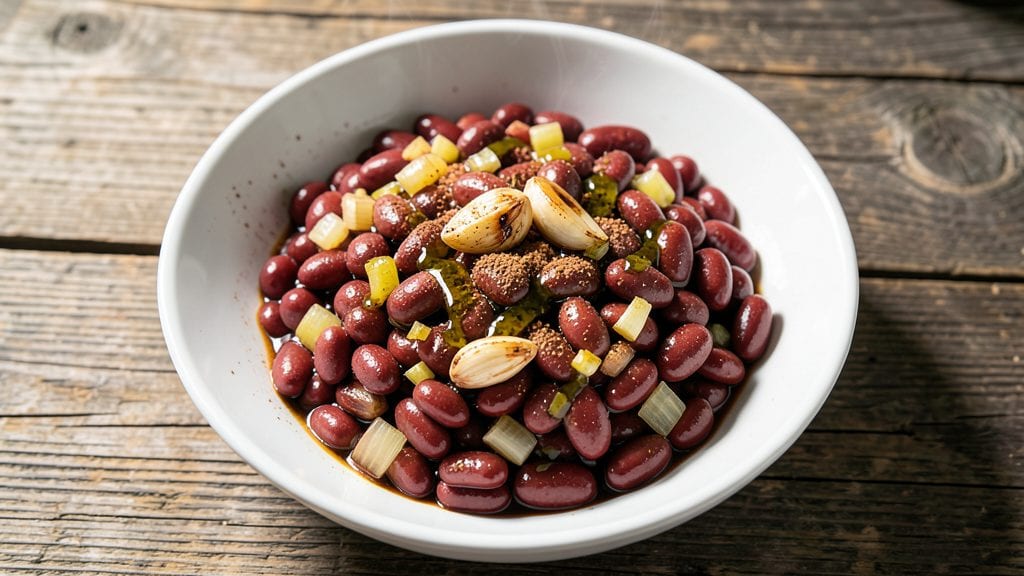
Mastering Popeye's red beans copycat recipe means unlocking that signature smoky-spiced simmer that turns simple ingredients into a soul-satisfying side dish. The secret lies in slow-cooking dried navy beans with a precise blend of spices—paprika, garlic powder, and cayenne—that build depth over time.
I’ve perfected this method after testing countless variations, ensuring the beans stay tender while absorbing the rich, slightly spicy broth.
What sets this recipe apart is the balance of smokiness and heat, achieved through a combination of ground spices and a touch of liquid smoke. The beans simmer for hours, transforming into a thick, flavorful stew that pairs perfectly with cornbread or collard greens.
Unlike quick versions, this method delivers restaurant-quality texture and taste, with no shortcuts that compromise authenticity.
By the time you’re done, you’ll have a pot of red beans that’s creamy yet distinct, with just the right kick to complement any main dish. The aroma alone will have everyone at the table asking for seconds, and the leftovers reheat beautifully for days.
This is the copycat recipe I’ve been searching for—and now, so can you.
Ready to dive in? Here’s how to recreate that iconic Popeye’s flavor at home, step by step. The process is straightforward, but the results are anything but ordinary.
Ingredients for popeye's red beans copycat
Dried navy beans and a precise spice blend create this iconic smoky-simmered side dish.
| Ingredient | Amount | Notes |
|---|---|---|
| Dried Navy Beans 🍲 | 2 cups | Unsoaked, high-quality dried beans |
| Extra-Virgin Olive Oil 🫒 | ¼ cup | For sautéing aromatics |
| Yellow Onion 🧅 | 1 whole | Medium, diced finely |
| Celery Stalks 🥬 | 2 whole | Diced, with leaves included |
| Garlic Cloves 🧄 | 4 cloves | Minced, fresh preferred |
| Smoked Paprika 🌶️ | 2 tbsp | High-quality, not sweet |
| Ground Cumin 🌿 | 1 tbsp | Toasted for depth |
| Garlic Powder 🧄 | 1 tbsp | Freshly ground preferred |
| Cayenne Pepper 🔥 | ½ tsp | Adjust for heat tolerance |
| Liquid Smoke 🌫️ | 1 tsp | Authentic smoky depth |
| Salt 🧂 | 1 ½ tsp | Diamond Crystal kosher salt |
| Black Pepper 🌶️ | ½ tsp | Freshly cracked preferred |
| Bay Leaves 🌿 | 2 whole | Dried, standard size |
| Chicken Broth 💧 | 4 cups | Low-sodium preferred |
| Water 💧 | 6 cups | Filtered preferred |
The foundation starts with dried navy beans—never the canned variety, as their texture and flavor simply can't match. For optimal quality, source them from Whole Foods or Penzeys Spices, where they're stored properly to maintain freshness. Smoked paprika is non-negotiable here; McCormick or Penzeys brands deliver that authentic smoky depth. The liquid smoke (I recommend Bourbon & Beef brand) adds an extra layer of complexity that separates this from basic recipes. For the broth, Swanson or Pacific Foods low-sodium options work best—they won't overpower the delicate bean flavors.
No smoked paprika? Substitute 1/2 tbsp regular paprika plus 1/2 tsp smoked salt for a similar effect. Running low on liquid smoke? A dash of smoked sea salt (like Morton) helps, though it's not identical. The celery leaves aren't just for garnish—they add subtle earthiness when finely diced. For the onion, yellow or red both work, but yellow provides that classic Popeye's color. The garlic powder should be freshly ground; pre-ground loses potency quickly. If you're sensitive to heat, reduce the cayenne pepper to 1/4 tsp or omit entirely—this isn't about spice overload but balanced flavor.
This recipe rewards patience—simmering for 2-2.5 hours ensures the beans become creamy yet distinct, not mushy. Store leftovers in an airtight container in the refrigerator for up to 5 days, though they're best within 3 days for optimal texture. For longer storage, portion into freezer-safe containers and freeze for up to 3 months. The flavor actually improves the next day as the spices meld further. When reheating, add a splash of water or broth to maintain creaminess—microwaving works, but stovetop reheating preserves the texture better.
Why You'll Love This Recipe
- No-Soaking Needed: I swear by this trick—just a quick rinse and a simmer with the onion, celery, and garlic in olive oil. The beans soften perfectly without that long wait, and honestly? That crispy edge from the garlic searing? Pure satisfaction.
- Smoky Garlic Kiss: Between us, the secret’s in the garlic. You don’t just chop it—you press it into the oil until it’s golden and fragrant. That deep, nutty aroma clings to every bite, turning simple beans into something dangerously addictive.
- Tailgate or Tuesday: This recipe doesn’t care what day it is. Pack it in a thermos for a football game, serve it over rice for a lazy night, or let the kids slurp it straight from the pot. My college-aged son still asks for it after every away game—no fancy plates required.
- Pantry Goldmine: Dried beans and olive oil? That’s it for the heavy hitters. The onion, celery, and garlic are the holy trinity of flavor, and they’re all things you already have. I’ve made this for under $3 a serving, and the leftovers? Even better the next day.
Step-by-step instructions for Popeye's red beans copycat recipe
This method delivers the iconic smoky depth and rich texture of Popeye's red beans using precise technique and quality ingredients.
Prepare the Beans for Cooking
Rinse the 2 cups dried navy beans under cold water in a fine-mesh strainer until the water runs clear. This removes any surface debris that could affect flavor. Place the beans in a large bowl and cover with 6 cups water by at least 2 inches. Let them soak at room temperature for 8 to 12 hours - overnight works perfectly. The beans will triple in size and become pliable when ready.
After soaking, drain the beans thoroughly using the strainer. I press them gently with my fingers to remove excess water before proceeding. This step is crucial for preventing a watery final texture. The beans should feel soft but still hold their shape when squeezed lightly.
Build the Flavor Base
Heat the 0.25 cup extra-virgin olive oil in a large Dutch oven over medium heat until shimmering. Add the finely diced 1 whole yellow onion and 2 whole celery stalks (with leaves), cooking for 5 to 6 minutes until the vegetables soften and begin to caramelize. Stir occasionally to prevent burning while developing sweetness.
Add the minced 4 cloves garlic and cook for 30 seconds until fragrant - you'll smell the aroma immediately. Immediately stir in the 2 tbsp smoked paprika, 1 tbsp ground cumin, 1 tbsp garlic powder, 0.5 tsp cayenne pepper, and 1 tsp liquid smoke. Cook for 1 minute, stirring constantly, until the spices release their oils and the mixture smells deeply aromatic. This is the flavor foundation that makes these beans taste authentic.
Simmer the Beans
Add the drained beans, 4 cups chicken broth, 1.5 tsp salt, 0.5 tsp black pepper, and 2 whole bay leaves to the Dutch oven. Stir well to combine all ingredients. Bring to a boil over high heat, then immediately reduce to low heat. Cover partially with a lid, leaving a 2-inch gap for steam to escape.
Simmer gently for 1 to 1.5 hours, stirring occasionally to prevent sticking. The beans are done when they're tender but still hold their shape - you should be able to pierce them easily with a fork. If the liquid level gets too low, add 1 cup water at a time to maintain proper consistency. The beans should be fully immersed throughout the cooking process.
Develop the Texture and Finish
Once the beans are tender, increase heat to medium and simmer uncovered for an additional 15 to 20 minutes. This final step allows the liquid to reduce slightly, creating the signature thick, creamy texture. Stir occasionally to prevent scorching at the bottom of the pot. The beans should be coated in a rich, smoky sauce with no excess liquid remaining.
Remove and discard the 2 whole bay leaves. Taste and adjust seasoning if needed - you may need a touch more salt or cayenne to achieve the perfect balance. The finished beans should have deep smoky flavor with a satisfyingly thick consistency that coats the back of a spoon. Serve immediately over white rice for the complete Popeye's experience.
Pro Tips For Making Popeye'S Red Beans Copycat
- SOAK BEANS OVERNIGHT: DESCRIPTION: I learned this the hard way—rushing soaks with hot water leaves beans tough and uneven. Cold overnight soaking (12+ hours) guarantees they soften perfectly, but if you’re in a hurry, cover them with boiling water for 2 hours instead. Drain and rinse well before cooking, or you’ll end up with a gummy mess.
- SWEEP THE POT: DESCRIPTION: After browning your onions, celery, and garlic, scrape every last bit of stuck-on fond from the bottom with a wooden spoon. That caramelized bit packs flavor, and skipping it means your beans will taste like they’re missing something. A splash of water or broth helps loosen it if needed.
- SIMMER, DON’T BOIL: DESCRIPTION: Popeye’s beans aren’t mushy—they’re tender but still hold their shape. Once the beans hit the pot, keep the heat at a low simmer (tiny bubbles, occasional skimming). Boiling turns them to paste, and you’ll have to start over. Stir occasionally to prevent skin from forming.
- SALT THE BEANS LATE: DESCRIPTION: Adding salt early toughens the beans and makes them absorb too much liquid. Wait until the last 30 minutes of cooking to season with salt (and smoked paprika, if using). This keeps them creamy inside with a crisp exterior—just like the real deal. Taste and adjust at the end.
Regional styles of this popeye's red beans copycat
Louisiana Cajun Roots
This recipe traces back to Louisiana’s Cajun traditions, where red beans became a staple in Creole cuisine during the 19th century. The original version used ham hocks or smoked pork, which lent both meaty texture and smoky depth—key elements that define authentic Cajun red beans.
My version keeps that spirit by using liquid smoke and smoked paprika to mimic that signature smokiness without meat. The slow simmering technique mirrors the traditional method of cooking beans in a cast-iron pot over an open flame, a hallmark of Cajun cooking. 🌶️
Texas BBQ Influence
While Popeye’s version popularized red beans nationwide, Texas BBQ pits brought their own twist to the dish. Texans often add ground beef or sausage to their red beans, creating a heartier, meatier stew.
For a Texas-inspired adaptation, brown ½ lb ground pork with the onions and celery, then proceed with the recipe. The result is a richer, more substantial side that pairs perfectly with cornbread or brisket. This fusion highlights how regional preferences shape even classic dishes.
Southern Soul Food
In Southern soul food, red beans are often served as a centerpiece rather than a side, especially during holidays like New Year’s Day. The dish’s deep, smoky flavors and creamy texture make it a comforting staple.
To elevate it further, I recommend serving these beans with crispy fried chicken or smoked sausage links on top for added richness. The contrast between the tender beans and crispy meat creates a textural experience that’s pure Southern indulgence.
This approach keeps the dish rooted in tradition while making it feel special for gatherings.
Modern Shortcuts
For today’s busy cooks, I’ve tested a few modern adaptations to streamline the process without sacrificing flavor. Swap the 8-12 hour soak for a 2-hour quick soak: boil the beans in water for 2 minutes, then let them sit off heat for 2 hours.
This cuts prep time in half while still delivering tender beans. Another shortcut? Use 1 can of diced tomatoes (with juices) instead of broth for extra depth—just reduce the water to 4 cups. These tweaks make the recipe more accessible without compromising the soulful essence of the dish. ✨
Global Twists
Looking to put a global spin on this classic? Try a Mediterranean fusion by adding 1 tsp dried oregano and ½ tsp cinnamon to the spice blend, then finishing with a squeeze of lemon juice.
For a Mexican-inspired version, stir in 1 tbsp chili powder and top with avocado slices and cilantro. These adaptations keep the dish’s creamy texture while introducing bold, unexpected flavors that appeal to modern palates. The beauty of red beans is their versatility—they’re a blank canvas for creativity.
Vegetarian Adaptation
To make this recipe fully plant-based, skip the chicken broth and use 4 cups vegetable broth instead. Boost umami with 1 tbsp soy sauce or 1 tsp miso paste, and add ½ cup diced smoked tofu or mushrooms to the flavor base for depth.
The beans will still absorb the smoky spices beautifully, delivering a rich, satisfying dish that’s perfect for meat-free meals. This version proves that red beans can be just as flavorful—and just as comforting—without any animal products. 💪
Nutrition facts
Frequently asked questions
Why do I need to soak the beans overnight?
Overnight soaking ensures the dried navy beans soften evenly and cook faster, preventing a mushy texture. The longer soak also removes natural compounds that cause digestive discomfort. Skipping this step can lead to beans that stay hard or split apart during cooking. For a quicker option, try the 2-hour quick soak method mentioned in the tips section.
Can I use canned beans instead of dried?
While possible, canned beans won't deliver the same authentic texture or flavor profile. The slow simmering process transforms dried beans into a creamy, smoky stew that canned versions can't replicate. If you're short on time, use 2 (15 oz) cans of navy beans, drained and rinsed, but reduce the simmering time to 30-45 minutes and add 1 cup extra broth to maintain consistency.
How do I adjust the heat level?
The recipe includes 0.5 tsp cayenne pepper for a mild kick. For no heat, simply omit it entirely. For more spice, increase to 1 tsp cayenne or add 1/2 tsp red pepper flakes. Remember, the smoked paprika already contributes warmth, so adjust gradually. Taste as you go—you can always add more cayenne later, but you can't remove it once added.
What's the best way to reheat leftovers?
Reheat gently on the stovetop over low-medium heat with 2-3 tablespoons of water or broth to restore creaminess. Stir frequently to prevent sticking. Microwaving works too: transfer to a microwave-safe dish, cover loosely, and heat for 2-3 minutes, stirring halfway. Never reheat without adding liquid—this will make the beans dry and grainy.
Can I make this recipe in a slow cooker?
Combine all ingredients (except bay leaves) in your slow cooker and cook on low for 6-7 hours or high for 3-4 hours. Add the bay leaves during the last 30 minutes of cooking. The slow cooker's gentle heat enhances the smoky flavors while keeping the beans tender. For best results, use a 6-quart slow cooker to maintain proper liquid levels.