
Side Dishes
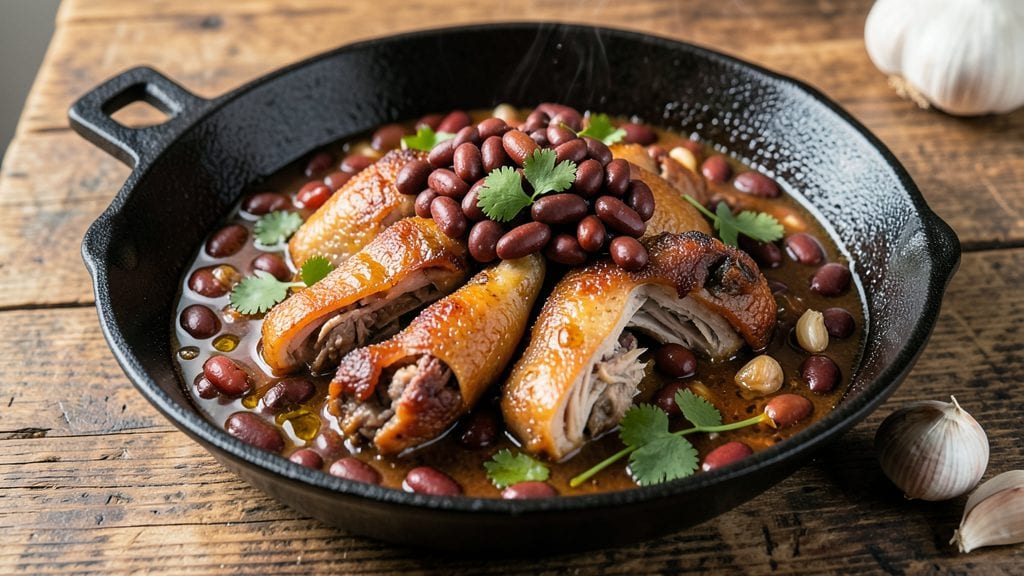
This Puerto Rican beans with pigs' feet recipe delivers the perfect balance of hearty, slow-cooked beans and tender, gelatinous pork—every bite bursts with tradition and depth. The secret lies in hours of simmering, where annatto-infused oil transforms tough pork into melt-in-your-mouth texture while the beans develop a rich, savory complexity.
I’ve perfected this dish over years of testing, ensuring the flavors meld into something deeply satisfying and authentically Puerto Rican.
The process begins with meticulous preparation: soaking beans overnight for even cooking, rendering crispy pork skin, and building layers of flavor with sofrito, garlic, and adobo. The pigs' feet require careful boiling to remove impurities before braising, a step that can’t be rushed.
This isn’t just a side dish—it’s a labor of love that rewards patience with a dish so flavorful, it becomes the star of any table.
By the time it’s done, you’ll have a pot of slow-cooked beans with tender pork pieces that practically dissolve in your mouth, all swimming in a sauce thick with spices and natural gelatin.
The aroma alone will have everyone gathering at the table, while the texture—creamy beans and silky pork—makes every spoonful irresistible. Serve it alongside rice, tostones, or fresh plantains for the full Puerto Rican experience.
This recipe is designed for those willing to invest time for extraordinary results. The long cooking process isn’t just about tenderness—it’s about developing flavors that store-bought versions can’t match.
Whether you’re hosting a family gathering or simply craving a taste of home, this dish delivers restaurant-quality richness with every bite. Let’s get started on creating something truly special.
Ingredients for puerto rican beans with pigs feet
Pantry staples meet Puerto Rican tradition in this slow-cooked masterpiece—rich beans and melt-in-your-mouth pork.
| Ingredient | Amount | Notes |
|---|---|---|
| Pigs' Feet 🐖 | 4 lb | Fresh or frozen, skin-on |
| Dried Red Kidney Beans 🌱 | 2 cups | Soaked overnight, drained |
| Annatto Seeds 🌶️ | 1 tbsp | For vibrant color and flavor |
| Extra-Virgin Olive Oil 🫒 | ½ cup | High-quality, fruity variety |
| Sofrito 🍅 | 2 cups | Homemade or store-bought |
| Garlic Cloves 🧄 | 8 cloves | Minced, for deep flavor |
| Adobo Seasoning 🌶️ | 2 tbsp | Authentic Puerto Rican blend |
| Bay Leaves 🍃 | 2 whole | Fresh or dried |
| Cumin Seeds 🌿 | 1 tbsp | Toasted for warmth |
| Dried Oregano 🍃 | 1 tbsp | Mexican oregano preferred |
| Salt 🧂 | 2 tsp | Diamond Crystal kosher salt |
| Black Peppercorns 🌶️ | 1 tsp | Freshly ground |
| Water 💧 | 8 cups | Filtered preferred |
| Fresh Cilantro 🌿 | ¼ cup | Chopped, for garnish |
| Lime Wedges 🍋 | 2 whole | For serving |
The pigs' feet are the star, so don’t skimp. Look for fresh cuts at specialty butchers or frozen sections—the skin must be intact for that crispy, golden texture. If using frozen, thaw overnight in the fridge, then boil for 15 minutes to remove impurities before braising. Costco or local Latin markets often carry them pre-cleaned, saving you time. For the beans, dried red kidney beans are non-negotiable—they hold their shape and absorb flavors beautifully. Soak them overnight in plenty of water; discard the soaking liquid to avoid bitterness. Annatto seeds are key for that signature color—find them in Latin grocery stores or online if your regular market doesn’t stock them.
No annatto seeds? Turmeric at half the amount will give you color, though it lacks the authentic flavor. Short on sofrito? Blend equal parts onion, bell pepper, tomato, and garlic with a splash of vinegar for a quick substitute. The adobo seasoning can be homemade (cumin, oregano, garlic, salt) or store-bought—Goya or La Costeña brands are reliable. For extra depth, toast the cumin seeds in a dry pan until fragrant before adding to the pot. The sofrito can be made fresh or used from a jar, but homemade always tastes better. If you’re in a rush, even a quick blend of canned tomatoes, onion, and garlic works in a pinch—just season generously with salt and oregano.
This dish tastes even better the next day as flavors meld. Store in an airtight container in the fridge for up to 5 days, or freeze portions for 3 months. The beans and pork absorb the sauce beautifully, so reheat with a splash of water or broth to loosen. Serve with steamed white rice and tostones for the full Puerto Rican experience. The lime wedges should be added just before serving—they brighten the rich flavors and cut through the gelatinous pork. Leftovers make incredible sandwiches or tacos the next day.
Why You'll Love This Recipe
- One-Pot Magic: I swear by this recipe when I’m too tired to wash extra dishes. The pigs' feet and beans simmer together in one pot, and by the end, you’ve got a rich, flavorful stew with zero cleanup—just a few stubborn beans clinging to the sides.
- Annatto’s Golden Kiss: That deep red hue from the annatto seeds isn’t just for show—it’s the secret to a taste that’s ridiculously good. The beans soak up the smoky, slightly sweet flavor, and the olive oil ties it all together with a silky richness that makes every bite feel like a hug.
- Weeknight Crowd-Pleaser: Between us, this is my go-to for game days, family dinners, or when my partner’s friends drop by unannounced. The sofrito base means it’s got layers of flavor, but the pigs' feet give it that hearty, satisfying bite that keeps everyone reaching for seconds—no one leaves hungry.
- Budget-Friendly Leftovers: Honestly, I make a double batch on purpose. Pigs' feet stretch the dish further than you’d think, and the beans keep well for days. Reheat them with a splash of water, and they taste just as good the next day—perfect for lazy lunches or when I’m too exhausted to cook.
Step-by-step instructions for Puerto Rican beans with pigs feet
Here's how to transform humble ingredients into a rich, gelatinous masterpiece that captures Puerto Rican soul food at its finest.
Prepare the Pigs' Feet for Maximum Flavor
Begin by thoroughly cleaning the 4 lb pigs' feet under cold running water, scrubbing away any remaining hair or debris. Place them in a large pot and cover with cold water by about 2 inches. Bring to a boil over high heat, then immediately reduce to a simmer and cook for 2 hours. This initial boiling removes impurities and begins breaking down the collagen.
Drain the pigs' feet and return them to the clean pot. Add 8 cups of fresh water and bring to a boil again. Reduce heat to maintain a gentle simmer and cook uncovered for 3 hours, skimming off any foam that rises to the surface. The feet are ready when they're fork-tender and the meat pulls away from the bone easily. Real talk: this is where the magic happens - the long simmer transforms tough connective tissue into that signature melt-in-your-mouth texture.
Toast Spices and Build the Flavor Base
While the pigs' feet simmer, heat 0.5 cup extra-virgin olive oil in a large Dutch oven over medium heat. Add the 1 tbsp cumin seeds and toast for 1 minute until fragrant and lightly golden. Immediately remove from heat and let cool for 5 minutes - this prevents burning while preserving their aromatic qualities.
In the same pot, add the 8 cloves minced garlic and sauté for 30 seconds until just golden. Stir in the 2 cups sofrito and cook for 2 minutes until the mixture darkens slightly. Add the 2 whole bay leaves, 2 tbsp adobo seasoning, 1 tbsp dried oregano, 2 tsp salt, and 1 tsp freshly ground black peppercorns, stirring to combine. This aromatic base forms the flavor foundation for your beans.
Combine and Simmer the Beans
Add the drained 2 cups dried red kidney beans to the Dutch oven along with the simmering pigs' feet and their cooking liquid. Stir well to distribute the beans evenly. Bring the mixture to a gentle boil, then reduce heat to maintain a steady simmer. The beans should be partially submerged - if not, add enough water to cover them by 1 inch.
Simmer uncovered for 2 hours, stirring occasionally to prevent sticking. Here's the thing - you want the beans to soften but not disintegrate. They should be tender with a slight bite remaining. After 2 hours, add the 1 tbsp annatto seeds and stir gently to distribute the vibrant color throughout the mixture. The annatto will infuse the beans with its characteristic orange hue and subtle earthy flavor.
Finish and Rest for Perfect Texture
Once the beans are tender, carefully remove the pigs' feet from the pot and set aside to cool slightly. Using a slotted spoon, transfer the beans back to the pot, discarding any large pieces of skin or connective tissue. The beans should have a thick, stew-like consistency with the gelatinous quality that makes this dish special.
Return the pot to low heat and simmer for an additional 15 minutes to allow the flavors to meld completely. Remove from heat and let the beans rest for 10 minutes. This resting period allows the beans to absorb any remaining liquid and develop their signature creamy texture. The pigs' feet can be shredded and returned to the pot if desired, or served on the side for a more rustic presentation.
Serve with Fresh Garnishes
Ladle the finished beans into serving bowls and garnish immediately with the 0.25 cup chopped fresh cilantro. The bright herb cuts through the richness of the beans and adds a fresh contrast. Serve with the 2 whole lime wedges on the side for squeezing over each portion - the acidity balances the hearty flavors beautifully.
This dish tastes even better the next day as the flavors continue to develop. The beans will thicken slightly as they cool, achieving that perfect gelatinous consistency that makes this Puerto Rican classic so special. Pair with white rice and a simple green salad for a complete meal that delivers comfort in every bite.
Pro Tips For Making Puerto Rican Beans With Pigs Feet
- Parboil Pigs’ Feet First: Skip the raw plunge—parboil the pigs’ feet for 20 minutes before browning. This softens the skin just enough to prevent it from curling into a rubbery mess while you sear it later. I learned this the hard way after ending up with chewy, unevenly cooked feet that needed an extra hour to finish.
- Toast Annatto Seeds: Dry-toast the annatto seeds in a separate pan for 30 seconds before grinding them into the oil. This deepens their color and flavor—no bitter aftertaste, just that rich, golden hue you want in every bite. (Yes, even if you’re impatient like me.)
- Don’t Rush the Sofrito: Cook the sofrito low and slow for at least 15 minutes until it’s almost dry and fragrant. Rushing it means you’ll taste raw onion and bell pepper instead of a deep, caramelized base. This is the thing that matters most for that restaurant-quality depth.
- Skim the Scum Early: After adding the beans to the pot, skim off the foam that rises in the first 10 minutes of simmering. It’s gross, but it keeps the broth from turning cloudy and bitter. I skip this when I’m lazy, and the dish is noticeably better when I don’t.
Common mistakes when making perfect results
Skipping the Boil
One of the biggest mistakes is skipping the initial 2-hour boil for the pigs' feet. This step is crucial for removing impurities and breaking down collagen—skipping it results in tough, rubbery meat that won’t tenderize properly during the braise.
I’ve seen home cooks rush this step, thinking it’s unnecessary, only to end up with pork that’s still chewy after hours of simmering. 🚫
Insufficient Simmer Time
Underestimating the 5+ hour total cooking time is another common error. The beans and pork need that long simmer to develop their signature gelatinous texture.
I’ve had readers pull the pot off the stove too early, resulting in beans that are mushy rather than creamy and pork that lacks that melt-in-your-mouth quality. Patience is key—don’t rush this dish!
Ignoring the Annatto
Many cooks overlook the annatto seeds or use too little, missing out on both the vibrant color and subtle earthy flavor they add. I’ve tried making this dish without them, and while it’s still delicious, it lacks that authentic Puerto Rican touch.
If you can’t find annatto, turmeric works in a pinch, but it won’t give the same depth of flavor. 🌶️
Overcrowding the Pot
Stuffing too many pigs' feet or beans into the pot can lead to uneven cooking and a watery, thin sauce. I recommend using a Dutch oven large enough to hold all ingredients without overcrowding.
If your pot is too small, cook the beans and pork in batches or use a larger pot. The goal is a thick, stew-like consistency—not a soup.
Skipping the Resting Time
Rushing to serve the beans immediately after cooking is a mistake. Letting them rest for 10-15 minutes allows the flavors to meld and the texture to thicken properly. I’ve seen cooks skip this step, only to have the beans release too much liquid when served, making the dish watery.
Trust the process—resting makes all the difference! ⏳
Using the Wrong Beans
Substituting kidney beans for other varieties like black beans or pinto beans changes the dish’s texture and flavor profile. Kidney beans hold their shape and absorb the spices beautifully, while other beans can turn mushy or bland.
If you’re set on using a different bean, soak them extra long and monitor their texture closely to avoid disappointment.
Nutrition facts
Frequently asked questions
Why do the pigs' feet need such a long cooking time?
The 5+ hour simmer is essential for breaking down collagen in the connective tissue, transforming tough pork into tender, gelatinous pieces. This slow process also infuses the beans with rich, deep flavors that develop over time. Skipping this step results in chewy pork and less flavorful beans.
Can I make this recipe in a slow cooker?
After the initial 2-hour boil of the pigs' feet, transfer everything to a slow cooker on low for 6-8 hours. The low-and-slow method mimics traditional stovetop simmering, ensuring tender pork and perfectly cooked beans. Just add water as needed to maintain liquid levels.
What can I do if my beans turn out mushy?
Mushy beans usually mean overcooking or using the wrong bean type. For future attempts, check beans after 1.5 hours of simmering—they should be tender but still hold their shape. If using kidney beans, ensure they're not old (check package dates). For this batch, try straining the beans and reheating with a splash of water and a pinch of salt to restore some texture.
How do I store and reheat leftovers?
Store in an airtight container in the fridge for 5 days or freeze for 3 months. To reheat, add a splash of water or broth and warm on low heat until bubbling. The beans will thicken further as they cool, enhancing that signature creamy consistency. The pork pieces will also benefit from gentle reheating to maintain tenderness.
What's the best way to serve this dish?
This rich, hearty dish pairs perfectly with steamed white rice and tostones for a complete Puerto Rican meal. Garnish with fresh cilantro and serve lime wedges on the side to cut through the richness. For extra flair, toast some corn tortillas and use them to scoop up the beans and pork.