
Soups & Stews
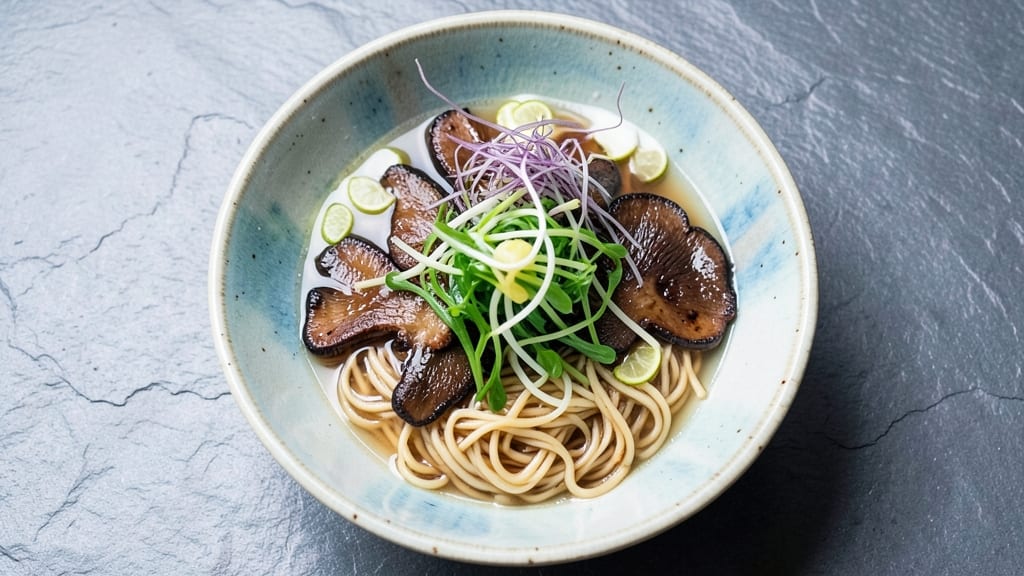
This vegetarian ramen with nagi bean sprouts delivers the perfect balance of crunchy texture and umami depth that elevates every bowl. The star ingredient—nagi bean sprouts—adds a satisfying snap while absorbing the rich, savory broth, creating a harmony of flavors that feels both traditional and modern.
I developed this recipe after realizing how much I missed that perfect ramen crunch without relying on meat, and the result is a dish that’s as comforting as it is impressive.
The foundation of this recipe lies in a vegetable-based broth that’s simmered for hours to develop deep, layered flavors—think mushrooms, kombu, and a touch of miso for that signature umami kick.
The nagi bean sprouts, lightly blanched to preserve their crispness, are tossed in just before serving, ensuring they stay vibrant and satisfyingly crunchy.
Optional additions like silken tofu or chili oil let you customize the dish to your taste, but the core remains simple: a broth so flavorful it stands on its own, paired with the freshness of the sprouts.
What makes this ramen truly special is how it transforms a simple bowl into an experience—golden noodles floating in a fragrant broth, topped with the bright green of nagi bean sprouts and finished with a drizzle of sesame oil.
The contrast of temperatures and textures—warm broth, cool sprouts, tender noodles—makes every bite feel intentional. Whether you’re serving it for a cozy night in or a gathering with friends, this recipe proves that vegetarian ramen can be just as bold and satisfying as the classic version.
Ready in about 45 minutes, this dish is perfect for weeknights when you crave something hearty yet light. The broth can be made ahead, so all you’ll need to do on the day you serve it is reheat and assemble.
Garnish with soft-boiled eggs, scallions, or a sprinkle of furikake for extra depth—your table will thank you.
Ingredients for ramen nagi bean sprout
Crunchy nagi bean sprouts and umami-packed broth make this vegetarian ramen unforgettable.
| Ingredient | Amount | Notes |
|---|---|---|
| Nagi Bean Sprouts 🌱 | 2 cups | Fresh, tightly packed |
| Dried Ramen Noodles 🍜 | 2 packages | Vegetarian, 3 oz each |
| Shiitake Mushrooms 🍄 | 8 whole | Stems removed, sliced |
| Kombu Seaweed 🍃 | 1 sheet | Dried, for broth |
| White Miso Paste 🥫 | 2 tbsp | High-quality, fermented |
| Fresh Ginger Root 🌿 | 1 inch | Peeled, sliced thin |
| Garlic Cloves 🧄 | 6 cloves | Minced, aromatic |
| Silken Tofu 🧈 | 8 oz | Soft, cubed optional |
| Sesame Oil 🫒 | 1 tbsp | Toasted, for finishing |
| Vegetable Broth 💧 | 4 cups | Homemade or low-sodium |
| Green Onions 🧅 | 3 whole | Sliced, for garnish |
| Chili Oil 🌶️ | 1 tbsp | Optional, for heat |
| Sesame Seeds 🌾 | 1 tsp | Toasted, for crunch |
| Salt 🧂 | 1 tsp | Kosher or sea salt |
| Black Pepper 🌶️ | ½ tsp | Freshly ground |
The nagi bean sprouts are absolute magic here—look for them in the produce section of Asian markets or well-stocked grocery stores. If you can't find them, regular mung bean sprouts work in a pinch, but they won't have that same satisfying crunch. The kombu sheet is non-negotiable for that signature ramen depth—Koyo brand is my go-to, but any dried kombu will do. For the mushrooms, shiitake is ideal, but cremini or oyster mushrooms will give you a similar earthy flavor. Fresh ginger and garlic? Always buy them whole—they keep longer and taste fresher when you prep them yourself.
No kombu? Dried seaweed snacks or nori sheets can be torn up as a substitute, though the flavor won't be identical. Short on miso? White miso is traditional, but red or barley miso works too—just adjust the amount to taste. The silken tofu is optional but adds a silky texture that balances the crunch. Trader Joe's sells it pre-packaged, which saves time. For the broth, homemade is best, but low-sodium vegetable broth in a pinch works too—just don't skip the kombu. The sesame oil should be toasted, not the flavored kind—look for 100% pure sesame oil in the international aisle.
This broth keeps for 5 days in the fridge, so make extra—it's perfect for other dishes too. The nagi bean sprouts stay crisp for 3 days if you store them in a sealed container with a paper towel. For the noodles, keep them uncooked in their package until you're ready to serve. The silken tofu can be prepped ahead and stored in the fridge for 3 days. Garnishes like green onions and sesame seeds add freshness, so don't skip them—they make all the difference!
Why You'll Love This Recipe
- No-Chop Needed: I swear by this one—just rinse the bean sprouts, tear the shiitake caps, and toss in the kombu while the water boils. The ramen’s already prepped, so you’re basically done before the noodles even soften. (Yes, even on a Tuesday night.)
- Umami Bomb: That miso-kombu broth? Chef’s kiss. The white miso adds this deep, savory punch, while the shiitake mushrooms bring that earthy richness—like a hug in a bowl. The nagi bean sprouts add a satisfying crunch that cuts through the creaminess.
- Lunchbox Hero: Between us, this is my go-to for meal prep. Double the batch, pack it in containers, and you’ve got a protein-packed lunch that tastes fresh all week. The noodles stay al dente, and the sprouts keep that crisp texture—no sad, soggy leftovers here.
- Pantry Staple Power: Honestly, I use this when I’m broke or lazy—or both. Dried ramen, kombu, and miso are all shelf-stable, and shiitake mushrooms last forever in the freezer. You’re basically turning pantry bits into a restaurant-worthy bowl for pennies.
Step-by-step instructions for ramen nagi bean sprout recipe
Here's how to create a vibrant, umami-packed ramen where crispy nagi bean sprouts meet rich, savory broth.
Prepare the Kombu Broth and Sauté Aromatics
Place the 1 sheet Kombu seaweed in a medium saucepan and cover with 4 cups vegetable broth. Bring to a gentle simmer over medium heat for 5 minutes—you'll see delicate bubbles forming at the edges. The kombu will infuse the broth with deep oceanic flavor. Remove the kombu and set aside (you can save it for another use).
In a separate skillet, heat 1 tablespoon sesame oil over medium-high heat. Add the 8 sliced shiitake mushrooms and cook for 4-5 minutes until they release their moisture and begin to brown. Push them to one side, then add 6 minced garlic cloves and 1 inch sliced fresh ginger root. Sauté for 30 seconds until fragrant—this is where the magic happens, building layers of aromatic depth.
Cook the Silken Tofu and Assemble the Base
Gently add the 8 oz silken tofu (cubed if preferred) to the skillet with mushrooms and aromatics. Cook for 2-3 minutes, just until lightly warmed through. The tofu should remain tender—overcooking will make it rubbery. Transfer everything to a large bowl and set aside.
In the same skillet, add 2 tablespoons white miso paste and stir vigorously for 30 seconds to create a smooth, glossy paste. Immediately pour in 1 cup of the kombu-infused broth and whisk until fully combined. This miso broth will form the rich, velvety foundation of your ramen. Taste and adjust seasoning with 1 teaspoon salt and 0.5 teaspoon black pepper—this is your flavor baseline.
Cook the Nagi Bean Sprouts and Noodles
While the broth simmers, rinse the 2 cups nagi bean sprouts under cold water to remove any dirt. Pat them dry with a clean towel—this ensures they'll stay crispy rather than soggy. In a separate pot, bring 3 cups fresh water to a boil and add the 2 packages dried ramen noodles. Cook according to package instructions until al dente—they'll finish cooking in the hot broth.
Drain the noodles and immediately rinse them under cold water for 10 seconds to stop the cooking process. This prevents them from becoming mushy when combined with the hot broth later. Add them to the bowl with the tofu and mushrooms, then pour the miso broth over everything. Stir gently to combine—you want the noodles to absorb just enough flavor without breaking apart.
Finish with Crunchy Toppings and Chili Heat
Divide the ramen among 4 bowls. For each serving, top with ½ cup nagi bean sprouts—their bright green color and crisp texture contrast beautifully with the rich broth. Drizzle with 1 tablespoon chili oil (if using) for a subtle kick, then sprinkle with ½ teaspoon sesame seeds and ½ whole sliced green onion. The combination of textures—crunchy sprouts, silky tofu, and tender noodles—makes every bite exciting.
Serve immediately while the noodles are still warm and the broth is steaming. The contrast of temperatures and textures is what makes this dish truly special. If you're feeling adventurous, add a few extra shiitake slices or a sprinkle of furikake for added depth. This ramen is all about balance—crunchy, creamy, umami, and fresh all in one bowl!
Pro Tips For Making Ramen Nagi Bean Sprout
- Soak Kombu First: Tear the kombu into strips and let it steep in hot water for 5 minutes before adding anything else—this pulls out the umami depth without overpowering the broth. I used to toss it in with the mushrooms, and the flavor was half as rich. Trust me, five minutes makes a real difference.
- Dry the Shiitake: Pat the shiitake caps very dry with a paper towel—wet mushrooms release too much water and dilute your broth. After soaking, squeeze them gently between your palms to wring out excess moisture. This isn’t the prettiest method, but it’s the tastiest.
- Cook Noodles Separately: Boil the ramen noodles in a separate pot until just al dente, then drain and rinse with cold water to stop cooking. Tossing them straight into the miso-broth turns them mushy and gummy. I learned this the hard way—overcooked noodles ruin the texture every time.
- Bloom Miso Last: Stir the white miso paste into the hot (but not boiling) broth right before serving—this keeps its creamy texture and prevents bitterness. If you add it too early, it turns gritty and loses its velvety mouthfeel. Sounds weird, but it works: wait until the last 30 seconds.
Pro cooking tips for ramen nagi bean sprout
Broth Simmering Secrets
The kombu broth is where the magic happens—simmer it just until delicate bubbles form at the edges (5 minutes), not a full boil. Overheating turns kombu bitter, and you want that oceanic sweetness to shine.
I use a stainless steel saucepan (like All-Clad) because it heats evenly and prevents hot spots that can scorch the kombu. Remove the sheet immediately after simmering—it’ll continue releasing flavor even when off the heat. 🌊
Miso Paste Mastery
White miso paste should be whisked vigorously for 30 seconds to create a smooth, glossy paste before adding broth. This prevents clumps that ruin the silky texture. I like to use a wire whisk for its durability, but a hand mixer on low works too.
Add the miso to the skillet first, then deglaze with broth—this creates a more concentrated umami base. Taste as you go; miso varies in saltiness, so adjust with kosher salt gradually. 🥫
Nagi Sprout Crunch
Rinse nagi bean sprouts under cold water to remove dirt, then pat them thoroughly dry with a clean towel. Any moisture left on them will turn to mush in the hot broth.
I like to toss them with ½ teaspoon toasted sesame oil before adding to the bowl—this enhances their natural flavor and adds a subtle nutty note. Add them last minute so they stay crisp; their texture should contrast the silky broth, not blend into it. 🌱
Noodle Perfection
Cook noodles just until al dente (usually 2-3 minutes less than package instructions), then rinse under cold water for 10 seconds to stop cooking. This prevents them from turning mushy when combined with hot broth.
I use a colander with large holes to drain them quickly—no one likes waiting for waterlogged noodles. The slight resistance of al dente noodles is key to the ramen experience. 🍜
Layered Flavor Assembly
Build your bowl in this order: noodles first, then broth, then toppings. This ensures the sprouts stay crisp on top rather than soggy at the bottom. I like to add a splash of hot broth to the bowl before assembling—it helps distribute flavors evenly.
For extra depth, reserve ¼ cup broth to drizzle over finished bowls. The contrast of temperatures (hot broth, cool sprouts) is what makes this dish feel restaurant-quality. ✨
Chili Oil Balance
If using chili oil, add it after assembling the bowl—this prevents the oil from breaking the broth’s emulsion. I recommend Lao Gan Ma for its balanced heat and smoky depth. Start with 1 teaspoon per bowl and adjust to taste; the oil’s flavor intensifies as it cools.
For a spicier kick, add ½ teaspoon chili flakes directly to the broth while simmering. The heat should complement, not overpower, the umami. 🌶️
Nutrition facts
Frequently asked questions
What makes nagi bean sprouts different from regular mung bean sprouts?
Nagi bean sprouts are a premium variety with a thicker, crunchier texture and a slightly sweeter, more delicate flavor compared to regular mung bean sprouts. They're often used in high-end ramen because they hold their shape better and add a luxurious crunch. If you can't find them, mung bean sprouts will work, but they'll be less crisp and slightly more bitter.
Can I substitute silken tofu with another protein?
For a firmer texture, try cubed extra-firm tofu (press and pan-fry first) or soft-boiled eggs for richness. If you prefer meat, shredded chicken or shrimp works beautifully—just cook them separately and add to your bowl. The key is to keep the protein tender so it doesn't overpower the delicate broth.
How do I prevent the nagi bean sprouts from getting soggy?
Pat them very dry after rinsing and add them to the bowl just before serving. For extra insurance, lightly toss them with ½ teaspoon sesame oil before adding. Never let them sit in the broth—they should stay crisp on top to provide that satisfying contrast against the warm noodles.
Can I make this recipe gluten-free?
Yes! Use gluten-free ramen noodles (like rice or corn-based) and check that your miso paste is certified gluten-free. Most white miso is naturally gluten-free, but always verify the label. The rest of the ingredients are already gluten-free, so this adaptation is straightforward with the right noodles.
What's the best way to store leftovers?
Store the broth and noodles separately in airtight containers in the fridge for up to 3 days. Reheat the broth gently, then add dry noodles to warm through. Keep the nagi bean sprouts separate until ready to serve—they'll stay fresh for 3 days in a sealed container with a paper towel. Never reheat the sprouts with the broth to maintain their crunch.