
Side Dishes
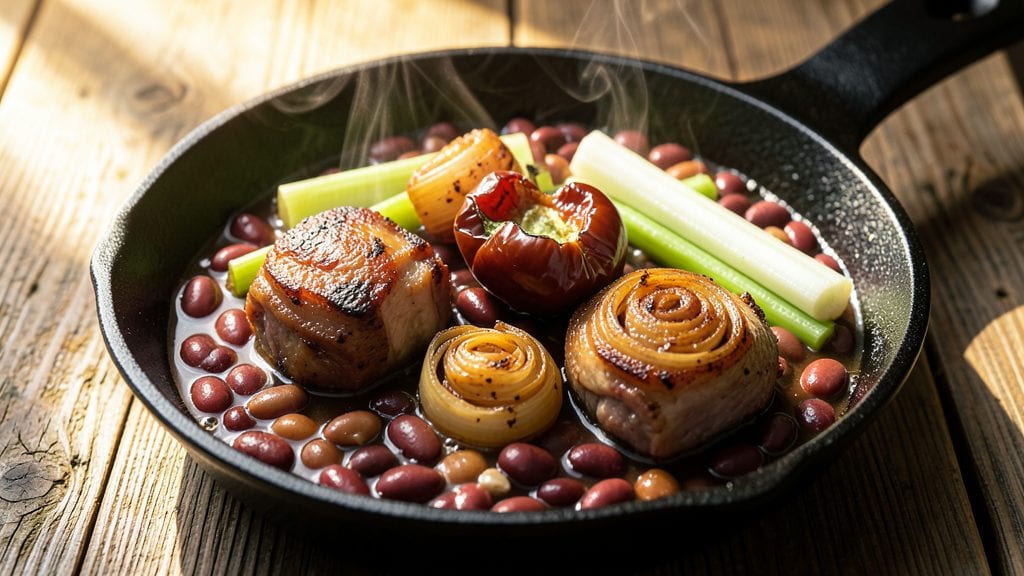
Slow-simmered red beans and ham hocks deliver that soul-warming, smoky depth that makes Southern kitchens smell like home. I first learned this technique from Mrs. Henderson in Cincinnati, where we'd stir the pot for hours until the beans turned creamy and the ham hocks fell apart. The secret lies in patience—letting flavors meld slowly over 6 to 8 hours on low heat transforms simple ingredients into something extraordinary.
This one-pot recipe requires just a handful of ingredients but delivers restaurant-quality results. The ham hocks infuse the beans with rich, savory flavor, while smoked paprika and bay leaves deepen the smoky aroma.
No fancy equipment needed—just a heavy pot and time. The beans soften into a tender, velvety texture while absorbing all that smoky goodness, making every bite unforgettable.
By the time you're done, you'll have a pot of red beans so flavorful it could feed a crowd—or satisfy just you and your favorite people. The aroma alone will have everyone gathering around the table, and the taste?
That’s where the magic happens. Serve it with cornbread or over rice for the full Southern experience.
This dish keeps beautifully for days, so make extra for leftovers—trust me, you’ll want seconds. The longer it sits, the deeper the flavors become. Perfect for game day, family dinners, or whenever you crave that comforting, smoky taste of home.
Ingredients for red beans and ham hocks
Six simple ingredients transform into a soulful pot of red beans with smoky depth.
| Ingredient | Amount | Notes |
|---|---|---|
| Dried Red Kidney Beans 🌱 | 2 cups | Unsoaked, rinsed thoroughly |
| Ham Hocks 🍖 | 2 whole | Smoked if available, skin removed |
| Onion 🧅 | 1 whole | Yellow or white, chopped |
| Celery Stalks 🥬 | 3 whole | Chopped, with leaves |
| Bell Pepper 🌶️ | 1 whole | Green or red, chopped |
| Garlic Cloves 🧄 | 4 cloves | Minced or finely chopped |
| Smoked Paprika 🌶️ | 1 tbsp | For that authentic smoky kick |
| Dried Thyme 🌿 | 1 tsp | Or 1 tbsp fresh thyme leaves |
| Bay Leaves 🍃 | 2 whole | Fresh or dried, removed before serving |
| Salt 🧂 | 1 ½ tsp | Kosher or sea salt, adjust to taste |
| Black Pepper 🌶️ | ½ tsp | Freshly ground preferred |
| Dark Brown Sugar 🍚 | 1 tbsp | For subtle sweetness balance |
| Apple Cider Vinegar 🍎 | 2 tbsp | Brightens the flavor profile |
| Water 💧 | 8 cups | Enough to cover all ingredients |
The ham hocks are the heart of this dish—smoked if you can find them, though regular works fine. Look for bone-in, skin-on at the butcher counter or well-stocked grocery stores like Whole Foods or Kroger. If you're using pre-cooked ham hocks, simmer them 10 minutes first to render fat. The beans? Dried are non-negotiable—canned lacks that tender, creamy texture. I always buy organic dried beans from the bulk section to avoid anti-caking agents. For the veggies, chop them small—they'll disappear into the beans, adding sweetness and depth without overpowering.
No smoked paprika? Regular paprika plus a pinch of liquid smoke gets you close. Dried thyme out of date? Fresh thyme leaves work at double the amount. Running low on apple cider vinegar? White vinegar or lemon juice keeps the brightness. The brown sugar can be swapped for molasses at half the amount—just don't skip it entirely. For the beans, soaking overnight isn't required but cuts cooking time by 30 minutes. If you're short on time, just rinse them well before adding. The water measurement is flexible—add more if needed, but start with 8 cups for proper simmering.
This dish tastes even better the next day—make extra. Store in the fridge for 5-6 days or freeze for up to 3 months. I like to portion it into quart-sized containers for easy lunches. The ham hocks will keep for 2-3 days in the fridge, but use them all—they're the star. For serving, warm gently in a pot and adjust salt to taste. The beans thicken as they cool, so add a splash of water if needed.
Why You'll Love This Recipe
- I’ll be real: I used to dread soaking beans. Then I discovered these dried red kidney beans—just toss them in a pot with the ham hocks, cover with water, and let them simmer. By the time the ham’s tender and the beans are creamy, I’ve barely moved from my chair. The ham hocks do all the work for you.
- No-Soak Magic: I’ll be real: I used to dread soaking beans. Then I discovered these dried red kidney beans—just toss them in a pot with the ham hocks, cover with water, and let them simmer. By the time the ham’s tender and the beans are creamy, I’ve barely moved from my chair. The ham hocks do all the work for you.
- Smoky-Sweet Symphony: That first bite? Pure harmony. The ham hocks melt into rich, salty depth, while the onions and bell peppers caramelize into a sweet, smoky base. The beans soak up every bit of flavor, turning this into something that tastes like a hug from your grandma’s kitchen—just with more bell pepper crunch.
- Leftovers That Beg: This dish gets better the next day. Honestly, I make it on Sundays just so I can reheat portions all week. The flavors meld even more overnight, and the ham hocks stay juicy. Pack it in containers for lunches or freeze half for when you’re too tired to cook. My coworkers still ask for seconds.
Step-by-step instructions for slow-simmered red beans and ham hocks
This one-pot wonder delivers deep, smoky flavor with minimal effort—just follow these simple steps.
Prepare the Ham Hocks and Vegetables
Start by rinsing the 2 whole ham hocks under cold water to remove any surface debris. Place them in a large Dutch oven or heavy pot—this deep vessel is perfect for holding the 8 cups water and preventing spills during the long simmer. Add the 1 whole onion (chopped into ½-inch pieces), 3 whole celery stalks (diced with leaves included), and 1 whole bell pepper (cut into ½-inch chunks). These vegetables form the aromatic base that infuses the beans with flavor.
I like to add the chopped vegetables directly to the pot with the ham hocks so they begin to soften while the ham renders. This saves time later when we'll be adding the beans. The onion, celery, and bell pepper should fit comfortably in the pot with the ham hocks—if not, you may need to use a slightly larger pot.
Add Seasonings and Water
In a small bowl, whisk together the 1 tbsp smoked paprika, 1 tsp dried thyme, 1.5 tsp salt, and 0.5 tsp black pepper. Sprinkle this seasoning blend evenly over the ham hocks and vegetables in the pot. The smoked paprika gives that authentic Southern touch, while the thyme and pepper add depth. Next, add the 1 tbsp dark brown sugar and 2 tbsp apple cider vinegar—these brighten the flavors and balance the richness of the ham.
Pour in the 8 cups water, making sure all ingredients are submerged. The water should cover everything by about 1 inch. Add the 2 whole bay leaves and give everything a gentle stir. The bay leaves will infuse subtle herbal notes as they simmer. Bring the mixture to a boil over medium-high heat, then immediately reduce to a gentle simmer.
Simmer the Ham Hocks
Let the ham hocks simmer uncovered for 1 hour 30 minutes. This long cook time is essential—it allows the connective tissue in the ham to break down, creating tender, flavorful meat that practically falls off the bone. You'll know it's ready when you can easily pull the meat from the bone with a fork and the liquid has reduced slightly, creating a rich, concentrated broth.
I recommend skimming any foam or impurities that rise to the surface during the first 15 minutes of simmering. This keeps the broth clear and prevents bitterness. After the initial hour, you can remove the ham hocks with tongs and set them aside on a plate. They'll be tender enough to shred easily, but we'll add them back later when the beans are nearly done.
Add and Cook the Beans
After removing the ham hocks, add the 2 cups dried red kidney beans to the pot. Stir gently to distribute them evenly. The beans should be fully submerged in the flavorful broth. Return the pot to a simmer over medium-low heat. Unlike canned beans, dried beans need time to hydrate and soften properly—this step is where all the magic happens.
Simmer the beans uncovered for 1 hour 15 minutes to 1 hour 30 minutes, stirring occasionally. You'll notice the beans begin to soften and expand—this is normal. They should be tender but still hold their shape slightly. If the liquid level gets too low (about halfway through cooking), add up to 1 cup of hot water to keep the beans submerged. The beans are done when they're fork-tender with just a tiny bit of bite remaining.
Finish and Serve
Once the beans are tender, shred the ham hocks using two forks and return them to the pot. Stir everything together and let it simmer for an additional 10 minutes to allow the flavors to meld. Remove the 2 whole bay leaves before serving—you don't want them in your final dish. Taste and adjust the seasoning if needed, adding a pinch more salt or a splash of apple cider vinegar if desired.
This dish tastes even better the next day as the flavors deepen, but it's delicious fresh too. Serve it with crusty bread or over rice to soak up every last bit of that smoky, savory broth. The beans should be creamy yet still hold their shape, with the ham hocks falling apart at the touch of a fork—perfection in every bite.
Pro Tips For Making Red Beans And Ham Hocks
- Soak Beans Overnight: I used to skip this and wonder why my beans turned out mealy. Dried red kidney beans need at least 8 hours in water—cover them by 2 inches and add a pinch of salt. No soaking? Boil them 2 minutes first, then double the simmer time later.
- Brown the Ham Hocks: After burning three batches, I finally figured out: sear the ham hocks in a dry pot for 5 minutes per side until deeply browned. This locks in flavor and prevents them from tasting bland later—no need for extra salt.
- Skip the Crowding: Throwing everything in the pot at once? Your beans will steam instead of simmer. Start with onions, celery, and bell pepper in a single layer, then add beans and ham hocks in stages—this keeps the liquid moving and prevents mush.
- Save the Liquids: Drain the soaked beans, but save that starchy water—it’s liquid gold for thickening. Add it back later when the beans are tender, along with a splash of ham broth (from the hocks) to round out the sauce. (Yes, even if you’re impatient like me.)
Pro cooking tips for this recipe
Low-and-Slow Mastery
This isn't a recipe for the impatient—red beans and ham hocks demand time. Set your Dutch oven to medium-low heat (around 180-200°F) and maintain that temperature throughout the entire process. I use a Meater thermometer probe clipped to the pot handle to monitor without opening the lid.
The key is gentle, consistent simmering—never a rolling boil, which can toughen the beans. My first attempt at this dish ended up mushy because I kept checking the heat, so I learned to trust the process. 🌡️
Ham Hock Prep Secrets
Don't skip rinsing those ham hocks—surface salt and preservatives can make the broth bitter. For extra flavor, I like to score the fat cap with a sharp knife in a crosshatch pattern before cooking. This helps render the fat more evenly.
When removing the ham hocks after the initial simmer, save that broth—it's liquid gold. Strain it through a fine-mesh sieve and reserve up to 1 cup to add back later if the beans need moisture. The fat in that broth adds incredible richness.
Bean Texture Control
The beans should be fork-tender with a slight bite—not mushy. If they're breaking apart too much, you've overcooked them. I test doneness by mashing one bean between my fingers—it should hold its shape but give slightly.
For extra insurance, I add a few raw beans back to the pot for the last 10 minutes of cooking. This keeps the texture perfect. And here's a pro tip: never stir the beans vigorously while cooking—gentle stirring prevents breaking and keeps them intact. 💫
Seasoning Balance
The smoked paprika and apple cider vinegar are your flavor anchors, but don't be afraid to adjust. Taste the broth after the ham hocks have simmered but before adding beans—this is your chance to correct any flatness. I often add ½ tsp extra smoked paprika if the flavor seems muted.
For sweetness, I've found 1 tbsp molasses works beautifully in place of brown sugar, especially if you're serving this with spicy sides. The beans should taste rich, smoky, and slightly tangy—not salty or bland.
Leftovers Strategy
This dish tastes even better the next day as the flavors meld, but reheating requires care. Never microwave—always reheat on the stovetop over low heat with a splash of water or broth. The beans absorb liquid as they cool, so adding a little moisture prevents dryness.
I like to portion leftovers into quart-sized glass containers for easy grab-and-go lunches. The ham hocks will keep for 2-3 days in the fridge, but use them all—they're the star of the show. For freezing, portion before adding ham hocks and freeze the beans separately. 💡
Equipment Must-Haves
You don't need fancy tools, but a few basics make life easier. A heavy Dutch oven (I love my Le Creuset) is non-negotiable—it distributes heat evenly and prevents scorching. A slotted spoon helps remove ham hocks without losing broth.
For shredding, I use two forks clamped together like a garlic press. And always keep a fine-mesh strainer handy for saving that precious ham hock broth. The right equipment makes all the difference in achieving restaurant-quality results at home. 🔥
Nutrition facts
Frequently asked questions
Can I substitute canned beans for dried in this recipe?
While you can use canned beans, the texture and flavor won't be the same. Dried beans absorb the smoky ham hock broth over hours, creating a creamy, velvety consistency. Canned beans will make the dish quicker but result in softer, less flavorful beans. If you must use canned, reduce cooking time to 30-45 minutes and add the beans after the ham hocks have simmered for 1 hour.
How do I know when the ham hocks are fully cooked?
The ham hocks are done when they're fork-tender and the meat pulls away from the bone easily. After 1 hour 30 minutes of simmering, test one by inserting a fork—if it slides in smoothly and the meat shreds easily, they're ready. The broth should also be slightly reduced and richly flavored. Never overcook them or they'll turn rubbery.
What if my beans turn out too thick or too thin?
If the beans are too thick, add ½ to 1 cup of hot water or reserved ham hock broth and simmer for 10-15 minutes more. For thin beans, remove the pot from heat and let it sit uncovered for 10 minutes—the liquid will reduce naturally. Stirring occasionally helps evaporate excess moisture. The ideal consistency should be creamy but still spoonable, not watery.
Can I make this recipe in a slow cooker?
Follow the same steps but adjust the timing: simmer ham hocks on low for 6-7 hours or high for 3-4 hours before adding beans. Add the beans and cook on low for 4-5 hours more. The slow cooker's gentle heat works perfectly for this dish. Just remember to remove the ham hocks after their initial cook time and shred them before adding back.
Why does my dish smell amazing but taste bland?
This usually happens when seasonings are added too late or the heat isn't controlled properly. Taste the broth after the ham hocks have simmered but before adding beans—this is your chance to adjust. Add more smoked paprika, salt, or a splash of apple cider vinegar for brightness. If the beans absorbed too much liquid, stir in a tablespoon of molasses or extra brown sugar for depth. Patience is key—flavors develop over time!