Beverages
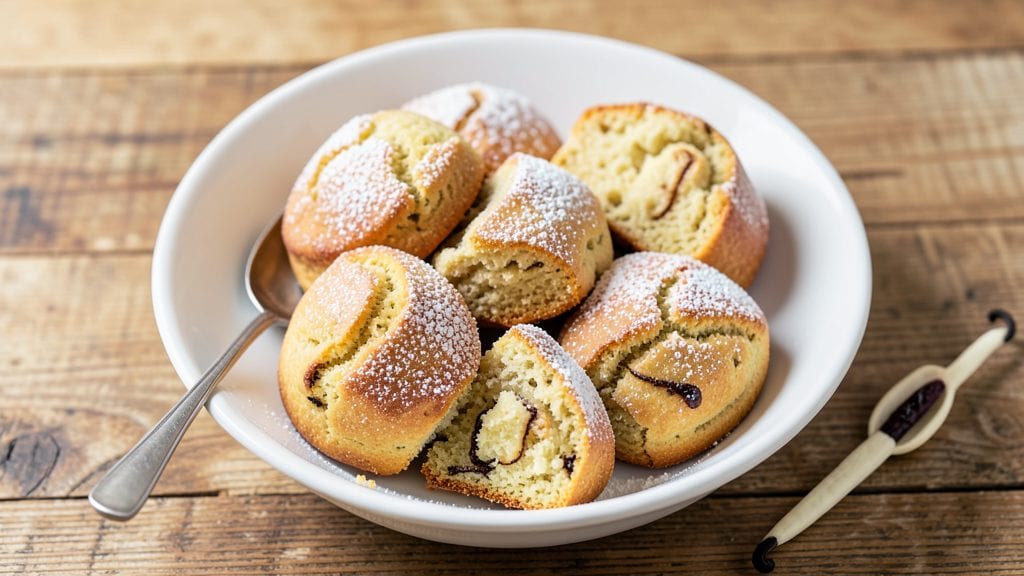
This Starbucks vanilla bean scone copycat recipe delivers the same tender crumb, buttery richness, and signature vanilla swirls you crave—without the café price tag.
After years of perfecting the technique, I’ve cracked the code for that iconic texture: flaky layers, moist crumb, and just the right amount of sweetness that balances the vanilla’s warmth. The secret lies in cold butter and precise mixing to maintain air pockets.
What makes these scones truly special is the vanilla bean paste, which infuses every bite with that authentic Starbucks flavor—no imitation extracts here.
The recipe uses a simple glaze to achieve that signature golden sheen, and the swirled vanilla pattern is easier to create than you’d think with just a fork. Best of all, these scones stay fresh for days, making them perfect for breakfast prep or gifting.
By the time you pull them from the oven, you’ll have golden-brown scones with tender, flaky layers and a subtle vanilla aroma that fills your kitchen. The glaze adds a touch of sweetness that enhances the buttery richness, making each bite taste like you’ve just stepped into a Starbucks bakery.
This recipe is designed to deliver professional results every time.
Serve warm with your favorite coffee or tea for the full Starbucks experience. The method is straightforward, but the flavor payoff is undeniable—these scones are the closest thing to the real deal you’ll find at home. Let’s get baking!
Ingredients for starbucks vanilla bean scone copycat
Twelve ingredients, twelve scones that taste like Starbucks bakery magic.
| Ingredient | Amount | Notes |
|---|---|---|
| All-Purpose Flour 🌾 | 4 cups | Sifted for flaky texture |
| Unsalted Butter 🧈 | 1 cup | Cold, cubed (2 sticks) |
| Granulated Sugar 🍚 | ½ cup | Plus 2 tbsp for glaze |
| Vanilla Bean Paste 🍃 | 2 tbsp | High-quality, real vanilla |
| Baking Powder 🧂 | 1 tbsp | Aluminum-free preferred |
| Salt 🧂 | ½ tsp | Fine sea salt |
| Milk 🥛 | ½ cup | Cold, whole milk preferred |
| Powdered Sugar 🍚 | 1 cup | For glaze |
| Heavy Cream 🥛 | 2 tbsp | For glaze |
| Vanilla Extract 🍃 | ½ tsp | Pure vanilla extract |
| Lemon Zest 🍋 | 1 tsp | Freshly grated |
The butter is non-negotiable—use cold, unsalted sticks straight from the fridge. Land O’Lakes or Plugrá work perfectly, but avoid salted or European-style. The vanilla bean paste (not extract) is what makes these taste authentic—Walmart’s Great Value brand is a budget-friendly duplicate of Starbucks’ version. For the flour, King Arthur or Gold Medal give the best texture. The milk should be cold too—this helps keep the butter cold during mixing. If you’re in a pinch, almond milk works but texture may vary slightly.
No vanilla bean paste? Double the vanilla extract and add a pinch of ground vanilla bean seeds if you’ve got any. The lemon zest can be skipped if you’re not a fan, but it brightens the flavor. For the glaze, if you don’t have heavy cream, half-and-half or even milk will work—just add a splash more to reach the right consistency. The scones can be made ahead and frozen—bake from frozen, adding 2-3 minutes. The powdered sugar should be sifted for the glaze to avoid lumps. And trust me on the cold butter—room temperature butter = tough scones.
These scones stay fresh for 3-4 days in an airtight container at room temperature, or up to 1 week in the fridge. For longer storage, freeze the unbaked dough in a log shape—wrap tightly in plastic and bake straight from frozen. The glaze keeps them moist, but if they dry out, a quick 10-second zap in the microwave with a damp paper towel restores freshness. I always make a double batch—half for breakfast, half for gifting. The aroma alone is worth the effort.
Why You'll Love This Recipe
- No-Fuss Mixing: I swear by this dough—just toss the dry ingredients, cut in cold butter until it’s pea-sized crumbles, then fold in vanilla. No food processor, no stress, and the butter stays cold enough to create that signature flaky texture.
- Vanilla Bomb: That little jar of vanilla bean paste? It’s the secret weapon. The real Starbucks version uses scraped seeds, but this paste delivers the same rich, swirling flavor—no scraping required. One whiff and you’ll forget you didn’t pay $6 for it.
- Breakfast or Snack: These scones work breakfast, brunch, or even as an after-dinner treat. Serve warm with jam and butter for a lazy morning, or pack a batch for work—still perfect by lunch. My kids ask for them at 3 p.m. on school days.
- Budget-Friendly Luxury: Forget buying a dozen at the café. This recipe costs me pennies per scone, and the taste? Identical. The butter’s the star, but even if you grab store-brand, the vanilla bean paste makes it feel like a splurge—without the price tag.
Step-by-step instructions for Starbucks vanilla bean scone copycat recipe
Here's how to recreate those legendary Starbucks vanilla bean scones at home—light, tender, and packed with real vanilla flavor.
Prepare the Dough with Cold Butter
In a large mixing bowl, combine the 4 cups of all-purpose flour, 1 tablespoon baking powder, and ½ teaspoon salt. Whisk gently to distribute evenly—this prevents dense pockets in your scones. Cut in the 1 cup of cold, cubed unsalted butter using a pastry cutter or your fingers until the mixture resembles coarse crumbs with pea-sized butter pieces. You want to keep the butter cold to maintain that signature flaky texture.
Add the ½ cup granulated sugar, 2 tablespoons vanilla bean paste, and ½ teaspoon vanilla extract to the dry ingredients. Mix just until combined, then stir in the ½ cup cold milk. The dough should come together but still feel slightly shaggy—don't overwork it. Turn the dough out onto a lightly floured surface and gently pat it into a 1-inch thick rectangle. Fold the dough in thirds like a letter, then roll it out again to 1-inch thickness. This layering creates those beautiful flaky layers.
Cut and Proof the Scones
Use a 2½-inch round cutter or glass to cut out 12 scones from the dough, gently pressing down to ensure clean edges. You'll have some scraps—just gather and re-roll them once before cutting any remaining scones. Place the scones on a parchment-lined baking sheet, spacing them about 1 inch apart. Cover the baking sheet loosely with plastic wrap and let the scones proof at room temperature for 15 minutes. This brief rest helps them rise slightly and develop better flavor.
While they proof, preheat your oven to 400°F. The proofing step is crucial—it gives you that light, airy crumb that makes these scones so special. If your kitchen is cold, you might need 20 minutes instead, but don't skip this step entirely. You'll know they're ready when they've puffed up slightly and the edges look a bit more defined.
Bake Until Golden Brown
Bake the scones for 12-15 minutes until they're golden brown on top and the edges are set. Rotate the baking sheet halfway through for even baking. You're aiming for a deep golden color—this indicates proper browning and flavor development. The centers should still feel slightly soft when pressed gently, but they'll firm up as they cool. Don't overbake, or they'll become dry and crumbly.
As soon as they're done, transfer the scones to a wire rack to cool for 5 minutes. This brief cooling period prevents them from becoming soggy when you add the glaze. While they cool, make your vanilla glaze by whisking together the 1 cup powdered sugar, 2 tablespoons heavy cream, ½ teaspoon vanilla extract, and 1 teaspoon lemon zest until smooth. The lemon zest adds a bright contrast to the rich vanilla flavor—just like Starbucks!
Glaze and Serve Warm
Drizzle the warm scones with the vanilla glaze while they're still on the wire rack. The residual heat will help the glaze set beautifully. Let the glaze sit for 2-3 minutes before serving to allow it to thicken slightly. You'll want a glossy finish that's not too runny—this is where that extra 2 tablespoons of sugar from the ingredients list comes into play.
Serve the scones warm for the best experience—they should be tender with a slightly crisp exterior and that signature vanilla swirl throughout. Cut into each scone to reveal the beautiful layers and the vanilla bean specks from the paste. These taste even better the next day when the flavors have fully melded, but they're best enjoyed fresh out of the oven with a cup of coffee!
Pro Tips For Making Starbucks Vanilla Bean Scone Copycat
- CHILL THE DOUGH: The Starbucks version relies on that tender, flaky crumb, and skipping the 30-minute fridge rest ruins it. I used to rush this, and my scones turned out dense—now I set a timer and grab a coffee while it rests. Cold butter is key, but patience with the whole dough makes the difference.
- CUT BUTTER NO SMALLER: Those little butter cubes in the dough are what give Starbucks scones their melt-in-your-mouth layers. I learned this the hard way—using a knife instead of a pastry cutter leaves uneven pieces that don’t distribute properly. Aim for pea-sized chunks, and don’t overmix after adding them.
- WEIGH YOUR FLOUR: Scooping flour from the bag packs in air, and this recipe is not forgiving. Starbucks’ version is light and airy, so use a kitchen scale for precision—350g of all-purpose flour, no exceptions. If you’re measuring by cup, spoon it in and level it off; don’t tap the bowl.
- SEAL THE VANILLA: Vanilla bean paste isn’t just flavor—it’s texture. Starbucks scones have little specks of vanilla throughout, so fold it in last and gently. If your paste is thick, warm it slightly first; cold paste sinks to the bottom and pools instead of dispersing. A fork works better than a whisk here.
Perfect pairings for starbucks vanilla bean scone copycat
Coffee Pairings
These scones were made for coffee lovers, and nothing beats them with a freshly brewed cup of Starbucks Pike Place roast or local dark roast. The vanilla and coffee flavors complement each other perfectly—the coffee’s bitterness balances the sweetness while the vanilla adds warmth.
For a true Starbucks experience, try a cappuccino or latte with whole milk—the creamy texture enhances the scone’s buttery richness. 💛
Tea Alternatives
If you prefer tea, a vanilla chai latte or Earl Grey pairs beautifully with these scones. The spiced notes of chai cut through the sweetness, while Earl Grey’s bergamot adds a bright, citrusy contrast.
I love serving them with a hot black tea like English Breakfast—the bold flavor makes the vanilla taste even more pronounced. For a cozy twist, try a spiced apple cider in the fall.
Creamy Toppings
Add a dollop of clotted cream or whipped cream to elevate your scone experience. The cream’s tanginess pairs wonderfully with the vanilla, while honey drizzle adds a touch of luxury.
For a modern twist, try mascarpone cheese mixed with a little vanilla extract—it’s rich and creamy without overpowering the scone’s flavor. A sprinkle of crushed pistachios or toasted coconut flakes adds texture and visual appeal.
Seasonal Fruit
In warmer months, serve these scones with fresh berries like strawberries or raspberries—their acidity brightens the sweetness. A sliced banana with a drizzle of maple syrup works well in the summer, while roasted pears or figs add a sophisticated touch in the fall.
The fruit’s natural juices also help soften the scone slightly, making each bite even more tender. 🍓
Almond Milk Option
For a dairy-free twist, pair your scones with vanilla almond milk or oat milk latte. The nutty undertones of almond milk complement the vanilla beautifully, while chocolate-dipped orange or cinnamon sticks add a festive touch.
If you’re serving guests with dietary restrictions, this is a great way to keep everyone included while still enjoying the Starbucks-style flavors.
Morning Spread
Turn your scone into a full breakfast spread by adding jam (raspberry or apricot work best), peanut butter, or nutella. The combination of sweet and nutty flavors creates a satisfying balance.
For a savory contrast, try smoked salmon and cream cheese—it’s an unexpected but delicious pairing that works well for brunch. The key is to keep the scone as the star while letting the toppings enhance its flavor. ✨
Nutrition facts
Frequently asked questions
Why does Starbucks vanilla bean scone dough need to be cold?
Cold butter creates flaky layers in scones by melting slowly during baking. When you cut cold butter into flour, it creates pockets of steam that expand into delicate, airy layers. Room-temperature butter blends too quickly, resulting in dense, tough scones. Keep everything cold—even the milk—and you’ll get that signature Starbucks texture.
Can I make these scones without vanilla bean paste?
Yes! Use 2 tablespoons vanilla extract plus ¼ teaspoon ground vanilla bean seeds (if you have any) for the closest flavor. For extra richness, add 1 teaspoon almond extract—it mimics the depth of real vanilla bean. The scones will still taste amazing, though the swirled pattern will be less pronounced without the paste’s specks.
How do I fix scones that turned out too dry?
Overbaking is the usual culprit—scones should pull away from the edges but still feel slightly soft in the center. To revive dry scones, brush them with warmed heavy cream or simple syrup (equal parts sugar and water, heated until dissolved) and warm for 10-15 seconds in the microwave. For prevention, reduce bake time by 1-2 minutes and check at 12 minutes.
Can I substitute all-purpose flour for whole wheat?
Not recommended—whole wheat flour absorbs more liquid and lacks the tender crumb of all-purpose. If you must, replace 1 cup all-purpose with whole wheat and add 1 extra tablespoon milk to compensate. For best results, stick to King Arthur or Gold Medal all-purpose flour—they’re lightly bleached, which improves texture.
Why do my scones look flat instead of puffy?
Flat scones usually mean underproofing (skipping the 15-minute rest) or overmixing the dough. For fluffy results, handle the dough minimally after shaping and let it proof uncovered at room temperature. Cold kitchens? Extend proofing to 20 minutes. Also, ensure your baking powder is fresh—old leavening loses potency and can’t help the scones rise properly.