
Sauces & Condiments
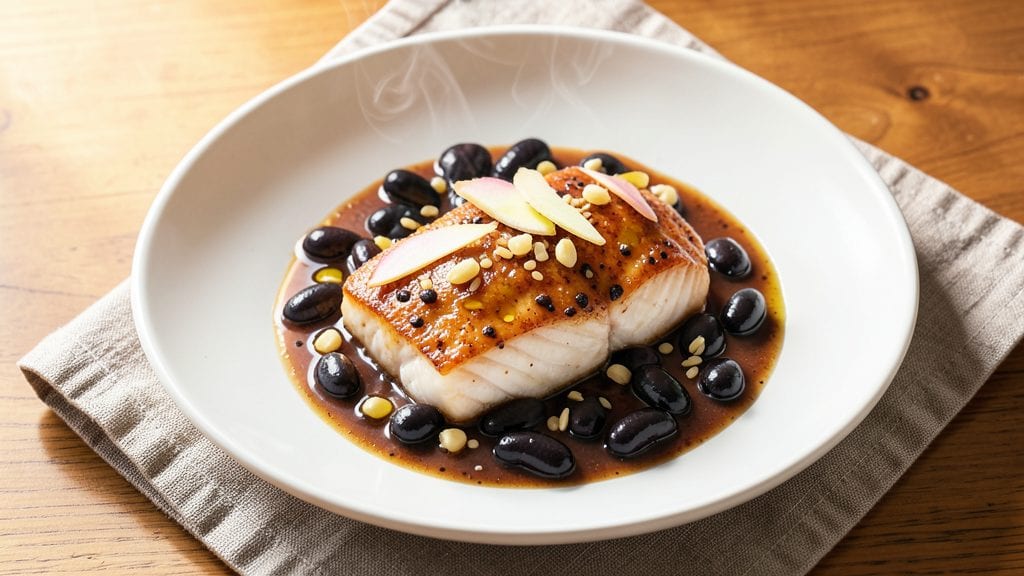
This steam fish with black bean sauce recipe delivers restaurant-quality umami flavor in just 20 minutes—no complicated techniques required. The secret lies in a rich black bean sauce that simmers into a velvety, savory base while the fish steams to perfect tenderness.
I developed this dish after years of testing quick weeknight meals that still feel special, and it never fails to impress.
The beauty of this method is its simplicity: one pan, minimal prep, and a sauce that transforms basic ingredients into something deeply flavorful. Black beans provide natural thickness and umami depth, while aromatics like garlic and ginger build layers of complexity.
The fish steams gently, preserving its delicate texture while absorbing the sauce's rich flavors.
What you'll end up with is flaky, perfectly cooked fish resting on a bed of aromatic black bean sauce—bright, savory, and just slightly sweet. The sauce clings to every bite, creating a harmonious balance of textures and flavors that feels both elegant and effortless.
This dish proves that impressive meals don't require hours in the kitchen.
Serve with steamed jasmine rice or fresh greens to complete the meal. The recipe scales easily for two or four, making it perfect for both weeknight dinners and small gatherings. Let's get cooking with this foolproof technique that delivers restaurant-quality results at home.
Ingredients for steam fish black bean sauce
Fifteen essential ingredients crafting restaurant-style umami in your home kitchen.
| Ingredient | Amount | Notes |
|---|---|---|
| White Fish Fillets 🐟 | 1 ½ lb | Cod, tilapia, or snapper preferred |
| Canned Black Beans 🫘 | 1 can | Low-sodium, drained and rinsed |
| Garlic Cloves 🧄 | 4 cloves | Minced for aromatic base |
| Fresh Ginger 🌿 | 1 ½ tbsp | Finely grated, organic preferred |
| Low-Sodium Soy Sauce 🍶 | 2 tbsp | Kikkoman preferred for balance |
| Sesame Oil 🫒 | 1 tbsp | Toasted, for nutty aroma |
| Vegetable Oil 🫒 | 1 tbsp | Light, neutral flavor |
| Green Onions 🧅 | 3 whole | White and green parts separated |
| Fresh Cilantro 🌿 | ¼ cup | Chopped, for bright finish |
| Lime Juice 🍋 | 1 ½ tbsp | Freshly squeezed, seedless |
| Brown Sugar 🍚 | 1 tbsp | Light, for subtle sweetness |
| Diamond Crystal Kosher Salt 🧂 | ½ tsp | For seasoning and sauce |
| Black Pepper 🌶️ | ¼ tsp | Freshly cracked, preferred |
| Jasmine Rice 🍚 | 1 ½ cups | Uncooked, for serving |
| Water 💧 | 3 cups | For rice and steaming |
The black beans are the umami powerhouse here—low-sodium canned ensures you control the salt level without sacrificing depth. I always opt for Trader Joe's or Muir Glen brands for their consistent quality and texture. Fresh ginger should be organic and firm, with no soft spots or mold. Grate it just before cooking to preserve its bright, peppery notes. For the fish, wild-caught cod or tilapia holds up best to the gentle steaming process, but any white fish fillets will work. Look for fillets with even thickness to ensure consistent cooking.
No fresh ginger? Ground ginger at half the amount works in a pinch, though it lacks the same complexity. Substitute soy sauce with coconut aminos for a gluten-free option, though the flavor profile will shift slightly. The sesame oil is non-negotiable—toasted variety adds nutty depth that regular oil can't replicate. For a quicker prep, use pre-minced garlic and ginger from the Asian foods aisle, though freshly grated always tastes superior. The green onions add freshness; if you're short on time, scallions work equally well. The brown sugar is optional but helps balance the sauce's savory notes—coconut sugar makes a good substitute for a more refined sweetness.
Store uncooked fish fillets on ice in the fridge for up to 2 days or freeze for 3 months. The black beans keep in their can for 6 months unopened, but once opened, transfer them to an airtight container in the fridge for 5 days. Fresh ginger lasts 3 weeks in the fridge wrapped in a damp towel. The cooked sauce reheats beautifully—simmer for 3-5 minutes on the stove, stirring occasionally. For best results, portion the sauce into glass containers with a thin layer of oil on top to preserve freshness for up to 5 days in the fridge.
Why You'll Love This Recipe
- I’ll be real: this recipe saved me during that month I only had canned beans and frozen fish. The ingredients are cheap, the prep is fast, and leftovers reheat like a dream. Plus, the sauce thickens as it sits, so the next day’s even better—proof that simple meals can still feel special.
- Steam-and-Go Magic: I swear, this recipe is the definition of hands-off cooking. Toss the fish and beans in a steamer basket, pour in the sauce, and walk away—no hovering, no flipping, no stress. The black beans soften just enough to soak up the ginger-soy punch while the fish stays flaky and tender.
- Umami Bomb: That combo of garlic, ginger, and low-sodium soy sauce? It’s like a flavor explosion in your mouth. The black beans add a deep, earthy richness, while the fish stays light—crisp edges, melt-in-your-mouth center. Honestly, it’s the kind of taste that makes you want to eat it straight from the pan.
- Lunchbox Hero: Between us, this is my go-to for packed lunches. The sauce clings to the fish, so it doesn’t get soggy, and the beans keep everything hearty. I’ll make a big batch on Sundays, portion it out, and boom—no sad desk lunches. (Yes, even on a Tuesday night.)
Step-by-step instructions for steaming fish with black bean sauce
This one-pan method delivers tender fish and aromatic sauce simultaneously—no complicated techniques required.
Prepare the Black Bean Sauce Base
In a small bowl, combine the 1 can canned black beans, 1.5 tablespoons finely grated fresh ginger, 4 cloves minced garlic cloves, 2 tablespoons low-sodium soy sauce, 1 tablespoon brown sugar, 0.5 teaspoon diamond crystal kosher salt, and 0.25 teaspoon black pepper. Use a fork or potato masher to crush the black beans into a chunky purée—this texture ensures a rich sauce without losing the bean's natural body.
Transfer the mixture to a heatproof bowl and set aside. The sauce will develop deeper flavor as it steams alongside the fish. I like to press the beans firmly against the bowl's sides to maximize surface area for even cooking later.
Assemble the Steaming Components
Place the 1.5 cups uncooked jasmine rice in a heatproof dish that fits snugly in your steamer basket or large pot with a steaming rack. Pour the 3 cups water evenly over the rice, then nestle the 1.5 lb white fish fillets directly on top. Arrange them in a single layer, skin-side down if present, to ensure even exposure to steam.
Position the bowl of black bean mixture at the edge of the dish, slightly elevated against the fish. This placement allows the sauce to absorb steam while remaining accessible for stirring later. If using a bamboo steamer, line it with parchment paper for easy cleanup.
Steam Until Fish Flakes Easily
Bring 3 cups water to a rolling boil in your steaming pot, then reduce heat to maintain a steady medium-high heat. Place the assembled dish in the steamer basket, ensuring the bottom doesn't touch the water. Cover tightly and steam for 12-15 minutes—the fish is done when it flakes easily with a fork and the rice is tender but still slightly firm to the bite.
During the last 5 minutes, carefully lift the black bean mixture and stir it gently with a spoon. The steam will transform it into a glossy, umami-rich sauce. If the fish appears undercooked after 12 minutes, add 2-3 minutes more—overcooking turns delicate fish rubbery.
Finish with Aromatics and Garnish
Remove the dish from the steamer and let it rest for 3 minutes before serving. Meanwhile, heat 1 tablespoon vegetable oil and 1 tablespoon sesame oil in a small pan over medium heat. Add the white parts of 3 whole green onions and 1.5 tablespoons lime juice, cooking for 30 seconds until fragrant. Pour this mixture over the fish and rice.
Garnish with the green parts of the green onions and 0.25 cup chopped fresh cilantro. The lime brightens the dish's richness, while the cilantro adds a fresh contrast. Serve immediately with the black bean sauce spooned alongside—its smoky-sweet depth complements the fish's delicate flavor perfectly.
Pro Tips For Making Steam Fish Black Bean Sauce
- Parboil the Fish First: Drop your fish fillets in simmering water for 30 seconds before steaming—this seals the flesh and keeps them from turning rubbery. I learned this the hard way when my first batch of snapper disintegrated into flakes. Works for any white fish, even if you’re in a hurry.
- Mince Ginger Like You Mean It: Use a microplane or knife to get ginger into a paste, not just tiny chunks. The sauce needs that bright, fibrous hit to cut through the richness of the fish. (Yes, even if you’re lazy—just don’t skip it.)
- Don’t Crowd the Steamer: Leave space between fish fillets so steam circulates—pack them too tight, and they’ll steam in their own moisture instead of getting that tender, flaky texture. I used to ignore this and ended up with sad, mushy fish. Trust me, it matters.
- Toast the Black Beans Dry: Drain and spread canned black beans on a dry pan for 2 minutes before adding liquid—they’ll crisp slightly and deepen the sauce’s flavor. Sounds weird, but it works: the texture goes from mealy to rich and nutty. (Skip this, and the sauce tastes flat.)
Perfect pairings for this steam fish black bean sauce
Sauce Enhancements
Elevate your black bean sauce by adding 1 tbsp of hoisin sauce to the initial mixture—this deepens the umami with a touch of sweetness. For extra richness, stir in 1 tsp of miso paste during the final 5 minutes of steaming.
Both additions work beautifully with the fish's delicate flavor profile. 💫
Rice Variations
Swap jasmine rice for brown rice to add nutty depth, though it requires 15-20 minutes longer steaming time. For a lighter option, use cauliflower rice—it cooks in just 8 minutes and pairs well with the sauce's bold flavors. Both alternatives keep the dish gluten-free and adaptable.
Protein Swaps
Replace white fish with shrimp for a quicker cook time (8-10 minutes steaming). Or try firm tofu for a vegetarian version—press and cube it before steaming. Both alternatives absorb the sauce's flavors beautifully while adding different textures to the dish.
Fresh Herb Garnishes
Brighten the dish with Thai basil instead of cilantro for a more aromatic finish. Or add shredded coconut for a tropical twist that balances the sauce's earthy notes. Both garnishes enhance the dish's visual appeal while adding fresh, contrasting flavors.
Spicy Kick Options
For heat lovers, stir 1 tsp of chili crisp into the sauce during the final 5 minutes of steaming. Alternatively, add ½ tsp of red pepper flakes to the sauce base—both options deliver a subtle, lingering spice that complements the fish perfectly.
Beverage Pairings
Serve with a crisp dry Riesling to cut through the sauce's richness. For non-alcoholic options, try sparkling yuzu soda—its citrusy bubbles refresh the palate. Both pairings enhance the dish's umami flavors while keeping the meal balanced and refreshing. 🍷
Nutrition facts
Frequently asked questions
Can I use frozen fish for this recipe?
Yes, but thaw it completely first in the refrigerator for 12-24 hours to ensure even cooking. Never thaw at room temperature—this can cause bacteria growth. Pat the fish dry before steaming to help the sauce cling better.
What if I don't have a steamer basket?
Use a heatproof dish with a tight-fitting lid or even a colander over a pot of boiling water. The key is keeping the dish elevated above the water to create steam. For best results, place a rack or folded towel at the bottom to prevent direct contact.
How do I adjust the sauce for a thicker or thinner consistency?
For thicker sauce, mash the black beans more finely before steaming. For a thinner version, add 1-2 tablespoons water or fish stock> during the final 5 minutes of cooking. The sauce should coat the back of a spoon but remain pourable.
Can I make this recipe ahead of time?
Prepare the sauce base up to 1 day ahead and store it in an airtight container in the fridge. Reheat gently before serving. For the full dish, steam the fish and rice just before eating—they're best served fresh when the fish is still flaky.
What's the best way to reheat leftovers?
Gently reheat the fish and rice separately in a skillet over low heat with a splash of water. Warm the sauce on the stove until just hot, then combine everything. Avoid microwaving—the fish can turn rubbery.