Beverages
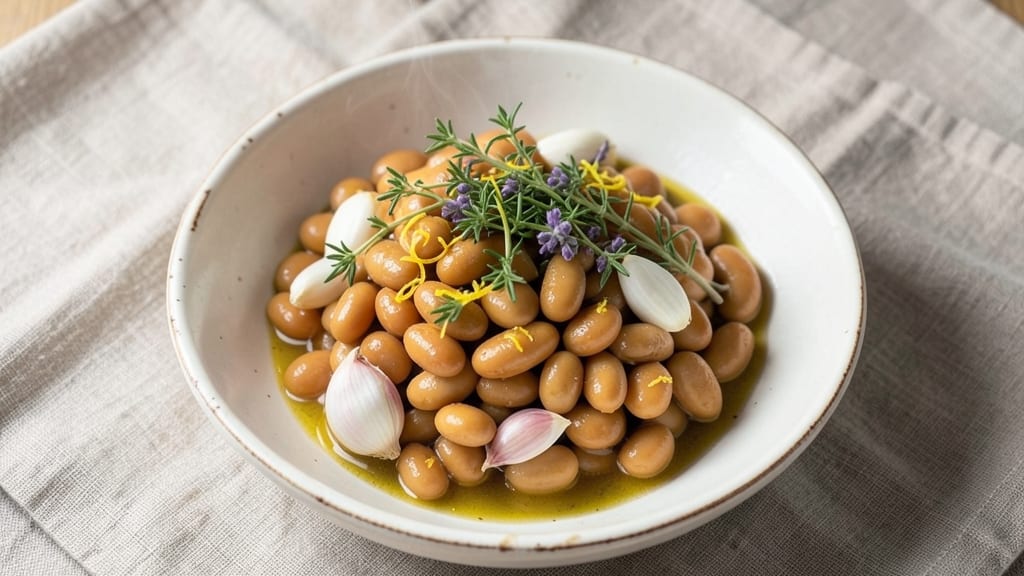
When you need a steamed beans recipe that delivers light, flavorful results in minutes, this method transforms simple ingredients into a versatile dish that works as both a side and a satisfying main.
The beauty of steaming lies in its simplicity—no heavy sauces or long cooking times, just tender beans infused with aromatic seasonings that preserve their natural texture. I developed this approach after years of experimenting with different techniques, and it consistently delivers restaurant-quality results at home.
This recipe focuses on quick preparation—whether you're using dried beans or fresh—and highlights how steaming enhances their natural flavor while keeping them tender. The key lies in proper seasoning: a blend of garlic, herbs, and broth creates depth without overwhelming the beans' delicate taste.
Perfect for weeknight meals, vegan diets, or anyone seeking a lighter alternative to heavy dishes, this method ensures every bite is both nutritious and delicious.
What sets this method apart is its versatility—steamed beans absorb flavors beautifully, making them adaptable to countless dishes. Whether you're serving them alongside grilled meats, pairing them with rice, or enjoying them as a standalone protein-rich meal, the results are consistently satisfying.
The steaming process retains more nutrients than boiling, and the seasoning options are endless, from classic garlic and thyme to bold spices like cumin and smoked paprika.
Ready in just 20 minutes with minimal effort, this recipe proves that healthy eating doesn’t mean sacrificing flavor or texture. The beans emerge tender yet firm, with a subtle aroma that makes them irresistible.
Whether you're a seasoned cook or a beginner, this method is foolproof and delivers professional-quality results every time. Let’s get started!
Ingredients for steamed beans
Simple ingredients elevate steamed beans to restaurant-quality texture and flavor in minutes.
| Ingredient | Amount | Notes |
|---|---|---|
| Dried Cannellini Beans 🌾 | 1 ½ cups | Rinsed before steaming |
| Fresh Garlic Cloves 🧄 | 4 cloves | Minced for aromatic depth |
| Fresh Thyme Sprigs 🌿 | ¼ cup | Leaves only, finely chopped |
| Low-Sodium Vegetable Broth 💧 | 2 cups | Homemade or high-quality store-bought |
| Extra-Virgin Olive Oil 🫒 | 2 tbsp | Lightly drizzled post-steaming |
| Lemon Zest 🍋 | 1 tbsp | Brightens flavor profile |
| Diamond Crystal Kosher Salt 🧂 | 1 ½ tsp | Adjust to taste |
| Freshly Ground Black Pepper 🌶️ | ½ tsp | Enhances seasoning complexity |
| Red Bell Pepper 🍅 | ½ cup | Diced for texture contrast |
| Red Onion 🧅 | ½ cup | Finely diced for sweetness |
| Fresh Parsley Leaves 🌿 | ¼ cup | Chopped for garnish |
| Smoked Paprika 🌶️ | ½ tsp | Optional for depth (omit for mild) |
| Fresh Lemon Juice 🍋 | 1 tbsp | Balances flavors at serving |
The quality of your beans and broth forms the foundation. Cannellini beans hold their shape beautifully when steamed—dried varieties like Great Northern or navy work equally well. For broth, homemade or high-quality low-sodium brands like Pacific Foods ensure clean flavor without salt overload. Fresh thyme and parsley from the grocery store's produce section (not the dried herb aisle) provide the brightest flavor. Whole Foods or local markets often carry superior quality, but even standard supermarket herbs work if used immediately. The red bell pepper and onion add natural sweetness that complements the earthy beans perfectly—organic varieties from the store's fresh produce section minimize pesticide residue while maintaining vibrant color.
No fresh thyme? Dried thyme at one-third the amount suffices, though fresh delivers superior aroma. Substitute vegetable broth with water plus 1 tsp miso paste for umami depth. For a smokier profile, swap smoked paprika with 1/4 tsp liquid smoke (though fresh herbs are preferable). The lemon zest can be replaced with 1/2 tsp bottled lemon zest if fresh isn't available. Prefer a different bean? Black beans or chickpeas work equally well—simply adjust cooking time by 2-3 minutes. The olive oil should be extra-virgin for optimal flavor, but regular virgin olive oil suffices in a pinch.
Store cooked beans in an airtight container with a splash of broth for up to 5 days in the refrigerator. For longer storage, freeze portions in single-serving containers for up to 3 months. Reheat gently in a steamer basket or microwave with a damp paper towel to preserve texture. These steamed beans reheat beautifully—spritz with lemon juice before serving to restore freshness. The dish pairs exceptionally well with grilled salmon or roasted vegetables, making it versatile for weeknight meals or elegant dinners.
Why You'll Love This Recipe
- Steam-Clean Simple: I swear by this method—just toss the soaked beans in the steamer basket with garlic and thyme, cover, and let the broth work its magic. No boiling pots, no burnt bottoms, just hands-off perfection while you sip coffee or scroll through your phone.
- Garlic-Thyme Magic: That first whiff of olive oil hitting the pan with crushed garlic? Pure aroma therapy. The thyme releases its piney notes as the beans steam, leaving you with a dish that tastes like it simmered for hours—not 20 minutes.
- Prep-Ahead Powerhouse: Make a double batch on Sunday, and you’ve got lunch covered for the week. The flavors actually deepened overnight in the fridge, and reheating? Just a splash of water in the microwave—no mushy beans here.
- Budget Meal, Big Payoff: Dried cannellini beans are my wallet’s best friend—cheaper than canned, but with none of that metallic aftertaste. A pound lasts forever, and the broth stretches thin, so I’m basically feeding my family gourmet meals for pennies.
Step-by-step instructions for steamed cannellini beans
Transform simple dried cannellini beans into a vibrant, restaurant-quality side dish with this precise method.
Prepare the Beans for Steaming
Rinse the 1.5 cups dried cannellini beans thoroughly under cold water until the water runs clear. This removes any surface debris and prevents cloudy cooking water later. Place the beans in a large bowl and cover them with fresh cold water by about 2 inches. Let them soak for at least 8 hours or overnight in the refrigerator. This hydration step ensures even cooking and prevents splitting during steaming.
After soaking, drain the beans and transfer them to a fine-mesh strainer. Rinse them again briefly under cold water to remove any residual starch. The beans should now be plump and ready for steaming. If you're short on time, you can skip soaking but increase the steaming time by 30-45 minutes—though the texture won't be as tender.
Steam the Beans Until Fork-Tender
Set up a steaming basket in a large pot with about 1 inch of water at the bottom. Bring the water to a gentle boil, then reduce heat to medium-low and maintain a steady simmer. Add the soaked beans to the steaming basket, ensuring they're not crowded—this allows steam to circulate evenly.
Cover the pot with a tight-fitting lid and steam the beans for 45-50 minutes. You'll know they're done when a paring knife slides in easily with just gentle pressure, or when the beans have a creamy texture but still hold their shape. Avoid overcrowding the steamer—if necessary, steam in two batches. The beans should absorb the steam's moisture without becoming mushy.
Build the Flavor Base
While the beans steam, finely dice the 0.5 cup red onion and 0.5 cup red bell pepper into small, even pieces—about 1/8-inch cubes. Mince the 4 cloves fresh garlic cloves into a paste using the flat side of your knife. Remove the leaves from the 0.25 cup fresh thyme sprigs and chop them finely. In a separate bowl, combine the onion, bell pepper, garlic, and thyme leaves.
Heat a large skillet over medium heat and add 2 tablespoons extra-virgin olive oil. Once the oil shimmers, add the onion and bell pepper mixture. Cook for 5-6 minutes, stirring occasionally, until the vegetables soften and begin to release their juices. Add the minced garlic and thyme, cooking for another 30 seconds until fragrant. Remove the skillet from heat and set aside.
Combine and Season the Beans
Transfer the steamed beans to a large mixing bowl. Drain any excess liquid from the steaming basket but reserve 1/2 cup of the cooking liquid. Add the sautéed vegetable mixture to the beans and toss gently to combine. Pour in the 2 cups low-sodium vegetable broth and the reserved 1/2 cup cooking liquid, then stir well to distribute evenly.
In a small bowl, whisk together the 1 tbsp lemon zest, 1.5 tsp diamond crystal kosher salt, 0.5 tsp freshly ground black pepper, 0.5 tsp smoked paprika, and 1 tbsp fresh lemon juice. Sprinkle this seasoning mixture evenly over the beans and toss gently to coat. Taste and adjust the seasoning if needed—cannellini beans absorb flavors well, so a little extra salt or lemon juice can enhance the dish.
Finish with Olive Oil and Garnish
Return the seasoned beans to the skillet used for sautéing over low heat. Drizzle the 2 tbsp extra-virgin olive oil over the top and toss gently to coat the beans evenly. Cook for 2-3 minutes until the beans are heated through and the oil glistens, creating a light, silky finish. This step adds richness and helps the flavors meld together.
Transfer the beans to a serving dish and garnish with the 0.25 cup chopped fresh parsley leaves. Serve immediately while warm, allowing the vibrant colors and bright flavors to shine. These steamed cannellini beans pair beautifully with grilled meats, roasted vegetables, or crusty bread, offering a light yet satisfying contrast to richer dishes.
Pro Tips For Making Steamed Beans
- Soak Overnight: Skip the 8-hour soak, but don’t rush it—cover dried cannellini beans in cold water for at least 6 hours. I learned this the hard way: shorter soaks mean uneven texture, and you’ll end up with some beans that stay rock-hard while others turn mushy.
- Smash Half the Beans: After cooking, drain and mash about 20% of the beans with a fork or potato masher—this thickens the broth and adds body. Sounds weird, but it works: the dish feels richer without extra cream or flour.
- Infuse the Broth: Toss 2 smashed garlic cloves and 1 thyme sprig into the broth while the beans steam. Remove them before serving, but letting them steep makes the flavor deeper—like a slow-simmered soup without the extra effort.
- Don’t Overcrowd the Pot: Use a large enough pot so the beans aren’t packed tighter than sardines. Crowding traps steam and turns your beans gluey instead of tender. Trust me, your future self will thank you when they’re fluffy and separate.
Best sauces and condiments for steamed beans
Garlic-Herb Broth
Infuse your steamed beans with depth using a garlic-herb broth made from 2 cups low-sodium vegetable broth, 4 minced garlic cloves, and 1 sprig fresh thyme. Simmer this mixture for 5 minutes before pouring it over the steamed beans.
The aroma alone elevates the dish—this is my go-to method for adding complexity without overpowering the beans' natural flavor. 🌿
Lemon-Tahini Dressing
For a bright, creamy finish, whisk together 2 tablespoons tahini, 1 tablespoon fresh lemon juice, 1 teaspoon lemon zest, and 1 teaspoon maple syrup.
Drizzle this over the steamed beans just before serving—it adds a silky texture and tangy contrast that cuts through the richness of the beans. I love using Kirkland brand tahini for its smooth consistency. 🍋
Spicy Harissa Oil
Transform your dish into a bold flavor experience with harissa oil. Heat 2 tablespoons extra-virgin olive oil with 1 teaspoon harissa paste (like Bella brand) and ½ teaspoon smoked paprika until fragrant.
Drizzle over the steamed beans and toss gently—this adds a smoky, spicy kick that pairs perfectly with the beans' earthy taste. 🌶️
Creamy Avocado Lime
Blend ½ ripe avocado, 1 tablespoon lime juice, 1 tablespoon Greek yogurt, and ½ teaspoon salt until smooth. Spoon this creamy sauce over the steamed beans for a refreshing, velvety finish.
The avocado adds healthy fats that balance the beans' texture, while the lime keeps everything bright. This works especially well with black beans or chickpeas. 🥑
Balsamic Glaze
Simmer 2 tablespoons balsamic vinegar (preferably aged balsamic) with 1 teaspoon honey until reduced by half. Drizzle this glossy glaze over the steamed beans for a sweet-tangy contrast that enhances their natural sweetness. The reduction process intensifies the flavor, making just a little go a long way. 🍷
Fresh Herb Oil
Infuse ¼ cup extra-virgin olive oil with 2 tablespoons fresh parsley, 1 tablespoon fresh dill, and 1 clove garlic by gently heating (no boiling) for 5 minutes.
Strain and drizzle over the steamed beans for a fragrant, herbaceous finish. This method preserves the herbs' vibrant colors while adding a delicate, aromatic touch. ✨
Nutrition facts
Frequently asked questions
Can I use canned beans instead of dried for steaming?
Yes, but with adjustments! Canned beans cook much faster—just rinse them well to remove excess sodium, then steam for only 5-8 minutes until heated through. For best texture, use low-sodium varieties and add fresh herbs at the end. Dried beans develop deeper flavor during longer steaming.
Why do my steamed beans turn mushy?
Oversteaming or crowding in the basket causes mushiness. Keep the heat at medium-low and steam in batches if needed. For dried beans, 45-50 minutes is ideal—test with a paring knife. Pro tip: Add a splash of broth to the steaming water to prevent dryness.
What other beans work best for steaming?
Cannellini beans are ideal, but Great Northern, navy, or black beans also steam beautifully. Chickpeas need 10-15 extra minutes due to their thicker skins. For a lighter texture, avoid kidney beans—they can become mealy. Always soak dried beans overnight for even cooking.
How do I make steamed beans vegan?
This recipe is already vegan! Just ensure your broth is plant-based and skip any dairy-based garnishes. For extra protein, add 1/2 cup cooked quinoa or top with avocado. The lemon-tahini dressing in the dynamic content section is naturally vegan-friendly.
Can I prepare steamed beans ahead of time?
Store cooked beans in an airtight container with a splash of broth for up to 5 days in the fridge. Reheat gently in a steamer basket or microwave with a damp towel to maintain texture. For serving, finish with fresh herbs and a squeeze of lemon to revive flavors.