Side Dishes
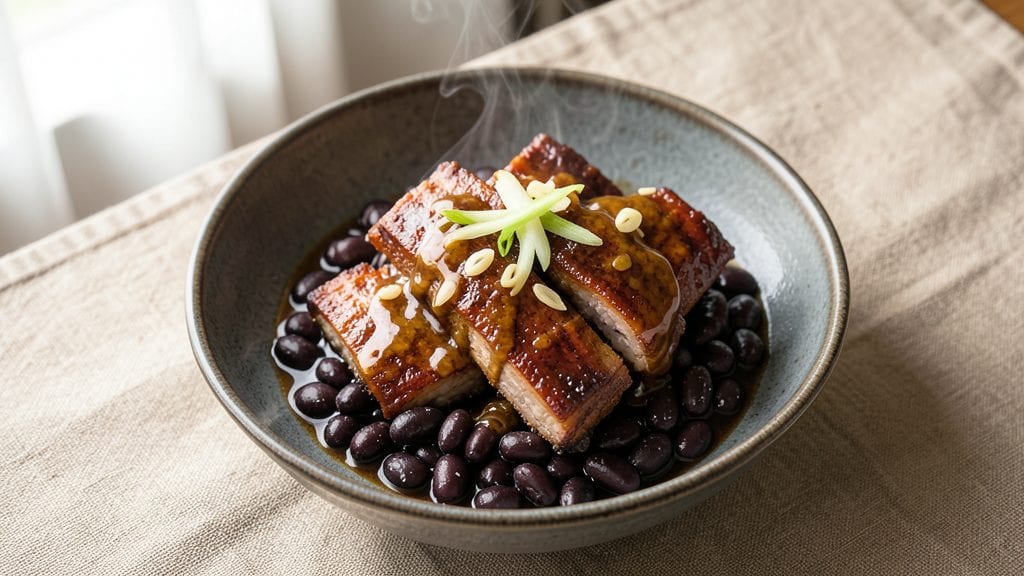
This steamed pork ribs with fermented black beans recipe delivers restaurant-quality tenderness with a bold umami punch that transforms simple ingredients into something extraordinary. The fermented black beans aren't just a side—they're the secret weapon that infuses the ribs with deep, savory complexity while keeping them perfectly moist.
I first discovered this technique while researching traditional Chinese steaming methods, and it changed how I approach ribs forever.
The beauty of steaming lies in its simplicity: no heavy marinades, no long grilling sessions, just gentle heat that renders fat while preserving texture. Fermented black beans add a tangy, funky depth that cuts through the richness of the pork, creating a balance that's both sophisticated and approachable.
What makes this recipe truly special is how it transforms tough cuts into melt-in-your-mouth bites without drying them out.
By the time you finish steaming, you'll have ribs that are crisp at the edges yet tender throughout, bathed in a glossy sauce infused with fermented black bean essence. The aroma alone will have everyone gathering around the table, and each bite delivers that perfect harmony of textures and flavors.
This dish pairs beautifully with steamed greens or jasmine rice to create a complete, restaurant-worthy meal.
What I love most about this method is its versatility—it works equally well for weeknight dinners or special occasions, and the leftovers reheat perfectly. The fermented black beans can be found in most Asian markets or well-stocked grocery stores, making this recipe accessible without sacrificing authenticity.
Let's get started on creating these umami-packed ribs that will impress even the most discerning eaters.
Ingredients for steamed pork ribs with fermented black beans
Umami bomb ingredients that transform tough ribs into melt-in-your-mouth perfection.
| Ingredient | Amount | Notes |
|---|---|---|
| Pork Ribs 🥩 | 2 lb | Baby back or spare ribs, cut into 2-inch pieces |
| Fermented Black Beans 🌱 | ½ cup | Drained and rinsed, Asian market brand preferred |
| Shaoxing Wine 🍷 | ¼ cup | Or dry sherry in a pinch |
| Fresh Ginger 🧄 | 2 tbsp | Finely minced, peeled |
| Garlic Cloves 🧄 | 6 cloves | Minced, peeled |
| Soy Sauce 🥫 | ¼ cup | Dark soy sauce for color |
| Sesame Oil 🫒 | 1 tbsp | Toasted, for aroma |
| Brown Sugar 🍚 | 2 tbsp | Light or dark, packed |
| Green Onion 🧅 | 2 whole | White and green parts, chopped |
| White Pepper 🌶️ | ½ tsp | Freshly ground for subtle heat |
| Cornstarch 🌾 | 1 tbsp | For crisp-tender finish |
| Water 💧 | 1 ½ cups | For steaming, room temperature |
| Jasmine Rice 🍚 | 1 cup | Uncooked, for serving |
The fermented black beans are non-negotiable here. Asian markets carry the best quality—look for brands like Lee Kum Kee or Golden Gate, which have that funky, tangy depth. If you can only find canned black beans, soak them overnight in salted water to mimic fermentation. The pork ribs should be baby back or spare ribs, cut into even 2-inch pieces for consistent cooking. Costco sells pre-cut ribs that save time, but if you're buying whole, ask the butcher to trim excess fat. The ginger and garlic? Freshly minced makes all the difference—pre-minced jars taste flat in comparison. I always grab extra ginger because I use it in so many dishes.
No Shaoxing wine? Dry sherry or even a splash of rice vinegar works in a bind, though the flavor will be subtly different. Dark soy sauce is key for that glossy finish—light soy sauce won't cut it. The sesame oil should be toasted, not regular cooking oil—Trader Joe's sells it pre-toasted for convenience. Brown sugar adds just enough caramelization without overpowering. For the green onion, use both white and green parts—the white has more flavor. The cornstarch is what creates that perfect crisp-tender texture, so don't skip it. If you're short on time, arrowroot powder works 1:1.
This dish reheats beautifully—just steam again with a splash of water. Keeps 3-4 days in the fridge, though I always make extra because it disappears fast. For serving, jasmine rice cooked in broth elevates everything. The leftovers actually taste better the next day as the flavors meld. Store in an airtight container with a paper towel to absorb any moisture. Freezes for up to 3 months if you want to prep ahead for busy nights.
Why You'll Love This Recipe
- Steam Over Simplicity: I swear by this method—just ribs, beans, and a splash of wine in the steamer basket. No flipping, no basting, just hands-off perfection while you sip tea and pretend you’re not cooking.
- Umami Bomb: That fermented black bean paste? It’s the secret weapon—salty, funky, and clinging to the ribs like a flavor hug. The Shaoxing wine deepens it all, turning a simple dish into something restaurant-worthy.
- Lunchbox Hero: Between us, this reheats like a dream. Pack the leftovers for work, and by noon, it’s still tender and packed with that same rich taste. (Yes, even the office microwave can’t mess this up.)
- Pantry Magic: I make this when I’m broke or lazy—both work. Fermented black beans last forever, ginger and garlic are cheap, and pork ribs stretch across meals. One steamer session, three days of meals. Budget win.
Step-by-step instructions for steamed pork ribs with fermented black beans
Here's the method for achieving that perfect balance of crisp-tender ribs with deep umami flavor.
Prepare the Pork Ribs for Maximum Flavor
Start by cutting the 2 lb pork ribs into 2-inch pieces, ensuring each piece has both meat and bone for even cooking. Pat them completely dry with paper towels—this step is crucial for crisp-tender results. In a large bowl, combine the ribs with 0.25 cup soy sauce, 0.25 cup shaoxing wine, 2 tbsp brown sugar, and 0.5 tsp white pepper. Mix thoroughly so the marinade coats every surface, then let it sit at room temperature for 15 minutes. This brief marinating time infuses the meat with flavor without overpowering its natural taste.
While the ribs marinate, prepare the fermented black beans by draining and rinsing them well under cold water. This removes excess salt and prepares them for the steaming process. The beans will add that signature tangy depth that makes this dish so special.
Create the Steaming Base and Prep Aromatics
In a separate bowl, combine 1.5 cups water, 2 tbsp minced fresh ginger, 6 cloves minced garlic, and 1 tbsp sesame oil. Bring this mixture to a simmer in a wok or large pot over medium heat. The aromatics should release their fragrance within 2-3 minutes—this is your signal that they're ready to infuse the steaming liquid with flavor. Keep the mixture at a gentle simmer, not a rolling boil, to prevent the ginger and garlic from burning.
While the aromatics simmer, mix 1 tbsp cornstarch with 2 tbsp cold water in a small bowl. This slurry will help create that crisp-tender texture on the ribs. The cornstarch acts as a natural tenderizer while adding a subtle sheen to the finished dish.
Steam the Ribs to Perfect Doneness
Carefully add the marinated ribs to the simmering aromatics, working in batches if needed to avoid overcrowding. Pour the cornstarch slurry over the ribs, then add the drained fermented black beans. Stir gently to combine everything. Cover the pot with a tight-fitting lid and reduce heat to low. Let the ribs steam for 30-35 minutes, checking occasionally to ensure the liquid doesn't evaporate completely—add a splash of hot water if needed.
The ribs are done when they're fork-tender and the internal temperature reaches 165°F. You'll know they're ready when they pull apart easily with minimal resistance. The black beans should be heated through but still hold their shape. Resist the temptation to peek too often—each time you lift the lid, you lose valuable steam that's working to tenderize the meat.
Finish with Fresh Herbs and Serve
Once the ribs are perfectly tender, remove them from the pot and transfer to a serving platter. Sprinkle with chopped green onion, both white and green parts, for a fresh finish that cuts through the richness. The green onions add a bright contrast that balances the deep umami flavors of the fermented black beans and pork.
Serve the steamed ribs immediately over 1 cup jasmine rice, spooning the flavorful steaming liquid over the top. This dish is best enjoyed fresh when the ribs are still crisp-tender and the aromatics are at their peak. The combination of tender pork, tangy black beans, and aromatic rice creates a harmonious balance that's both comforting and sophisticated.
Pro Tips For Making Steamed Pork Ribs With Fermented Black Beans
- Parboil the Ribs: DESCRIPTION: Drop the ribs into boiling water for 3-4 minutes first—this softens the connective tissue and guarantees they’ll stay tender after steaming. I used to skip this, and the ribs ended up chewy no matter how long I steamed them.
- Rinse the Fermented Beans: DESCRIPTION: Give those fermented black beans a quick rinse under cold water before using—it cuts the saltiness and stops them from overpowering the dish. Trust me, your taste buds will notice the difference.
- Don’t Overcrowd the Steamer: DESCRIPTION: Leave space between the ribs when steaming—if they’re packed too tight, they’ll steam unevenly and turn soggy. A little breathing room ensures they cook through without turning into a mushy mess.
- Toast the Ginger-Garlic Paste: DESCRIPTION: Heat the minced ginger and garlic in a dry pan for 30 seconds until fragrant—this deepens their flavor and prevents the dish from tasting raw. Sounds small, but it makes a real difference in the aroma.
Common mistakes when making this recipe
Overcrowding the Pot
One of the biggest mistakes I see is overcrowding the steaming pot. When you pack too many ribs into the pot, they steam unevenly—some pieces stay in the liquid while others get exposed to too much direct heat. This leads to dry edges and undercooked centers.
I recommend working in batches if needed, but never layer ribs more than 2 pieces deep. The goal is to create space for steam to circulate evenly around each piece. 🔥
Skipping the Cornstarch
Many home cooks skip the cornstarch slurry, thinking it's optional. But this is what gives your ribs that signature crisp-tender texture. Without it, you'll end up with soft, mushy ribs that lack the perfect bite.
Mix the 1 tbsp cornstarch with 2 tbsp cold water and pour it over the ribs just before steaming. This creates a light coating that caramelizes slightly during steaming, adding both texture and shine.
Using Pre-Cooked Beans
Some recipes call for canned black beans, but fermented black beans are completely different—they have that funky, tangy depth that canned beans can't replicate. If you must use canned, soak them in salted water overnight to mimic fermentation. Never use pre-cooked canned beans straight from the can.
The fermentation process is what develops those complex umami flavors that make this dish special. I always buy the Lee Kum Kee brand from Asian markets for the best results.
Peeking Too Often
Every time you lift the lid during steaming, you release precious steam that's working to tenderize the meat. This causes the ribs to cook unevenly and can lead to dryness. I know it's tempting to check on progress, but resist the urge!
Only lift the lid when absolutely necessary, and if you must peek, do it quickly and minimize exposure to air. The ribs should steam undisturbed for the full 30-35 minutes.
Ignoring the Resting Time
Freshly steamed ribs need time to rest before serving. If you cut into them immediately after steaming, all the juices will spill out, leaving you with dry, flavorless meat. Transfer the ribs to a serving platter and let them rest for 5-10 minutes before slicing.
This allows the juices to redistribute throughout the meat, ensuring each bite is moist and flavorful. I always cover them loosely with foil during resting to keep them warm.
Wrong Steaming Temperature
Steaming requires gentle, even heat—not a rolling boil. If your liquid boils vigorously, the ginger and garlic will burn, creating bitter flavors that overpower the dish. Maintain a gentle simmer throughout the entire steaming process.
If the liquid reduces too much, add a splash of hot water to maintain the proper temperature. The ideal steaming temperature is just below 212°F, where the steam does its magic without cooking too aggressively. 💡
Nutrition facts
Frequently asked questions
Can I substitute regular black beans for fermented ones?
Fermented black beans provide that essential tangy depth and umami complexity that regular black beans can't replicate. If you must substitute, try soaking regular black beans in salted water for 12-24 hours to mimic fermentation. For best results, use Asian market fermented black beans like Lee Kum Kee—they're worth seeking out for this dish.
How do I know when the ribs are fully cooked?
Your ribs are perfectly done when they reach an internal temperature of 165°F and pull apart easily with minimal resistance. They should also have crisp-tender edges from the cornstarch coating. The steaming time is 30-35 minutes, but always check with a meat thermometer—this is the most reliable method.
What's the best way to reheat leftovers?
Steam leftovers again with 1/4 cup water and cover for 5-7 minutes to restore moisture. Never microwave—it makes the ribs rubbery. For extra flavor, add a splash of shaoxing wine or soy sauce during reheating. These ribs keep well for 3-4 days in the fridge.
Can I make this recipe without a wok?
Use a heavy-bottomed pot with a tight-fitting lid. A Dutch oven works perfectly. The key is maintaining even heat—avoid aluminum pots as they conduct heat too quickly. If your pot lacks a lid, use foil to create a seal. The steam circulation is what tenderizes the ribs, so any vessel that traps steam will work.
What sides pair best with these steamed ribs?
Jasmine rice or steamed bok choy complement the dish beautifully. For extra texture, serve with quick-pickled cucumbers or a simple cucumber salad. The tangy contrast balances the rich umami flavors perfectly. I also love adding a side of blanched green beans with garlic for a complete meal.