Side Dishes
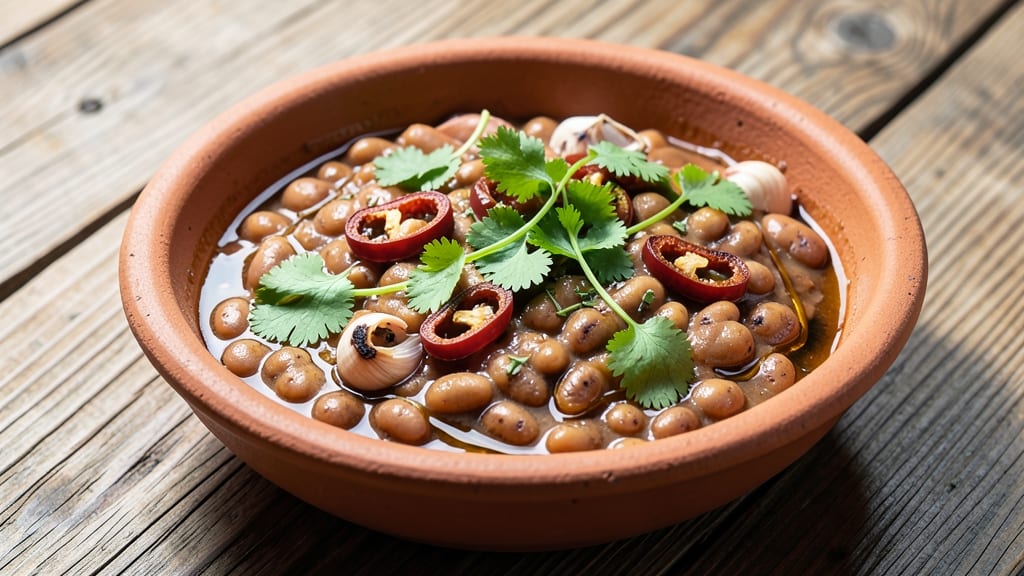
This traditional Mexican beans recipe brings the soul of frijoles de la olla to your table, where smoky chipotle and earthy cumin create a flavor profile that's both comforting and deeply authentic. 🌟 I first tasted these beans in a tiny taquería in Oaxaca, where they served them in clay pots alongside warm tortillas—now you can recreate that experience in your own kitchen.
The secret to these beans lies in the slow simmering process, where dried pinto beans transform into tender, flavorful bites infused with garlic, cumin, and a touch of heat from chipotle peppers.
Unlike many modern shortcuts, this recipe stays true to tradition by soaking the beans overnight, which ensures they cook evenly and absorb all the rich, aromatic spices. The result is a dish that's hearty enough to stand alone but perfect as a side for carnitas or grilled meats.
What makes this recipe truly special is the balance of smoky, spicy, and earthy flavors—each bite delivers a harmony of textures and tastes that feel like a warm embrace.
The beans develop a deep, savory richness from the long cooking time, while the epazote and cilantro add a fresh, herbal brightness that cuts through the smokiness. This is the kind of dish that tastes even better the next day, making it ideal for meal prep or family gatherings.
Serve these beans with warm corn tortillas, steamed rice, or as a filling for tacos—trust me, the combination is pure comfort food magic. Let's get started on this traditional recipe that will transport you to the streets of Mexico with every bite.
Ingredients for traditional mexican beans
Pantry staples meet authentic Mexican flavors—just 14 ingredients for soulful beans.
| Ingredient | Amount | Notes |
|---|---|---|
| Dried Pinto Beans 🌽 | 2 cups | Rinsed before soaking overnight |
| Chipotle Peppers in Adobo Sauce 🌶️ | 2 whole | Adjusted for heat preference |
| Ground Cumin 🌿 | 2 tsp | Toasted for deeper flavor |
| Garlic Cloves 🧄 | 6 cloves | Peeled, roughly chopped |
| Fresh Cilantro 🌿 | ½ cup | Chopped, stems removed |
| Epazote 🌿 | ¼ cup | Fresh leaves, chopped |
| Onion 🧅 | 1 whole | Yellow or white, chopped |
| Tomato Paste 🍅 | 2 tbsp | Smooth, not chunky |
| Olive Oil 🫒 | ¼ cup | Extra-virgin preferred |
| Bay Leaves 🌿 | 2 whole | Fresh or dried |
| Sea Salt 🧂 | 1 ½ tsp | Adjust to taste |
| Black Peppercorns 🌶️ | ½ tsp | Freshly ground |
| Vegetable Broth 💧 | 4 cups | Low-sodium preferred |
| Lime 🍋 | 1 whole | Juiced, for brightness |
The dried pinto beans are the star here, and soaking overnight is non-negotiable—it cuts cooking time and prevents that dreaded split-bean texture. Grab the dried beans from a Latin market if you can; they often have fresher stock than the grocery store. Chipotle peppers in adobo are essential for that smoky depth—La Costeña or Goya brands are my go-tos, but any adobo sauce works. Toast your cumin seeds for 30 seconds in a dry pan before grinding; that extra step makes all the difference. And epazote? It’s the secret herb that gives these beans that authentic taquería taste—find it in the Latin section or skip it if you can’t (but trust me, it’s worth it).
No chipotle peppers? Smoked paprika plus a pinch of cayenne gets you close. Fresh cilantro missing? Dried cilantro or parsley works at half the amount. The tomato paste can be swapped for 1 small diced tomato, but paste gives that concentrated umami punch. Short on time? Canned pinto beans (drained and rinsed) save 8 hours, but they won’t have the same texture. Vegetable broth is a must—avoid chicken broth unless you’re serving with meat (this is vegetarian, after all!). The lime juice should be freshly squeezed—bottled just won’t cut it.
These beans taste even better the next day, so double the batch if you’re prepping for the week. Store them in an airtight container in the fridge for up to 5 days, or freeze for 3 months—portion into containers for easy reheating. The flavors meld beautifully overnight, so resist the urge to rush. Serve with warm tortillas or rice, and save some for tacos the next day. Leftovers? They’re perfect for breakfast burritos or as a hearty salad topper.
Why You'll Love This Recipe
- Smoky Depth Magic: That chipotle in adobo? Oh, it’s the star. A single spoonful turns ordinary beans into a slow-cooked, smoky dream—like a little campfire in every bite.
- Meal Prep MVP: Make a big batch on Sunday, and you’ve got lunch or dinner covered all week. The flavors only get better as they sit, and it’s my go-to for tacos, burritos, or just a bowl with rice.
- Budget-Friendly Powerhouse: Dried beans are the ultimate pantry staple—cheap, shelf-stable, and packed with protein. Honestly, I can feed my whole family for under $5, and they’ll never know it’s not gourmet.
Step-by-step instructions for traditional Mexican beans
Here's how to make authentic, smoky beans that taste like they've been simmering all day.
🍳 Step 1: Soak and Prepare the Beans
Start by rinsing the 2 cups dried pinto beans under cold water in a colander. This removes any debris and helps prevent bitterness. Transfer them to a large bowl and cover with plenty of cold water—at least 6 cups—then let them soak overnight. I know it's tempting to speed this up, but soaking overnight ensures they cook evenly and stay creamy.
After soaking, drain and rinse the beans again. In a large heavy pot (I use Dutch oven), combine the beans with 4 cups vegetable broth and bring to a boil over medium-high heat. Once boiling, reduce heat to low, add the 2 whole bay leaves, and let them simmer uncovered for 1 hour. This initial cooking softens them before we add the smoky flavors.
🔥 Step 2: Build the Smoky Flavor Base
While the beans simmer, prepare the chipotle mixture. Remove the seeds and membranes from the 2 whole chipotle peppers in adobo sauce (leave some seeds for heat if you prefer spicier beans). Finely chop them and set aside. In a small skillet, toast the 2 tsp ground cumin over low heat for 1 minute until fragrant—this deepens the earthy flavor.
In the same pot, add the 0.25 cup olive oil, 1 whole chopped onion, and 6 cloves roughly chopped garlic. Cook over medium heat for 5 minutes until the onion softens and becomes translucent. Stir in the 2 tbsp tomato paste and cook for another 2 minutes until it darkens slightly—this adds depth to the sauce.
🥘 Step 3: Combine and Simmer the Beans
Carefully add the toasted cumin, chopped chipotles, and their adobo sauce to the pot. Stir well to distribute the smoky, spicy flavors. Add the 1.5 tsp sea salt, 0.5 tsp freshly ground black peppercorns, and 0.25 cup chopped epazote. The epazote has a unique, slightly bitter taste that's essential for authenticity—don't skip it!
Reduce the heat to low and let the beans simmer uncovered for 1.5 to 2 hours. Stir occasionally and add more vegetable broth if needed to keep them covered. You'll know they're ready when the beans are tender but not mushy, and the sauce has thickened into a rich, smoky consistency. The aroma should be intoxicating—like a Mexican kitchen on a Sunday morning.
⏰ Step 4: Finish with Fresh Herbs and Brightness
Once the beans are tender, remove the 2 bay leaves (they've done their job). Stir in the 0.5 cup chopped fresh cilantro and the juice of 1 whole lime. The cilantro adds freshness, while the lime brightens everything up. Taste and adjust the seasoning—you might need a pinch more salt or a squeeze of lime to balance the flavors.
Let the beans rest off the heat for 10 minutes before serving. This allows the flavors to meld even more. Serve warm with rice, tortillas, or as a side dish. The beans should be creamy yet slightly chunky, with a deep smoky heat from the chipotle and a bright finish from the lime and cilantro. Store any leftovers in the fridge for up to 5 days—they only taste better the next day!
Pro Tips For Making Traditional Mexican Beans
- Soak Overnight, Not Rush: I learned this the hard way—skipping the 8-12 hour soak for pinto beans means tough, uneven texture. Use twice the water (enough to cover by 2 inches) and a pinch of baking soda to soften the skins. Yes, it’s lazy to do 2 hours on high heat, but your jaw will thank you later.
- Blend the Adobo: Chipotle peppers in adobo sauce taste better when pureed—no chunks, no excuses. Blend the sauce with the peppers, a splash of the soaking liquid, and a pinch of salt until silky. This isn’t just about heat; it’s about flavor dissolving into every bean.
- Toast the Cumin Dry: Ground cumin loses its punch when bloomed in oil. Instead, dry-toast it in a skillet over medium-low for 30 seconds until fragrant—just until you smell it, not until it browns. This is the thing that matters most for that deep, earthy kick.
- Simmer Low and Slow: After the initial boil, drop the heat to a bare simmer—just tiny bubbles breaking the surface. I used to crank it up, and the beans either split or turned mushy. Low and slow (45-60 minutes) gives you creamy, intact beans every time. No shortcuts here.
Storing and reheating your leftovers
Fridge Storage Secrets
Let your beans cool to room temperature before transferring them to an airtight glass container—I swear by Pyrex with snap-on lids for airtight seals. Store them in the fridge at 40°F or below for up to 5 days, but honestly?
These beans taste even better the next day as the flavors meld. I always double the batch so we have leftovers for breakfast burritos all week. The key is keeping them submerged in their smoky sauce—this prevents a dry, gummy texture. 🌱
Freezer Prep Tips
For longer storage, portion your beans into quart-sized freezer bags (leave 1-inch headspace for expansion) or glass freezer-safe containers. Lay them flat to freeze quickly and prevent ice crystals. Label with the date—they keep well for 3 months without losing texture.
When reheating, I add 2 tablespoons of water or broth per cup of beans to prevent drying out. Pro tip: Freeze in single-serving portions for easy grab-and-go meals. ❄️
Stovetop Reheating
My preferred method is stovetop because it preserves that creamy texture. Pour beans into a heavy pot over medium-low heat and add ¼ cup broth or water to loosen the sauce. Simmer uncovered for 10-15 minutes, stirring occasionally, until heated through (165°F internal temp).
The low heat prevents the beans from breaking down. Taste and adjust seasoning—you might need a pinch more salt or a squeeze of lime to revive the flavors. 🔥
Microwave Shortcuts
For quick reheating, transfer beans to a microwave-safe bowl with a splash of water or broth (about 2 tablespoons per cup). Cover loosely with a damp paper towel and heat on 50% power for 3-4 minutes, stirring halfway.
Avoid full power—it can turn your beans mushy. If they look dry, add more liquid and heat in 30-second bursts until creamy. This method works best for 1-2 servings at a time. ✨
Reviving Day-Old Beans
Ever had beans that lost their vibrancy? Don’t toss them! Add 1 tablespoon of lime juice, ½ teaspoon toasted cumin, and a handful of fresh cilantro. Simmer for 5 minutes—this brightens flavors instantly.
For extra richness, stir in 1 tablespoon of olive oil or a spoonful of vegetable broth. The acidity and fresh herbs work magic on stale beans. This trick saved my Sunday dinner more times than I can count. 💡
Nutrition facts
Frequently asked questions about traditional Mexican beans
Can I substitute dried beans for canned in this recipe?
While you can use canned beans in a pinch, dried beans are traditional for their superior texture and flavor development. For canned beans, drain and rinse 3 cups of pinto beans, then simmer with the seasonings for 30-45 minutes instead of the full cooking time. The beans won't have the same creamy consistency, but it's a good shortcut for busy nights.
What's the best way to handle epazote if I can't find it?
Epazote is key for authenticity, but you can substitute with ½ teaspoon dried oregano plus ¼ teaspoon dried thyme for a similar earthy flavor. If you're avoiding it entirely, skip it—the beans will still taste great, just slightly less complex. Some cooks also use a small handful of fresh dill or basil as a last resort.
How do I adjust the heat level in these beans?
For milder beans, remove all seeds from the chipotles and use just 1 pepper total. For extra heat, keep the seeds and add ½ teaspoon cayenne pepper to the final seasoning. Remember, the beans will develop more heat as they simmer, so start conservative if you're sensitive to spice.
Can I make these beans in an Instant Pot?
After soaking, combine beans with broth and bay leaves, then cook on high pressure for 20 minutes. Quick-release the pressure, then sauté the aromatics (onion, garlic, chipotles) in the pot before adding everything back together. Finish with the remaining ingredients and let sit for 10 minutes off heat. The texture will be slightly different but still delicious.
Why do my beans turn out mushy?
Overcooking is the most common cause—beans should be tender but still hold their shape. Always check for doneness at the 1.5-hour mark rather than waiting the full 2 hours. If using canned beans, reduce simmering time to 20-30 minutes. Also ensure you're using enough liquid (at least 4 cups for 2 cups dried beans).