Side Dishes
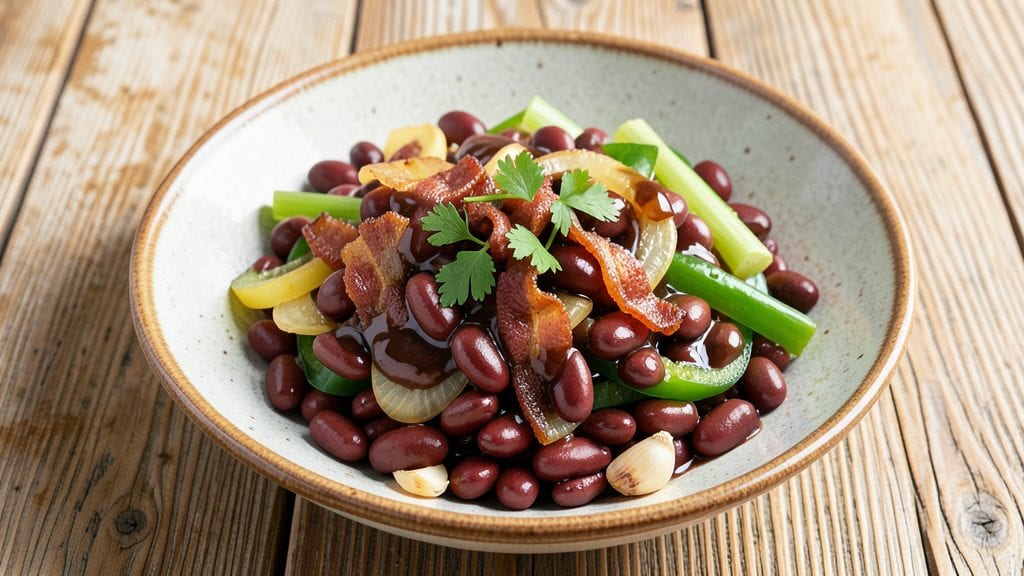
This traditional red beans recipe brings the soulful flavors of Louisiana Cajun cooking to your kitchen with just one pot and a few key ingredients. The secret lies in slow-simmered beans infused with smoky bacon, aromatic vegetables, and a blend of spices that build depth over time.
I've perfected this method to deliver that authentic, hearty texture and rich flavor profile that makes red beans a Sunday supper staple.
The beauty of this recipe is its simplicity—no fancy techniques required, just patience and attention to the slow cooking process. Bacon renders its fat to create a smoky base, while onions, garlic, and bell peppers form a flavorful foundation.
The beans soften gradually, absorbing all those delicious aromatics into every tender bite. This is the kind of dish that tastes even better the next day as flavors meld together.
What you'll end up with is a hearty, traditional red beans stew that's perfect alongside cornbread, rice, or even as a standalone meal. The smoky, slightly sweet notes from the bacon and spices create a dish that's both comforting and deeply satisfying.
Each spoonful delivers layers of flavor that make it worth the wait. Let's get cooking!
This recipe honors the time-honored tradition of Cajun cuisine while making it accessible for home cooks. The one-pot method keeps cleanup minimal, and the flavor only improves with reheating.
Whether you're serving a family gathering or simply craving a taste of Louisiana, this traditional red beans recipe delivers the real deal.
Ingredients for traditional red beans
Fifteen essential ingredients transform into soulful, smoky Cajun red beans with authentic depth.
| Ingredient | Amount | Notes |
|---|---|---|
| Dry Red Kidney Beans 🌱 | 1 ½ lbs | Soaked overnight for optimal texture |
| Thick-Sliced Bacon 🥓 | 8 oz | Smoked or hickory flavor preferred |
| Yellow Onion 🧅 | 1 whole | Diced into 1/4-inch pieces |
| Green Bell Pepper 🌶️ | 1 whole | Diced, seeds removed |
| Celery Stalks 🥬 | 3 whole | Diced, classic Cajun 'holy trinity' |
| Garlic Cloves 🧄 | 4 cloves | Minced for aromatic depth |
| Dried Thyme 🌿 | 1 tsp | Or 1 tbsp fresh thyme leaves |
| Smoked Paprika 🌶️ | 1 tbsp | Key for authentic smoky flavor |
| Ground Black Pepper 🌶️ | ½ tsp | Freshly cracked for optimal heat |
| Kosher Salt 🧂 | 1 ½ tsp | Diamond Crystal preferred |
| Bay Leaves 🌿 | 2 whole | Removed before serving |
| Chicken Broth 💧 | 4 cups | Low-sodium preferred |
| Hot Sauce 🌶️ | 1 tbsp | Crystal or Tabasco for heat |
| Lemon Juice 🍋 | 2 tbsp | Freshly squeezed for brightness |
| Fresh Parsley 🌿 | ¼ cup | Chopped for garnish |
The foundation begins with dry red kidney beans, where proper soaking is non-negotiable—12 hours minimum ensures even cooking without splitting. For the smoky backbone, thick-cut smoked bacon from Oscar Mayer or local butcher shops delivers superior flavor over pre-cooked varieties. The 'holy trinity' of yellow onion, green bell pepper, and celery should be finely diced (1/4-inch pieces) for even distribution of flavors throughout the stew. Penzeys Spices or bulk bins at Whole Foods provide the highest quality smoked paprika and thyme, critical for authentic Cajun character. Always check for vibrant color and strong aroma when selecting spices—dull or faintly scented products indicate stale inventory.
Substitutions must preserve the dish's integrity. Black-eyed peas or pinto beans can replace kidney beans at a 1:1 ratio, though texture will differ. For bacon, cooked ham hocks or andouille sausage add depth but require adjustment in cooking time. Fresh thyme should be used at three times the dried amount, while dried oregano can replace thyme at a 1:1 ratio. The chicken broth can be substituted with vegetable broth for vegetarian versions, though flavor intensity will diminish. For heat, Cajun seasoning blends can replace individual spices, but Tony Chachere's or Slap Ya Mama brands provide the most authentic profiles. The lemon juice can be omitted if preferred, though it balances the richness of the bacon fat.
Proper storage enhances this dish's already impressive flavor development. The cooked beans keep for 5 days in the refrigerator when stored in an airtight container with the broth, with flavors deepening over time. For longer preservation, freeze in portioned containers for up to 6 months, though texture may slightly alter upon thawing. The bacon fat solidifies when chilled, so reheat gently to maintain its smoky essence. Garnish with fresh parsley just before serving to preserve its vibrant color and bright notes. This stew's flavor profile actually improves after 24 hours of refrigeration, making it ideal for meal prep and serving at gatherings where it can be reheated and enjoyed throughout the event.
Why You'll Love This Recipe
- One-Pot Magic: I swear by this—just toss everything in a Dutch oven, add water, and let it simmer. No fancy gadgets, no last-minute grocery runs, just you, a timer, and the smell of bacon and beans filling your kitchen by dinnertime.
- Smoky-Sweet Crunch: That crispy bacon fat renders right into the beans, turning them into a rich, caramelized base. The onions and peppers soften just enough to melt into the mix, leaving you with a depth of flavor that’s dangerously easy to overcook.
- Potluck Proven: Between us, this is my go-to for gatherings—whether it’s a church potluck or a last-minute BBQ. It reheats like a dream, keeps well in the fridge, and even tastes better the next day (yes, really). Just don’t tell anyone I’m sharing my secret weapon.
- Budget-Friendly Staple: Dry beans and bacon? Check. Onions and peppers? Pantry staples. This recipe stretches a dollar further than most takeout menus, and honestly, it’s the kind of dish that makes you feel like you’re feeding a crowd without breaking the bank. My college dormmates called it “survival food”—now it’s my family’s favorite.
Step-by-step instructions for traditional red beans recipe
Here's the authentic method for Cajun-style red beans, built on time-honored techniques and bold flavors.
Prepare the Beans for Maximum Texture
Begin by rinsing the 1.5 lbs dry red kidney beans thoroughly under cold water to remove any debris. Place them in a large bowl and cover with plenty of cold water—at least 4 inches above the beans—then let them soak overnight. This essential step ensures even cooking and prevents the beans from remaining hard or splitting during the long simmer.
The next morning, drain the soaked beans and transfer them to a large Dutch oven or heavy pot. Add 8 cups of fresh cold water and bring to a boil over high heat. Once boiling vigorously, reduce to a gentle simmer and cook uncovered for 2 hours, stirring occasionally to prevent sticking. The beans should be tender but not mushy—this initial cooking breaks them down just enough for the final flavor infusion.
Build the Smoky Cajun Base
While the beans simmer, dice the 1 whole yellow onion, 1 whole green bell pepper, and 3 whole celery stalks into ¼-inch pieces, creating the classic Cajun "holy trinity." In a separate skillet, cook the 8 oz thick-sliced bacon over medium heat until the fat renders and the bacon becomes crispy. Remove the bacon with a slotted spoon and set aside, leaving the rendered fat in the pan.
In the same bacon fat, sauté the diced vegetables for 8-10 minutes until softened but not browned. Add the 4 minced garlic cloves and cook for 30 seconds until fragrant. Stir in the 1 tbsp smoked paprika, 1 tsp dried thyme, 0.5 tsp ground black pepper, and 1.5 tsp kosher salt, allowing the spices to toast for 1 minute—this deepens their flavor and removes any bitterness.
Combine and Simmer for Deep Flavor
Carefully pour the cooked vegetables and spice mixture into the Dutch oven with the beans. Add the 4 cups chicken broth, 2 whole bay leaves, and the crispy bacon. Stir well to combine, then bring the mixture back to a gentle simmer. Partially cover the pot and cook for 2-3 hours, stirring occasionally to prevent a skin from forming. The beans should be fully tender, with a thick, rich consistency.
Here's the traditional touch: after 1 hour of simmering, taste the beans and adjust the seasoning. If they need more depth, add 1 tbsp hot sauce and 2 tbsp lemon juice to brighten the flavors. The lemon juice also balances the richness of the bacon and beans, while the hot sauce adds a subtle heat that enhances the overall complexity.
Finish and Garnish for Authentic Presentation
Once the beans reach the desired tenderness—when a bean mashed between your fingers breaks down easily—remove the 2 bay leaves and discard them. Taste again and adjust the seasoning if needed, adding more kosher salt or hot sauce as necessary. The final dish should be rich, smoky, and slightly spicy, with a balance of sweetness from the bell pepper and acidity from the lemon.
Ladle the red beans into a serving dish and garnish with the 0.25 cup chopped fresh parsley. Serve immediately with crusty bread or over steamed white rice to soak up every last bit of the flavorful broth. This traditional method delivers a dish that's hearty, aromatic, and packed with the bold flavors of Cajun cuisine—just as it's been prepared for generations.
Pro Tips For Making Traditional Red Beans
- SOAK BEANS OVERNIGHT: I learned this the hard way—rushing the soak leads to tough beans. Toss them in cold water with a pinch of salt (yes, even if you’re impatient like me) and let them sit 8+ hours. The longer they soak, the faster they’ll soften later, and you’ll skip the "why do these taste like cardboard?" phase.
- CRISP THE BACON LOW: Don’t rush the bacon—render it slow over medium heat until the edges curl and the fat pools deep. High heat makes it greasy; low and slow gives you that crispy, flavor-packed base without drowning the beans in oil. (Your future self will thank you for not skimming the fat—leave it in.)
- CHOP VEGETABLES UNIFORM: Celery, onion, and bell pepper should be cut into ¼-inch dice—no big chunks. I used to eyeball it, but uneven sizes mean some veggies stay crunchy while others turn mushy. A sharp knife and steady hand make this the thing that matters most for texture.
- SIMMER BEANS GENTLY: After the initial boil, drop the heat to a bare simmer—no rolling bubbles, just tiny ripples. I was skeptical until I tried it: rushing the cook time makes beans mealy, while slow simmering (2–3 hours) keeps them tender and lets flavors meld. (Does it look boring? Yes. Does it work? Every single time.)
Regional styles of traditional red beans
Louisiana Cajun Style
The most iconic version of red beans comes straight from Louisiana's Cajun country, where it's traditionally cooked with smoked andouille sausage instead of bacon. I recommend using Johnsonville or Zatarain's brand for authentic flavor.
The dish is often served with dirty rice—a spiced rice mixture cooked with ground meat and vegetables. For extra richness, some cooks add a splash of Cajun cooking wine like Bartles & Jaymes during the final hour of simmering. 🌶️
Texas BBQ Twist
In Texas, red beans take on a heartier, meatier profile with additions like pork shoulder or brisket slow-cooked until tender. I've seen versions where the beans are simmered with chopped jalapeños and beer (like Shiner Bock) for a malty depth.
The Texas version often includes cornbread muffins for serving, creating a perfect pairing with the smoky beans. The key difference? Texas red beans tend to be thicker and more substantial.
Creole New Orleans Adaptation
Creole cooks in New Orleans elevate red beans with holy trinity vegetables (onion, bell pepper, celery) that are often caramelized before adding to the pot. Many recipes call for okra to thicken the stew naturally.
I like adding a dash of filé powder (ground sassafras leaves) at the end for that signature gumbo-like texture. The Creole version frequently includes seafood stock for a briny depth, making it distinct from its Cajun cousin.
Southern Soul Variation
Across the American South, red beans often become a Sunday supper staple with regional twists. In Alabama, you might find collard greens stirred into the pot at the end. Georgia cooks sometimes add ham hocks instead of bacon for a deeper pork flavor.
The Southern approach emphasizes slow cooking over 6-8 hours to develop maximum tenderness. I've noticed this version often includes a pinch of sugar to balance the acidity from tomatoes sometimes added to the broth.
Vegetarian Adaptation
For plant-based versions, substitute bacon with smoked tofu or tempeh, and use vegetable broth instead of chicken broth. I like adding mushrooms for umami depth and liquid smoke for that smoky bacon flavor.
The beans still benefit from the same long simmer time—just add extra liquid since plant-based proteins release less moisture. A splash of soy sauce at the end adds savory complexity that mimics the original's richness. 💚
Modern Fusion Take
Chefs today are putting creative spins on red beans, like adding chipotle peppers in adobo for smoky heat or goat cheese for a tangy finish. I've seen versions with crispy polenta instead of rice.
For a global twist, try adding coconut milk (just ¼ cup) for a Thai-inspired variation that still keeps the Cajun soul. The fusion approach works best when maintaining the core technique—slow simmering with aromatic vegetables—while introducing unexpected ingredients for modern palates.
Nutrition facts
Frequently asked questions
Why do I need to soak the red beans overnight?
Soaking the beans for at least 12 hours prevents them from splitting during cooking, ensuring a creamy texture rather than mushy. This step also reduces cooking time by breaking down some of their natural starches, which helps them absorb the smoky flavors better. Skipping soaking can leave you with unevenly cooked beans.
Can I make this recipe without bacon?
Swap bacon for smoked sausage like andouille or even liquid smoke (½ tsp) for a meat-free version. Use vegetable broth instead of chicken broth, and add mushrooms or smoked tofu for extra depth. The key is maintaining that smoky, savory base—just adjust seasoning to taste.
How do I know when the beans are fully cooked?
Test for doneness by mashing a bean between your fingers—it should break down easily without resistance. The beans should also be tender enough to pierce with a fork. If they're still firm after 2-3 hours of simmering, add ½ cup more broth and cook another 30 minutes.
What's the best way to reheat leftovers?
Gently reheat on the stove over low heat with a splash of broth to restore moisture. Microwaving works too, but cover with a damp paper towel to prevent drying. Never reheat above 165°F—this keeps the beans tender and prevents a skin from forming on top.
Can I make this recipe in a slow cooker?
Yes! Follow the same prep steps, then combine everything in the slow cooker and cook on low for 6-8 hours or high for 3-4 hours. The slow cooker's gentle heat enhances the flavors even more, making it ideal for busy days. Just stir occasionally to prevent sticking.