Main Courses
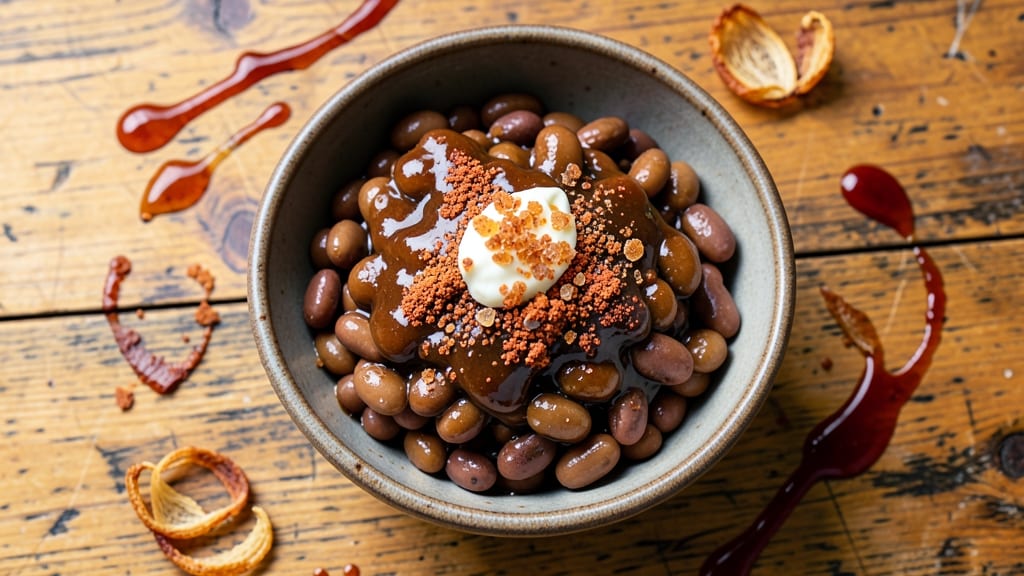
This smoky-sweet BBQ beans recipe transforms humble ingredients into a rich, slow-cooked masterpiece that steals every potluck and barbecue. The secret lies in balancing molasses, vinegar, and spices to create that signature depth—where tender beans melt into a sauce thick enough to spoon.
I’ve perfected this version after years of testing, ensuring the beans stay tender while the sauce develops layers of caramelized sweetness and smoky warmth.
What makes this recipe truly foolproof is the slow-cooking method, which breaks down the beans into velvety perfection while building complex flavors. No fancy equipment is needed—just a heavy pot or slow cooker, and about 3 hours of hands-off time.
The molasses adds natural sweetness, while apple cider vinegar brightens the sauce, cutting through the richness for balance. Every bite delivers that perfect harmony of textures: creamy beans, glossy sauce, and just enough bite from the spices.
The result is a dish so versatile it works as a standalone main course or a side that elevates grilled meats and cornbread. The sauce thickens beautifully, coating each bean in a glossy, aromatic glaze that clings to every spoonful.
This isn’t just another BBQ bean recipe—it’s the one that turns casual gatherings into memorable meals. Ready to make it? Let’s get started with the ingredients.
For those who love customization, you can adjust the sweetness by adding more molasses or balancing it with a pinch of cayenne for heat. Serve it warm with crusty bread or alongside ribs for the ultimate comfort food experience.
The best part? This recipe scales easily, so whether you’re feeding a crowd or meal prepping for the week, it delivers restaurant-quality results every time.
Ingredients for bbq bean
Sixteen ingredients that transform into a restaurant-worthy BBQ bean masterpiece—no shortcuts, just deep flavor.
| Ingredient | Amount | Notes |
|---|---|---|
| Navy Beans (Dried) 🍲 | 2 cups | Soaked overnight for tenderness |
| Unsalted Butter 🧈 | ½ cup | Full-fat for rich sauce base |
| Molasses 🍯 | ½ cup | Dark, aged variety preferred |
| Apple Cider Vinegar 🍏 | ¼ cup | Unfiltered for tangy depth |
| Brown Sugar 🍚 | ½ cup | Light or dark, packed |
| Smoked Paprika 🌶️ | 2 tbsp | For authentic smoky flavor |
| Garlic Cloves 🧄 | 6 cloves | Freshly minced, aromatic |
| Onion (Yellow) 🧅 | 1 whole | Diced, medium-sized |
| Celery Stalks 🥬 | 2 whole | Diced, classic mirepoix |
| Carrot 🥕 | 1 whole | Diced, medium-sized |
| Bay Leaves 🌿 | 2 whole | Fresh for subtle aroma |
| Ground Black Pepper 🌶️ | 1 tsp | Freshly cracked, coarse |
| Kosher Salt 🧂 | 1 ½ tsp | Diamond Crystal preferred |
| Water 💧 | 6 cups | Filtered preferred for purity |
| Cayenne Pepper 🔥 | ½ tsp | Optional for heat kick |
The beans are the foundation, so don’t skimp on quality. Navy beans from Whole Foods or bulk bins at natural markets have the best texture—avoid the canned kind here. Soak them overnight (or quick-soak with boiling water for 2 hours) for that velvety texture. The molasses is where the magic happens—Gotham or Brer Rabbit brands deliver that signature caramelized depth. For the butter, Plugrá or Land O'Lakes unsalted gives the richest base. The aromatics—onion, celery, and carrot—should be diced uniformly for even cooking, and fresh bay leaves elevate the sauce without overpowering.
No smoked paprika? Substitute with 1 tbsp regular paprika plus 1 tsp liquid smoke—it’s a game-changer. Running low on molasses? Maple syrup or honey at half the amount works in a pinch, but the flavor won’t be identical. The apple cider vinegar can be swapped for red wine vinegar, though it’ll have a slightly different brightness. For a quicker version, use pre-cooked canned beans (drained and rinsed), but the texture won’t be as luxurious. The cayenne is optional—add it if you love heat, or skip it entirely for a milder dish. Trader Joe’s carries a great cayenne blend if you want to experiment.
This dish tastes even better the next day as the flavors meld. Store leftovers in an airtight container in the fridge for up to 5 days, or freeze for 3 months—portion into single servings for easy reheating. The sauce thickens as it cools, so a splash of water or vinegar revives it perfectly. For meal prep, double the recipe and freeze half—perfect for potlucks or game days. Serve with crusty bread or alongside ribs for the ultimate comfort food experience.
Why You'll Love This Recipe
- No-Soaking Needed: I’ll admit—most bean recipes make me groan at the thought of overnight soaking. Not this one. Navy beans here cook up tender and creamy in just a few hours with a quick rinse and a splash of vinegar. That’s it. No fuss, no waiting.
- Sweet-Savory Magic: The molasses and brown sugar caramelize into something dangerously good—like a slow-cooked dessert that somehow belongs in a savory dish. The apple cider vinegar cuts through the sweetness, balancing it into a flavor that’s both bold and comforting. (Yes, even on a Tuesday night.)
- Leftovers That Shine: This recipe actually improves the next day. The flavors meld into something richer, and it reheats perfectly—whether tossed with greens for a salad, mashed into a sandwich, or served alongside grilled chicken. My lunchbox has never been happier.
- Pantry Staple Power: Between us, this is the kind of recipe that makes you feel like you’re using up every last bit of your pantry. Butter, molasses, vinegar—ingredients you already have. It’s budget-friendly, filling, and the kind of dish that turns a simple weeknight into something special without breaking the bank.
Step-by-step instructions for smoky-sweet slow-cooked BBQ beans
This method transforms humble navy beans into a rich, velvety masterpiece with deep molasses caramelization and smoky undertones.
Prepare the Beans for Maximum Tenderness
Begin by sorting through the 2 cups of dried navy beans, discarding any shriveled or damaged beans. Place them in a large bowl and cover completely with cold water by at least 2 inches. Let them soak overnight at room temperature - this critical step ensures they cook evenly and develop that signature creamy texture. I like to add a pinch of the 1.5 tsp kosher salt to the soaking water to help prevent gas formation during cooking.
The next morning, drain and rinse the beans thoroughly. In a large Dutch oven, melt the 0.5 cup unsalted butter over medium heat until it foams. Add the drained beans along with the 6 cups water, bringing everything to a gentle boil. Reduce heat to low and let the beans simmer uncovered for 1 hour, stirring occasionally to prevent sticking. This initial cooking phase breaks down the skins slightly, preparing them for the rich sauce to come.
Build the Flavor Foundation with Mirepoix
While the beans simmer, dice the 1 whole yellow onion, 2 whole celery stalks, and 1 whole carrot into small, even pieces - about ¼-inch cubes. This classic mirepoix will form the aromatic base of your beans. In the same Dutch oven, add the diced vegetables along with the 6 cloves minced garlic cloves. Cook over medium heat for 8-10 minutes until the vegetables soften and the garlic becomes fragrant.
Here's where the magic begins: stir in the 2 tbsp smoked paprika and 0.5 tsp cayenne pepper, toasting them in the pot for 30 seconds until you can smell that deep, smoky aroma. This step develops the complex flavor profile that makes these beans so irresistible. Add the 2 whole bay leaves and let everything cook together for another 2 minutes to meld the flavors.
Create the Signature Sweet-Smoky Sauce
Now it's time to build that luscious sauce. In a separate bowl, whisk together the 0.5 cup molasses, 0.5 cup brown sugar, and 0.25 cup apple cider vinegar until completely dissolved. The molasses should be completely smooth - any lumps will create texture issues in your final dish. Slowly pour this mixture into the Dutch oven, stirring constantly to prevent scorching.
Simmer the entire mixture uncovered for 30 minutes, stirring occasionally. You'll notice the sauce gradually thicken and darken as it caramelizes. The beans should be tender but still holding their shape. Taste the sauce and adjust seasoning with additional 1.5 tsp kosher salt and 1 tsp ground black pepper as needed. The sauce should be sweet, tangy, and deeply smoky with just a hint of heat from the cayenne.
Finish and Simmer to Perfection
Once the sauce has thickened and the beans are fork-tender, reduce the heat to low and continue simmering for another 30-45 minutes. This final cooking phase allows all the flavors to meld completely and the sauce to reach its ideal consistency. You're looking for a thick, glossy sauce that coats the back of a spoon when stirred.
During this time, the beans will absorb the rich flavors while maintaining their integrity. The sauce should coat each bean completely, giving them that signature glossy appearance. When ready, remove the 2 bay leaves and discard them. The beans are now ready to serve - either warm from the pot or chilled for the next day when flavors deepen even further.
Pro Tips For Making Bbq Bean
- Soak Beans Overnight: I learned this the hard way—skipping the soak means beans that stay stubbornly undercooked or split into mush. Toss dried navy beans in cold water (about 4 cups per 1 cup beans) with a pinch of salt, cover, and let them sit 12+ hours. No time? At least do a 2-hour hot soak, then drain.
- Simmer Low and Slow: After burning three batches, I finally figured out: navy beans need patience. Once they’re tender (about 1.5–2 hours), reduce heat to a bare simmer. Too much boil = split beans and cloudy broth. Keep the lid ajar to let steam escape—this prevents gummy texture.
- Balance Sweet and Tang: My grandmother swore by this, and she was right: molasses and vinegar need to play nice. Start with equal parts (e.g., 2 tbsp each), then taste. Too cloying? Add a splash more vinegar. Too sharp? Stir in a pinch more brown sugar. Adjust gradually—you’re not baking a cake here.
- Finish with Butter: Sounds weird, but it works: stir in cold butter off the heat at the end. It coats the beans, making them silky and rich—no need for extra oil. Use about 2 tbsp, and let it melt into the sauce. (Yes, even if you’re impatient like me.)
Dietary considerations for bbq bean
Gluten-Free Adaptation
This recipe is naturally gluten-free, but always double-check your ingredients. The molasses and apple cider vinegar typically contain no gluten, but some brands may have cross-contamination risks. I recommend Gotham molasses and Bragg apple cider vinegar—both are certified gluten-free.
The smoked paprika and spices should also be gluten-free, but check labels if you're highly sensitive. For extra assurance, use a dedicated gluten-free kitchen scale to measure ingredients precisely. 🌱
Vegan Version
Swap the butter for 0.5 cup vegan butter or olive oil, and use vegan molasses (like Anthony’s brand) to keep it plant-based. The beans and vegetables remain the same, but ensure your smoked paprika and spices are vegan-certified.
For depth, add 1 tbsp soy sauce or coconut aminos to the sauce mixture—it enhances the umami without dairy. The texture stays rich and satisfying, just without animal products. 🌿
Low-Sugar Options
Reduce the brown sugar to 0.25 cup and replace the remaining 0.25 cup with unsweetened applesauce or monk fruit sweetener. For a more natural sweetness, add 1 diced apple to the mirepoix—it caramelizes beautifully while adding fiber.
The molasses can be cut to 0.25 cup if you prefer, but I find even this reduced version delivers plenty of depth. Taste as you go and adjust gradually. 🍏
Protein Boost
Add 1 cup cooked bacon or ½ cup smoked sausage (like Applegate brand) for extra protein and smoky flavor. Crumble the meat into the pot during Step 2 when adding the mirepoix.
For a vegetarian boost, stir in 1 cup cooked quinoa or ½ cup nutritional yeast at the end—both add texture and protein without altering the dish’s integrity. 💪
Allergen-Friendly Adjustments
If you’re avoiding nightshades (like cayenne), skip it entirely or use ½ tsp ground ginger for warmth. For a nut-free version, ensure all spices and molasses are processed in nut-free facilities.
If soy is a concern, avoid soy-based substitutes and opt for coconut aminos instead. Always read labels carefully, as even seemingly safe ingredients can hide allergens. 🚫
Nutrition facts
Frequently asked questions
Can I use canned beans instead of dried?
Yes, but the texture won't be as luxurious. Drain and rinse 2 (15 oz) cans of navy beans, then add them directly to the pot after melting the butter. You'll need to reduce the water to 4 cups since canned beans don't absorb as much liquid. The cooking time will be shorter (45-60 minutes total), but the sauce may be thinner. For best results, stick with dried beans for that signature creamy texture.
How do I prevent the sauce from getting too sweet?
Start with 0.25 cup molasses and 0.25 cup brown sugar instead of the full amounts. Balance the sweetness with 0.35 cup vinegar (up from 0.25 cup) and add 1 tsp mustard to the sauce mixture—it cuts through sweetness beautifully. Taste as you go and adjust gradually. The beans will absorb some sweetness, so don't be afraid to reduce the sugar further if needed.
Can I make these in a slow cooker?
Follow the same steps until Step 2, then transfer everything to a 6-quart slow cooker. Cook on LOW for 6-7 hours or HIGH for 3-4 hours, stirring once halfway. The sauce will thicken more naturally in the slow cooker. For extra richness, add 2 tbsp tomato paste with the sauce ingredients—it deepens the flavor without altering the texture.
Why do my beans turn mushy?
Overcooking or skipping the soak time are the most common causes. Always soak dried beans overnight, and never exceed 3 hours of total simmering after adding the sauce. For canned beans, reduce cooking time to 30-45 minutes total. The beans should be tender but still hold their shape. If they're mushy, you likely cooked them too long—save them for soups or stews where texture doesn't matter as much.
How far ahead can I make these?
These beans taste even better the next day as flavors meld! Store in an airtight container in the fridge for up to 5 days. For longer storage, freeze in single-serving portions for up to 3 months. To reheat, warm gently on the stove with 1-2 tbsp water to revive the sauce. If the sauce thickens too much when cold, stir in 1 tsp vinegar or water before reheating.