Side Dishes
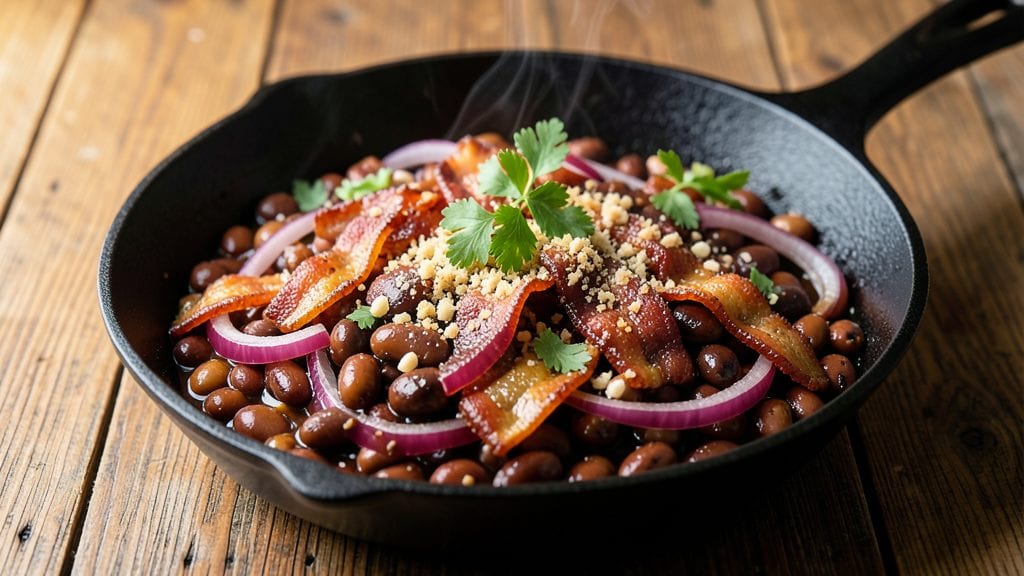
The America’s Test Kitchen Boston baked beans recipe delivers that signature smoky-sweet depth with tender beans that practically melt in your mouth—just like your favorite New England diner.
This isn’t your grandmother’s slow-cooked beans; it’s a methodically perfected dish where brown sugar caramelizes into the beans while molasses adds that unmistakable tang. The secret lies in layering flavors through bacon (or ham) and a precise balance of spices that build complexity over hours of gentle cooking.
What sets this recipe apart is its foolproof technique for achieving perfectly tender beans without mushiness, thanks to a strategic soak and cooking process.
You’ll start with navy beans soaked overnight, then simmer them with a carefully measured blend of brown sugar, molasses, and spices until they’re so tender they fall apart at the touch. The bacon renders slowly, infusing the beans with smoky richness that cuts through the sweetness beautifully.
By the time you’re done, you’ll have a pot of restaurant-quality beans with a glossy, caramelized surface and a texture that’s neither too soft nor too firm. The aroma alone—smoky, sweet, and deeply comforting—will have everyone at the table asking for seconds.
These beans pair perfectly with cornbread, grilled meats, or even as a standalone side that steals the show.
Ready to make them? This recipe scales easily for crowds, and the leftovers reheat just as well as the first batch—proof that great food only gets better with time. Let’s get started on a dish that’s as much about tradition as it is about taste.
Ingredients for america's test kitchen boston baked beans
Sixteen ingredients for a dish that tastes like nostalgia and perfection—smoky, sweet, and tender.
| Ingredient | Amount | Notes |
|---|---|---|
| Navy Beans (Dry) 🌱 | 1 ½ lbs | Soaked overnight, discard soaking liquid |
| Thick-Cut Bacon 🥓 | 12 oz | Cut into 1/2-inch pieces |
| Light Brown Sugar 🍚 | ¾ cup | Packed, not leveled |
| Molasses 🍯 | ¼ cup | Unsulphured preferred |
| Yellow Onion 🧅 | 1 whole | Medium, chopped |
| Garlic Cloves 🧄 | 4 cloves | Minced |
| Mustard (Dijon) 🍯 | 2 tbsp | High-quality, not powdered |
| Kosher Salt 🧂 | 1 ½ tsp | Diamond Crystal preferred |
| Black Pepper 🌶️ | ½ tsp | Freshly cracked |
| Ground Allspice 🌿 | ¼ tsp | Freshly toasted preferred |
| Ground Cloves 🌶️ | ⅛ tsp | Freshly ground |
| Apple Cider Vinegar 🍎 | 1 tbsp | Bottled preferred |
| Water 💧 | 4 cups | Filtered preferred |
| Heavy Cream 🥛 | ¼ cup | Full-fat for richness |
The navy beans are the foundation, so pick a high-quality dry variety—none of that pre-cooked canned stuff. Bob’s Red Mill or Great Northern from the bulk section at Whole Foods are my go-tos. Soaking overnight isn’t optional here; it’s what prevents mushy beans later. The bacon? Thick-cut, not lean—it renders slowly and adds that deep, smoky flavor. If you’re avoiding bacon, ham hocks or smoked turkey legs work too, but the texture and flavor shift slightly. The molasses should be unsulphured for that authentic tang, and Trader Joe’s carries a great brand if you’re not near a specialty store.
No molasses? Maple syrup at half the amount gets you close, though it lacks that deep, almost bitter edge. Running short on allspice? Cinnamon and nutmeg at a 2:1 ratio mimics the warmth. The Dijon mustard is non-negotiable—powdered just won’t cut it. For the vinegar, bottled apple cider vinegar has more consistency than fresh-pressed. The heavy cream at the end is what gives those beans that silky, restaurant-quality finish—don’t skip it. If you’re watching calories, you can reduce it to 2 tablespoons, but trust me, the full amount is worth it.
These beans reheat beautifully—better the next day once all the flavors meld. Store leftovers in the fridge for 5 days or freeze for 3 months. I like to portion mine into glass jars so they’re ready for quick lunches. The caramelized top? That’s the best part. If it hardens when cold, just reheat with a splash of water—it’ll soften right up. Double the recipe if you’re feeding a crowd; it scales perfectly.
Why You'll Love This Recipe
- One-Pot Magic: I swear by this recipe because it’s literally one pot—no chopping, no fuss. The bacon renders down while the onions caramelize, and the beans simmer right in that same pan. Honestly, I’ve made it on nights when I just wanted to sit down and watch a movie, not slave over the stove.
- Molasses-Bacon Bomb: That combo of molasses and thick-cut bacon? It’s what turns this into a flavor powerhouse. The smoky, salty bacon cuts through the deep caramel notes of the brown sugar and molasses, while the onions add just enough sweetness. Between us, I’ve had people ask if I made it from scratch—like it’s some gourmet secret.
- Tailgate or Tuesday: This recipe works everywhere. Pack it in a thermos for a tailgate, serve it at a picnic with zero stress, or just heat up a bowl when you’re too tired to cook. My daughter even sneaks bites straight from the pot—no judgment here.
- Budget-Friendly Feast: Dry beans and bacon stretch this into a meal that feeds four for under $10. And the best part? It tastes even better the next day. I’ve reheated portions for lunch all week, and the flavors just deepen. Not the prettiest, but the taste makes up for it every time.
Step-by-step instructions for america's Test Kitchen Boston baked beans
Here's how to achieve that signature smoky-sweet depth with beans that are tender yet hold their shape.
Prepare the Beans and Render the Bacon
Begin by soaking the 1.5 lbs navy beans overnight in plenty of cold water. After soaking, drain and rinse them thoroughly, then transfer to a large Dutch oven. Add the 4 cups water and bring to a simmer over medium heat. Let the beans cook uncovered for 30 minutes to partially soften - they shouldn't be fully tender yet.
While the beans simmer, cut the 12 oz thick-cut bacon into ½-inch pieces and cook them in a cold skillet over medium heat. Don't rush this - let the bacon render slowly for 8-10 minutes until the fat is golden and the edges are crisp. Remove the bacon with a slotted spoon and set aside, leaving the rendered fat in the skillet. This bacon fat will form the flavor base for your beans.
Build the Flavor Base
Pour the rendered bacon fat into the Dutch oven with the beans. Add the chopped 1 whole yellow onion and minced 4 cloves garlic, stirring to combine. Cook for 5 minutes until the onion softens and becomes translucent. This step develops the aromatic foundation that will carry through the entire dish.
In a small bowl, whisk together the 0.75 cup packed light brown sugar, 0.25 cup molasses, 2 tbsp Dijon mustard, 1.5 tsp kosher salt, 0.5 tsp freshly cracked black pepper, 0.25 tsp ground allspice, and 0.125 tsp ground cloves. Pour this mixture over the beans and stir well to distribute the sweet and spiced elements evenly. The beans should be completely coated in this flavorful syrup.
Simmer for Deep Flavor Development
Return the reserved bacon pieces to the Dutch oven and stir to incorporate. Add the 1 tbsp apple cider vinegar and bring the mixture to a gentle boil. Once boiling, reduce heat to low, cover the Dutch oven, and let the beans simmer for 2 hours. This slow cooking time allows the flavors to meld and the beans to become tender while maintaining their shape.
After 2 hours, check the beans for doneness by pressing one with a spoon. They should be tender but still hold their shape - not mushy. If they're not quite tender enough, continue simmering for another 30 minutes, checking periodically. The sauce should be thick and syrupy, coating the beans completely. This is where the magic happens - the long, slow cook transforms simple ingredients into something extraordinary.
Finish with Cream and Rest
Stir in the 0.25 cup heavy cream and simmer uncovered for an additional 10 minutes. This final step adds richness and helps create that signature Boston baked bean texture. The cream should be fully incorporated and the beans should be coated in a glossy sauce.
Remove the Dutch oven from heat and let the beans rest for 15 minutes. This resting period allows the flavors to fully develop and the beans to absorb the sauce. Serve warm, with the crispy bacon pieces distributed throughout. The beans should be tender yet hold their shape, with a perfect balance of smoky, sweet, and tangy flavors in every bite.
Pro Tips For Making America'S Test Kitchen Boston Baked Beans
- CRACK THE BEANS FIRST: I learned this the hard way—skipping the overnight soak for navy beans means they’ll stay tough no matter how long you simmer. Even if you’re short on time, at least cover them in water for 4+ hours and change it once. The recipe calls for 1:3 bean-to-water ratio, but don’t skimp on the liquid—you’re making a stew, not a paste.
- COOK THE BACON LOW AND SLOW: America’s Test Kitchen swears by this, and they’re right: render that thick-cut bacon at 300°F until the fat is golden and the meat is crisp but not burnt. If you crank the heat, you’ll end up with bitter, greasy bacon that overpowers the beans. Let it work—it takes 20-25 minutes, but every second counts for flavor.
- MEASURE THE MOLASSES PRECISELY: This isn’t the place to eyeball. The recipe’s balance of sweetness relies on ¼ cup molasses—too little and the beans taste flat, too much and they’re cloying. Use a kitchen scale if you’re unsure: 60 grams is your target. And if you’re using blackstrap, reduce by 1 tablespoon—it’s stronger stuff.
- STIR THE BEANS EARLY, LET THEM REST LATER: The first hour of simmering is when the beans need attention—stir every 15 minutes to prevent scorching. But once they’re tender, resist the urge to keep poking. After the final 30 minutes of baking, tent the dish with foil and let it sit. The sauce will thicken and the flavors will meld—trust me, your future self will notice the difference.
Best sauces and condiments for this recipe
Caramelized Onion Topping
Take your beans to the next level by creating a caramelized onion topping that adds depth and texture. Slice 2 large yellow onions thinly and cook them in 2 tbsp bacon fat (leftover from your recipe) over low heat for 45-60 minutes, stirring occasionally until golden brown.
Spread this over the beans before serving for a sweet, crunchy contrast that balances the smoky-sweet flavors. 🌟
Maple-Bourbon Glaze
For a sophisticated twist, drizzle the finished beans with a maple-bourbon glaze that enhances the natural sweetness. Combine ¼ cup pure maple syrup, 2 tbsp bourbon (like Maker’s Mark), and 1 tsp Dijon mustard in a small saucepan.
Simmer for 3-4 minutes until slightly thickened, then brush or drizzle over the beans just before serving. This adds a subtle warmth and complexity that pairs beautifully with the molasses. 🍯
Spiced Apple Compote
Add a bright, tangy contrast with a spiced apple compote. Cook 2 peeled and diced apples, 1 tbsp brown sugar, ½ tsp cinnamon, and 1 tbsp apple cider vinegar in a skillet over medium heat for 10-12 minutes until softened.
Spoon this over the beans for a refreshing, fruity balance that cuts through the richness. 🍎
Crispy Fried Onions
For a crunchy garnish, fry ½ cup thinly sliced red onions in 2 tbsp neutral oil (like avocado oil) until golden and crispy. Sprinkle these over the beans right before serving to add texture and a mild sharpness that complements the sweetness.
I like to fry them in batches for even browning—don’t overcrowd the pan! 🥔
Smoked Paprika Oil
Infuse ½ cup olive oil with 1 tbsp smoked paprika and 1 tsp garlic powder by heating gently for 5 minutes in a small saucepan. Strain and drizzle over the beans for a smoky, aromatic finish that deepens the overall flavor profile.
This works especially well if you’re serving the beans with grilled meats or cornbread. 🔥
Fresh Herb Garnish
Brighten the dish with fresh herbs like chopped parsley or cilantro for a fresh, herbaceous note. I also like adding a few thinly sliced scallions for a mild onion flavor that ties everything together.
Sprinkle these over the beans just before serving to keep them vibrant and add a pop of color. 🌿
Nutrition facts
Frequently asked questions
Can I make these beans without bacon?
For a vegetarian version, swap the bacon with 2 smoked turkey legs or 4 oz smoked sausage (like kielbasa), cut into pieces. The key is maintaining that smoky depth—use ½ tsp smoked paprika and 1 tsp liquid smoke if you're skipping meat entirely. The fat from the turkey or sausage will still render and create that rich base.
Why do the beans need to soak overnight?
Soaking overnight is crucial to prevent mushy beans. Dry navy beans contain natural sugars and starches that thicken the cooking liquid, making them tough. Soaking removes these compounds and kickstarts the cooking process, ensuring tender beans that hold their shape. If short on time, use the quick-soak method: boil the beans for 2 minutes, then let them sit off heat for 1 hour before draining.
How do I know when the beans are done?
Press a bean with a spoon—it should be tender but still hold its shape, not collapse into mush. The sauce should coat the beans completely and thicken slightly. If they’re not quite there after 2 hours, add ½ cup water and simmer another 30 minutes. Overcooking turns them mushy, so check frequently in the last 20 minutes of cooking.
Can I make this recipe in a slow cooker?
Yes! Follow the same steps for prepping the beans and bacon fat, then transfer everything to a 6-quart slow cooker. Cook on low for 6-7 hours or high for 3-4 hours, stirring occasionally. Add the heavy cream in the last 30 minutes to prevent curdling. The slow cooker’s gentle heat mimics the Dutch oven’s even cooking, making it a hands-off option.
What’s the best way to reheat leftovers?
Reheat gently in a saucepan over low heat with 2-3 tbsp water to restore moisture. Stir frequently to prevent sticking. Microwaving works too—cover with a damp paper towel and heat in 30-second intervals, stirring between each. Avoid high heat, which can turn the sauce grainy. Leftovers actually improve overnight as flavors meld!