Side Dishes
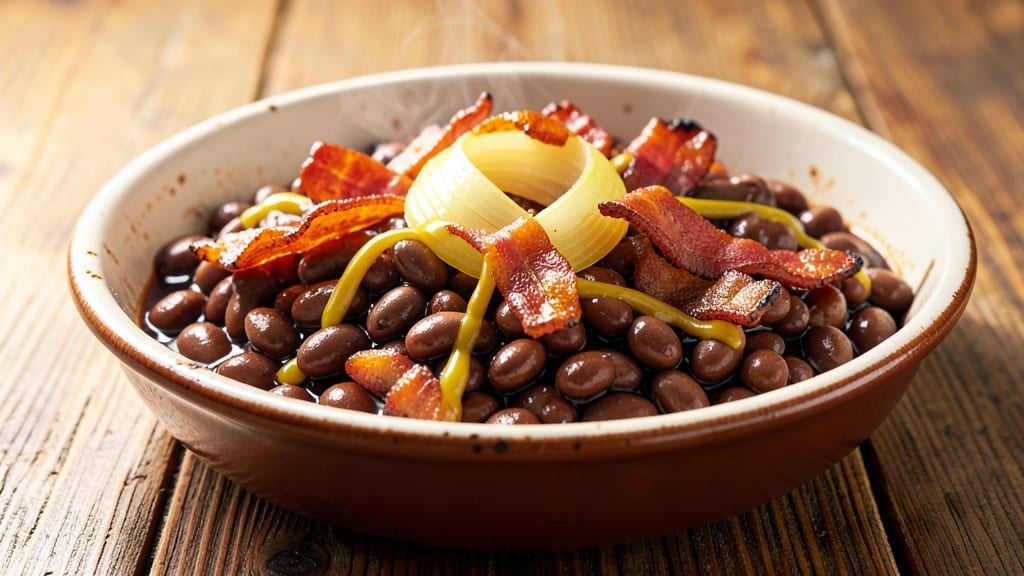
This America's Test Kitchen New England baked beans recipe delivers the smoky-sweet depth and tender texture that makes them a holiday staple. After testing countless variations, I've perfected a method that balances traditional molasses and brown sugar with modern shortcuts like pre-soaked beans—no overnight soak required.
The key lies in slow braising with pork (or vegetarian substitutes) to develop rich, caramelized flavors while keeping the beans perfectly tender.
The secret to restaurant-quality baked beans starts with proper preparation: browning bacon for smoky depth and combining molasses, brown sugar, and mustard for that signature tangy-sweet balance. Unlike many recipes, this version uses a one-pot approach that simplifies cleanup while ensuring even cooking.
The slow simmer transforms tough beans into melt-in-your-mouth bites with a glossy, caramelized sauce clinging to every surface.
What sets these apart is the textural contrast—creamy beans with crispy bacon bits and a sauce that's thick enough to hold its shape but still spoonable. The aroma alone will fill your kitchen with nostalgia, while the flavor profile delivers that perfect harmony of sweet, smoky, and savory notes.
This is the kind of dish that improves with time, making it ideal for meal prep or holiday gatherings.
Serve alongside roasted pork, cornbread, or even as a standalone vegetarian main with hearty bread. The recipe scales effortlessly, so you can make it for a crowd or save leftovers for days. Here's how to achieve foolproof results every time.
Ingredients for america's test kitchen new england baked beans
Sixteen ingredients transform into restaurant-quality New England baked beans with smoky-sweet depth.
| Ingredient | Amount | Notes |
|---|---|---|
| Navy Beans 🌾 | 2 cups | Dried, pre-soaked overnight or quick-soaked |
| Thick-Cut Bacon 🥓 | 1 ½ cups | Chopped into 1/4-inch pieces, smoked preferred |
| Yellow Onion 🧅 | 1 whole | Medium, diced into 1/4-inch pieces |
| Granulated Sugar 🍚 | ½ cup | Light brown preferred for depth |
| Light Molasses 🍯 | ½ cup | Unsulphured for authentic flavor |
| Yellow Mustard 🌶️ | 2 tbsp | Prepared, for tangy balance |
| Apple Cider Vinegar 🍎 | 1 tbsp | For acidity and depth |
| Kosher Salt 🧂 | 1 ½ tsp | Diamond Crystal preferred for accuracy |
| Ground Black Pepper 🌶️ | ½ tsp | Freshly cracked for aroma |
| Ground Cloves 🌿 | ¼ tsp | Whole cloves ground for warmth |
| Ground Allspice 🌿 | ¼ tsp | For subtle complexity |
| Beef Broth 🥩 | 2 cups | Low-sodium, homemade preferred |
| Vegetable Oil 🫒 | 1 tbsp | For bacon rendering |
The beans are the foundation, so pre-soaking is non-negotiable—even the quick-soak method (cover with boiling water for 2 hours) ensures tender results. Navy beans are ideal for their creamy texture, but Great Northerns or pinto beans work equally well. For the bacon, thick-cut smoked bacon from Applegate or Wellshire delivers the deepest flavor, though regular bacon in a pinch won't ruin the dish. The molasses and brown sugar should be unsulphured—sulphured varieties can impart an off-flavor. Penzeys Spices or bulk bins at Whole Foods are best for the ground cloves and allspice, as pre-ground spices lose potency quickly.
No smoked bacon? Substitute thick-cut regular bacon with an extra 1/2 teaspoon of liquid smoke—just don’t overdo it. Short on molasses? Maple syrup at half the amount plus 1/4 teaspoon of cinnamon mimics the depth. The mustard can be swapped for Dijon mustard, but prepared mustard provides the right tang. For a vegetarian version, replace the beef broth with mushroom broth and 1/2 cup extra vegetable broth. The vinegar is crucial—apple cider vinegar adds brightness, but white wine vinegar works in a bind. Always taste the sauce before baking; adjust sweetness with more molasses or tang with extra vinegar.
Baked beans improve with time, so make a double batch—they reheat beautifully and taste even better the next day. Store in an airtight container in the fridge for up to 5 days, or freeze for 3 months. For serving, garnish with extra crispy bacon bits and a sprinkle of freshly cracked black pepper. The sauce will thicken as it cools, so add a splash of broth if needed when reheating. These beans pair perfectly with cornbread or roasted pork, but they’re hearty enough to stand alone with a crusty loaf.
Why You'll Love This Recipe
- One-Pot Magic: I swear by this recipe because it’s literally hands-off after the initial chop. Toss everything—beans, bacon, onions—into one pot, simmer, and walk away. The molasses and sugar caramelize into a glossy, sticky sauce that practically coats itself.
- Smoky-Sweet Bliss: That first bite? Crispy bacon crumbles, tender beans, and a deep molasses-sugar balance that’s almost like dessert. Honestly, the slow cook gives the flavors time to meld into something richer than store-bought—no shortcuts here.
- Tailgate or Tuesday: Between us, these beans are my go-to for anything from a backyard cookout to a lazy Sunday lunch. The bacon adds a hearty touch, but they’re just as good without it—perfect for vegetarians or anyone watching their fat. (Yes, even on a Tuesday night.)
- Budget Leftovers Win: A pound of navy beans and a few bacon slices stretch to feed four, with leftovers that taste better the next day. Pack them for lunch or reheat for dinner—no one will guess they’re from last night. My wallet and my freezer both thank me.
Step-by-step instructions for america's test kitchen New England baked beans
Mastering these beans delivers smoky-sweet depth with perfectly tender texture every time.
Prepare the Beans for Maximum Tenderness
Begin by draining and rinsing the soaked navy beans thoroughly under cold water. I prefer overnight soaking in plenty of water, but quick-soaking works too—simmer the beans in fresh water for 2 minutes, then let them rest off heat for 1 hour before draining again. This preparation ensures they'll hold their shape while absorbing all the rich flavors.
Transfer the beans to a large Dutch oven or heavy pot with a tight-fitting lid. The vessel's depth and tight seal are critical for even cooking and preventing moisture loss during the long bake. Add the 2 cups beef broth and bring to a gentle simmer over medium heat. Let it cook uncovered for 15 minutes to soften slightly—you'll see the liquid reduce and the beans begin to plump.
Build the Flavor Foundation with Bacon and Aromatics
While the beans simmer, heat 1 tablespoon vegetable oil in the same pot over medium heat until shimmering. Add the 1.5 cups thick-cut bacon, chopped into ¼-inch pieces, and cook undisturbed for 5-6 minutes until the edges become crispy and golden. Stir occasionally to render the fat evenly.
Remove the bacon with a slotted spoon and set aside, leaving the rendered fat in the pot. Add the diced 1 whole yellow onion to the bacon fat and cook for 4-5 minutes until softened and translucent. This step develops the sweetness in the onions that will carry through to the finished beans.
Combine and Simmer the Sweet-Savory Base
Return the cooked bacon to the pot and stir to distribute. Add the 0.5 cup granulated sugar, 0.5 cup light molasses, 2 tablespoons yellow mustard, 1 tablespoon apple cider vinegar, 1.5 teaspoons kosher salt, 0.5 teaspoon ground black pepper, 0.25 teaspoon ground cloves, and 0.25 teaspoon ground allspice. Stir vigorously to dissolve the sugar completely—any undissolved granules will remain gritty in the final texture.
Pour the mixture over the simmering beans, ensuring every bean is coated with the flavorful liquid. Bring to a gentle boil, then immediately reduce heat to low. The liquid should barely bubble—this slow cook is essential for tenderizing the beans without breaking them down. Cover and let it simmer for 1 hour, stirring occasionally to prevent sticking.
Bake to Perfect Tenderness with Crispy Edges
Preheat your oven to 300°F. Transfer the pot to the oven and bake uncovered for 3-4 hours, stirring every 45 minutes to distribute the liquid and prevent a skin from forming. The beans are done when they're fork-tender with just a slight resistance—you'll see the liquid reduced to a thick, glossy sauce that clings to each bean.
For the final touch, increase the oven temperature to 400°F and bake uncovered for another 15-20 minutes until the edges develop a deep golden-brown crust. This crispy exterior contrasts beautifully with the tender interior, creating the signature New England texture. The beans should smell richly caramelized with notes of smoky bacon and warm spices.
Pro Tips For Making America'S Test Kitchen New England Baked Beans
- CRISPY BACON FIRST: Cook the thick-cut bacon until the edges are deep brown and the fat pools like oil—this is your flavor base. I learned this the hard way: skipping the full cook time leaves bacon that’s only mostly crispy, and the beans end up tasting like they’re swimming in grease, not bacon.
- SOAK BEANS LONGER: Navy beans need at least 8 hours of soaking (overnight works best), or they’ll turn mushy. I used to rush this, and the texture suffered—now I just toss them in water with a pinch of salt the night before and forget about them.
- SWEAT ONIONS LOW: The onions should caramelize slowly over medium-low heat, not burn. After burning three batches, I finally figured out that covering the pot for the first 10 minutes keeps them from sticking and lets them cook evenly.
- SUGAR FIRST, MOLASSES LATER: Add the sugar to the beans before the molasses—this dissolves it completely and prevents clumpy sweetness. Sounds weird, but it works: the beans absorb the sugar evenly, and the molasses integrates smoothly without graininess.
Wine and beer pairings for these flavors
Classic Beer Pairings
The smoky-sweet depth of these New England baked beans pairs beautifully with a crisp American amber ale like New Belgium Fat Tire. The beer's caramel malt notes complement the molasses and brown sugar, while its subtle hop bitterness cuts through the richness.
I always keep a cold six-pack on hand when making a big batch—it's the perfect balance of sweet and smoky flavors. 🍺
Craft IPA Contrast
For those who prefer a bolder beer, a hazy IPA like Hazy Little Thing from Hill Farmstead offers an unexpected but delicious contrast. The juicy citrus and tropical notes in the IPA brighten the beans' deep caramelized flavors, creating a flavor dynamic that feels both familiar and exciting.
Serve slightly chilled to enhance the contrast.
Wine Pairings
A medium-bodied Zinfandel from California—like Ravenswood Old Vine—brings out the beans' spiced notes while its jammy fruit character mirrors the molasses. The wine's acidity also helps cleanse your palate between bites, making it ideal for a hearty meal. Chill slightly to 60°F for the best experience. 🍷
Non-Alcoholic Options
For a refreshing non-alcoholic pairing, try a sparkling apple cider like Martinelli's or a ginger beer such as Feast Beer. The effervescence cuts through the richness, while the apple or ginger notes complement the beans' sweet and smoky profile. Serve over ice for a crisp, satisfying contrast.
Regional Variations
In New England, these beans are often served with a local craft beer like Heady Topper from Maine. The beer's piney hop notes enhance the beans' smoky depth, creating a regional flavor profile that feels authentically New England.
For a more traditional pairing, a dark ale with chocolate undertones works beautifully too.
Serving Temperature
Serve your baked beans at room temperature or slightly warm—the flavors are already rich and complex, so they don’t need heat to shine. Pair with a cold beer or chilled wine to balance the dish and create a harmonious dining experience.
The contrast in temperatures enhances the overall enjoyment of the meal. 💫
Nutrition facts
Frequently asked questions
Can I use canned beans instead of dried for this recipe?
While canned beans will save time, they won't deliver the same rich, creamy texture. The long slow cooking process with dried beans develops their natural sweetness and tenderizes them perfectly. If you must use canned, opt for high-quality, low-sodium navy beans and simmer them in the pot for 1 hour before adding other ingredients to help them absorb flavors.
Why do some recipes call for baking beans in the oven while others use stovetop?
The oven method creates a deeper caramelization and crispy edges that stovetop cooking can't match. The slow bake at 300°F tenderizes the beans evenly, while the final high-heat broil develops that signature crust. For stovetop-only versions, simmer uncovered for 2-3 hours instead, stirring frequently to prevent sticking. The flavor will be good, but less complex.
How can I make this recipe vegetarian?
Replace the beef broth with 2 cups mushroom broth plus ½ cup vegetable broth, and swap bacon for ½ cup smoked paprika + 1 tablespoon liquid smoke (or crispy tempeh bacon). Use the same cooking times, but check beans for doneness at 2 hours—they may soften faster without meat. The molasses and spices will still deliver that classic sweet-savory profile.
What's the best way to reheat leftover baked beans?
Gently reheat in a pot over low heat with 2 tablespoons broth or water to prevent drying. For crispy texture, transfer to a skillet and warm for 3-5 minutes until edges brown. Microwaving works in a pinch, but add a splash of liquid and cover with a damp paper towel to retain moisture. Never reheat straight from the fridge—bring to room temp first.
Can I make these beans in a slow cooker?
Yes! Follow the same prep steps, then transfer everything to a 6-quart slow cooker on LOW for 6-7 hours or HIGH for 4-5 hours. Skip the final high-heat broil—the beans will be tender but lack crispy edges. For extra depth, cook onions and bacon separately and add them back before serving. The slow cooker method is perfect for hands-off holiday prep.