
Sauces & Condiments
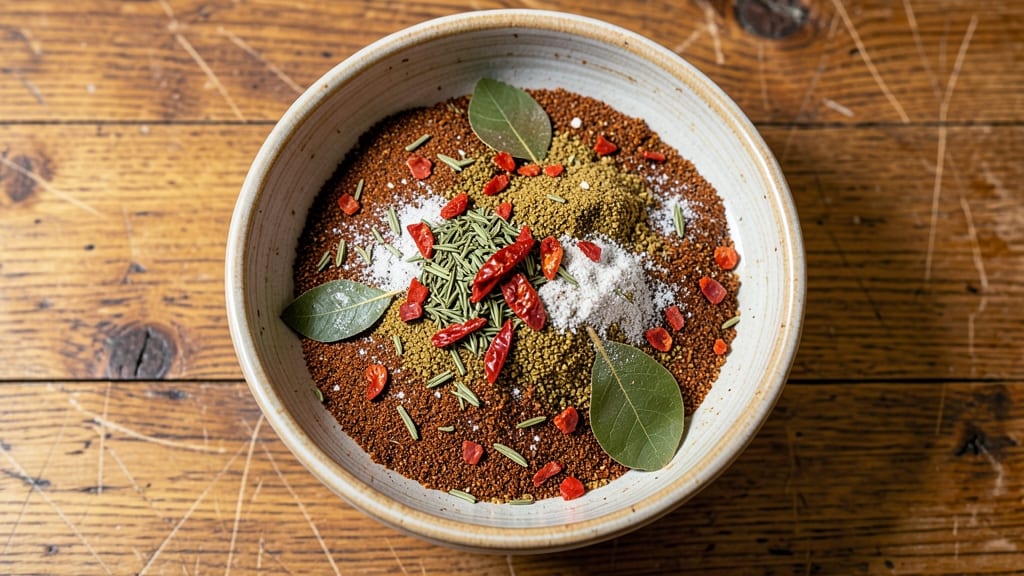
Creating the perfect badia pinto bean seasoning transforms ordinary beans into a smoky-spiced masterpiece that elevates every bowl. This carefully balanced blend of earthy cumin, warm garlic powder, and aromatic oregano was designed to complement pinto beans' natural richness while adding depth to soups and stews.
I developed this recipe after years of testing different spice combinations—each ingredient plays a crucial role in building flavor layers that develop beautifully during cooking.
The foundation of this seasoning mix lies in its simplicity: just six essential spices combined in precise proportions. Smoked paprika provides that signature smoky note, while bay leaves add subtle earthiness that enhances the beans' natural sweetness.
What makes this blend truly special is how it transforms simple ingredients—like canned or dried pinto beans—into restaurant-quality dishes with minimal effort. The spices work together to create a harmonious balance that's both comforting and complex.
With this seasoning, you'll achieve hearty, flavorful beans that taste like they've been simmering for hours, even with quick preparation. The blend works equally well in soups, rice dishes, or as a seasoning for roasted vegetables.
Store it in an airtight container for up to six months, ready to enhance your favorite recipes whenever inspiration strikes. Let's create this versatile seasoning that will become a staple in your kitchen.
This recipe delivers professional-quality results with just a few simple ingredients and proper storage techniques. Whether you're preparing a large batch for meal prep or keeping a smaller amount for daily use, the consistent flavor profile ensures every dish benefits from this smoky-spiced blend.
The instructions are straightforward, making it accessible for both beginners and experienced cooks looking to elevate their pantry staples.
Ingredients for badia pinto bean seasoning
Six spices that turn simple beans into restaurant-quality flavor powerhouses.
| Ingredient | Amount | Notes |
|---|---|---|
| Smoked Paprika 🌶️ | 2 tbsp | High-quality smoked variety preferred |
| Ground Cumin 🌿 | 1 ½ tbsp | Toasted for deeper aroma |
| Garlic Powder 🧄 | 1 ½ tsp | Freshly ground preferred |
| Dried Oregano 🍃 | 1 tbsp | Mexican oregano for authentic flavor |
| Onion Powder 🧅 | 1 tbsp | Freshly ground for best results |
| Bay Leaves 🌿 | 2 whole | Crushed lightly for maximum flavor |
| Ground Black Pepper 🌶️ | ½ tsp | Freshly cracked for potency |
| Diamond Crystal Kosher Salt 🧂 | 1 ½ tsp | Fine grain preferred |
| Cayenne Pepper 🔥 | ¼ tsp | Adjust for desired heat level |
The smoked paprika is non-negotiable—Penzeys or McCormick Gourmet deliver that authentic smoky depth. For cumin, bulk bins at Whole Foods or Trader Joe's offer the freshest toasted variety. I always double-check the cumin's color—it should be golden brown, not grayish. The bay leaves? California or Mexican are ideal if you can find them, but regular works fine. Pro tip: crush them between your fingers before adding to release those hidden flavors. Mexican oregano has a different profile than regular—worth hunting down at a Latin market if you're into authenticity, but regular dried oregano works in a pinch.
No smoked paprika? Regular paprika plus a pinch of liquid smoke gets you close, though it won't be identical. Running low on bay leaves? One extra tablespoon of dried thyme mimics that earthy depth. The cayenne is optional but adds that subtle kick—substitute with red pepper flakes at half the amount if you prefer texture. For garlic powder, Anthony's Good Garlic is my go-to, but any freshly ground variety works. Want more warmth? Add ½ tsp of ground coriander—it plays surprisingly well with the cumin. The salt is crucial—Diamond Crystal dissolves perfectly, but any fine kosher salt will do.
Store this blend in an airtight glass jar in a cool, dark cabinet—it'll keep its punch for up to 6 months. I make a double batch every time and portion it into small jars so I always have some ready. The spices get even better with age, so don't rush to use it all at once. Freeze portions if you're not using it within a month—3 months max in the freezer. This stuff transforms canned beans into gourmet meals in minutes—trust me, your taste buds will thank you.
Why You'll Love This Recipe
- No-Spoon Measuring Needed: I keep this blend in a jar on my spice rack—just eyeball a teaspoon or two when I need it. The smoked paprika gives it that deep, smoky warmth without needing a scale, and honestly? My beans never taste the same without it.
- Smoky Depth in Minutes: That first hit of smoked paprika and cumin? It transforms plain beans into something rich and complex faster than you’d think. I toss it in while heating oil, and suddenly my weeknight dinner smells like a Sunday supper.
- Game for Any Bean: Whether it’s black beans for tacos, pintos in a chili, or even lentils for soup, this mix works everywhere. I’ve even sprinkled it on roasted potatoes—yes, really—and no one’s ever questioned me.
- Pantry Goldmine: Between us, this is my budget-friendly secret weapon. A little goes a long way, and the spices last forever. I make a big batch, store it in the fridge, and use it for months—no wasted ingredients, just pure flavor.
Step-by-step instructions for badia pinto bean seasoning
This smoky-spiced blend transforms simple beans into rich, flavorful centerpieces every time.
Measure and Combine All Dry Ingredients
Start by gathering all your ingredients on a clean work surface. I like to use a medium-sized mixing bowl for this blend—it gives me enough room to work without spilling. Begin by adding the 2 tablespoons smoked paprika to the bowl. This is your base flavor, so take a moment to appreciate its deep, smoky aroma. Next, add the 1.5 tablespoons ground cumin and 1.5 teaspoons garlic powder—these will form the warm, earthy backbone of your seasoning.
Sprinkle in the 1 tablespoon dried oregano and 1 tablespoon onion powder—these bring bright, herby notes that cut through the richness. The oregano should be fresh, not dusty, for the best flavor. Don't forget the 2 whole bay leaves, which add subtle floral depth. Finally, add the 0.5 teaspoon ground black pepper and 0.25 teaspoon cayenne pepper—the cayenne gives just a hint of heat that wakes up the whole blend.
Whisk Until Evenly Distributed
Use a whisk to combine all the ingredients thoroughly. Start with gentle strokes to break up any clumps, then increase to more vigorous motions for about 30 seconds. You want to ensure every particle of each spice is coated with the others—this creates a harmonious flavor profile in every pinch. The mixture should look uniformly colored with no visible streaks of individual spices.
I like to stop occasionally and give the bowl a gentle tap on the counter to help the heavier spices like the smoked paprika settle evenly. This step is crucial—uneven distribution means uneven flavor in your dishes. If you're using freshly ground spices, they'll be more potent, so take extra care to mix them well.
Crush the Bay Leaves Lightly
Here's where the magic happens: take the 2 whole bay leaves and place them between two sheets of parchment paper or plastic wrap. Using a rolling pin or the bottom of a glass, gently crush them until they're just broken into small pieces—don't pulverize them into dust, just enough to release their essential oils. The goal is to maximize their aromatic contribution without making them disappear into the blend.
Once crushed, sprinkle the bay leaf pieces back into your spice mixture. Give everything another quick whisk to distribute them evenly. The crushed bay leaves will infuse their piney, slightly floral notes throughout the seasoning, creating that authentic depth you'd find in traditional Badia-style dishes.
Store Properly for Maximum Freshness
Transfer your finished seasoning blend to an airtight container—glass jars work beautifully for this. Press the spices down gently to remove any air pockets, then seal tightly. Store in a cool, dark place like your pantry. This blend will keep its vibrant flavor for up to 3 months, though I find it's at its peak for the first 2 months. The smoked paprika and cumin will gradually lose some of their punch over time, so using it fresh gives you the most authentic flavor.
When you're ready to use, simply shake the jar well before each application—this ensures you're getting an even distribution of all the spices. Start with 1 teaspoon per pound of dried beans or 1 tablespoon per quart of cooked beans, then adjust to taste. The beauty of this blend is its versatility—it works equally well in soups, stews, rice dishes, or even as a rub for grilled meats.
Pro Tips For Making Badia Pinto Bean Seasoning
- Toast the Spices First: Heat your smoked paprika and ground cumin in a dry skillet over medium-low for 30 seconds—just until fragrant. I learned this the hard way after making a batch that tasted flat; toasting deepens the flavors and cuts the bitterness that can sneak into smoked paprika.
- Use Fresh Garlic Powder: Skip the dusty jar of garlic powder sitting in your pantry. Toast and grind fresh garlic cloves, then blend into powder—it’s worth the 10 extra minutes. The difference in brightness and aroma is night and day, especially in a dry rub where it’s the backbone of flavor.
- Sift Before Mixing: Combine your spices in a bowl first, then sift the mixture through a fine-mesh strainer before storing or using. This breaks up any clumps in the smoked paprika or cumin, ensuring even distribution in your beans or meat. (Yes, even if it feels like overkill—your future self will notice.)
- Store in Airtight, Dark: Keep your finished seasoning in a small glass jar with a tight seal, tucked away from light. Humidity and air turn this blend into a sad, clumpy mess in days. A dark cupboard or fridge shelf is your best bet—no need for fancy equipment, just common sense.
Dietary considerations for this dish
Gluten-Free Adaptations
This seasoning blend is naturally gluten-free, making it perfect for anyone avoiding gluten while still craving bold flavors. All the spices—smoked paprika, cumin, oregano, and bay leaves—are inherently gluten-free, so you can use this blend confidently in gluten-free cooking.
Just double-check your garlic powder and onion powder labels, as some brands process them in facilities that handle gluten-containing ingredients. I always opt for certified gluten-free versions of these powders to eliminate any risk.
Low-Sodium Options
If you're watching your sodium intake, you can easily reduce or omit the kosher salt entirely. The other spices—especially the smoked paprika and cumin—provide enough depth that you won’t miss the salt. For a balanced flavor, I recommend using ½ teaspoon salt instead of the full 1.5 teaspoons.
You can also boost flavor with a splash of apple cider vinegar or lemon juice when using the seasoning in dishes. 💡
Vegan and Vegetarian Uses
This seasoning is completely plant-based, making it ideal for vegan and vegetarian cooking. It transforms simple dishes like lentil stews, roasted vegetables, or even tofu scrambles into flavorful meals. The smoky, earthy notes complement plant proteins beautifully—just sprinkle 1 teaspoon per pound of lentils or chickpeas while cooking.
For extra richness, pair it with a drizzle of olive oil or avocado oil.
Allergen-Friendly Adjustments
For those with spice allergies, this blend can be easily customized. If you're sensitive to oregano, substitute it with dried thyme or Italian seasoning. For cumin allergies, replace it with ground coriander or fennel seeds (toasted for warmth).
Always introduce new spices gradually to test for reactions. The smoked paprika and bay leaves are typically safe for most spice-sensitive individuals, but it’s always best to verify with your healthcare provider.
Low-FODMAP Considerations
If you're following a low-FODMAP diet, this seasoning blend is mostly safe, but there are a few adjustments. The onion powder and garlic powder are high-FODMAP, so replace them with asafetida powder (a tiny pinch) or omit them entirely.
The rest of the spices—smoked paprika, cumin, oregano, and bay leaves—are low-FODMAP and can be used freely. For extra flavor, add a pinch of ginger powder or turmeric, both of which are low-FODMAP friendly.
Keto-Friendly Enhancements
This seasoning blend is already keto-friendly, but you can amplify its flavor in low-carb dishes by adding a pinch of nutmeg or cinnamon to your recipes. These spices complement the smoky notes beautifully and add warmth without carbs.
Use this blend to season cauliflower rice, zucchini noodles, or even cheesy cauliflower mash for a flavor boost. Just 1 teaspoon per serving enhances these dishes without adding any extra carbs. 💪
Nutrition facts
Frequently asked questions
Can I use this seasoning for canned pinto beans?
This blend works perfectly with canned beans—just drain and rinse them first, then simmer with 1 tablespoon of seasoning per quart for 5-10 minutes to let the flavors meld. For extra richness, add 1/4 cup broth while heating. The smoky notes enhance canned beans' natural creaminess beautifully.
How much seasoning should I use for dried beans?
Start with 1 teaspoon per pound of dried beans during the soaking phase, then add another 1 teaspoon per quart while cooking. The spices infuse gradually, so don't overdo it—you can always add more later. For 3 cups dried beans, use 3 teaspoons total (1 tsp soaking + 2 tsp cooking).
What's the best way to store leftover seasoning?
Keep your blend fresh by storing it in an airtight glass jar in a cool, dark pantry for up to 6 months. For longer storage, freeze portions in 1-tablespoon increments—this preserves the smoked paprika's potency. Always shake well before using to distribute the crushed bay leaves evenly.
Can I make this seasoning spicier?
Yes! For extra heat, double the cayenne pepper to ½ teaspoon or add ¼ teaspoon chipotle powder. For a smoky kick, increase the smoked paprika to 3 tablespoons. Always taste as you go—start conservative and adjust gradually to avoid overwhelming the beans' natural sweetness.
Will this work in other bean dishes besides pinto?
This blend shines with black beans, kidney beans, or chickpeas too! Use the same ratios (1 tsp per pound dried/1 tbsp per quart cooked). For refried beans, add ½ teaspoon per pound while mashing. The smoky depth complements all bean varieties beautifully, especially in Mexican-inspired dishes.