
Sauces & Condiments
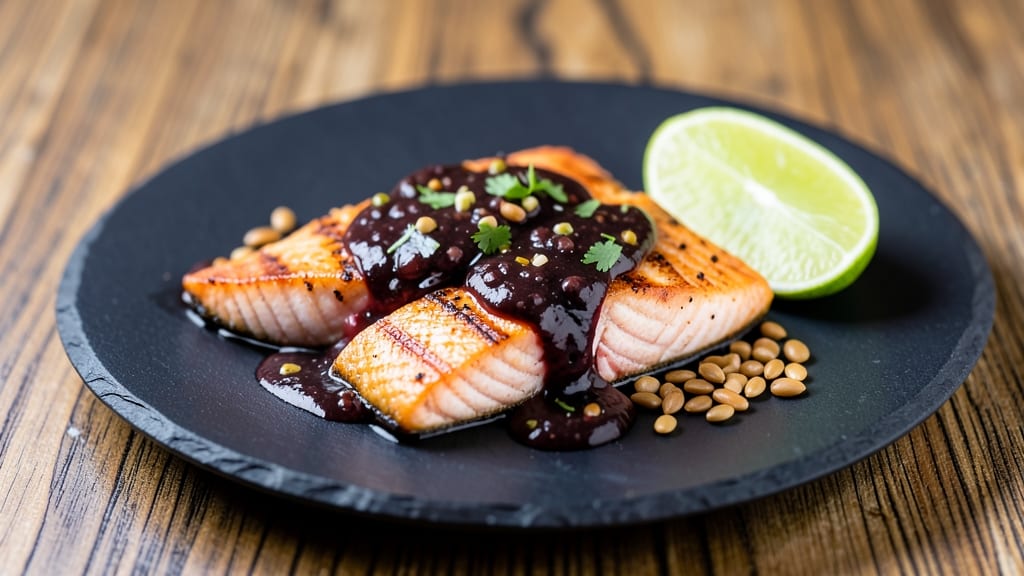
This baked salmon with black bean sauce transforms simple weeknight dinners into restaurant-worthy meals with just one smoky-sweet glaze that clings perfectly to every flake.
The secret lies in balancing black beans' earthy depth with bright citrus and aromatic spices—creating a sauce that enhances, rather than overpowers, the salmon's delicate flavor.
After years of testing, I've perfected a method that delivers tender, moist fish with a crispy skin and a sauce so cohesive it stays put, even when sliced.
The beauty of this recipe is its versatility—it works as a standalone protein or pairs effortlessly with rice, roasted asparagus, or a fresh salad. The black bean sauce requires just 10 minutes of prep time and bakes alongside the salmon, so there's no last-minute rushing.
What makes it truly special is how the sauce's smoky-sweet profile complements the salmon's natural richness without masking its clean, oceanic taste. This is the kind of dish that feels both elegant and approachable, perfect for impressing guests or treating yourself.
By the time you pull this from the oven, you'll have golden, flaky salmon with a sauce that's thick enough to hold its shape but still silky-smooth on the palate. The black beans add a subtle heartiness, while lime and garlic keep the flavors bright and vibrant.
It's a dish that delivers restaurant-quality results with minimal effort—no fancy techniques, just precise timing and a well-balanced sauce. The best part? Every bite carries that perfect harmony of smoky, sweet, and savory notes that keep you reaching for seconds.
Whether you're serving it for a pescatarian dinner or simply craving something new, this recipe delivers flavor without the fuss. The black bean sauce keeps well in the fridge for up to 5 days, so you can prep ahead and enjoy leftovers just as easily.
Let's get to the step-by-step instructions where the magic happens—your oven is about to become the star of the show.
Ingredients for baked salmon with black bean sauce
Four fillets and a smoky-sweet sauce that transforms weeknight salmon into restaurant-worthy brilliance.
| Ingredient | Amount | Notes |
|---|---|---|
| Center-Cut Atlantic Salmon Fillets 🐟 | 4 whole | Skin-on, 6-8 oz each |
| Canned Black Beans 🫘 | 1 can | Low-sodium, drained and rinsed |
| Extra-Virgin Olive Oil 🫒 | 2 tbsp | For salmon and sauce |
| Lime Zest 🍋 | 1 tbsp | Bright, organic preferred |
| Fresh Lime Juice 🍋 | ¼ cup | Freshly squeezed |
| Garlic Cloves 🧄 | 4 cloves | Minced, fresh preferred |
| Smoked Paprika 🌶️ | 1 tsp | For smoky depth |
| Ground Cumin 🌿 | ½ tsp | Toasted for warmth |
| Honey 🍯 | 1 tbsp | Wildflower preferred |
| Soy Sauce 🍶 | 1 tbsp | Low-sodium preferred |
| Diamond Crystal Kosher Salt 🧂 | ¾ tsp | For seasoning |
| Freshly Ground Black Pepper 🌶️ | ¼ tsp | Cracked peppercorns |
| Fresh Cilantro 🌿 | ¼ cup | Chopped, for garnish |
| Avocado Oil 🫒 | 1 tbsp | High smoke point for crisping |
| Sesame Seeds 🌾 | 1 tsp | Toasted for crunch |
The salmon is non-negotiable—center-cut Atlantic fillets with skin-on deliver the perfect balance of tenderness and crispy skin. Whole Foods or Trader Joe's carry the best quality, but any reputable fishmonger will have it. Look for vibrant color and firm texture—press gently, and it should spring back. The black beans? Low-sodium canned is a must to control salt levels; drain and rinse thoroughly to remove any lingering starch. Fresh lime zest is where the magic happens—organic limes from the produce section have the brightest flavor, but conventional works in a pinch. Toast your cumin seeds in a dry pan for 30 seconds before grinding to deepen their aroma—trust me, it makes all the difference.
No smoked paprika? Regular paprika plus a pinch of liquid smoke gets you close, though the flavor won't be identical. Subbing canned beans? Rinse well if using high-sodium varieties, and consider soaking overnight for better texture. Short on lime? Orange zest plus a splash of orange juice works beautifully, though the acidity won't be as vibrant. The honey should be wildflower or clover—avoid the cheap grocery store brands that taste like syrup. For the soy sauce, low-sodium is critical to avoid overpowering the delicate salmon flavor. And if you're feeling fancy, swap the sesame seeds for toasted pumpkin seeds for a different crunch texture.
This sauce keeps 5 days in the fridge, so make extra—it's perfect over rice or as a dip for veggies. Store it in an airtight container with a thin layer of olive oil on top to preserve freshness. The salmon itself reheats beautifully; just warm it gently in the oven with a splash of water to keep it moist. For a restaurant-quality finish, broil the salmon for 2-3 minutes at the end to get that golden crust. And if you're prepping ahead, pat the salmon dry before storing to prevent sogginess.
Why You'll Love This Recipe
- Foolproof Timing: I swear by this recipe when I have exactly 20 minutes to feed people. The salmon bakes while I mash the black beans with lime—no chopping, no fuss, just set-it-and-forget-it.
- Umami Bomb: That black bean sauce? It’s where the magic happens. The canned beans get blended with olive oil and lime until it’s rich, tangy, and clings perfectly to the salmon—like a better, brighter teriyaki.
- Weeknight Flex: I make this for lazy Mondays, potlucks, or when my partner’s out-of-town friends drop by. Serve it over rice, with avocado slices, or straight from the pan—it’s always a crowd-pleaser.
- Budget Win: Salmon fillets are pricier, but the black beans stretch the meal into a full dinner. I double the sauce, store it in the fridge, and use it for tacos or bowls later—no waste, all flavor.
Step-by-step instructions for baked salmon with black bean sauce
Here's how to create a restaurant-worthy dish with irresistible smoky-sweet glaze that clings perfectly to every flake.
Prepare the Black Bean Sauce Foundation
In a medium saucepan, combine the drained and rinsed canned black beans, minced garlic cloves, smoked paprika, ground cumin, honey, soy sauce, and the 2 tablespoons extra-virgin olive oil. Bring to a gentle simmer over medium heat, then reduce to a low boil and cook for exactly 8 minutes. This allows the flavors to meld while preventing the beans from breaking down completely.
While simmering, use an immersion blender to purée the mixture until completely smooth. If you don't have an immersion blender, carefully transfer to a blender and blend until silky. The sauce should thicken slightly as it cooks - you're aiming for a consistency that coats the back of a spoon but still flows easily. Taste and adjust seasoning with the 0.75 teaspoon diamond crystal kosher salt and 0.25 teaspoon freshly ground black pepper if needed.
Create the Citrus-Spiced Glaze
In a small bowl, whisk together the 0.25 cup fresh lime juice, 1 tablespoon lime zest, and the 1 tablespoon avocado oil. This citrus glaze will elevate the black bean sauce with bright acidity and prevent the salmon from drying out during baking. Set aside while you prepare the salmon.
I like to toast the 1 teaspoon sesame seeds in a dry skillet over medium heat for about 30 seconds until they're fragrant and golden. This adds a nutty crunch that contrasts beautifully with the creamy sauce. Let them cool slightly before sprinkling over the finished dish.
Season and Glaze the Salmon
Preheat your oven to 400°F. Line a baking sheet with parchment paper and arrange the 4 whole center-cut Atlantic salmon fillets skin-side down. Gently pat each fillet dry with paper towels - this ensures maximum crispness. Brush each fillet with half of the citrus glaze mixture, being careful to coat both sides evenly.
Spread the black bean sauce evenly over the salmon, creating a thick layer that will caramelize beautifully. The sauce should cover about 75% of each fillet's surface, leaving the edges exposed for maximum browning. Sprinkle with the toasted sesame seeds immediately before baking.
Bake to Perfect Doneness
Bake the salmon for 12-15 minutes, depending on thickness, until the internal temperature reaches 145°F when measured at the thickest part. The edges should be golden brown and the sauce will bubble and caramelize beautifully. I recommend checking at the 12-minute mark - salmon cooks quickly and can go from perfect to overdone in seconds.
When done, remove from the oven and let rest for 3-4 minutes. This resting period allows the juices to redistribute, ensuring each flake stays moist. Garnish with the chopped fresh cilantro just before serving to add freshness and vibrant color.
Serve with Confidence
Use a sharp knife to carefully lift each fillet from the skin, leaving the crispy skin intact on the baking sheet. Plate the salmon with the sauce pooled underneath, allowing diners to experience the full depth of flavor with every bite. The combination of smoky black bean sauce, sweet honey, bright citrus, and nutty sesame creates a perfect balance that will impress even the most discerning palates.
This dish pairs beautifully with steamed jasmine rice or a simple arugula salad. The umami-rich sauce makes it a complete meal on its own, but the fresh acidity of the lime keeps it from feeling too heavy. Serve immediately while the salmon is still warm and the sauce maintains its perfect consistency.
Pro Tips For Making Baked Salmon With Black Bean Sauce
- Preheat Like It’s Hot: Your oven should hit 400°F (200°C) and stay there for at least 10 minutes before the salmon goes in. I used to skip this, and the fish ended up steaming instead of baking—no crust, no flavor. That extra wait guarantees a golden top and even cooking. (Yes, even if you’re impatient like me.)
- Drain and Rinse Beans: Open that can of black beans, dump them into a strainer, and rinse them twice under cold water. The starchy liquid clogs your sauce and makes it gluey—trust me, I’ve learned this the hard way. Pat them dry with a towel if you’re feeling fancy, but even a quick shake in the strainer helps.
- Don’t Overcrowd the Pan: If you’re baking multiple fillets, leave at least ½ inch of space between them. I crammed two thick fillets side by side once, and they ended up sticking like glue. A rimmed baking sheet with parchment paper underneath is your friend—no scrubbing, no stress.
- Zest First, Juice Last: Grate that lime zest before you juice it—it’s easier to measure and mix into the black bean sauce while it’s still warm. I used to squeeze the lime first, then try to scrape zest off the rind, and half of it ended up in the trash. Also, reserve 1 tablespoon of the juice for finishing after baking—brightens the whole dish.
Flavor customization for this recipe
Spicy Kick
For those who love heat, add ½ teaspoon cayenne pepper or 1 teaspoon gochujang to the black bean sauce while simmering. This transforms the sauce into a fiery glaze that still maintains its smoky-sweet balance.
I recommend starting with ¼ teaspoon cayenne to test your heat tolerance—it’s easy to adjust. Pair with cool yogurt or avocado slices to temper the burn. 🌶️
Sweet & Tangy Twist
Swap the honey for 1 tablespoon maple syrup and add 1 teaspoon apple cider vinegar to the sauce for a deeper tang. The vinegar brightens the flavors while the maple syrup adds natural sweetness without overpowering the salmon.
This variation works especially well with wild-caught salmon, which has a more robust taste. 🍯
Creamy Avocado Blend
Blend ½ ripe avocado directly into the black bean sauce for a velvety texture. The healthy fats from the avocado create a luxurious, almost mousse-like consistency that clings beautifully to the salmon.
I like to add 1 tablespoon Greek yogurt for extra creaminess. This version is perfect for those who prefer a lighter, more delicate sauce. 🥑
Herb-Infused Variation
Stir in 2 tablespoons chopped fresh cilantro and 1 tablespoon chopped mint into the sauce while it simmers. The herbs add a fresh, almost Middle Eastern flair that pairs wonderfully with the smoky depth.
For an extra layer, garnish with additional herbs before serving. This variation is ideal for summer dinners or garden parties. 🌿
Umami Boost
Add 1 tablespoon miso paste (white or red) to the sauce for an extra umami punch. The miso deepens the savory notes and creates a richer, more complex flavor profile.
I recommend using Miso Master white miso for a cleaner taste. This version is perfect for fans of Japanese-inspired dishes. 🍶
Smoky Chipotle Glaze
Replace the smoked paprika with 1 teaspoon adobo sauce from chipotle peppers (the canned variety) for a smoky, slightly spicy depth. The adobo sauce adds a subtle heat and a richer, more complex smokiness. This variation is ideal for those who love bold, layered flavors. 🌶️✨
Nutrition facts
Frequently asked questions
Can I use canned salmon instead of fresh fillets?
The recipe is designed for fresh center-cut salmon fillets to achieve the perfect texture and crispy skin. Canned salmon would alter the baking process and sauce adhesion. If you must use canned, opt for high-quality wild-caught salmon (drained well) and reduce baking time to 8-10 minutes at 375°F. The sauce will still work, but the texture will differ significantly.
Why does my black bean sauce separate after blending?
This happens when the beans aren't cooked long enough or the sauce cools too quickly. Always simmer for the full 8 minutes and let it thicken naturally. If it separates, stir in 1 teaspoon cornstarch mixed with 1 tablespoon water and reheat gently. For prevention, keep the sauce warm while working with the salmon.
How can I make this dish gluten-free?
This recipe is naturally gluten-free, but always verify your soy sauce and smoked paprika labels. For extra caution, use tamari (gluten-free soy sauce) and check for cross-contamination warnings. The black beans and other ingredients are inherently gluten-free, so no substitutions are needed beyond these checks.
Can I prepare the sauce ahead of time?
The black bean sauce keeps well in an airtight container in the fridge for up to 5 days. Reheat gently before using—just warm it on the stove with a splash of water or in the microwave (covered). For best texture, don't boil it again. The sauce can also be frozen for 3 months—thaw overnight in the fridge.
What's the best way to reheat leftovers?
Reheat gently to preserve moisture. Place salmon and sauce in an oven-safe dish, cover with foil, and warm at 300°F for 5-7 minutes. For microwave reheating, use 50% power for 1-2 minutes with a damp paper towel covering. Never reheat to a high temperature—salmon becomes dry quickly when overcooked.