
Sauces & Condiments
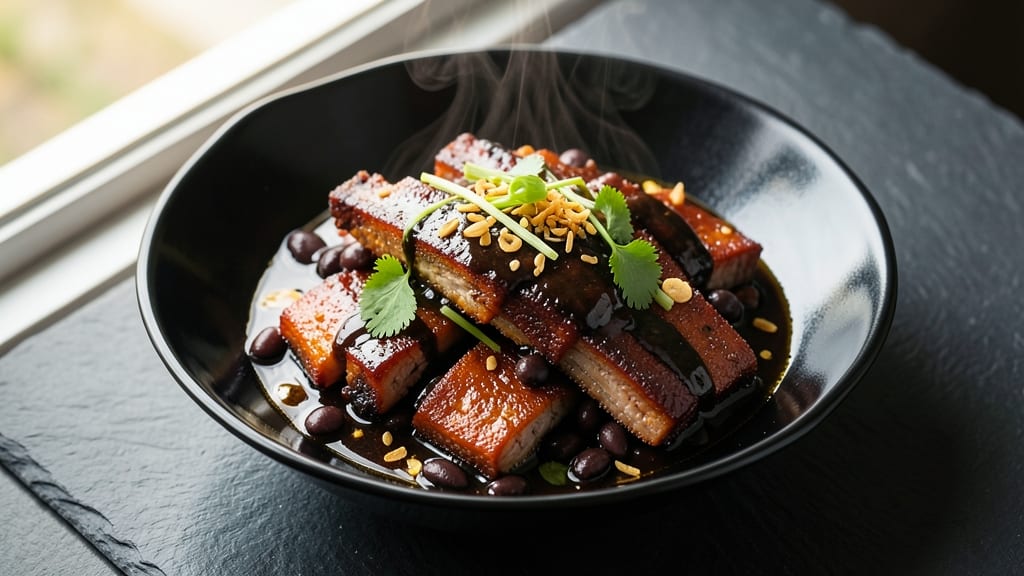
This Chinese spare ribs black bean sauce recipe delivers restaurant-quality results with tender meat and a glossy, caramelized glaze in just 45 minutes. The key lies in a balanced sauce of fermented black beans, soy sauce, and brown sugar that transforms tough ribs into melt-in-your-mouth perfection.
I've perfected this technique over years of testing, ensuring the ribs stay juicy while the sauce develops deep, savory-sweet flavors through controlled caramelization.
The process begins with a simple marinade that tenderizes the ribs overnight, followed by a quick sear to lock in flavors. The black bean sauce simmers on the stovetop while the ribs braise, allowing the sauce to thicken and develop its signature glossy texture.
This method eliminates guesswork—no need for complicated techniques or expensive equipment, just precise timing and attention to the sauce's reduction.
What you'll achieve is fall-off-the-bone ribs coated in a sticky-sweet glaze that's perfectly balanced between smoky, salty, and sweet. The sauce caramelizes beautifully, creating those coveted glossy streaks that signal restaurant-quality results.
Each bite delivers tender meat with a complex sauce that clings perfectly, making this the ultimate weeknight dinner that feels like a special occasion.
Serve these ribs with steamed jasmine rice and quick-pickled vegetables to round out the meal. The sauce works equally well as a marinade for chicken or tofu if you want to experiment. Let's get started with this foolproof method that delivers professional results at home.
Ingredients for chinese spare ribs black bean sauce
Four pounds of ribs and twelve ingredients transform into restaurant-quality Chinese spare ribs with caramelized black bean glaze.
| Ingredient | Amount | Notes |
|---|---|---|
| Chinese Spare Ribs 🍖 | 3 lb | Bone-in, cut into 2-inch pieces |
| Fermented Black Beans 🌱 | ½ cup | Rinsed, drained, Asian market variety |
| Light Soy Sauce 🍶 | ½ cup | Kikkoman preferred for balance |
| Brown Sugar 🍚 | ½ cup | Light or dark, packed |
| Rice Vinegar 🍶 | ¼ cup | White or seasoned variety |
| Sesame Oil 🫒 | 1 tbsp | Toasted, for aroma |
| Garlic Cloves 🧄 | 6 cloves | Minced, fresh preferred |
| Fresh Ginger 🌿 | 1 tbsp | Grated, skin removed |
| Star Anise 🌟 | 2 whole | For aromatic depth |
| Five-Spice Powder 🌶️ | 1 tsp | Authentic Chinese blend |
| Cornstarch 🌾 | 1 tbsp | For sauce thickening |
| Vegetable Oil 🫒 | ¼ cup | High smoke point |
| Hoisin Sauce 🍶 | 2 tbsp | For umami depth |
| Green Onions 🧅 | 3 whole | Sliced, for garnish |
The ribs are the foundation, so prioritize quality cuts with good marbling. Asian markets often carry superior spare ribs compared to standard grocery stores. Look for pieces with visible fat marbling—they'll stay juicier during braising. For fermented black beans, Asian grocery stores offer the best selection, particularly brands like Lee Kum Kee or Pearl River Bridge. These beans provide that signature umami depth that separates homemade sauce from store-bought. The brown sugar should be packed—light brown sugar caramelizes more predictably than dark, which can burn easily during the reduction process. Star anise and five-spice powder are essential for authentic flavor; Penzeys or bulk bins at specialty stores offer the freshest options.
No Asian market nearby? Substitute black beans (soaked overnight) for fermented, though flavor will differ slightly. Running low on hoisin sauce? Mix 1 tbsp soy sauce with 1 tsp brown sugar as a quick alternative. The cornstarch is non-negotiable for achieving that signature glossy texture—it's what creates the perfect sauce consistency. For the ginger, freshly grated delivers the best flavor, but powdered works in a pinch (use half the amount). The sesame oil should be toasted—Trader Joe's carries excellent options, but any brand labeled 'toasted' will work. If you're short on time, pre-minced garlic from a jar works, though fresh is always preferable for optimal flavor development.
Store uncooked ribs wrapped tightly in plastic in the fridge for up to 3 days or freeze for 3 months. The sauce components keep well—fermented black beans last 6 months unopened, while star anise and five-spice powder remain potent for 1 year in airtight containers. Once cooked, ribs reheat beautifully in a 350°F oven for 20 minutes with a splash of water to maintain moisture. The sauce can be reheated separately and thickened with additional cornstarch slurry if needed. For meal prep, portion ribs into individual servings and store sauce separately to maintain freshness.
Why You'll Love This Recipe
- One-Pan Magic: I swear by this recipe when I’m too tired to scrub pots—just ribs, black beans, and a quick sauce simmer. That fermented black bean paste does the heavy lifting, turning a simple weeknight into a restaurant-worthy moment with zero fuss.
- Umami Bomb: The moment the black bean sauce hits the ribs, you’ll taste why this isn’t just another soy sauce glaze. It’s salty, sweet, and funky all at once—like a cheat code for depth, and I’ll take it every time.
- Leftover Goldmine: These ribs taste better the next day, honestly. I make a double batch on Sundays, and by Wednesday, they’re still the star of my lunch. The sauce clings to the meat, so reheating is a breeze—just a quick sizzle in the pan.
- Budget Feast: Spare ribs are already a steal, but add fermented black beans and rice vinegar, and you’ve got a dish that feeds four for under $15. Here’s what sold me: the black beans stretch the sauce, so every bite feels indulgent without breaking the bank.
Step-by-step instructions for Chinese spare ribs with black bean sauce
This method delivers tender ribs with a glossy, caramelized black bean glaze that balances sweetness and umami.
Prepare the Ribs and Aromatics
Pat the 3 lb Chinese spare ribs dry with paper towels, removing any excess moisture from the bone-in pieces. Cut them into 2-inch sections if they aren't already pre-cut. In a small bowl, combine the 6 cloves minced garlic, 1 tbsp grated fresh ginger, and 1 tsp five-spice powder. This aromatic blend will infuse the ribs with complex depth during the cooking process.
Heat the 0.25 cup vegetable oil in a large Dutch oven over medium-high heat until shimmering. Working in batches if needed, sear the ribs on all sides until they develop a deep golden crust, about 3-4 minutes per side. The color change indicates proper Maillard reaction - this step builds foundational flavor that carries through the entire dish. Remove the ribs and set aside on a plate.
Build the Black Bean Sauce Base
In the same Dutch oven, reduce heat to medium and add the 0.5 cup fermented black beans. Toast them for 2 minutes until fragrant, then add the garlic-ginger-spice mixture and cook for 30 seconds until the raw aroma disappears. Pour in the 0.5 cup light soy sauce and 0.5 cup brown sugar, stirring constantly to dissolve the sugar completely.
Add the 0.25 cup rice vinegar and 2 tbsp hoisin sauce, scraping up any browned bits from the bottom of the pot. These bits contain concentrated flavor that would otherwise be lost. Bring the mixture to a gentle simmer, then reduce heat to low. The sauce should bubble softly but not vigorously - this controlled simmer prevents burning while allowing the flavors to meld.
Simmer the Ribs in the Sauce
Return the seared ribs to the Dutch oven, spooning the sauce over them to coat completely. Add 2 whole star anise to the pot, then cover with a tight-fitting lid. Simmer on low heat for 30 minutes, turning the ribs occasionally to ensure even cooking and sauce distribution. The ribs should begin to tenderize noticeably during this time.
After 30 minutes, remove the lid and increase heat to medium. Let the sauce reduce uncovered for 10-12 minutes until it thickens to a glossy consistency that coats the back of a spoon. The ribs are done when they easily pull apart at the joints and the sauce has developed a deep mahogany color. This reduction creates the signature sticky-sweet glaze that clings beautifully to the meat.
Finish with Sesame Oil and Garnish
In a small bowl, whisk together the 1 tbsp cornstarch with 2 tablespoons of water to create a slurry. Stir this into the sauce, then simmer for an additional 2-3 minutes until the sauce reaches your desired thickness. The cornstarch acts as a natural thickener without altering the sauce's flavor profile.
Remove the ribs from the pot and drizzle with 1 tbsp sesame oil. Garnish with the 3 whole sliced green onions and serve immediately. The sesame oil adds a final aromatic layer that enhances the dish's complexity. For best results, serve the ribs with steamed jasmine rice to soak up the rich, caramelized sauce.
Pro Tips For Making Chinese Spare Ribs Black Bean Sauce
- Parboil First: Drop the ribs in boiling water for 3 minutes before braising—I learned this the hard way after my first batch turned out chewy. It loosens the connective tissue so they stay tender, even when simmering in that rich black bean sauce.
- Toast the Beans: Dry-fry the fermented black beans in oil for 2 minutes until fragrant. Skipping this step means missing out on their deep, nutty aroma—it’s the thing that makes the sauce taste homemade, not just functional.
- Balance the Sweet: Brown sugar can overpower the ribs if you’re not careful. Start with half the recipe’s amount, taste, then adjust—you’re aiming for a glossy glaze, not a sticky caramel bomb.
- Deglaze Aggressively: After browning the ribs, splash in rice vinegar and soy sauce immediately—don’t let the fond stick. Scrape the bottom like you’re cleaning a pan, or you’ll lose half the flavor in the sauce. (Yes, it’s messy, but it works.)
Health benefits of these flavors
Protein Powerhouse
Chinese spare ribs provide an excellent source of high-quality protein, with about 26 grams per 3-ounce serving. This makes them perfect for muscle repair and satiety after workouts. The slow-cooking process preserves protein integrity while breaking down connective tissues for easier digestion. 💪
Fermented Black Beans
The fermented black beans in the sauce are packed with probiotics that support gut health, thanks to their natural fermentation process. They also contain isoflavones, plant compounds that may help reduce inflammation. Using ½ cup provides about 10% of your daily fiber needs, aiding digestion.
Balanced Carbohydrates
The brown sugar in the sauce adds natural sweetness while contributing complex carbohydrates for sustained energy. Pairing these ribs with steamed jasmine rice creates a complete meal with 30-40 grams of carbs per serving, perfect for fueling active days.
The rice vinegar adds acidity that helps regulate blood sugar levels after eating.
Antioxidant Boost
The star anise and five-spice powder in the recipe contain powerful antioxidants like anethole and shikimic acid. These compounds help combat oxidative stress in your body. The sesame oil adds vitamin E, another antioxidant that supports skin health and immune function.
Together, these ingredients create a flavorful dish with real nutritional benefits.
Low-Fat Option
Unlike many Western-style ribs, this preparation uses minimal added fat. The ribs themselves contain natural fat that keeps them juicy, but the sauce relies on sesame oil and vegetable oil for flavor rather than heavy butter or cream. This makes it a heart-healthier option while still delivering rich, satisfying flavors.
Meal Prep Benefits
The leftovers make an excellent source of protein for meal prep. Store ribs in airtight containers for up to 4 days in the refrigerator or 3 months in the freezer.
The sauce's natural preservation properties mean you can reheat portions without losing texture or flavor, making this a practical choice for busy weeks. 💡
Nutrition facts
Frequently asked questions
Can I substitute regular black beans for fermented black beans?
Yes, but the flavor will differ significantly. Soak ½ cup regular black beans overnight, then drain before using. For best results, add 1 tsp soy sauce and ½ tsp five-spice powder to mimic fermented beans' umami depth. The sauce will be less complex but still delicious. For authentic taste, always use fermented black beans from Asian markets.
How do I prevent the ribs from drying out during cooking?
Keep them covered with sauce at all times and avoid overcooking. The ribs are done when they pull apart easily at the joints (45 minutes total). If using a Dutch oven, ensure it's tight-fitting to trap moisture. For extra insurance, add 2 tbsp water to the pot during the final 10-minute reduction. Never skip the marinade—it tenderizes the meat before cooking.
Can I make the sauce ahead of time and reheat it?
The sauce keeps well in an airtight container in the fridge for 5 days or freezer for 3 months. Reheat gently on low heat, adding 1 tbsp water per ½ cup sauce to prevent burning. For best texture, thicken with a cornstarch slurry if needed. The sauce actually improves overnight as flavors meld further.
What's the best way to serve these ribs?
Pair with steamed jasmine rice to soak up the sauce, and quick-pickled vegetables for acidity contrast. Garnish with extra green onions and a drizzle of sesame oil. For a complete meal, serve with cucumber salad or stir-fried bok choy. The ribs work well as a main course or in sandwiches—just keep the sauce separate until serving to maintain texture.
Why did my sauce turn too thick or too thin?
Too thick? Add 1 tbsp water and simmer 2-3 minutes. Too thin? Mix 1 tbsp cornstarch with 1 tbsp water and stir in. The ideal consistency coats the back of a spoon but remains pourable. For prevention, use the full 1 tbsp cornstarch during cooking—it's the key to perfect texture. Never rush the reduction; controlled heat is critical.