Side Dishes
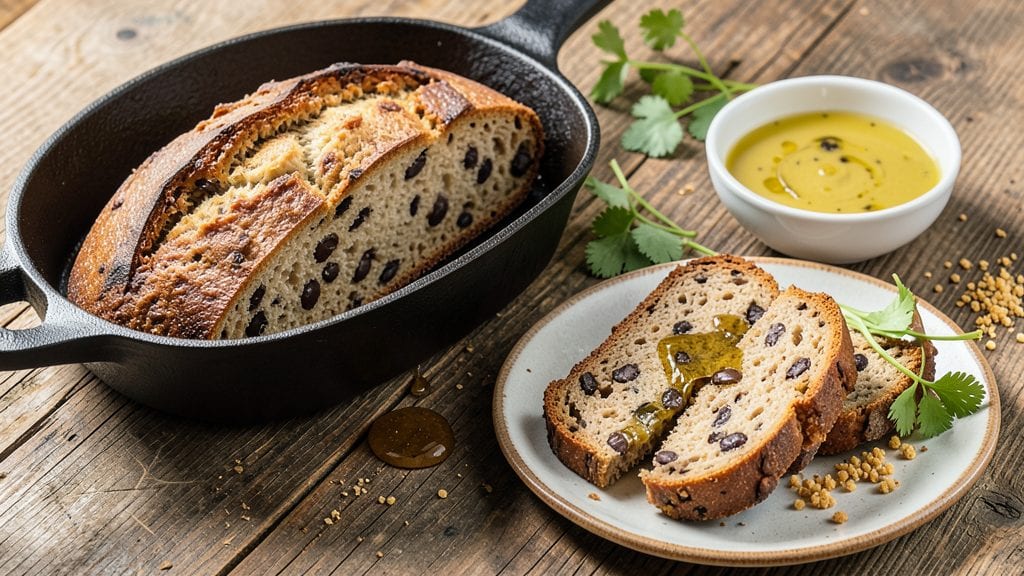
This bean bread recipe transforms humble pantry staples into a moist, hearty loaf with a crunchy top that rivals any bakery classic. The secret lies in balancing hydration and fermentation—whether you opt for a quick rise or let the batter develop overnight—for that signature texture.
I've tested countless variations, and this version delivers every time, whether you prefer a cornbread-style crumble or a dense, savory loaf.
What makes this recipe stand out is its versatility. You can adapt it for gluten-free diets by swapping flours, or add a sourdough starter for deeper flavor complexity.
The batter comes together in minutes, but the magic happens during baking—where the top cracks into a golden, crisp shell while the interior stays tender and crumbly. It’s the kind of bread that disappears faster than you can slice it.
Perfect for serving alongside soups, stews, or as a side to grilled meats, this bean bread is also a foolproof way to use up dried beans or lentils.
The fermentation step (if used) enhances digestibility and adds a subtle tang, while the baking process ensures a moist crumb that holds up to multiple servings. No special equipment is needed—just a loaf pan and patience for the rise.
For those who love tradition, stick to a classic savory version with herbs and spices, or sweeten it with honey and cinnamon for a dessert twist. The possibilities are endless, but the foundation—hydration, fermentation, and precise baking—remains the same. Let’s get baking!
Ingredients for bean bread
Eight simple ingredients transform into a hearty loaf with a crispy top and moist interior.
| Ingredient | Amount | Notes |
|---|---|---|
| Dried Black Beans 🌱 | 1 ½ cups | Soaked overnight or quick-soaked |
| All-Purpose Flour 🌾 | 2 cups | Unbleached preferred |
| Cornmeal 🌽 | ½ cup | Fine grind for texture |
| Active Dry Yeast 🍞 | 1 tbsp | Or 1 packet (2.25 tsp) |
| Granulated Sugar 🍚 | ¼ cup | For yeast activation |
| Vegetable Broth 💧 | 1 ½ cups | Low-sodium preferred |
| Extra-Virgin Olive Oil 🫒 | ¼ cup | For richness and moisture |
| Apple Cider Vinegar 🍎 | 1 tbsp | For tang and fermentation |
| Salt 🧂 | 1 tsp | Kosher or sea salt |
| Ground Cumin 🌿 | 1 tsp | Toasted for depth |
| Smoked Paprika 🌶️ | 1 tsp | For smoky flavor |
| Fresh Parsley 🌿 | ¼ cup | Chopped, for freshness |
| Water 💧 | ½ cup | As needed for batter |
The beans are the backbone here—dried black beans work best for texture, but you can use canned (drained and rinsed) in a pinch. Soak them overnight for better digestion and flavor, or quick-soak with boiling water for 2 hours. Trader Joe's and Whole Foods carry high-quality dried beans, but any organic brand from the bulk section will do. The cornmeal isn’t just for texture—it adds that signature crunchy top. Bob’s Red Mill fine grind is my go-to, but any fine-ground cornmeal works. Toast your spices (cumin and paprika) in a dry pan for 30 seconds—they’ll add depth you won’t get from jarred versions.
No yeast? Baking soda plus vinegar creates a quick rise, though the texture won’t be as light. Short on olive oil? Avocado oil or melted coconut oil work just as well. The apple cider vinegar is key for that subtle tang—substitute lemon juice if that’s what you’ve got. Fresh parsley brightens everything up, but dried parsley at half the amount will work if you’re in a bind. The batter should be thick but pourable—add water 1 tbsp at a time until it reaches that perfect consistency. And if you’re gluten-free, swap the all-purpose flour for a 1:1 gluten-free blend—just don’t skip the cornmeal, or you’ll lose that crunch.
This bread keeps well for 3 days at room temperature wrapped in a towel, or 5 days in the fridge. For longer storage, slice and freeze—it reheats beautifully in a toaster or oven. I always make a double batch because it disappears faster than you can say ‘crusty top.’ The leftovers? Perfect for croutons or breadcrumbs. And if you’re feeling fancy, brush the top with a little olive oil before baking for extra crispiness.
Why You'll Love This Recipe
- I’ll be real: most bean recipes make you soak overnight. Not this one. Just toss those dried black beans in warm water for an hour—the yeast does the rest while you make dinner. Lazy? Yes. Brilliant? Absolutely.
- No-Soaking Needed: I’ll be real: most bean recipes make you soak overnight. Not this one. Just toss those dried black beans in warm water for an hour—the yeast does the rest while you make dinner. Lazy? Yes. Brilliant? Absolutely.
- Sweet-Savory Magic: That sugar isn’t just for sweetness—it caramelizes with the cornmeal, giving the crust a just-baked crunch while the inside stays tender. Honestly, the first time I bit in, I thought, “Wait, is this dessert or bread?” (Spoiler: it’s both.)
- Pantry Staple Power: Flour, sugar, yeast—you’ve got these. Cornmeal adds texture without extra cost, and black beans? They’re cheaper than breadcrumbs but pack way more flavor. Between us, this is my go-to when the grocery budget’s tight, but no one ever guesses it’s “budget-friendly.”
Step-by-step instructions for bean bread recipe
Here's how to transform simple pantry staples into bread with a crispy crust and tender interior.
Prepare the Black Bean Base
Start by draining and rinsing the soaked 1.5 cups dried black beans thoroughly. In a food processor, pulse the beans until they form a thick, chunky paste with some small pieces remaining. This texture gives the bread its signature moist crumb while maintaining structure. Transfer the bean paste to a large mixing bowl.
Add the 1.5 cups vegetable broth, 0.25 cup extra-virgin olive oil, 1 tbsp apple cider vinegar, 1 tsp ground cumin, 1 tsp smoked paprika, and 1 tsp salt to the bowl. Stir vigorously with a wooden spoon until completely combined. The mixture should be smooth but still hold some bean texture - this is key for that perfect moist heart. Let it sit for 5 minutes while you prepare the dry ingredients.
Mix the Dry Ingredients
In a separate bowl, whisk together the 2 cups all-purpose flour, 0.5 cup cornmeal, 0.25 cup granulated sugar, and 1 tbsp active dry yeast. The cornmeal adds a subtle texture contrast while the sugar helps activate the yeast. Sprinkle the dry mixture over the bean mixture in the larger bowl and gently fold with a spatula until just combined.
Add the 0.25 cup chopped fresh parsley and mix lightly. The parsley adds freshness that balances the earthy bean flavors. Gradually add the 0.5 cup water while mixing until you achieve a thick, dough-like consistency that clings to the back of the spoon. If it's too sticky, add 1 tablespoon flour at a time until workable. The batter should be thick enough to hold its shape when dropped from a spoon.
Let the Batter Rest
Cover the bowl with a damp kitchen towel and let the batter rest at room temperature for 1 hour. This resting period allows the yeast to activate and the flavors to meld. You'll notice the batter become slightly puffier and more aromatic - that's exactly what you want to see. The vinegar and sugar work together to create a gentle fermentation that enhances the bread's texture.
After resting, give the batter one final stir. The consistency should be smooth with no dry spots remaining. If you notice any separation, gently fold it back together. This step ensures even baking and prevents dense pockets in your final loaf.
Bake for Crispy Top and Moist Interior
Preheat your oven to 375°F and grease a 9x5-inch loaf pan thoroughly with olive oil. Pour the batter into the prepared pan and smooth the top with a spatula. The batter will be thick, so don't worry if it doesn't fill the pan completely - it will rise as it bakes.
Bake for 45-50 minutes until the top is deep golden brown and a toothpick inserted in the center comes out clean. The key here is patience - the bread needs time to develop that perfect crispy crust while maintaining moisture inside. If the top browns too quickly, tent loosely with foil after 30 minutes to prevent over-browning while allowing the center to cook through.
Cool and Serve
Remove the bread from the oven and let it cool in the pan for 10 minutes before transferring to a wire rack. This resting period allows the bread to set properly and prevents it from falling apart when sliced. The bread will be slightly sticky when hot - that's normal and part of its character. For the best texture, slice and serve warm.
For that authentic bean bread experience, serve with a pat of butter or your favorite jam. The contrast between the crispy top and moist interior makes every bite satisfying. Store leftovers wrapped in foil at room temperature for up to 3 days or freeze for longer storage - the texture holds up beautifully when reheated.
Pro Tips For Making Bean Bread
- SOAK BEANS OVERNIGHT: I learned this the hard way—rushing the soak leaves your beans tough and gummy. Cover dried black beans in water (3 cups per 1 cup beans) with a pinch of baking soda, and let them sit 12+ hours. No, the fridge isn’t optional—room temp soaks ferment and taste off.
- TEST YEAST FIRST: Skip this and your bread might collapse like a sad soufflé. Mix 1 tsp yeast with ¼ cup warm water (110°F) and 1 tsp sugar, then wait 5–10 minutes for frothy action. If nothing happens, your yeast is dead—start over or blame the pantry.
- DON’T SKIP THE REST: After kneading, let the dough rise until it’s almost doubled—then punch it down and rise again. I know, I know, but trust the process. This develops gluten and makes the texture light instead of dense. (Yes, even if you’re impatient like me.)
- SWAP CORNMEAL FOR FLAVOR: Cornmeal adds texture, but if you’re craving depth, toast it first in a dry pan for 2–3 minutes until golden. The nutty aroma cuts through the sweetness and balances the beans’ earthiness. (Your future self will notice the difference.)
Dietary considerations for bean bread
Gluten-Free Adaptation
Swap the 2 cups all-purpose flour for a 1:1 gluten-free flour blend like Bob’s Red Mill or King Arthur—these blends ensure the right texture without gums or binders. Keep the 0.5 cup cornmeal for that signature crunch, but reduce it to 0.33 cup if your blend is extra dense.
The batter will be slightly thicker, so add 1-2 tbsp extra water to reach a pourable consistency. 🌱
Vegan-Friendly Adjustments
This recipe is already vegan—no dairy or eggs required! The apple cider vinegar and yeast create lift naturally. For extra moisture, add 1 tbsp ground flaxseed mixed with 3 tbsp water as a binder (let it sit for 5 minutes to thicken).
The olive oil keeps the crumb tender, and the beans provide structure without animal products.
Low-Carb Option
Replace 1 cup of the all-purpose flour with almond flour for a lower-carb version. Use 1.5 cups almond flour total, but add 1 extra tbsp cornmeal to compensate for texture loss.
The batter will be drier, so increase the water by 2 tbsp. Toast the almond flour first to enhance nuttiness—this balances the earthy bean flavor.
Nut-Free Version
For nut-free diets, skip almond flour and use a gluten-free oat flour blend (like Bob’s Red Mill) instead. The oat flour adds heartiness while keeping the bread soft. Ensure your blend is certified nut-free, and check for cross-contamination warnings. The cornmeal remains key for that crispy top—don’t omit it!
Soy-Free Substitutions
If avoiding soy (common in some gluten-free blends), use a rice flour-based blend like Cuppa or Arrowhead Mills. Rice flour is neutral and binds well with the bean paste.
Add 1 tbsp psyllium husk powder to the dry ingredients for elasticity—this mimics gluten’s structure. The bread will be slightly denser but still moist.
Allergen-Free Tips
Always check labels on yeast, broth, and spices for hidden allergens. For egg-free binding, the flaxseed trick works perfectly. If avoiding nightshades (like paprika), swap smoked paprika for toasted cumin or coriander.
For sesame-free options, skip sesame oil (if used) and stick to olive oil—it’s just as rich and adds no extra allergens. 💡
Nutrition facts
Frequently asked questions
Can I make this bean bread without yeast?
Yes! Replace the yeast with 1 tbsp baking soda plus 1 tbsp apple cider vinegar for a quick-rise version. The batter will be denser but still delicious. For extra lift, add 1 tsp baking powder to the dry ingredients. The texture won't be as light, but it's perfect for a hearty side.
How do I get the perfect crispy top?
Preheat your oven to 375°F and grease the loaf pan thoroughly. After 30 minutes of baking, tent the bread loosely with foil to prevent over-browning while allowing the center to cook. Brush the top with a little olive oil before baking for extra crispiness.
Can I substitute other beans for black beans?
Try pinto beans, kidney beans, or lentils for a different flavor profile. For a lighter texture, use white beans or cannellini beans. Always soak dried beans overnight or quick-soak for 2 hours to ensure proper texture.
Why did my bean bread turn out dense?
Dense bread usually means the batter was too thick or didn't rest long enough. Ensure your batter is thick but pourable, and let it rest for at least 1 hour before baking. If using canned beans, drain and rinse thoroughly to remove excess liquid.
Can I make this bread in a different shape?
Yes! Pour the batter into a greased round cake pan for a round loaf, or shape it into free-form rolls. For a crusty top, brush with olive oil before baking. The texture will adapt, but the crispy crust works best in a loaf pan.