Side Dishes
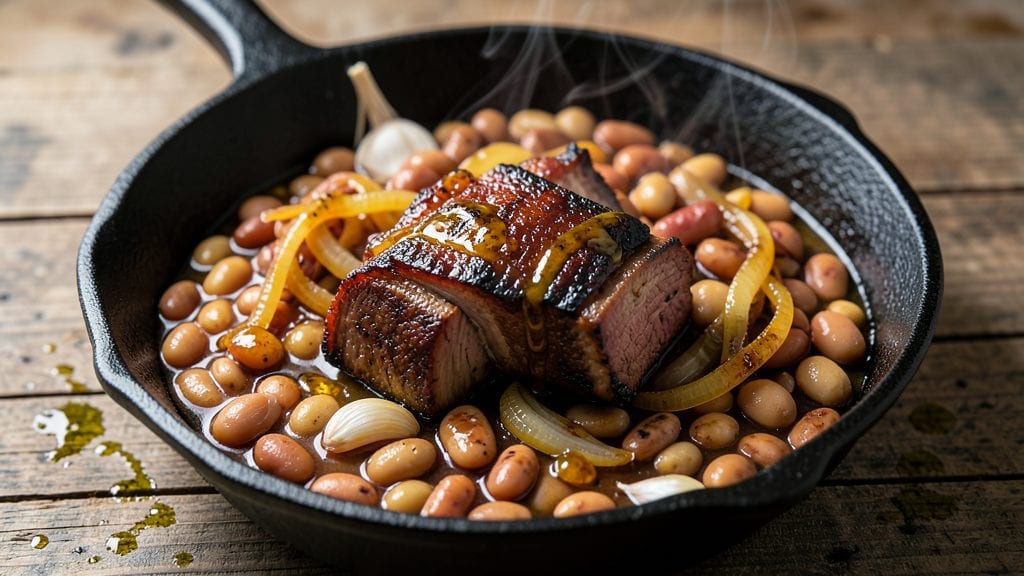
This canned pinto beans and ham hock recipe transforms humble pantry staples into a rich, smoky-sweet stew that tastes like a hug from your nonna’s kitchen.
The ham hock’s deep, savory flavor infuses the beans over hours of slow simmering, creating a dish that’s hearty enough for a Sunday supper but simple enough for a weeknight dinner.
I first discovered this recipe while researching traditional Southern cooking, and it’s since become a staple in my rotation—especially when I’m craving something comforting yet packed with flavor.
The beauty of this recipe lies in its balance of effortless preparation and deep flavor development. You’ll start by rendering the fat from the ham hock, which forms the base for a rich, caramelized broth.
The canned beans absorb the smoky, slightly sweet notes as they simmer, while a touch of brown sugar and vinegar brightens the dish without overpowering it. It’s the kind of recipe that rewards patience—every hour of simmering deepens the flavors, turning simple ingredients into something extraordinary.
By the time you’re done, you’ll have a stew that’s velvety, slightly thickened, and brimming with smoky-sweet goodness. The ham hock becomes tender enough to shred, adding layers of richness to each spoonful.
This dish pairs perfectly with crusty bread, fluffy cornbread, or even a simple side of rice to soak up every last drop of that flavorful broth. It’s the kind of meal that feels like a celebration, even on an ordinary day.
Whether you’re serving a crowd or just treating yourself to a cozy dinner, this recipe delivers restaurant-quality results with minimal effort. The key is letting it simmer low and slow—no rushing, no shortcuts.
That’s what transforms this into a dish worth repeating, time and time again. Let’s get started on creating something truly special.
Ingredients for canned pinto beans and ham hock
Pantry staples plus one special ingredient—ham hock—that turns simple beans into something extraordinary.
| Ingredient | Amount | Notes |
|---|---|---|
| Canned Pinto Beans 🌾 | 2 cans | Drained, rinsed, good quality brand |
| Ham Hock 🥓 | 2 whole | Smoked or unsmoked, 1.5-2 lbs each |
| Yellow Onion 🧅 | 1 whole | Medium, chopped, yellow or white |
| Garlic Cloves 🧄 | 4 cloves | Peeled, minced, fresh preferred |
| Light Brown Sugar 🍯 | 2 tbsp | Packed, light or dark variety |
| Apple Cider Vinegar 🍎 | 2 tbsp | Or white vinegar in a pinch |
| Bay Leaves 🌿 | 2 whole | Dried, standard size |
| Black Peppercorns 🌶️ | 1 tsp | Crushed, freshly ground preferred |
| Salt 🧂 | 1 ½ tsp | Kosher or sea salt, adjust to taste |
| Water 💧 | 4 cups | Or low-sodium chicken broth |
| Extra-Virgin Olive Oil 🫒 | 2 tbsp | For initial rendering of ham |
| Fresh Thyme 🌿 | 1 tbsp | Leaves only, or 1 tsp dried |
| Hot Sauce 🌶️ | 1 tbsp | Optional, for serving or finishing |
The ham hock is non-negotiable here—it’s what gives this dish its deep, smoky-sweet soul. Look for smoked hocks at your local butcher or the meat department—they’re usually sold whole. If you can’t find smoked, unsmoked works too, but you’ll need to add a 1/2 tsp smoked paprika later. The bigger the hock (1.5-2 lbs each), the more flavor you’ll get. I usually grab mine from Whole Foods or my local Costco—both carry them year-round. Pro tip: if the hock smells strongly of ammonia, that’s normal—it’s just the curing process. Rinse it under cold water before using to remove any surface residue.
No smoked paprika? 1 tsp liquid smoke does the trick, but add it sparingly—you can always add more. Running short on vinegar? Lemon juice works 1:1, though it’ll brighten the flavor a bit differently. The beans should be low-sodium if possible—trust me, you’ll want to control the salt. If you can’t find canned pinto beans, dried pinto beans soaked overnight work too, but they’ll take longer to cook. The brown sugar can be swapped for maple syrup if you’re avoiding refined sugar, but keep it to the same amount. And if you’re feeling fancy, add a 1/2 tsp ground cloves with the spices—it’s a classic Southern touch.
This stew only gets better with time—3-4 hours of simmering is ideal, but it’ll keep developing flavor for up to 6 hours on low. The ham hock will fall apart beautifully, so use tongs to pull it out of the pot and shred it right into the stew. Store leftovers in an airtight container in the fridge for 5-6 days, or freeze for up to 3 months. The broth thickens as it cools, so add a splash of water when reheating if it’s too stiff. And don’t skip the hot sauce—it cuts through the richness and adds a little kick to balance everything out.
Why You'll Love This Recipe
- Open Pantry Magic: I swear by this one—no fresh beans to soak, no fancy prep. Just tear open a can, toss in the ham hock, and let the slow simmer do the work. That’s it. Zero fuss.
- Sweet-Savory Crunch: Between us, the ham hock adds this insane depth—smoky, salty, with a meaty pull that makes every bite worth it. Then there’s that brown sugar kiss? Pure satisfaction in a bowl.
- Leftovers That Shine: Honestly, I make this on Sundays and eat it all week. Cold in tacos, reheated over rice, or straight from the pot—it never gets old. (Yes, even on a Tuesday night.)
- Budget Feast: One ham hock stretches this dish for days, and canned beans? Cheap as dirt. You’re feeding a crowd for pennies while still serving something that tastes like you slaved over it. Win.
Step-by-step instructions for smoky-sweet ham hock and pinto bean stew
This hearty stew comes together with minimal effort but maximum flavor—just follow these simple steps.
Render the Ham Hock and Build the Flavor Base
Place the 2 whole ham hocks in a large Dutch oven or heavy pot. Add the 2 tablespoons of extra-virgin olive oil and set over medium heat. Let the ham hocks render their fat for about 10 minutes, turning occasionally. You'll see the fat slowly melt out and the meat begin to brown—this is where all the deep, smoky flavor develops.
Once the fat is rendered and the ham hocks are lightly browned, add the chopped yellow onion. Cook for 5 minutes until the onions soften and become translucent. Then add the 4 minced garlic cloves and cook for another 30 seconds until fragrant. This aromatic base forms the foundation of your stew, so don't rush this step—you want those flavors to meld together properly.
Simmer the Stew with Herbs and Vinegar
Add the 4 cups of water to the pot, scraping up any browned bits from the bottom. Stir in the 2 whole bay leaves, 1 teaspoon of crushed black peppercorns, 1.5 teaspoons of salt, and the 2 tablespoons of apple cider vinegar. Bring everything to a boil, then reduce the heat to low and let it simmer uncovered for 1 hour. This long simmer is what transforms simple ingredients into rich, complex flavors.
After 1 hour, check the ham hocks—they should be tender enough to pull apart with a fork. If they're not quite there, continue simmering for another 30 minutes. The liquid should reduce slightly, creating a thicker, more concentrated broth. This is where the magic happens—the flavors deepen and the aromas become irresistible.
Add the Pinto Beans and Finish Cooking
Drain and rinse the 2 cans of pinto beans to remove any excess sodium. Add them to the pot along with the 2 tablespoons of light brown sugar and 1 tablespoon of fresh thyme. Stir gently to combine, then return the heat to low and let the stew simmer for another 20 minutes. The beans will absorb the rich, smoky broth and become tender and flavorful.
Taste the stew and adjust the seasoning if needed—you might want to add a bit more salt or vinegar to balance the flavors. The sugar will caramelize slightly, adding a subtle sweetness that complements the smokiness of the ham hock. Let the stew sit off the heat for 10 minutes before serving to allow the flavors to settle.
Serve with a Kick (Optional)
Ladle the stew into bowls and serve immediately with a drizzle of hot sauce on top if you like a little heat. The contrast between the smoky, sweet flavors of the ham hock and beans and the tangy kick of the hot sauce makes this dish even more dynamic. Pair it with crusty bread or over buttered cornbread to soak up every last bit of that delicious broth.
This stew tastes even better the next day as the flavors continue to meld, so make extra if you can. It's the kind of dish that warms you up from the inside out and leaves everyone asking for seconds.
Pro Tips For Making Canned Pinto Beans And Ham Hock
- Parboil the Ham Hock: Drop the raw ham hock in simmering water for 10 minutes first—this loosens the collagen and keeps it from turning into rubbery shoe leather when you cook it later. I learned this the hard way after serving a batch that tasted like a chewy boot.
- Drain and Rinse Beans: Open the can and drain the pinto beans, then give them a quick cold-water rinse. The liquid in canned beans is salty and can make your dish taste flat—this step cuts the bitterness and keeps flavors balanced.
- Caramelize the Onion: Walk away from the onion until it’s deep golden, not just soft. A properly caramelized onion adds sweetness that cuts through the saltiness of the ham hock and makes the whole dish sing—yes, even if you’re impatient like me.
- Simmer, Don’t Boil: Keep the heat low enough that you see tiny bubbles, not a rolling boil. High heat turns the beans mushy and washes away the flavor you worked so hard to build—this is the thing that matters most after the ham hock and onions.
Serving suggestions for this dish
Classic Southern Pairings
This rich, smoky stew pairs beautifully with stone-ground cornbread—its slight sweetness and crumbly texture cut through the heartiness perfectly. I love making a batch of Jiffy cornbread mix (just add eggs and milk) for a quick, foolproof side.
For extra flair, brush the tops with melted butter and sprinkle with crushed pecans before baking. 🌽
Crusty sourdough bread is another winner—toss it with garlic butter and serve on the side for dipping. If you’re feeling fancy, try buttermilk biscuits with a hint of brown sugar in the dough. The buttermilk tenderizes the crust while the sugar echoes the stew’s sweetness.
Latin-Inspired Sides
For a Mexican-inspired twist, serve with cilantro-lime rice—cook white rice with 1 tbsp lime zest, 2 tbsp chopped cilantro, and a pinch of cumin.
The bright acidity balances the stew’s richness. Charro beans (pinto beans cooked with bacon and jalapeños) make a great double-duty side, too.
Warm tortillas or tostadas let everyone build their own bowls. Keep a small bowl of sour cream and diced avocado nearby for topping. A sprinkle of crumbled queso fresco adds a salty tang that’s irresistible. 🌶️
Light Contrasts
A simple arugula salad dressed with lemon vinaigrette provides a refreshing counterpoint. Toss 4 cups baby arugula with 2 tbsp olive oil, 1 tbsp lemon juice, and a pinch of salt. The peppery greens cleanse your palate between bites of the hearty stew.
Collard greens slow-cooked with smoked turkey neck and a splash of apple cider vinegar mirror the stew’s smoky depth. Serve them on the side for a complete Southern meal. The greens’ slight bitterness contrasts nicely with the sweet-savory beans. 🥗
Finishing Touches
Garnish each bowl with chopped green onions and a drizzle of hot sauce—I reach for Cholula or Crystal for that perfect tangy heat. For a smoky finish, sprinkle with crushed red pepper flakes or a pinch of smoked paprika.
A few toasted pumpkin seeds add crunch and a nutty depth.
Don’t forget the extra broth! Always serve a small pitcher on the table so everyone can ladle more onto their plate. The flavor only gets better as the stew sits, so encourage seconds—this is the kind of dish that deserves to be savored. 💛
Nutrition facts
Frequently asked questions
Can I use dried pinto beans instead of canned?
Yes, but you'll need to soak them overnight first. For 2 cups dried beans, soak in plenty of water for 8-12 hours, then drain and rinse before adding to the stew. Dried beans will need 1.5-2 hours extra simmering time to become tender. The flavor will be slightly earthier but just as satisfying!
How do I know when the ham hock is fully cooked?
The ham hock is done when it's tender enough to shred easily with a fork. After 1 hour of simmering, test one hock—if it falls apart cleanly, it's ready. If not, continue simmering for another 30 minutes. The meat should pull away from the bone with minimal effort, leaving you with flavorful, melt-in-your-mouth pieces.
Can I make this recipe in a slow cooker?
Brown the ham hock and onions on the stovetop first, then transfer everything to a 6-quart slow cooker. Add all remaining ingredients (including beans) and cook on low for 6-7 hours or high for 3-4 hours. The slow cooker's gentle heat enhances the smoky flavors even more. Just stir occasionally to prevent sticking.
Why does my stew taste too salty?
If using high-sodium canned beans, the vinegar and sugar help balance the salt. For a quick fix, add 1 extra cup of water or broth and simmer for 15 minutes to dilute the flavor. If the stew is still too salty, serve it with extra bread or rice to help absorb the saltiness. Always rinse canned beans to reduce sodium content.
What's the best way to reheat leftovers?
Gently reheat on the stovetop over low heat with a splash of water or broth to restore moisture. Avoid microwaving as it can make the beans mushy. If the stew thickens too much when reheating, stir in 1-2 tablespoons of water at a time until it reaches your desired consistency. The flavors actually improve overnight!