Sauces & Condiments
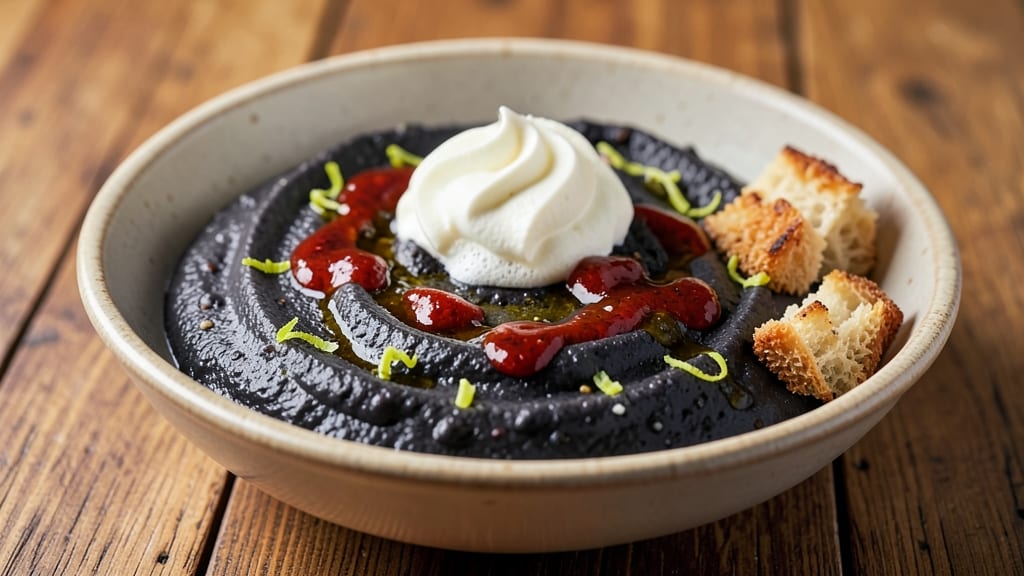
This black bean hummus recipe without tahini delivers the same creamy, velvety texture you love—but with a smoky chipotle kick and no nutty aftertaste.
After years of perfecting hummus for my family's dinner table, I finally cracked the code for a tahini-free version that still clings to chips and sandwiches like glue. The secret? A blend of black beans, aquafaba, and a touch of olive oil creates that signature richness without relying on tahini.
What makes this recipe stand out is the smoky chipotle depth that transforms ordinary hummus into something extraordinary. We're talking about a spread that's creamy yet substantial, with just enough crunch from toasted pepitas on top to keep every bite exciting.
The best part? It comes together in 15 minutes with ingredients you likely already have in your pantry.
This isn't just another dip—it's a versatile condiment that works as a sandwich spread, bowl topping, or party appetizer. The smoky-sweet balance makes it perfect for everything from veggie platters to grilled chicken wraps. And because it's tahini-free, it's also more approachable for those with nut allergies or dietary restrictions.
Once you try this version, you'll never go back to traditional hummus. The texture stays perfectly spreadable even after hours in the fridge, and the flavor only gets better as it sits. Let's get blending—your taste buds will thank you.
Ingredients for black bean hummus recipe without tahini
Pantry staples and a few specialty touches create this creamy, smoky hummus without tahini.
| Ingredient | Amount | Notes |
|---|---|---|
| Canned Black Beans 🫘 | 1 ½ cups | Drained, rinsed, good quality |
| Aquafaba 🥫 | ½ cup | Liquid from canned chickpeas |
| Extra-Virgin Olive Oil 🫒 | ½ cup | High quality, fruity flavor |
| Chipotle Peppers in Adobo 🌶️ | 2 tbsp | Minced, smoky flavor |
| Lemon Juice 🍋 | 2 tbsp | Freshly squeezed |
| Garlic Cloves 🧄 | 3 cloves | Peeled, rough chopped |
| Sea Salt 🧂 | 1 tsp | Fine grain preferred |
| Ground Cumin 🌿 | ½ tsp | Toasted for depth |
| Toasted Pepitas 🥜 | ¼ cup | For crunchy topping |
| Fresh Cilantro 🌿 | ¼ cup | Chopped, for garnish |
The black beans are the foundation—cannellini or pinto work too, but black beans give that rich, earthy color. Trader Joe's or Whole Foods sell high-quality canned beans with less sodium, which matters here. The aquafaba is your secret weapon: it mimics egg whites in texture, giving you that velvety consistency without tahini. For the chipotle peppers, look for adobo sauce in the Latin aisle—it's more flavorful than jarred minced versions. Fresh garlic and lemon juice are non-negotiable; the brightness cuts through the smokiness perfectly. I always grab extra lemon because it's worth the squeeze.
No aquafaba? Silken tofu blended smooth works in a pinch (use half the amount). Short on black beans? White beans or lentils can stretch it, but the color will be different. The pepitas can be swapped for toasted sunflower seeds or crushed pistachios—just toast them first for that same crunch. For extra smokiness, add a pinch of smoked paprika. The cumin can be omitted if you're sensitive to its earthy note, but I promise it adds depth. And if you're making this ahead, reserve some lemon juice to add right before serving—keeps the color bright.
This hummus keeps beautifully—5 days in the fridge if stored in an airtight container with a thin layer of olive oil on top. For longer storage, freeze in ice cube trays and thaw as needed. The pepitas and cilantro are best added fresh right before serving, but you can toast them ahead and store separately. If it gets too thick after refrigeration, just stir in a splash of water or more olive oil. Pro tip: serve with warm pita or veggie sticks—the contrast makes every bite better.
Why You'll Love This Recipe
- No-Tahini, No-Problem: I’ll admit, I was skeptical about skipping tahini—until I blended black beans with aquafaba. That chickpea brine magic? Creamy, rich, and actually budget-friendly without the nutty overpower. Plus, no weird texture or extra shopping trips.
- Smoky Kick: Here’s what sold me—the chipotle peppers in adobo. Just a teaspoon of that smoky paste transforms this into something ridiculously good. The heat lingers, but the lemon juice keeps it bright and balanced—like a taco night in every bite.
- Game for Any Spread: Between us, this isn’t just for chips. Slather it on toast with a fried egg, dollop it into tacos, or use it as a dip for roasted veggies. I’ve even mixed it into burgers when I’m lazy. (Yes, even on a Tuesday night.)
- Pantry Staple Power: Three ingredients are already in my cupboard: black beans, olive oil, and canned peppers. The aquafaba? I save it from chickpeas I buy anyway. No last-minute grocery runs, no fancy tools—just open, blend, and enjoy. Leftovers? They last a week in the fridge, tasting better with each day.
Step-by-step instructions for black bean hummus without tahini
Here's how to blend all these ingredients into a creamy, smoky hummus with perfect texture.
Prepare the Base Ingredients
Start by draining and rinsing the 1.5 cups canned black beans thoroughly under cold water. This removes any excess starch that could make your hummus gummy. I like to give them a quick rinse in a fine-mesh strainer to ensure they're completely clean. While they drain, measure out the 0.5 cup aquafaba - this chickpea brine is our tahini substitute that will create that signature creamy texture.
In a small bowl, combine the 2 tablespoons minced chipotle peppers in adobo, 2 tablespoons freshly squeezed lemon juice, 3 cloves rough chopped garlic, 1 teaspoon sea salt, and 0.5 teaspoon ground cumin. Let this mixture sit for 5 minutes while you prepare the beans. This allows the flavors to meld together and develop that beautiful smoky depth that will make your hummus stand out.
Blend the Base Mixture
Transfer the drained black beans to a high-powered food processor or blender. Add the prepared spice mixture and process for 1-2 minutes until completely smooth. You want a completely homogeneous mixture with no visible bean pieces. If you notice any resistance, stop and scrape down the sides with a spatula to ensure everything gets incorporated evenly.
With the processor running, slowly drizzle in the 0.5 cup extra-virgin olive oil through the feed tube. This gradual addition prevents the oil from splattering and helps create that luxurious, velvety texture. Continue blending for another 2-3 minutes until the mixture becomes thick and creamy. You're looking for a consistency similar to traditional hummus - smooth with just the right amount of body.
Add the Finishing Touches
Transfer the hummus to a serving bowl. At this point, you'll want to give it a taste and adjust the seasoning if needed. If it needs more brightness, add a little more lemon juice. For extra smokiness, you can add a pinch more of the chipotle peppers. The hummus should be perfectly balanced between the earthy beans, smoky chipotle, and bright lemon.
Garnish with the 0.25 cup toasted pepitas and 0.25 cup chopped fresh cilantro. The pepitas add a delightful crunch that contrasts beautifully with the creamy texture, while the cilantro brings freshness that cuts through the richness. I like to sprinkle them evenly over the top and give everything a gentle stir to distribute the flavors throughout.
Serve and Enjoy
Let the hummus rest for 10-15 minutes before serving. This allows the flavors to fully meld together and the texture to settle. The hummus will thicken slightly as it rests, which is perfect for scooping with veggies or spreading on toast. Serve immediately while the flavors are at their peak, or store in an airtight container in the refrigerator for up to 5 days.
For the best experience, serve with warm pita bread, fresh vegetable sticks, or as a spread for sandwiches. The smoky chipotle flavor pairs beautifully with the creamy bean base, and the crunchy pepitas add an exciting textural element with every bite. This hummus is perfect for snacking, appetizers, or even as a flavorful dip for game day.
Pro Tips For Making Black Bean Hummus Recipe Without Tahini
- Drain and Rinse Beans: Dump those canned beans straight into the pot, but rinse them first—especially if your water tastes metallic or the beans are salt-packed. I learned this the hard way when my hummus turned out blander than expected, and it’s not worth the extra 30 seconds of scrubbing your sink later.
- Blend Aquafaba Cold: Pour that aquafaba straight from the fridge—no need to wait for it to warm up. Cold aquafaba blends smoother and whips up faster, giving you that silky texture without the extra effort. (Yes, even if you’re impatient like me.)
- Strain the Chipotle: Don’t just chop those chipotle peppers—strain the sauce through a fine-mesh sieve first. The adobo liquid is salty and muddies the flavor, and you’ll end up with a hummus that tastes like it’s swimming in a brine bath. Trust me, your taste buds will notice.
- Add Oil Gradually: Start with just 2 tablespoons of olive oil, then blend and taste before adding more. Dumping in a quarter cup upfront makes the hummus greasy and heavy. You’re aiming for richness, not a dressing—so go slow, especially if you’re using a high-quality EVOO.
Common mistakes when making your black bean hummus recipe without tahini
Over-Blending Ruins Texture
I’ve seen too many people turn their hummus into a gluey mess by over-blending. Once your black beans and aquafaba reach that silky consistency, stop immediately—any extra time just heats up the motor and breaks down the fibers that create that perfect spreadable texture.
If your hummus starts looking too thick, add 1 tablespoon of water or olive oil instead of blending longer. Trust me, your taste buds will thank you when it’s still creamy, not pasty. 💫
Skipping the Rest Time
Rushing to serve hummus right after blending is a classic mistake. That 10-15 minute rest lets the flavors marry and the texture settle—skipping it means a runny, uneven dip. I once served hummus immediately after blending at a dinner party, and it was a disaster.
The next time, I let it rest, and the difference was night and day. Patience here makes all the difference.
Using Low-Quality Beans
Not all canned beans are created equal, and cheap, high-sodium brands will make your hummus taste bland and watery. I always reach for low-sodium canned black beans from brands like Bush’s or Wild Garden—they’re worth the splurge.
Rinse them thoroughly to remove excess starch, which can turn your hummus gummy. If you’re using dried beans, soak them overnight for the best texture.
Ignoring the Aquafaba
The aquafaba is your secret weapon for creaminess, but some people skip it or use it incorrectly. If you don’t have aquafaba, don’t just add water—it won’t give you that same velvety texture. Instead, use ½ cup silken tofu blended smooth as a substitute.
The aquafaba also needs to be fresh; if it’s cloudy or has a strong odor, it’s past its prime. I always save the liquid from canned chickpeas in a jar in the fridge for just this purpose.
Overlooking the Oil Ratio
Adding olive oil too quickly or in the wrong amount can throw off the texture. Drizzle it in slowly while blending to emulsify properly—this creates that luxurious, spreadable consistency. If your hummus turns out too thick after resting, stir in 1-2 teaspoons of olive oil to loosen it up.
And always use extra-virgin olive oil; it adds flavor and prevents a greasy texture.
Forgetting to Toast the Pepitas
Untoasted pepitas won’t give you that satisfying crunch. Toss them in a dry skillet over medium heat for 3-4 minutes until golden, or bake at 350°F for 8-10 minutes. Skipping this step means a soggy, flavorless topping.
I like to toast them in batches so they don’t burn, and I always keep a small bag on hand for quick garnishes. 🥜
Nutrition facts
Frequently asked questions
Why does this black bean dip taste different from traditional hummus?
This recipe skips tahini to avoid nutty flavors, replacing it with aquafaba and olive oil for creaminess. The smoky chipotle and bright lemon create a bold, balanced taste that's more complex than classic hummus. The black beans also add a deeper earthiness that traditional chickpea hummus lacks.
Can I make this without aquafaba?
Yes! Use ½ cup silken tofu blended smooth as a substitute. For a lighter texture, try 1 tablespoon of olive oil plus 1 tablespoon of water. The tofu works best for maintaining creaminess, while the oil-water mix gives a slightly thinner consistency.
How do I fix hummus that's too thick or too thin?
For thick hummus, stir in 1-2 teaspoons of olive oil or water. If it's too thin, let it rest 10 minutes—it will thicken naturally. For emergency fixes, chill for 30 minutes to firm up. Never over-blend to adjust thickness—it destroys the texture.
What are the best ways to use this smoky black bean dip?
Spread it on toast with avocado, use as a sandwich filling with grilled chicken, or serve with warm pita and veggie sticks. It's also perfect as a topping for tacos, bowls, or even as a marinade base for proteins. The smoky flavor pairs especially well with roasted sweet potatoes or corn.
Will this hummus keep well in the fridge?
Yes! Store in an airtight container for up to 5 days. For longer storage, freeze in ice cube trays. The texture may firm up slightly after refrigeration—just stir in a little water or olive oil to restore creaminess. Always add fresh pepitas and cilantro before serving.