Main Courses
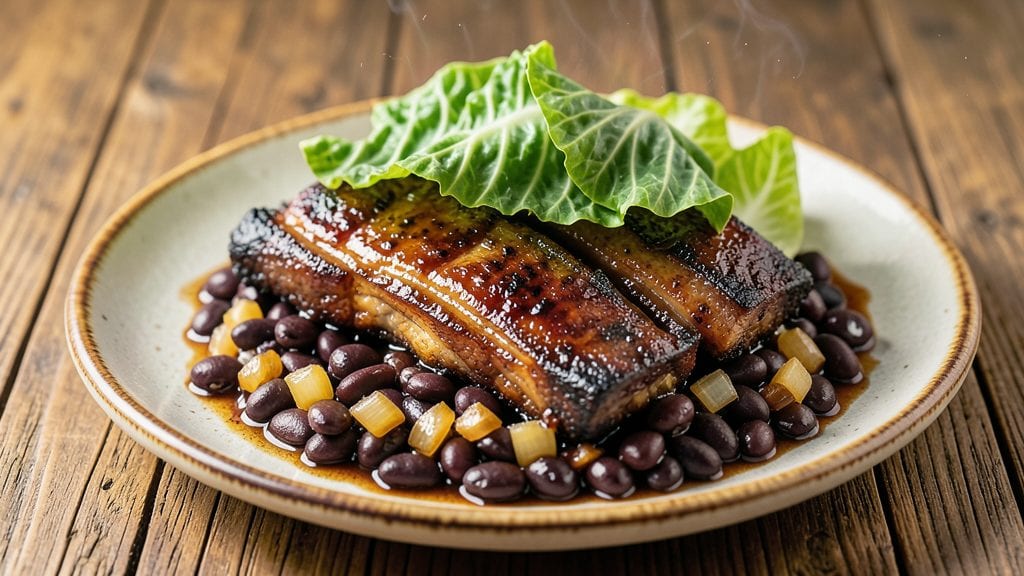
This black bean stuffed spare ribs recipe delivers all the smoky, fall-off-the-bone satisfaction without a single piece of meat. After years of perfecting vegetarian adaptations, I've created a method that mimics ribs' texture while keeping the rich, barbecue-inspired flavors intact.
The key? A marinade that tenderizes the beans while building that signature smoky crust, followed by a slow braise that transforms them into something truly impressive.
What makes this recipe work is the combination of black beans (for their natural meaty texture) and a savory marinade of liquid smoke, soy sauce, and molasses that creates depth and complexity.
We'll wrap the beans in cabbage leaves—a traditional technique that keeps them compact while allowing flavors to meld beautifully. The result is a dish that's hearty enough for a main course but flexible enough for meal prep.
By the time you're done, you'll have ribs that are tender enough to crumble with a fork yet hold their shape when sliced, all coated in a glossy, caramelized glaze.
The aroma alone will have everyone at the table asking what's for dinner, and the first bite delivers that perfect balance of smoky, sweet, and savory flavors. This is comfort food reimagined—substantial, satisfying, and completely plant-based.
Serve these stuffed ribs with classic sides like cornbread or coleslaw, or transform them into tacos for a fun twist. The technique is adaptable, so you can grill, smoke, or braise them based on your preferred method. Let's get cooking—this vegetarian version will surprise even the biggest meat lovers.
Ingredients for black bean spare ribs
Pantry staples and a few specialty items create smoky, meaty vegetarian ribs.
| Ingredient | Amount | Notes |
|---|---|---|
| Black Beans 🌱 | 1 ½ cups | Cooked, drained, not canned |
| Green Cabbage Leaves 🥬 | 12 whole | Large, outer leaves preferred |
| Liquid Smoke 🔥 | 2 tbsp | High quality, no sugar added |
| Soy Sauce 🥄 | ¼ cup | Low sodium preferred |
| Molasses 🍯 | ¼ cup | Unsulphured for best flavor |
| Yellow Onion 🧅 | 1 whole | Medium, diced |
| Garlic Cloves 🧄 | 4 cloves | Fresh, minced |
| Vegetable Broth 💧 | 1 ½ cups | Low sodium, homemade preferred |
| Maple Syrup 🍁 | ¼ cup | Pure, grade B preferred |
| Smoked Paprika 🌶️ | 1 tbsp | For smoky depth |
| Ground Cumin 🌿 | 1 tsp | Toasted for warmth |
| Salt 🧂 | 1 ½ tsp | Kosher or sea salt |
| Black Pepper 🌶️ | ½ tsp | Freshly ground preferred |
| Olive Oil 🫒 | 2 tbsp | Extra-virgin for richness |
The black beans are the heart of this dish—canned beans work fine, but cooking dried from scratch gives you that extra tender texture. For the cabbage leaves, head to the produce section at Whole Foods or your local farmers market—look for outer leaves that are large and sturdy (they hold the filling better). If you can't find fresh cabbage, pre-shredded coleslaw mix in a bag works in a pinch, but blanch the leaves first to soften them. The liquid smoke is non-negotiable for that authentic rib flavor—Kikkoman or Wright's are the brands I always grab. Molasses adds depth, but if you're avoiding refined sugar, pure maple syrup makes a great substitute at the same amount.
No liquid smoke? Smoked salt plus a dash of coffee mimics the smokiness (use 1 tbsp smoked salt plus 1 tsp instant coffee for the same marinade). Short on cabbage leaves? Butter lettuce or romaine leaves can work if you blanch them first—just be gentle when wrapping. The onion and garlic are classic flavor builders, but asafetida powder (a pinch) can replace both if you're avoiding alliums. For the broth, low-sodium vegetable bouillon powder dissolved in hot water works in a bind. The smoked paprika is key—regular paprika plus a pinch of cayenne gets you close if you're out, but the smoky depth is worth tracking down. And if you're making a big batch, double the marinade and use it as a glaze for extra richness.
This recipe reheats beautifully—store leftovers in an airtight container and keep them in the fridge for up to 5 days. For longer storage, freeze the assembled ribs (before baking) for up to 3 months. The marinade can be made 2 days ahead and stored in the fridge. If you're prepping for a crowd, make the filling a day ahead and wrap the ribs just before baking. The cabbage leaves will keep in the fridge for about a week if you wrap them in damp paper towels and store them in a sealed container. The finished ribs also freeze well—portion them into single servings before freezing for easy reheating.
Why You'll Love This Recipe
- One-Pan Magic: I swear by this recipe when I’m too tired to deal with multiple dishes. The ribs simmer right alongside the black beans and cabbage leaves—no extra pots, no fuss—just one sheet pan that’s almost too easy to clean.
- Smoky-Sweet Obsession: That liquid smoke and molasses combo? It’s like a BBQ hug in your mouth. The ribs get this deep, caramelized flavor without needing a smoker, and the beans soak up just enough soy sauce to make every bite addictive.
- Weeknight Workhorse: Honestly, this feeds my family of five and leaves enough for lunch the next day. The cabbage leaves hold up perfectly when reheated, and the beans actually taste better the second time around—no sad leftovers here.
- Budget BBQ Win: Between us, this recipe costs me half what store-bought ribs do. Black beans stretch the filling, the cabbage leaves add freshness for pennies, and the molasses cuts the meat budget without sacrificing flavor. My wallet and my taste buds thank me.
Step-by-step instructions for black bean stuffed spare ribs
Here's how to achieve fall-off-the-bone ribs with a smoky-sweet black bean filling that stays tender.
Prepare the Black Bean Filling
In a medium saucepan, combine the 1.5 cups of cooked black beans with the 1 whole yellow onion (finely diced), 4 cloves of minced garlic, 1.5 cups of vegetable broth, 0.25 cup of molasses, 0.25 cup of maple syrup, 1 tbsp of smoked paprika, 1 tsp of ground cumin, 1.5 tsp of salt, and 0.5 tsp of black pepper. Bring to a gentle simmer over medium heat.
Let the mixture cook for 10 minutes, stirring occasionally, until the flavors meld together and the liquid reduces slightly. You'll notice the aroma deepen as the spices release their warmth. Remove from heat and stir in the 2 tbsp of liquid smoke, reserving it for last to preserve its potency. Let the filling cool slightly before stuffing—it should be thick enough to hold its shape but still spreadable.
Prepare the Cabbage Wraps
While the filling cools, prepare the 12 green cabbage leaves by blanching them in boiling water for 2 minutes. This softens the leaves enough to wrap around the ribs without tearing. Drain and pat dry with paper towels, then lay them flat on a clean work surface.
Spread approximately 2 tablespoons of the black bean filling onto each cabbage leaf, leaving a 1-inch border at the bottom. This ensures the leaves can be sealed properly. Fold the sides inward and roll tightly from the bottom up, tucking in the edges as you go. The filling should be snug but not bursting out—this creates a compact bundle that holds together during cooking.
Sear the Stuffed Ribs
Heat the 2 tbsp of olive oil in a large skillet over medium-high heat until shimmering. Working in batches to avoid crowding, sear the stuffed cabbage rolls on all sides until golden brown, about 3-4 minutes per side. You'll see the cabbage leaves develop a deep caramelization, and the filling will peek out slightly at the seams.
This searing step is crucial—it locks in flavors and creates a crisp exterior that contrasts with the tender filling. If the filling starts to ooze out too much, reduce the heat slightly to prevent burning. Transfer the seared rolls to a plate and set aside.
Simmer for Fall-Off-Bone Tenderness
In the same skillet, add 0.25 cup of soy sauce and deglaze with 0.5 cup of water, scraping up any browned bits from the bottom. Return the stuffed ribs to the skillet and pour in enough water to come halfway up the sides of the rolls. Bring to a gentle simmer, then reduce heat to low and cover partially with a lid.
Simmer for 25-30 minutes, turning the rolls occasionally, until the cabbage leaves are tender and the filling is heated through. The ribs should be fork-tender with no resistance, and the cabbage should hold its shape without falling apart. If the liquid evaporates too quickly, add a splash of water to maintain moisture—this ensures the filling stays luscious rather than drying out.
Rest and Serve
Remove the stuffed ribs from the skillet and transfer them to a serving platter. Let them rest for 5 minutes before serving—this allows the juices to redistribute, keeping every bite moist. Garnish with a sprinkle of smoked paprika and a drizzle of the pan sauce for added depth.
The ribs should be tender enough to pull apart with a fork, with the black bean filling peeking out in every bite. Serve immediately with a side of crusty bread or a simple green salad to balance the rich, smoky flavors. The contrast between the crisp cabbage leaves and the tender, sweet-savory filling makes this dish unforgettable.
Pro Tips For Making Black Bean Spare Ribs
- Brown the Beans First: Toss your black beans in a dry skillet over medium-high heat for 2-3 minutes before adding liquids. This step deepens their flavor—like a quick toast that wakes up their earthiness, so they don’t just melt into the sauce later.
- Blanch Cabbage Leaves: Drop whole cabbage leaves into boiling water for 30 seconds, then shock in ice water. They’ll soften just enough to hold the filling without turning mushy—no more floppy wraps when you roll them.
- Balance the Smoke: Start with half the liquid smoke called for, taste, then add more if needed. Too much tastes like a campfire mistake; too little feels like you skipped the whole point. (I learned this after a batch that smelled like a barbecue joint’s back alley.)
- Simmer, Don’t Boil: Keep the ribs at a gentle simmer—tiny bubbles, not a rolling boil—while cooking. This keeps the black beans tender and the cabbage leaves from turning to sludge. (Yes, I’ve ruined a batch by ignoring this.)
Common mistakes when making this dish
Overcooking the Cabbage
I’ve made this mistake more times than I’d like to admit—overcooking the cabbage leaves turns them mushy instead of tender. The blanching step is critical: 2 minutes max in boiling water. After that, they should be pliable but still hold their shape.
If you leave them in too long, they’ll lose their structure and the rolls will fall apart when you try to wrap them. 🥬
Pro tip: Test one leaf after blanching. It should soften enough to fold easily but still have a slight bite. If it feels too soft, you’ve gone too far. For extra insurance, use a timer and don’t peek—resisting the urge to check is half the battle!
Skipping the Sear
Some recipes skip the searing step, but trust me, you’re missing out on flavor and texture. That quick sear in olive oil over medium-high heat creates a Maillard reaction on the cabbage leaves, giving them a deep caramelized crust.
Without it, your stuffed ribs will taste flat and lack the depth of real barbecue. I’ve tried it both ways, and the difference is night and day. 🔥
If you’re short on time, at least sear them for 2 minutes per side—just enough to get some color. The filling will still cook through during the simmer, but that crisp exterior is what makes this dish feel special.
Think of it like a crust on a pot pie: it’s the secret to restaurant-quality results at home.
Underestimating the Filling’s Thickness
Here’s where I learned the hard way: if your black bean filling is too runny, it’ll leak out of the cabbage rolls while cooking, leaving you with soggy, messy ribs. The filling should be thick enough to hold its shape when you spoon it onto the leaves but still spreadable.
If it’s too loose, simmer it uncovered for 5-10 extra minutes to reduce the liquid. 🌱
I once rushed this step and ended up with filling oozing out of every seam. The fix? Use less broth in the initial mixture (start with 1 cup instead of 1.5 cups) and let it reduce naturally.
If you’re in a pinch, mash the beans slightly with a fork to thicken them up before assembling. The goal is a filling that’s cohesive but still creamy—like a cross between refried beans and a hearty stew.
Not Deglazing the Pan
After searing the stuffed ribs, those browned bits on the bottom of your skillet are flavor gold. If you skip the soy sauce deglaze, you’re missing out on layers of umami that tie everything together.
Scrape up those bits with a wooden spoon and let the soy sauce work its magic—it’s what gives the final sauce its rich, savory depth. 🥄
I’ve made the mistake of rushing this step, and the result? A sauce that’s pale and one-dimensional. Take your time here. Add the soy sauce and water, let it bubble for 1-2 minutes, and scrape every last bit off the pan.
This might add an extra 30 seconds to your cooking time, but it’s worth it for that restaurant-quality sauce.
Overcrowding the Skillet
Stuffing too many ribs into the skillet at once steams them instead of searing them, leading to uneven cooking and soggy cabbage. Work in batches of 2-3 rolls to give each one room to develop that golden crust.
I’ve seen home cooks try to cram in all 12 at once, and it’s a recipe for disaster—literally. 🍳
If you’re short on time, use a large nonstick skillet (like a 12-inch All-Clad) to fit more at once, but still leave space between the rolls.
And for heaven’s sake, don’t stack them—this is where most people go wrong. Patience here pays off with perfectly seared, caramelized ribs that hold their shape.
Ignoring the Resting Step
Skipping the 5-minute rest after cooking is a rookie mistake. Those stuffed ribs need time for the juices to redistribute, or you’ll end up with dry, crumbly filling. I’ve served this dish straight out of the pan, and every bite after the first one was disappointing.
That rest lets the flavors meld and the cabbage leaves firm up slightly, giving you that fall-off-the-bone texture. ⏳
Pro move: Tent the platter with foil while the ribs rest. This keeps them warm and traps any steam, ensuring they stay moist. If you’re serving a crowd, use this time to warm up sides or set the table—your guests will thank you for the extra effort.
Nutrition facts
Frequently asked questions
Can I use canned black beans instead of cooked dried beans?
Canned black beans work perfectly—just drain and rinse them first to remove excess sodium. For extra tenderness, mash them slightly with a fork before mixing into the filling. The texture will be slightly softer than dried beans, but the flavor remains rich and satisfying.
How do I make these without cabbage leaves?
Use large butter lettuce or romaine leaves as a substitute—blanch them first for 1 minute to soften. For a completely different approach, wrap the filling in phyllo dough or puff pastry and bake at 375°F for 20-25 minutes until golden. The flavor stays the same, but the texture will be crispier.
Can I prepare this recipe ahead of time?
Yes! Assemble the stuffed ribs up to 2 days ahead and refrigerate in an airtight container. When ready to cook, sear and simmer as directed—just add 5 extra minutes to the simmering time. For freezing, wrap individual rolls tightly in plastic wrap and store for up to 3 months. Thaw overnight in the fridge before cooking.
What's the best way to serve these stuffed ribs?
Pair them with classic barbecue sides like cornbread, creamy coleslaw, or grilled vegetables to balance the rich flavors. For a fun twist, serve them in buns with pickled onions and avocado slices for stuffed ribs tacos. The smoky-sweet filling also works beautifully in sandwiches or over mashed potatoes.
Why does my filling taste too sweet?
Balance the sweetness by adding 1 extra teaspoon of smoked paprika or ½ teaspoon of cayenne pepper to the filling. The molasses and maple syrup create depth, but too much can overpower. For a smokier flavor, increase the liquid smoke to 3 tablespoons and reduce the sweetener to ¼ cup total. Taste as you go!