Side Dishes
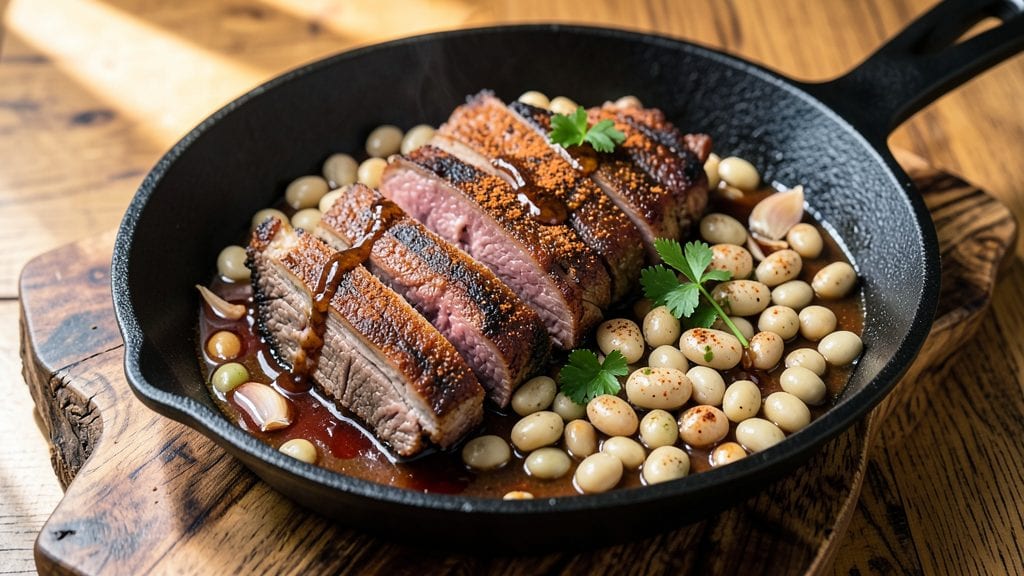
This brisket beans recipe delivers the soul-warming comfort of Southern cooking in one perfect dish—tender brisket paired with smoky-sweet beans that simmer until rich and velvety.
The secret lies in slow-cooking the brisket until fall-apart tender while the beans develop deep, caramelized flavors from the same aromatic blend of spices and molasses.
I’ve tested this recipe countless times to ensure it works in a standard oven or slow cooker, making it accessible for home cooks without sacrificing restaurant-quality results.
The beauty of this dish is its simplicity: just a few core ingredients—brisket, navy beans, and a carefully balanced mix of smoked paprika, brown sugar, and vinegar—transform into a meal that tastes like it’s been simmering all day.
The beans become irresistibly creamy with a hint of tang, while the brisket stays juicy and infused with smoky depth. This isn’t just a side dish; it’s a complete, satisfying meal that pairs perfectly with cornbread or crusty bread to soak up every last bit of flavor.
What sets this recipe apart is the technique: the brisket and beans cook together, allowing their flavors to meld into harmony. The slow cooking process breaks down the brisket into tender shreds, while the beans absorb the rich, savory juices, creating a dish that’s both hearty and elegant.
Whether you’re feeding a crowd for a weekend gathering or prepping for meal prep, this recipe delivers perfect results every time—no shortcuts, just deep, satisfying flavor.
Once you try this brisket beans recipe, you’ll understand why it’s a staple at Southern tables. The combination of smoky, sweet, and tangy flavors creates a dish that’s as comforting as it is impressive.
Ready to make it? Let’s get started with the ingredients and step-by-step instructions that will guide you to a perfect pot of brisket beans.
Ingredients for brisket beans
Nine core ingredients transform into smoky-sweet brisket beans that taste like a Southern feast.
| Ingredient | Amount | Notes |
|---|---|---|
| Beef Brisket 🥩 | 3 lb | Flat cut, well-marbled |
| Navy Beans 🌾 | 2 cups | Dried, soaked overnight |
| Smoked Paprika 🌶️ | 2 tbsp | High-quality for smoky depth |
| Brown Sugar 🍯 | ½ cup | Light or dark, packed |
| Apple Cider Vinegar 🍏 | ¼ cup | For tangy brightness |
| Garlic Cloves 🧄 | 4 cloves | Minced, fresh preferred |
| Yellow Onion 🧅 | 1 whole | Diced, medium size |
| Beef Broth 💧 | 4 cups | Low-sodium preferred |
| Bay Leaves 🌿 | 2 whole | Fresh or dried |
| Black Peppercorns 🌶️ | 1 tsp | Freshly cracked |
| Salt 🧂 | 1 ½ tsp | Kosher or sea salt |
| Molasses 🍯 | 2 tbsp | Unsulfured preferred |
| Vegetable Oil 🫒 | 2 tbsp | For searing brisket |
The brisket is non-negotiable—look for a well-marbled flat cut at Whole Foods or your butcher shop. A 3-pound piece feeds six generously, but don’t skimp on quality. The beans? Dried navy beans from the bulk section (like Bob’s Red Mill) soak up flavor better than canned. Smoked paprika is the secret weapon here—Penzeys or McCormick brands deliver that authentic smoky punch. For the vinegar, apple cider vinegar adds complexity, but white vinegar works in a pinch. I always double-check my spices for freshness—if they smell like dust, toss ‘em!
No smoked paprika? Substitute 1 tbsp regular paprika plus 1 tsp liquid smoke—just don’t overdo it. Swapping dried beans for canned? Use 2 (15 oz) cans, drained and rinsed. Short on molasses? Maple syrup at half the amount gives similar sweetness. The beef broth can be homemade or store-bought—low-sodium versions let you control the salt better. Fresh garlic and onion are ideal, but frozen chopped works if you’re in a rush. The bay leaves? Tear them slightly before adding—they release flavor faster. And trust me, freshly cracked black pepper makes all the difference!
This dish tastes even better the next day—plan ahead. Store leftovers in the fridge for up to 5 days or freeze portions for 3 months. I like to portion into meal prep containers so I can grab a jar for lunch all week. The brisket will keep in the fridge for 3-4 days before cooking, but it’s best used fresh. For the beans, if you soak them overnight, they’ll cook faster and stay creamier. Pro tip: Skimming fat** from the broth after cooking makes it lighter but still flavorful—worth the extra minute!
Why You'll Love This Recipe
- One-Pot Magic: I swear by this recipe—just toss everything into one pot, let it simmer, and walk away. The navy beans soften while the brisket melts into the sauce, so you’re left with zero cleanup and maximum flavor.
- Sweet-Smoky Bomb: That combo of smoked paprika and brown sugar? It’s like a hug in a bowl. The apple cider vinegar cuts through the richness, balancing the deep, smoky beef with just enough tang to keep you reaching for seconds.
- Weeknight to Potluck: Make a double batch on Sunday—it reheats like a dream for lunches all week. Or bring it to a picnic; the flavors only get better as it sits, and it’s hearty enough to feed a crowd without fuss.
- Budget Beef Boost: Brisket stretches thin here, but it doesn’t feel cheap. A pound of beef goes a long way when simmered with beans, and the pantry staples (like smoked paprika) make this a wallet-friendly powerhouse that still tastes like a splurge.
Step-by-step instructions for brisket beans recipe
This method delivers smoky-sweet brisket beans that balance rich meaty flavors with tender navy beans—perfect for serving alongside your brisket.
Sear the Beef Brisket for Deep Flavor
Heat a large Dutch oven over medium-high heat and add the 2 tablespoons vegetable oil. Once shimmering, place the 3 lb beef brisket fat-side down and sear for 8-10 minutes until a deep golden-brown crust forms. Flip and sear the other side for another 8-10 minutes—this step develops the Maillard reaction for maximum flavor.
While searing, you'll notice the fat rendering out and sizzling—this is your signal the brisket is developing that irresistible crust. Remove the brisket and set it aside on a plate, leaving all that delicious rendered fat in the pot. This fat will later form the base of your rich bean sauce.
Sauté Aromatics and Build the Bean Base
In the same Dutch oven, add the 1 whole yellow onion and 4 cloves garlic cloves (minced). Cook over medium heat for 5-6 minutes until the onions soften and turn translucent. You'll smell that sweet, caramelized aroma—this is where the foundation of your dish begins.
Stir in the 2 tablespoons smoked paprika, 1.5 teaspoons salt, and 1 teaspoon black peppercorns, cooking for 30 seconds until fragrant. This spice blend will infuse the beans with that signature smoky depth. Now add the 2 cups navy beans (drained if previously soaked) and stir to coat them evenly with the aromatic mixture.
Simmer with Sweet and Tangy Components
Pour in the 4 cups beef broth, 0.5 cup brown sugar, 2 tablespoons molasses, and 0.25 cup apple cider vinegar. Add the 2 whole bay leaves and bring everything to a gentle boil. Reduce heat to low and let it simmer uncovered for 1 hour, stirring occasionally to prevent sticking.
During this time, you'll notice the beans beginning to soften and the liquid reducing slightly. The sweet and tangy components will meld together, creating a rich, complex sauce. The brisket should also be tenderizing during this stage—if it's not already fork-tender, we'll address that next.
Braise the Brisket and Combine with Beans
Return the seared brisket to the Dutch oven, placing it on top of the beans. Add enough water to just cover the brisket (about 1 cup) and bring to a simmer. Cover and cook on low heat for 2-2.5 hours, or until the brisket reaches an internal temperature of 200-205°F and is fork-tender.
This slow braising ensures the brisket becomes melt-in-your-mouth tender while infusing the beans with its rich, meaty juices. The beans will absorb all those incredible flavors, becoming perfectly tender with a deep, smoky-sweet profile. Check occasionally to ensure there's always some liquid in the pot to prevent burning.
Finish and Serve with Perfect Texture
Once the brisket is tender, remove it from the pot and let it rest for 15-20 minutes before slicing. Skim any excess fat from the bean mixture and adjust seasoning if needed—perhaps a touch more salt or vinegar to balance the sweetness. The beans should be tender but still hold their shape with a rich, velvety sauce.
Slice the brisket against the grain and serve it alongside the brisket beans. The contrast of tender, smoky beans with perfectly cooked brisket creates an unforgettable meal. Each bite delivers that perfect harmony of sweet, smoky, and savory flavors that makes this dish so special.
Pro Tips For Making Brisket Beans
- CRACK THE BRISKET FIRST: The brisket needs a long, slow cook—at least 3 hours on low heat in a Dutch oven. I learned this the hard way: rushing it leaves you with chewy meat instead of fork-tender slices. If you’re short on time, start it in the morning or use a slow cooker on low overnight.
- SOAK NAVY BEANS OVERNIGHT: Skip the quick-soak hack here—navy beans benefit from a full 12-hour soak in cold water. This cuts cooking time by nearly half and prevents that gummy texture. Drain and rinse them well before adding to the pot, or you’ll end up with a watery mess.
- DON’T SKIP THE VINEGAR TIMING: Add the apple cider vinegar in the last 30 minutes of cooking. Too early, and the acid will turn the beans rubbery. Too late, and the flavor won’t meld properly. Trust me, this small window makes a real difference in balancing the sweetness of the brown sugar.
- BROWN THE BRISKET IN BATCHES: If your brisket is thick, cut it into chunks and brown them in two rounds—don’t overcrowd the pan. The Maillard reaction needs space to work, and a crowded pan steams instead of sears. A few minutes extra here means deeper flavor later.
Troubleshooting great brisket beans
Beans Too Dry?
If your beans end up dry or mushy, it’s usually from overcooking or insufficient liquid. Always add 1 extra cup of water or broth when braising the brisket—this keeps the beans moist. I’ve found that navy beans need about 2-2.5 hours of simmering, but check them at 1.5 hours.
If they’re still firm, add ½ cup more broth and cover to steam gently. Stirring occasionally prevents sticking, and never skip the 15-minute rest before serving—this lets flavors meld and juices redistribute. 💧
Brisket Not Tender?
Tough brisket usually means it didn’t cook long enough or the heat was too high. Use a meat thermometer—the brisket should reach 200-205°F internal temperature. If it’s still firm at 2 hours, add ½ cup more liquid, cover, and cook another 30-45 minutes.
For extra tenderness, try the Texas Crutch: wrap the brisket in butcher paper or foil during the last 1 hour of cooking to trap steam. I swear by this trick for restaurant-quality results. ⏰
Flavor Too Sweet?
If the molasses or brown sugar overpowers, balance it with 1 extra tablespoon of apple cider vinegar or a pinch of smoked salt. Taste as you go—acidity cuts through sweetness beautifully.
For a smokier profile, add ½ teaspoon liquid smoke (like La Choy) or an extra ½ teaspoon smoked paprika. I’ve also found that simmering uncovered for the last 10 minutes reduces excess sweetness by concentrating flavors. 🌶️
Fat Floating on Top?
Skimming fat is optional but makes the beans lighter. Use a fat skimmer or spoon to remove excess fat after cooking—aim to leave about 1-2 tablespoons for flavor. If you prefer a richer texture, leave it in.
For a cleaner dish, refrigerate the beans overnight—the fat solidifies on top and can be easily spooned off. I do this for meal prep to keep portions lighter. ❄️
Beans Still Crunchy?
Undercooked beans are usually from insufficient soaking or cooking time. If using dried beans, soak them overnight in cold water (or 2 hours in hot water with 1 teaspoon baking soda).
For extra tenderness, add 1 extra bay leaf or a ½-inch piece of kombu (seaweed) to the pot—it boosts natural softening enzymes. If beans are still firm after 3 hours, add ½ cup more broth and simmer another 30 minutes. 🌱
Too Salty?
Over-salting is common when using broth or cured meats. If the beans taste too salty, add 1 extra cup of water or broth and simmer uncovered for 10 minutes to dilute the salt.
For a quick fix, stir in 1 tablespoon unsalted butter or 1 teaspoon sugar—both help balance saltiness. Taste as you go, and adjust gradually. I’ve also found that adding 1 extra bay leaf during cooking mellows harsh salt flavors naturally. 🧂
Nutrition facts
Frequently asked questions
Can I use canned beans instead of dried?
Yes, but with a few adjustments. Use 2 (15 oz) cans of navy beans (drained and rinsed) instead of dried. Since canned beans are pre-cooked, reduce the simmering time to 1 hour total after adding them to the pot. The texture will be slightly softer, but still delicious. Just be sure to add the extra ½ cup broth if needed to maintain moisture.
How do I make this recipe in a slow cooker?
Transfer the seared brisket and sautéed aromatics to a 6-quart slow cooker. Add all remaining ingredients except the water (since slow cookers add moisture differently). Cook on LOW for 7-8 hours or HIGH for 4-5 hours. The brisket should reach 200-205°F internally. The beans will absorb flavors beautifully while staying tender. Stir occasionally to prevent sticking.
What’s the best way to reheat brisket beans?
Reheat gently in a saucepan over low heat with 2-3 tablespoons of water or broth to prevent drying. Stir frequently until warmed through (5-7 minutes). For leftovers, microwave in 1-minute intervals on 50% power, stirring between each interval. Avoid reheating in the oven—it can make the beans mushy. The flavors actually improve the next day!
Can I substitute pinto beans for navy beans?
Pinto beans work wonderfully and add a slightly earthier flavor. Use the same quantity (2 cups dried) and soak time. Since pinto beans cook slightly faster, check for tenderness at 1.5 hours instead of 2. The smoky-sweet profile will still shine, but the beans will have a slightly different texture—more creamy and less firm. Great for those who prefer a softer bean!
How long can I store cooked brisket beans?
Store in an airtight container in the fridge for up to 5 days or freeze for 3 months. For freezing, portion into meal prep containers and cool completely before sealing. Thaw overnight in the fridge—never microwave directly from frozen. The beans will keep their texture and flavor beautifully, making this a perfect make-ahead dish for busy weeks.