Sauces & Condiments
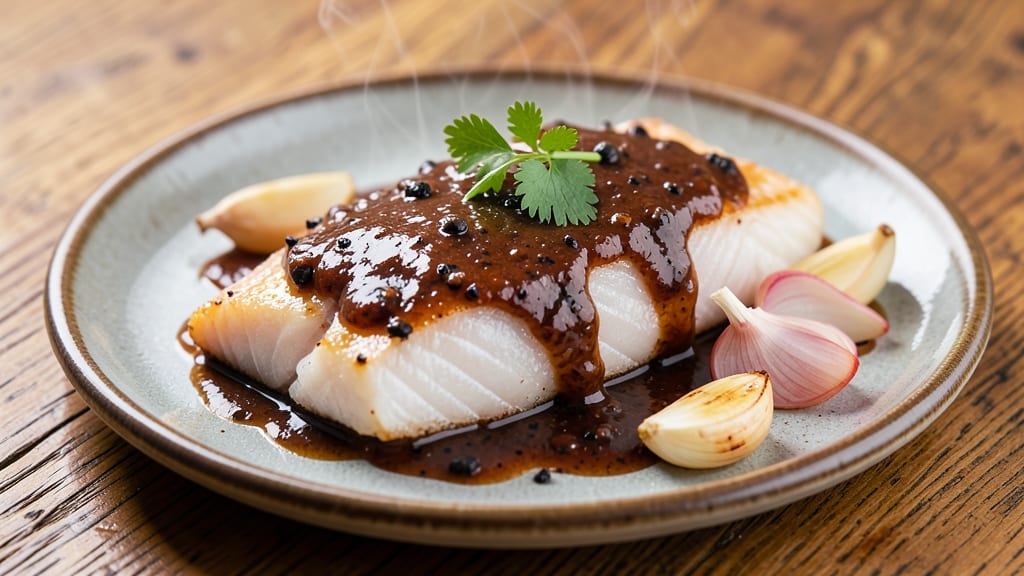
This steamed fish fillet with black bean sauce transforms simple ingredients into a restaurant-worthy dish with minimal effort. The key lies in the sauce—fermented black beans create an umami-rich glaze that caramelizes beautifully while steaming, infusing the fish with deep, savory notes.
I first discovered this technique during a busy week when I needed a healthy yet impressive meal in under 30 minutes.
The beauty of this recipe is its one-pan simplicity: no deep frying, no complicated techniques. Instead, you steam the fish directly over the simmering sauce, allowing the flavors to meld naturally.
The black bean sauce itself requires just five ingredients—black beans, soy sauce, sugar, garlic, and a touch of ginger—all blended into a smooth, glossy finish that clings perfectly to the fish.
What you’ll end up with is tender, flaky fish with a glossy, caramelized crust from the sauce, served over a bed of fragrant steamed vegetables or jasmine rice. The sauce’s complex, fermented depth elevates even the most basic fillet, making this dish feel luxurious without the fuss.
Garnish with scallions or sesame seeds for a final touch of freshness.
Perfect for weeknight dinners or special occasions, this recipe scales effortlessly for two or four. The sauce can be made ahead and reheated, so you’re always ready to impress with minimal prep. Let’s get started—your taste buds will thank you.
Ingredients for steamed fish fillet with black bean sauce
Five key ingredients transform simple fish into restaurant-quality umami harmony.
| Ingredient | Amount | Notes |
|---|---|---|
| White Fish Fillets 🐟 | 1 ½ lb | Cod, tilapia, or snapper preferred |
| Fermented Black Beans 🫘 | 1 cup | Drained and rinsed well |
| Light Soy Sauce 🥄 | ½ cup | Kikkoman preferred |
| Granulated Sugar 🍚 | 2 tbsp | Light brown sugar for depth |
| Garlic Cloves 🧄 | 4 cloves | Minced, aromatic intensity |
| Fresh Ginger 🌿 | 1 tbsp | Grated, zesty brightness |
| Green Onions 🧅 | ¼ cup | Sliced, garnish only |
| Toasted Sesame Seeds 🥜 | 1 tbsp | For crunchy finish |
| Jasmine Rice 🍚 | 1 cup | Uncooked, for serving |
| Vegetable Oil 🫒 | 1 tbsp | High smoke point |
| Diamond Crystal Kosher Salt 🧂 | 1 tsp | For seasoning |
| Black Pepper 🌶️ | ½ tsp | Freshly cracked |
| Water 💧 | 1 ½ cups | For steaming |
The fermented black beans are non-negotiable—they bring that signature umami depth that elevates everything. Asian markets carry the best jars (look for brands like Lee Kum Kee), but any jarred fermented black beans will work. If you can't find them, soy sauce + a splash of vinegar mimics the tang, though it won't be identical. The fish should be firm, not fishy-smelling, and about 1-inch thick for even cooking. Snapper or cod hold up best to steaming, but tilapia works in a pinch. I always buy extra—half goes in the fridge, half freezes for next week's quick meals.
No fresh ginger? Ground ginger at half the amount works, but you'll lose that bright zing. The garlic can be pre-minced from a jar (saves time), but fresh always tastes better. Kikkoman soy sauce is my go-to, but any light soy will do—just avoid dark soy, which is too intense. The sugar caramelizes beautifully during steaming, creating that glossy crust. If you're watching sugar, reduce to 1 tbsp and add a pinch of cornstarch slurry to thicken the sauce. The green onions and sesame seeds are purely for garnish—skip if you're serving this to kids (or just hide them under extra sauce).
The sauce keeps for 5 days in the fridge, and the fish reheats beautifully—just cover with foil and warm in a 350°F oven for 8-10 minutes. For a shortcut, make the sauce ahead and freeze it in ice cube trays. The rice? Cook it in a rice cooker or pot, then fluff with a fork. Don't overcook it—you want it slightly underdone so it absorbs the sauce perfectly. This dish tastes even better the next day as the flavors meld, so double the sauce if you're feeding a crowd.
Why You'll Love This Recipe
- No-Fuss Steaming: I swear by my bamboo steamer here—just toss in the fish, pour the sauce, and walk away. No oil splatter, no burnt garlic, and the fish stays moist while the black beans soak up all that umami goodness.
- Umami Bomb: That fermented black bean sauce? Chef’s kiss. The salty-sweet balance hits different—like a cross between a dim sum bite and your favorite takeout. One taste and you’ll be reaching for more.
- Weeknight to Dinner Party: Same recipe, different vibes. Serve it with rice for a lazy Tuesday or plate it on a bed of greens for a fancy-ish weeknight dinner. The sauce clings to the fish like it’s meant to be there.
- Budget-Friendly Leftovers: Fish fillets stretch further when you steam them, and the black bean sauce keeps well in the fridge. Reheat with a splash of water—tastes just as good the next day, honestly. My wallet thanks me.
Step-by-step instructions for steamed fish fillet with black bean sauce
Here's how to create a perfectly balanced dish where tender fish meets rich, savory black bean sauce in one elegant pan.
Prepare the Black Bean Sauce Foundation
In a small saucepan, combine the 1 cup fermented black beans, 0.5 cup light soy sauce, and 2 tablespoons granulated sugar. Bring to a gentle simmer over medium heat and cook for 5-6 minutes, stirring occasionally, until the mixture thickens slightly and the sugar dissolves completely. You'll notice the sauce develop a glossy sheen and deepen in color as the flavors meld together.
While the sauce simmers, finely mince the 4 cloves garlic and grate the 1 tablespoon fresh ginger using a microplane. Set these aside—they'll add aromatic depth to your sauce. The key here is patience; don't rush the sauce reduction or the flavors won't develop properly. Once thickened, remove from heat and keep warm.
Season and Steam the Fish Fillets
Pat the 1.5 lb white fish fillets completely dry with paper towels—this ensures maximum crispness when steamed. In a small bowl, combine 1 teaspoon diamond crystal kosher salt, 0.5 teaspoon black pepper, and the minced garlic and ginger. Lightly brush this mixture over both sides of each fillet, pressing gently so the seasoning adheres.
Heat a large skillet over medium heat and add 1 tablespoon vegetable oil. Once the oil shimmers, carefully place the fish fillets in the pan. Steam for 6-8 minutes, depending on thickness, until the fish becomes opaque and flakes easily when tested with a fork. The edges should develop a delicate golden sheen while maintaining perfect tenderness throughout.
Finish the Sauce and Combine
Return the warm black bean sauce to medium heat and stir in the toasted sesame seeds. Let it simmer for an additional 2 minutes to infuse the nutty aroma throughout the sauce. The sesame seeds should be evenly distributed but still visible for that final crunchy texture.
Carefully transfer the steamed fish fillets to a serving platter and spoon the finished black bean sauce over the top. Garnish immediately with the 0.25 cup sliced green onions for a fresh contrast. Serve with the 1 cup uncooked jasmine rice prepared separately according to package instructions—this dish shines when paired with fluffy, aromatic rice to soak up every last bit of that umami-rich sauce.
Pro Tips For Making Steamed Fish Fillet With Black Bean Sauce
- Prep Fish Skin First: If your fillets have skin, score it lightly with a knife before steaming—this prevents curling and lets the sauce cling better. I learned this the hard way when my first batch looked like a sad, wavy blanket instead of a neat fillet.
- Toast Black Beans Dry: Skip the oil—just dry-toast the fermented black beans in a hot pan for 30 seconds until fragrant. This deepens their nutty flavor without turning the sauce greasy, and it’s the step that makes the difference between "meh" and "wow."
- Balance Sauce Ratios: For every 2 tablespoons of black bean sauce, use 1 teaspoon light soy and ½ teaspoon sugar. Too much soy overpowers the beans; too little sugar leaves the sauce sharp. Taste as you go—this isn’t a guess.
- Steam Over High Heat: Crank the heat to high for the first 2 minutes to create steam fast, then reduce to medium. Low heat means soggy fish and a watery sauce—neither of which you want. The fish should cook in 6-8 minutes, flaky but not falling apart.
Creative variations of these flavors
Spicy Sichuan Twist
Transform the classic sauce into a fiery Sichuan sensation by adding 1 tablespoon chili bean paste (like Lao Gan Ma) and ½ teaspoon Sichuan peppercorns toasted and ground.
The peppercorns add a numbing heat that pairs perfectly with the fish’s delicate texture. Serve with extra pickled vegetables on the side to balance the spice. 🌶️
Coconut-Lime Fusion
For a tropical twist, blend ¼ cup coconut milk into the black bean sauce and finish with 1 tablespoon lime zest. The creamy coconut softens the sauce’s richness while the lime brightens the dish, making it ideal for summer meals.
Garnish with toasted coconut flakes for texture. This version works beautifully with mahi-mahi or sea bass.
Miso-Infused Depth
Swap half the soy sauce for 2 tablespoons white miso paste, simmered until fully dissolved. The miso adds a fermented complexity that deepens the umami profile.
I recommend Shinshu brand miso for its smooth texture. This variation pairs well with salmon fillets—the fish’s natural oils complement the miso’s earthiness beautifully.
Vegetarian Adaptation
Replace the fish with extra-firm tofu pressed for 30 minutes to remove excess water. Cut into fillets, marinate in the black bean sauce for 15 minutes, then steam as directed.
For extra flavor, add 1 teaspoon smoked paprika to the sauce. Serve with steamed bok choy for a complete plant-based meal.
Sweet Chili Glaze
Blend ¼ cup sweet chili sauce (like Maesri Thai Kitchen) into the finished black bean sauce. This adds a tangy-sweet contrast that works wonderfully with catfish or swai fillets.
Garnish with crushed peanuts for crunch and a sprinkle of Thai basil for aroma. The sauce caramelizes beautifully, creating a glossy finish.
Herb-Forward Variation
Stir 1 tablespoon chopped cilantro and 1 teaspoon fish sauce into the warm sauce just before serving. The cilantro adds freshness, while the fish sauce enhances the umami. This lighter version pairs perfectly with flounder or sole, especially when served with steamed asparagus on the side. 💫
Nutrition facts
Frequently asked questions
Can I use canned black beans instead of fermented?
Fermented black beans are essential for that signature umami depth, but you can make a substitute. Combine 1 cup canned black beans (drained) with 1 tablespoon soy sauce and ½ teaspoon vinegar, then mash them into a paste. Simmer for 5 extra minutes to mimic fermentation. The flavor won't be identical, but it'll still taste delicious!
How do I know when the fish is fully cooked?
The fish is perfectly done when it reaches an internal temperature of 145°F and flakes easily with a fork. For steaming, this typically takes 6-8 minutes for 1-inch-thick fillets. Look for opaque flesh that pulls away cleanly from the bones—no translucent centers!
Can I make this recipe without a stovetop?
Use an instant pot or electric pressure cooker for the sauce, then steam the fish in a separate basket. For the fish itself, try an oven steaming method: place fillets on a rack over a baking dish with ½ inch of water, cover with foil, and bake at 375°F for 10-12 minutes.
Why did my sauce turn out too thin?
This usually happens if you didn't simmer long enough or used too much liquid. Next time, reduce the soy sauce to ¼ cup and add 1 teaspoon cornstarch mixed with 1 tablespoon water to thicken it. Stir in during the last 2 minutes of simmering for a glossy finish.
What's the best way to reheat leftovers?
Cover the dish with foil and warm in a 350°F oven for 8-10 minutes to preserve moisture. For a quick fix, reheat just the sauce in a saucepan over low heat, then gently warm the fish separately. Avoid microwaving—it makes the fish dry and the sauce watery!