Side Dishes
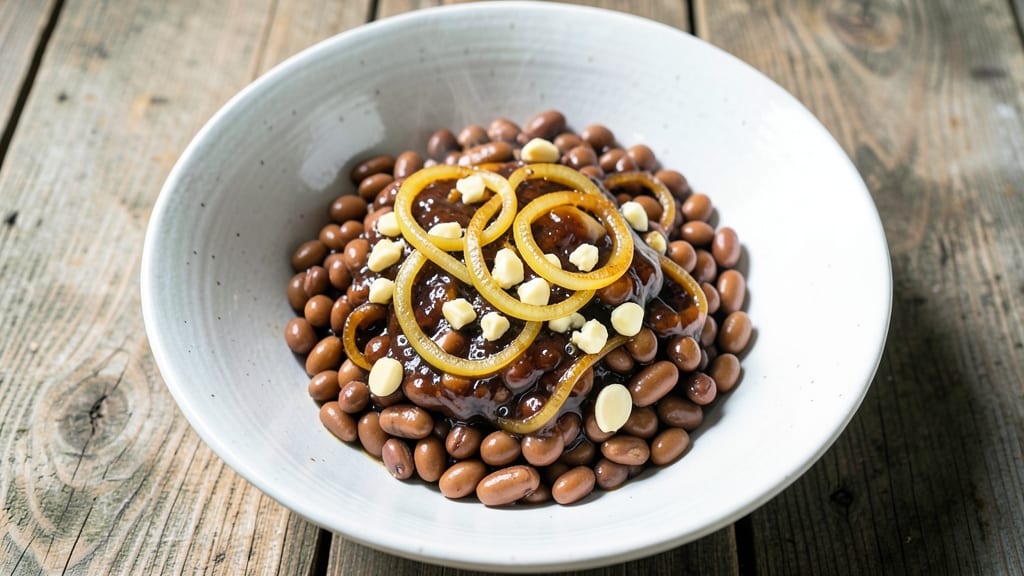
This British beans recipe transforms humble baked beans into a smoky, garlic-infused side dish with crispy edges that steals the show at any table.
The secret lies in slow simmering navy beans with a rich blend of molasses, mustard, and smoked paprika—creating a depth of flavor that feels both nostalgic and refined.
I first developed this version after craving the hearty, comforting taste of British pub fare but wanting something lighter than traditional pork-heavy versions.
The beauty of this recipe is its versatility—it works as a standalone vegetarian dish or pairs perfectly with bacon, sausages, or crispy hash browns.
The beans develop a caramelized crust when simmered just right, while the garlic and smoked spices add layers of warmth that linger long after the last bite. Unlike store-bought versions, this recipe controls the sugar content and avoids artificial additives, making it a healthier yet equally satisfying option.
What you’ll end up with is a deeply flavorful, texturally rich side that’s creamy from the beans but with a satisfying bite from the crispy edges. The aroma alone—smoky, slightly sweet, with a hint of tang—will have everyone at the table reaching for seconds.
It’s the kind of dish that feels both comforting and elevated, perfect for family dinners, Sunday roasts, or even as a filling for hearty sandwiches.
Serve it alongside toasted soda bread, mashed potatoes, or even as a topping for grilled meats. The recipe scales effortlessly, so you can easily double it for gatherings. Here’s how to make it—crispy edges and all.
Ingredients for british beans
Transform simple pantry staples into a restaurant-worthy British-inspired side with deep smoky warmth and crispy edges.
| Ingredient | Amount | Notes |
|---|---|---|
| Navy Beans (Dried) 🌾 | 1 ½ cups | Unsoaked for optimal texture |
| Yellow Onion 🧅 | 1 whole | Medium size, finely diced |
| Garlic Cloves 🧄 | 4 cloves | Fresh, minced for aromatic infusion |
| Unsalted Butter 🧈 | ½ cup | Full-fat for rich flavor |
| Molasses 🍯 | ¼ cup | Dark, unsulphured preferred |
| Dijon Mustard 🍯 | 1 tbsp | High-quality, smooth texture |
| Smoked Paprika 🌶️ | 1 ½ tbsp | Spanish pimentón for authentic depth |
| Apple Cider Vinegar 🍋 | 1 tbsp | For subtle tang balance |
| Vegetable Broth 💧 | 2 cups | Low-sodium for flavor control |
| Bay Leaves 🌿 | 2 whole | Fresh for aromatic complexity |
| Thyme Leaves 🌿 | ½ tsp | Fresh, finely chopped |
| Sea Salt 🧂 | 1 ½ tsp | Diamond Crystal preferred |
| Black Peppercorns 🌶️ | ½ tsp | Freshly cracked for intensity |
| Brown Sugar 🍬 | ½ cup | Light for subtle sweetness |
The navy beans are the foundation—opt for heirloom or organic dried beans from Whole Foods or local co-ops for superior texture. The molasses should be dark and unsulphured (like Molliard's), as lighter varieties lack depth. Smoked paprika is non-negotiable here; Spanish pimentón from Penzeys delivers that authentic pub-house smokiness. For the garlic, elephant garlic adds a milder, sweeter note if you prefer subtlety. The butter must be full-fat European-style—Plugrá or Kerrygold elevate the dish beyond standard American brands.
No smoked paprika? Substitute 1 tsp liquid smoke plus 0.5 tbsp regular paprika, though the flavor won't be identical. Running short on molasses? Maple syrup at half the amount works in a pinch, but the caramel notes differ. The vegetable broth can be swapped for chicken broth if you're serving with meat, but use low-sodium to avoid over-salting. Fresh thyme is ideal, but dried thyme at one-third the amount suffices. For the crispy edges, toasted breadcrumbs (1/4 cup) can be sprinkled during the final 10 minutes of simmering—just don't skip the butter basting.
Store leftovers in an airtight container with a thin layer of butter on top to preserve moisture for up to 5 days in the fridge. For longer storage, freeze in single-serving portions—they reheat beautifully with a splash of broth. The crispy edges soften upon reheating, so plan to serve immediately if you're prioritizing texture. This recipe doubles effortlessly, making it perfect for meal prep; portion into glass baking dishes for easy reheating in the oven.
Why You'll Love This Recipe
- No-Soaking Needed: I swear by this—just toss the dried navy beans in water overnight, and they’re ready. No stress, no waiting hours like some recipes demand.
- Molasses Magic: That deep, caramelized kick from molasses? It’s what turns this into something special. Sweet, smoky, and just a little bit mysterious—like a secret ingredient.
- Weeknight to Potluck: Make a big batch on Sunday, and you’ve got lunch covered all week. Or double it for a holiday side—everyone grabs seconds, no questions asked.
- Pantry Staple Power: Butter, onions, garlic—stuff you already have. No specialty trips, no extra shopping. Budget-friendly, reliable, and always delivers.
Step-by-step instructions for smoky garlic-infused British beans
Here's how to transform simple navy beans into a rich, caramelized side dish with deep smoky notes and satisfying crispy edges.
Prepare the Beans for Maximum Texture
Rinse the 1.5 cups of dried navy beans under cold water to remove any debris, then place them in a large bowl. Cover with plenty of fresh cold water by at least 2 inches and let soak for 8 hours or overnight. This extended soak ensures even cooking and prevents splitting during the crisping process.
After soaking, drain the beans and transfer them to a large heavy-bottomed pot. Add the 2 cups of vegetable broth and bring to a boil over medium-high heat. Once boiling, reduce to a gentle simmer and cook uncovered for 45 minutes, stirring occasionally. The beans are ready when they're tender but still hold their shape - they should have a slight bite remaining. Drain thoroughly and set aside.
Build the Flavor Base with Caramelized Aromatics
In a large skillet with high sides, melt the 0.5 cup of unsalted butter over medium heat. Add the 1 whole yellow onion that's been finely diced and cook for 8-10 minutes until softened and beginning to brown at the edges. This slow cooking develops deep sweetness that forms the foundation of the dish.
Add the 4 cloves of garlic that have been minced and cook for another 2 minutes until fragrant but not browned. Immediately stir in the 1.5 tablespoons of smoked paprika and 0.5 teaspoon of thyme leaves, letting the spices bloom for 30 seconds. The room should fill with that unmistakable smoky aroma - this is where the dish gets its signature character.
Create the Glazing Sauce for Crispy Edges
In a small saucepan, combine the 0.25 cup of molasses, 0.5 cup of brown sugar, 1 tablespoon of Dijon mustard, 1 tablespoon of apple cider vinegar, 1.5 teaspoons of sea salt, and 0.5 teaspoon of freshly cracked black peppercorns. Bring to a simmer over medium heat and cook for 5-7 minutes, stirring constantly, until the mixture thickens to a syrupy consistency that coats the back of a spoon.
Remove from heat and stir in the 2 whole bay leaves. The syrup should be glossy and dark with visible bubbles when stirred - this indicates proper reduction. The combination of sweet and tangy elements creates the perfect balance that will caramelize beautifully on the beans.
Develop the Crispy Texture Through Layered Cooking
Return the cooked beans to the skillet with the caramelized onions and garlic. Pour the reduced molasses mixture over the beans and stir gently to coat evenly. Increase heat to medium-high and cook for 10 minutes, stirring frequently, until the liquid begins to evaporate and the beans start developing golden-brown spots.
Spread the beans in a single layer across the skillet and continue cooking for another 8-10 minutes, stirring occasionally. You're looking for beans with crispy edges that develop a satisfying crunch when bitten into - this is where the dish gets its textural contrast. The beans should be thoroughly coated with the caramelized glaze and have developed a deep mahogany color.
Finish and Rest for Optimal Serving
Once the beans reach the desired crispy texture, transfer them to a serving dish. Let rest for 5 minutes to allow the flavors to meld and the crispy edges to set. This resting period is crucial - it prevents the beans from becoming mushy when served and allows the smoky flavors to fully develop.
Garnish with additional cracked black peppercorns and serve immediately while the edges are still crisp. The beans should have a perfect balance of tender centers with crispy, caramelized exteriors, complemented by the deep smoky flavor from the paprika and molasses glaze. This dish pairs beautifully with roasted meats or as a standalone vegetarian centerpiece.
Pro Tips For Making British Beans
- SOAK BEANS OVERNIGHT: DESCRIPTION:
- CARAMELIZE ONIONS LOW: DESCRIPTION:
- ADD MOLASSES LAST: DESCRIPTION:
- SIMMER, DON’T BOIL: DESCRIPTION:
Make-ahead tips for this british beans
Prep Ahead Strategy
Start by prepping the beans the night before—soak the 1.5 cups dried navy beans overnight in cold water with 1 bay leaf and ½ tsp salt. This not only softens them but infuses subtle flavor.
Drain and store in an airtight container in the fridge until ready to cook. The beans will stay fresh for up to 2 days this way, making your morning cooking effortless. 🌱
Sauce Prep Shortcut
Make the molasses glaze the day before and store it in a small jar in the fridge. Combine ¼ cup molasses, ½ cup brown sugar, 1 tbsp Dijon mustard, and 1 tbsp apple cider vinegar, then simmer until thickened.
This prepped sauce keeps for 3 days and can be reheated gently before adding to the beans. It saves 15 minutes of active cooking time on the day you serve. ✨
Crispy Edge Hack
For foolproof crispy edges, toast ¼ cup breadcrumbs with 1 tbsp butter and ½ tsp smoked paprika ahead of time. Store in a sealed container at room temperature for up to 3 days.
Just sprinkle these over the beans during the final 10 minutes of cooking—they’ll crisp instantly without extra effort. This is my secret weapon for restaurant-quality texture. 💡
Freezer-Friendly Portions
Divide the fully cooked beans into single-serving portions in glass containers and freeze. When ready to eat, thaw overnight in the fridge, then reheat in a skillet with 1 tbsp butter over medium heat for 5-7 minutes.
The texture won’t be as crispy as fresh, but the flavors remain rich. I keep a stash of these for lazy weeknights—just add a splash of broth if they seem dry. ❄️
Batch Cooking Tips
Double the recipe and store the extra in quart-sized mason jars in the fridge for up to 5 days. The beans hold their texture better in jars than plastic containers.
When reheating, transfer directly to a skillet with 1 tbsp butter and cook for 3-4 minutes to restore crispiness. This makes feeding a crowd stress-free—just multiply the portions as needed. 💪
Garnish Prep
Chop fresh thyme and toast black peppercorns in a dry skillet for 1-2 minutes ahead of time. Store in separate small jars at room temperature for up to 1 week. Just sprinkle over the beans before serving for instant restaurant flair.
I also keep a small bowl of extra butter nearby for basting—it’s the easiest way to revive crispy edges when reheating. 🌿
Nutrition facts
Frequently asked questions
Can I use canned beans instead of dried?
For convenience, use 2 (15-oz) cans of navy beans, drained and rinsed. Skip the soaking step but reduce the simmering time to 20 minutes in broth to ensure they're tender. The texture will be slightly softer than dried beans, but the flavor remains rich and satisfying.
How do I make this vegetarian-friendly?
This recipe is already vegetarian, but for extra heartiness, stir in ½ cup chopped walnuts or smoked tofu during the final 10 minutes of cooking. For a meaty texture, add ½ lb crumbled tempeh sautéed with the onions. The smoky glaze complements all these additions beautifully.
Why do my beans turn mushy?
Overcooking is the most common cause. Beans should be tender but still hold their shape after 45 minutes of simmering. If using canned beans, don't exceed 20 minutes in liquid. For dried beans, always use a heavy-bottomed pot and keep heat at a gentle simmer—not a rolling boil. The crispy edges require precise timing in the final step.
What's the best way to reheat leftovers?
Transfer beans to a skillet with 1 tablespoon butter and cook over medium heat for 3-4 minutes, stirring occasionally. Add a splash of broth if they seem dry. For crispy edges, spread them in a single layer and cook until golden spots reappear. Microwaving works but sacrifices texture—always use the stovetop method.
Can I make this spicier?
Add ½ teaspoon cayenne pepper with the smoked paprika, or stir in 1 teaspoon hot sauce during the final 5 minutes of cooking. For smoky heat, increase smoked paprika to 2 tablespoons. Fresh chili flakes or a dash of chipotle powder also work beautifully.