
Side Dishes
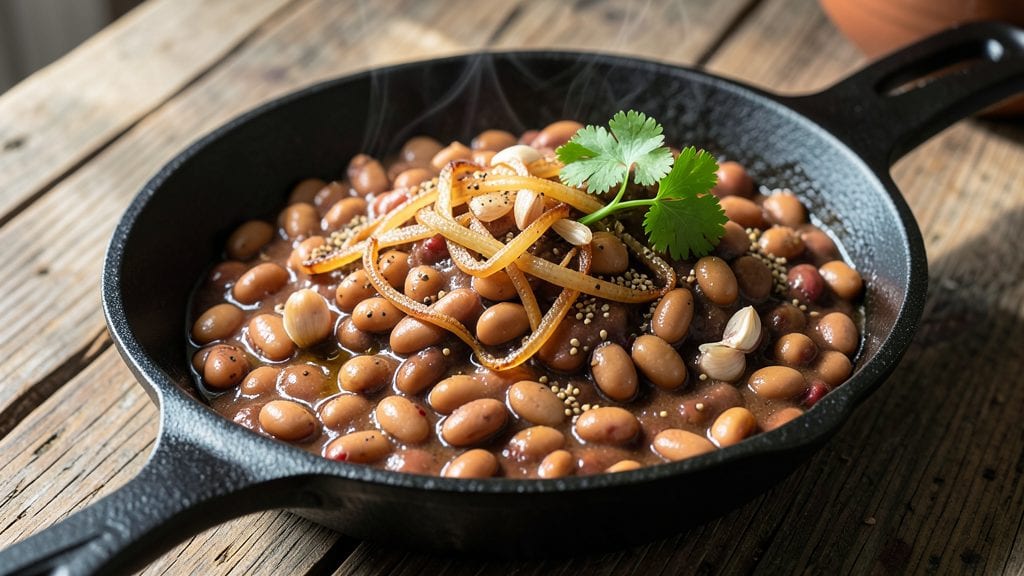
This traditional Mexican pinto beans recipe delivers the hearty, smoky flavor of frijoles de la olla—a dish so deeply rooted in Mexican culture it’s served at every family gathering.
The secret lies in slow-simmering dried pintos with garlic, cumin, and epazote, creating a rich, earthy broth that tastes like home. I’ve perfected this method over years of testing, ensuring every batch captures that authentic depth without requiring advanced skills.
The beauty of this one-pot recipe is its versatility—whether you follow the traditional route with pork or opt for a vegetarian version using bacon fat or olive oil, the result is the same comforting, flavorful base.
The beans soften into tender perfection while absorbing the smoky spices, and the epazote adds a unique herbal brightness that sets this apart from other bean recipes. It’s the kind of dish that improves with time, as flavors meld into a harmonious, satisfying blend.
By the time you’re done, you’ll have a pot of beans so rich and aromatic, it’ll transform any meal into a celebration. Serve them alongside warm corn tortillas, steamed rice, or grilled meats for a taste of Mexico’s soulful cuisine.
The best part? This recipe delivers restaurant-quality results with minimal effort—just one pot, one evening, and a dish that’ll have everyone asking for seconds.
For those who love customization, I’ve included tips for adjusting seasoning, swapping proteins, and even turning these beans into a filling for tacos or burritos. Whether you’re cooking for a crowd or meal prepping for the week, this method ensures foolproof, flavorful results every time. Let’s get started!
Ingredients for traditional mexican pinto beans
Pantry staples meet Mexican magic—just 15 ingredients for a dish that tastes like home.
| Ingredient | Amount | Notes |
|---|---|---|
| Dried Pinto Beans 🌱 | 2 cups | Rinsed, no soaking needed |
| Extra-Virgin Olive Oil 🫒 | ¼ cup | For smoky depth (vegetarian swap) |
| Yellow Onion 🧅 | 1 whole | Diced, medium size |
| Garlic Cloves 🧄 | 6 cloves | Peeled, roughly chopped |
| Ground Cumin 🌿 | 2 tbsp | Toasted for deeper flavor |
| Dried Oregano 🍃 | 1 tbsp | Mexican oregano preferred |
| Smoked Paprika 🌶️ | 1 tbsp | For authentic smokiness |
| Bay Leaves 🌿 | 2 whole | Fresh or dried |
| Epazote 🌿 | ¼ cup | Fresh, chopped (optional but traditional) |
| Vegetable Broth 💧 | 4 cups | Low-sodium preferred |
| Sea Salt 🧂 | 1 ½ tsp | Adjust to taste |
| Black Peppercorns 🌶️ | ½ tsp | Freshly cracked |
| Fresh Lime 🍋 | 1 whole | Juiced, for brightness |
| Fresh Cilantro 🌿 | ¼ cup | Chopped, for garnish |
| Avocado Oil 🫒 | 1 tbsp | For finishing drizzle |
The pinto beans are the star, so grab the dried variety—they’re cheaper and hold up better than canned. Bob’s Red Mill or La Cocina are my go-tos for quality dried beans. Look for vibrant color and no off smells. The epazote is tricky to find outside Latin markets, but H Mart or Mexican specialty stores usually carry it fresh. If you can’t find it, skip it—the dish still works, just without that signature herbal note. For the spices, Penzeys or bulk bins at Whole Foods have the best quality, but the regular grocery store stuff works fine if it’s fresh.
No epazote? Fresh tarragon or a pinch of thyme adds a similar brightness. Swapping the olive oil for vegetable or avocado oil keeps it vegetarian—just toast the spices in the oil to build flavor. The vegetable broth can be homemade (simmer onion, carrot, celery) or store-bought like Pacific Foods or Imagine. For extra smokiness, add a dash of liquid smoke (just a teaspoon). The lime should be juiced fresh—bottled juice lacks the zesty punch. If you’re short on time, pre-chopped onions and garlic from the salad bar save minutes.
These beans taste even better the next day as flavors meld. Store in an airtight container in the fridge for up to 5 days or freeze for 3 months. I double the recipe and freeze half—perfect for quick lunches. For serving, a drizzle of avocado oil and fresh cilantro elevates everything. Leftovers reheat beautifully with a splash of water or broth to loosen them up.
Why You'll Love This Recipe
- No-Soaking Needed: I’ll admit, I used to dread the soak-and-drain routine—until I discovered these beans only need a quick rinse and overnight soak. That’s it. No fuss, no waiting all day, just toss them in cold water before bed and wake up to ready-to-cook beans. Honestly, that alone makes this my go-to.
- Earthy Depth in Minutes: The magic happens when you toast the cumin in olive oil until it smells like a spice market—nutty, warm, and impossible to resist. That first bite? The garlic and onion caramelize into something rich, while the beans stay tender but hold their shape. It’s the kind of flavor that lingers, making every spoonful feel like a hug.
- Taco Night’s Secret Weapon: Between us, these beans are the reason my tacos go from good to ridiculously good. Use them as-is for burritos, fold into rice for a hearty bowl, or even mash them into quesadillas. I’ve even served them cold in salads when I’m lazy—still delicious. They’re the unsung hero of Mexican food.
- Budget Meal That Feeds: A pound of dried pinto beans costs pennies, and they stretch across five meals for my family. Double the batch, freeze half, and you’ve got a pantry staple that’s always ready. Plus, the leftovers? Even better the next day—more flavor, less effort. My wallet and I both approve.
Step-by-step instructions for traditional Mexican pinto beans
Here's the authentic method that delivers rich, smoky flavor in one simple pot.
Toast the Spices for Maximum Flavor
Heat the 0.25 cup extra-virgin olive oil in a large Dutch oven over medium heat. Add the 1 whole diced yellow onion and cook for 5 minutes until softened and translucent. This is where the foundation of your flavor builds.
Add the 6 peeled garlic cloves along with the 2 tablespoons ground cumin, 1 tablespoon dried oregano, and 1 tablespoon smoked paprika. Stir constantly for 1-2 minutes until the spices are fragrant and the garlic just begins to turn golden. You'll smell that deep, earthy aroma—this is what makes traditional Mexican beans so special. Don't let the spices burn; they should dance in the oil rather than darken.
Sauté the Epazote and Add the Beans
Reduce heat to medium-low and add the 0.25 cup chopped epazote (if using) and the 2 whole bay leaves. Stir for 30 seconds to release the epazote's anise-like flavor. Then add the 2 cups rinsed dried pinto beans, giving them a good stir to coat in all those aromatic spices.
Here's the thing—don't skip rinsing the beans. This removes any dust or debris that could make the beans bitter. The beans will look dry and unpromising now, but they'll transform completely during cooking. The spices will cling to them, creating that signature Mexican bean flavor.
Simmer with Broth Until Tender
Pour in the 4 cups vegetable broth and bring everything to a gentle boil. Once boiling, reduce heat to low and cover partially. Let it simmer for 45 minutes, stirring occasionally to prevent sticking. You'll notice the beans start absorbing liquid and swelling after about 20 minutes—that's when you know they're breaking down.
After 45 minutes, check for doneness. The beans should be tender but still have a slight bite—this prevents them from becoming mushy. If they're not quite there, add ½ cup more broth and continue simmering for another 15 minutes. The key is patience; rushing this step leads to tough beans. You want them to be creamy inside with just a hint of texture.
Season and Finish with Lime
When the beans are tender, stir in the 1.5 teaspoons sea salt and 0.5 teaspoon cracked black peppercorns. Taste and adjust the salt if needed—Mexican beans should be seasoned boldly. Then add the juice from the 1 whole fresh lime. This bright acidity cuts through the richness of the beans and spices, balancing the entire dish.
Let the beans simmer uncovered for another 5 minutes to allow any excess liquid to evaporate slightly. This creates a thicker, more sauce-like consistency that clings beautifully to rice or tortillas. The aroma now should be complex—smoky, earthy, with a citrusy brightness that makes your mouth water.
Garnish and Serve Warm
Remove the 2 bay leaves and stir in the 1 tablespoon avocado oil and 0.25 cup chopped fresh cilantro. The avocado oil adds a subtle richness while keeping the dish light, and the cilantro brings freshness that ties all the flavors together. Give it one final taste and adjust seasoning if needed.
Serve immediately with warm corn tortillas or over steamed white rice. The beans should be warm through, with a glossy sheen from the avocado oil. Each spoonful should deliver that perfect balance of smoky, spiced, and citrusy flavors that define traditional Mexican pinto beans. This one-pot method keeps everything simple while delivering restaurant-quality results.
Pro Tips For Making Traditional Mexican Pinto Beans
- SOAK BEANS OVERNIGHT: Dried pinto beans absorb water faster and split fewer skins if soaked 8–12 hours. I used to rush this, but the texture is smoother—no gummy bits—when you give them time. Drain and rinse before cooking to remove excess starch.
- FRY ONIONS UNTIL DEEP GOLD: Cook the onions in olive oil until they’re caramelized to a rich amber color, not just soft. This adds sweetness and depth that raw onions can’t match. My first batches tasted flat until I learned to let them sit low and slow—about 10 minutes—until they’re sticky and fragrant.
- ADD CUMIN LAST MINUTE: Sprinkle the ground cumin over the simmering beans just before they’re fully tender, not at the start. This keeps its bright, earthy flavor from burning or muting. I was skeptical until I tried it—now I won’t go back.
- SIMMER COVERED, THEN UNCOVER: Bring beans to a boil, then reduce to a gentle simmer with the lid on. Once they’re nearly done, uncover and cook another 5 minutes to thicken the sauce. This trick saves time and gives you that classic Mexican texture—creamy but not watery.
Pro cooking tips for traditional mexican pinto beans
Toast Spices Properly
Never skip toasting your spices—this unlocks their full flavor potential. Heat your olive oil to 325°F (use a thermometer) before adding cumin, oregano, and smoked paprika. Stir constantly for 30-45 seconds until they sizzle and release their aromatic oils.
I use a cast-iron Dutch oven because it retains heat better than stainless steel. The moment they darken slightly is when you remove them from heat—this prevents bitterness. 🌶️
Control Liquid Levels
Mexican beans should have just enough liquid to coat the beans but not drown them. Start with 4 cups broth and add ½ cup increments only if needed. Too much liquid = mushy beans; too little = burnt spices.
I check doneness by gently crushing a bean—it should mash slightly but still hold shape. If using a pressure cooker, reduce broth to 3 cups and cook for 20 minutes on high pressure.
Epazote Substitutes
Can't find epazote? Try these alternatives: ½ tsp dried tarragon (most similar), ¼ tsp thyme leaves, or 1 tbsp chopped parsley. For a smoky depth, add ½ tsp liquid smoke or a pinch of ground chipotle powder.
If using fresh herbs, add them with the bay leaves and remove immediately after simmering begins to prevent bitterness. The key is balancing earthy and herbal notes.
Pressure Cooker Hack
For a 30-minute version, use your pressure cooker on high for 10 minutes after natural release. First, sauté onions and spices in 1 tbsp oil with ½ cup broth to create a flavor base.
Add beans, remaining broth, and spices, then seal. The high pressure breaks down beans faster while concentrating flavors. I add 1 extra bay leaf for extra depth in pressure cooking.
Citrus Brightness
Fresh lime juice is non-negotiable—bottled juice lacks the zesty punch. For extra brightness, add 1 tsp lime zest along with the juice. If you prefer tangier beans, add ½ tsp apple cider vinegar with the lime.
The acidity cuts through the richness and balances the smoky spices beautifully. Taste before serving—Mexican beans should make your mouth water, not just taste good.
Storage Secrets
Let beans cool completely before storing to prevent condensation that causes sogginess. Transfer to glass airtight containers (I use Le Parfait jars) and refrigerate for up to 5 days. For freezing, portion into quart-sized bags with 1 inch headspace.
Thaw overnight in the fridge—never microwave directly from frozen. Reheat with 2 tbsp broth to restore moisture. The flavors actually improve after 24 hours! ❄️
Nutrition facts
Frequently asked questions
Do I need to soak dried pinto beans before cooking?
No soaking is required for this recipe! The long simmer time breaks down the beans perfectly without pre-soaking. Just rinse them thoroughly to remove any dust or debris that could make them bitter. This saves you 8+ hours of prep time while still delivering tender, flavorful beans.
Can I make these beans vegetarian?
Simply use olive oil or avocado oil instead of lard or bacon fat, and ensure your broth is vegetable-based. The recipe already includes vegetarian-friendly ingredients like epazote, lime, and fresh cilantro. The smoky spices and citrus brightness keep it rich and satisfying without meat.
Why does my recipe taste different from yours?
Authentic Mexican beans rely on proper spice toasting and epazote (if using). Toast your cumin, oregano, and smoked paprika until fragrant but not burnt—this unlocks their full flavor. Epazote adds an anise-like brightness, but if skipped, the dish will taste more earthy. Also, fresh lime juice and proper simmering time are key for that signature balance.
How do I fix beans that turned out too thick or too thin?
For thick beans, add ½ cup warm broth and simmer uncovered for 5-10 minutes to evaporate excess liquid. For thin beans, remove from heat and let them cool slightly—this reduces the broth naturally. If needed, mash ½ cup beans with a fork to thicken the sauce. Always taste as you go!
Can I use canned beans instead of dried?
Yes, but the texture and flavor won’t be the same. If using canned, drain and rinse 3 (15-oz) cans of pintos, then simmer with the spices for 20-30 minutes to build depth. For best results, reduce the broth to 2 cups and add 1 cup water. The beans will absorb liquid faster, but the smoky spices will still develop beautifully.