Side Dishes
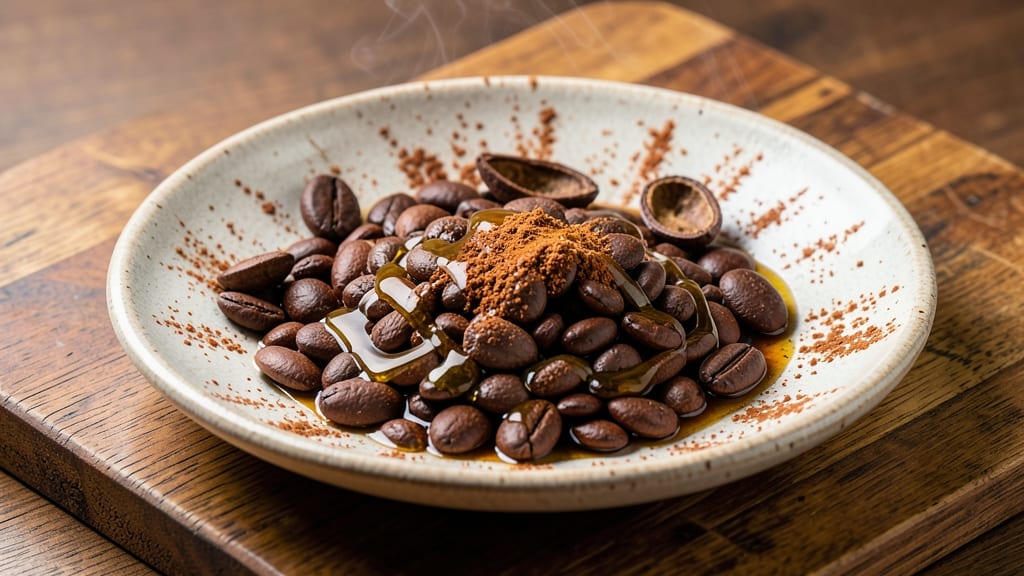
Unlock the art of crafting a decadent cacao beans recipe by turning raw cacao into a luscious chocolate sauce that captures chocolate’s soul—deep, nuanced, and far beyond anything mass-produced.
This process begins with carefully roasting and grinding the beans to unlock their aromatic potential, creating a sauce that's both luxurious and entirely plant-based. I've refined this method over years of experimentation, ensuring every step delivers maximum flavor without bitterness or graininess.
The beauty of working with whole cacao beans lies in their versatility—the same foundational paste can be transformed into silky hot chocolate, decadent mousse, or even a glossy glaze for desserts.
The roasting temperature and grinding technique are critical: too hot, and you risk burning; too cool, and the beans won't develop their signature chocolatey aroma. My approach balances precision with simplicity, using basic equipment to achieve professional results.
What you'll end up with is a smooth, intensely flavorful sauce that's free from additives or preservatives—just pure cacao transformed into something extraordinary. The texture is velvety yet stable enough to coat desserts or blend into beverages without separating.
This isn't just chocolate; it's an experience that showcases cacao's natural richness in its most authentic form.
The best part? This method works equally well for beginners and chocolate enthusiasts, with room to customize sweetness levels or add spices like cinnamon or vanilla. Whether you're crafting a showstopping dessert or a comforting hot chocolate, the foundation remains the same—whole cacao beans at their finest.
Let's get started with the complete process.
Ingredients for cacao beans
Nine ingredients transform raw cacao into velvety, restaurant-quality chocolate sauce—no additives, just pure flavor.
| Ingredient | Amount | Notes |
|---|---|---|
| Raw Cacao Beans 🌱 | 1 cup | Unroasted, organic preferred |
| Extra-Virgin Olive Oil 🫒 | ½ cup | Cold-pressed, fruity variety |
| Pure Maple Syrup 🍁 | ¼ cup | Grade B for deeper flavor |
| Filtered Water 💧 | ½ cup | Room temperature preferred |
| Vanilla Extract 🌿 | 1 tsp | Pure Madagascar vanilla |
| Cinnamon Powder 🌶️ | ½ tsp | Ceylon cinnamon preferred |
| Fine Sea Salt 🧂 | ¼ tsp | Diamond Crystal preferred |
| Unsweetened Coconut Milk 🥥 | ¼ cup | Full-fat for creaminess |
| Pinch of Cayenne Pepper 🔥 | ⅛ tsp | Optional for subtle heat |
| Dark Brown Sugar 🍚 | ¼ cup | Packed for sweetness |
| Lemon Juice 🍋 | 1 tbsp | Freshly squeezed |
The cacao beans are the heart of this recipe. Organic, fair-trade beans from Navitas Naturals or Taza Chocolate deliver the deepest flavor, but any high-quality raw cacao works. Look for beans that are uniformly dark brown with a slight sheen—avoid moldy or dusty batches. If you can't find whole beans, cacao nibs are a great alternative (just skip the initial roasting). The olive oil here isn't just fat—it's the medium that carries the cacao's natural oils during roasting, so use a high-quality extra-virgin like California Gold or Colavita for the best results. Store your cacao beans in an airtight container away from light until ready to use.
No vanilla extract? Vanilla bean paste or even a scraped vanilla pod works—just adjust the amount to taste. Running low on maple syrup? Agave nectar or date syrup are perfect swaps, though maple's caramel notes are ideal here. The coconut milk adds richness without dairy, but cashew cream or almond milk can stand in. For the cinnamon, Ceylon is the gold standard, but regular ground cinnamon works in a pinch. The cayenne is completely optional, but it adds a subtle warmth that balances the sauce beautifully. If you're sensitive to heat, skip it entirely—this sauce will still shine. The lemon juice brightens everything, so don't substitute bottled lemon juice—fresh is non-negotiable for that zesty kick.
This sauce keeps beautifully in the fridge for up to 2 weeks, though it's best used within 5-7 days for maximum freshness. For longer storage, portion into ice cube trays and freeze—perfect for single-use portions later. The sauce thickens as it cools, so warm gently before using if it seems too stiff. I like to store mine in a glass jar with a tight seal to preserve the rich chocolate aroma. If you make a double batch, it's worth it—this sauce elevates everything from hot chocolate to desserts, and you'll find yourself reaching for it constantly.
Why You'll Love This Recipe
- No-Fuss Blend: I swear by this as my go-to when I’m too tired to measure anything. Just crack open the cacao beans, toss them in a blender with olive oil and water, and let the food processor do the work—no sieving, no fuss. The maple syrup and vanilla blend in like magic, and honestly? I’ve made this while scrolling through my phone.
- Rich Without Guilt: This isn’t your average sweet treat—it’s deep, earthy, and just sweet enough to satisfy. The raw cacao gives that bittersweet punch, while the olive oil adds a velvety richness that makes it feel indulgent. I’ll be real: I’ve used half the batch before breakfast just because it’s that good.
- Weeknight Meal Hack: Spread it on toast for a quick breakfast, stir it into oatmeal when I’m running late, or even drizzle it over roasted veggies for dinner. The possibilities are endless, and it’s the kind of thing that turns a boring meal into something special without extra effort. My kids think it’s “fancy” when I serve it with fruit—total win.
- Budget Bright Spot: Raw cacao beans last forever in my pantry, and a little goes a long way. I make big batches, store them in the fridge, and use them for days—whether it’s in smoothies, as a glaze, or even mixed into yogurt. It’s my secret weapon for making simple things feel luxurious without breaking the bank.
Step-by-step instructions for crafting rich cacao bean sauce
Transforming whole cacao beans into velvety sauce requires patience and precision—here's how to unlock their full chocolatey potential.
Toast the Raw Cacao Beans
Preheat your oven to 325°F and spread the 1 cup raw cacao beans in a single layer on a baking sheet. Toast for 15-20 minutes, stirring every 5 minutes until they develop an aromatic, toasty scent and deepen in color to a rich mahogany brown. This step enhances their natural chocolate flavor and removes any bitterness.
Watch closely after 12 minutes—they should smell intensely chocolatey, not burnt. Over-toasting will make them bitter, while under-toasting leaves them raw-tasting. Once toasted, immediately transfer them to a clean towel to cool completely before processing.
Create the Cacao Paste
Once the toasted cacao beans are cool, pulse them in a food processor until they resemble coarse sand. With the processor running, slowly drizzle in the 0.5 cup extra-virgin olive oil—this creates a smooth, velvety paste. Process for 5-7 minutes until completely smooth, scraping down the sides as needed. The mixture should look like thick, glossy chocolate ganache.
Here's the thing—don't rush this step. The cacao paste should be completely smooth with no graininess. If it's still gritty after 7 minutes, add 1 tablespoon filtered water and process another 2 minutes. The paste is your flavor foundation, so take your time.
Simmer the Sauce Base
In a medium saucepan, combine the 0.25 cup pure maple syrup, 0.25 cup dark brown sugar, 0.5 cup filtered water, 1 tsp vanilla extract, 0.5 tsp cinnamon powder, 0.25 tsp fine sea salt, and 0.125 tsp pinch of cayenne pepper. Bring to a gentle simmer over medium heat and cook for 8-10 minutes until slightly thickened.
You'll know it's ready when the mixture coats the back of a spoon and gives off a rich, caramelized aroma. Stir occasionally to prevent sticking—this is where the sauce's depth of flavor develops. Don't walk away; you want to avoid burning the sugar or developing a grainy texture.
Blend and Emulsify
Remove the sauce from heat and let it cool for 5 minutes until warm to the touch. With the processor running, slowly pour in the cacao paste while drizzling in the 0.25 cup unsweetened coconut milk. Process for 3-4 minutes until completely smooth and emulsified. The sauce should be thick but pourable, with a glossy sheen.
If the sauce is too thick, add 1 tablespoon filtered water at a time until it reaches a perfect dipping consistency. For extra brightness, add the 1 tablespoon lemon juice now and blend for another 30 seconds. The acidity cuts through the richness beautifully, balancing the deep chocolate flavor.
Rest and Adjust
Transfer the sauce to a heatproof bowl and let it rest at room temperature for 30 minutes. This allows the flavors to meld completely and the texture to set properly. Taste and adjust the sweetness if needed—add more maple syrup or brown sugar if it's too bitter, or more cinnamon powder for warmth.
The final sauce should be rich, velvety, and intensely chocolatey with subtle notes of vanilla, cinnamon, and a hint of cayenne heat. It's perfect for drizzling over desserts, pairing with fruit, or using as a glaze. Store any leftovers in an airtight container in the refrigerator for up to 2 weeks, thinning with warm water as needed.
Pro Tips For Making Cacao Beans
- TOAST BEANS LOW: Start your beans over medium-low heat—high heat burns them before they release their flavor. I learned this the hard way after a batch tasted bitter and ashy. Let them sizzle gently, stirring often, until they darken and smell rich.
- CRUSH BEFORE COOKING: Roughly crack the cacao beans with a rolling pin or mortar first—this speeds up flavor extraction. Whole beans take forever to soften, and you’ll end up with a watery, underdeveloped sauce instead of a luscious one.
- SWEAT THE OIL: Warm the olive oil until it shimmers but doesn’t smoke—about 30 seconds on medium. Cold oil makes the beans clump and steam instead of caramelizing, leaving you with a pasty mess instead of a glossy, velvety base.
- BALANCE LIQUIDS LAST: Add the filtered water after the beans have toasted and the maple syrup’s warmed—this prevents dilution. I used to dump everything in at once, and the result was always too thin. Wait until the beans are fragrant before introducing liquids.
Serving suggestions for cacao beans
Drizzle Over Desserts
This velvety cacao sauce transforms ordinary desserts into showstoppers. Drizzle it over warm chocolate chip cookies or vanilla bean ice cream for an instant upgrade. I love swirling it onto baked apples or toasted pecans—the sauce's richness pairs perfectly with the natural sweetness.
For a restaurant-worthy touch, use a squeeze bottle to create elegant zigzags on cheesecake or panna cotta. 🍫
Hot Chocolate Elevation
Skip the powdered mixes and create luxurious hot chocolate by whisking 2 tablespoons of this sauce into 1 cup warm milk (or plant-based alternative). The depth of flavor comes from the whole cacao beans, not artificial additives.
For extra decadence, top with whipped coconut cream and a sprinkle of cinnamon. I often serve this at holiday gatherings—it's always the first to disappear! ☕
Fruit Pairings
Acidic fruits cut through the sauce's richness beautifully. Try drizzling over strawberries, raspberries, or sliced mango for a dessert that feels light yet indulgent. The lemon juice in the sauce enhances the fruit's natural brightness.
For a tropical twist, pair with grilled pineapple or passion fruit. The contrast of temperatures (warm fruit, cool sauce) creates a perfect balance. 🍓
Savory Surprises
Don't limit this sauce to sweet applications! Use it as a glaze for roasted vegetables like Brussels sprouts or sweet potatoes. The cacao's deep flavor pairs surprisingly well with caramelized onions or grilled mushrooms.
For a Mexican-inspired touch, drizzle over tacos with black beans and avocado. The earthy cacao complements smoky, spicy, and umami flavors beautifully. 🌶️
Plating Techniques
Presentation matters when serving this sauce. For elegant plating, use a small spoon to create swirls on the edge of plates. Add edible flowers or crushed hazelnuts for texture contrast. For casual serving, offer small bowls for guests to drizzle themselves.
I often use a pastry brush for delicate layers on cake slices or macarons. The sauce's glossy finish makes every dish look gourmet. ✨
Beverage Pairings
Enhance your coffee or tea experience by adding a dash of this sauce to your cup. The cacao's complexity complements dark roast coffee or earl grey tea perfectly. For a boozy twist, stir into espresso martinis or chocolate stout beers.
The sauce's depth adds a luxurious touch without overpowering. I especially love pairing it with single-origin Ethiopian coffee—the floral notes harmonize beautifully. ☕🍺
Nutrition facts
Frequently asked questions
Can I use cacao nibs instead of whole cacao beans?
Yes! Cacao nibs are pre-toasted and chopped cacao beans, so you can skip the roasting step. Use ½ cup cacao nibs (about the same weight as 1 cup whole beans) and process them directly with the olive oil. The flavor will be slightly different but still rich and chocolatey.
Why does my cacao paste turn grainy?
Graininess usually means the beans weren't ground long enough or the oil wasn't incorporated properly. Pulse the beans until they're fine sand, then drizzle the oil very slowly while processing. If needed, add 1 tablespoon water to help emulsify. Patience is key—don't rush this step!
How can I make this sauce sweeter or less sweet?
For a sweeter sauce, add 1-2 tablespoons more maple syrup or brown sugar during the simmering phase. For less sweetness, reduce the sugar by 1 tablespoon and increase the cinnamon or cayenne to balance. Taste as you go—adjust gradually!
Can I make this sauce without a food processor?
Use a high-powered blender or even a mortar and pestle (though it'll take longer). For the paste, grind the beans into a fine powder first, then mix with olive oil in a bowl until smooth. The texture may be slightly less refined, but the flavor will still be incredible.
What’s the best way to store leftover sauce?
Transfer the sauce to an airtight container and refrigerate for up to 2 weeks. For longer storage, freeze in ice cube trays—thaw in the fridge before using. Reheat gently in a saucepan or microwave until warm, stirring occasionally to restore smoothness.