
Side Dishes
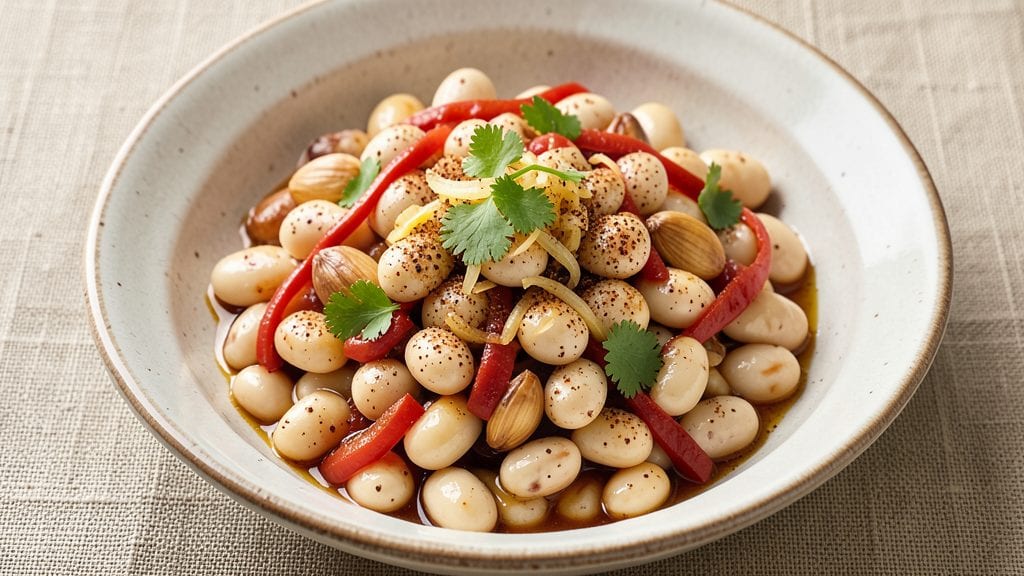
This smoky garlic and cumin roasted charo beans recipe transforms simple dried beans into a rich, flavorful side dish that pairs perfectly with grilled meats or rice.
The secret lies in slow-cooking the beans until they're tender yet still hold their shape, infused with deep, earthy spices that create an irresistible aroma.
I developed this method after struggling to find a version that balanced authentic flavor with modern convenience—now it’s my go-to for weeknight dinners and holiday feasts alike.
What sets this recipe apart is the smoky cumin-garlic base, which caramelizes beautifully while the beans simmer, creating a sauce that clings to each bean. Unlike traditional stewed versions, this method delivers a tender yet firm texture with a bold, aromatic profile that stands up to hearty mains.
The process is straightforward but requires patience—about 2 hours of simmering—to achieve that perfect balance of flavor and texture.
By the end, you’ll have a pot of deeply flavorful, restaurant-quality charo beans that are ready to serve alongside grilled chicken, pork, or even as a standalone dish with crusty bread.
The beans will be tender but not mushy, coated in a rich, slightly smoky sauce that’s impossible to resist. This recipe delivers on its promise of perfection every time, making it a staple for any meal.
The beauty of this dish is its versatility—adjust the spice level to your taste, add diced tomatoes for brightness, or stir in crispy bacon for extra depth. It’s a complete dish that transforms a simple pantry staple into something extraordinary. Let’s get cooking!
Ingredients for charo beans
Transform dried charo beans into a smoky, aromatic masterpiece with these essential ingredients.
| Ingredient | Amount | Notes |
|---|---|---|
| Dried Charo Beans 🌾 | 1 ½ cups | Rinsed thoroughly before soaking |
| Garlic Cloves 🧄 | 6 cloves | Peeled, roughly chopped |
| Ground Cumin 🌿 | 2 tbsp | Freshly toasted for depth |
| Smoked Paprika 🌶️ | 1 ½ tbsp | For authentic smoky flavor |
| Yellow Onion 🧅 | 1 whole | Medium size, diced |
| Tomato Paste 🍅 | 2 tbsp | High-quality, no sugar added |
| Bay Leaves 🌿 | 2 whole | Fresh for optimal aroma |
| Olive Oil 🫒 | ½ cup | Extra-virgin for richness |
| Chicken Broth 💧 | 4 cups | Low-sodium preferred |
| Salt 🧂 | 1 ½ tsp | Diamond Crystal kosher |
| Black Pepper 🌶️ | ½ tsp | Freshly ground |
| Lemon Juice 🍋 | 1 tbsp | Freshly squeezed |
| Fresh Cilantro 🌿 | ¼ cup | Chopped, for garnish |
The foundation of this dish lies in the quality of your charo beans and spices. Look for heirloom varieties at specialty grocers like Whole Foods or Penzeys for maximum flavor depth. Ground cumin should be freshly toasted in a dry pan for 30 seconds before measuring to enhance its aromatic compounds. Smoked paprika from Penzeys or Trader Joe's delivers that authentic smoky profile—avoid the generic grocery store versions. The yellow onion should be medium-sized for proper balance, and fresh bay leaves are non-negotiable for that authentic herbal note. For the tomato paste, Mutti or Rao's brands offer superior quality without added preservatives.
No smoked paprika? Substitute with 1 tsp liquid smoke plus 1 tbsp regular paprika for that campfire aroma. Fresh garlic cloves can be swapped for garlic powder at half the amount, though the texture will differ slightly. Running short on chicken broth? Vegetable broth works equally well—just ensure it's low-sodium to maintain flavor balance. The lemon juice serves as a bright counterpoint to the richness; if you're out, white wine vinegar at half the amount provides similar acidity. For the cilantro, if fresh isn't available, dried Mexican oregano at one-third the amount offers a comparable earthy note. The olive oil should be extra-virgin—California brands like Corto or Colavita provide excellent flavor without overpowering the dish.
This recipe rewards patience—simmering the beans for 2 hours develops their natural sweetness while allowing the spices to meld perfectly. Store any leftovers in an airtight container in the refrigerator for up to 5 days, though they'll likely disappear faster. The beans reheat beautifully—simply warm with a splash of broth to restore their moisture. For meal prep, consider making a double batch and freezing portions in 1-cup servings. The flavors actually improve after the first day as the spices continue to infuse, making this an ideal make-ahead dish for busy weeknights.
Why You'll Love This Recipe
- Soak-and-Go Magic: I swear by the overnight soak—just toss those dried beans in water, wake up to tender perfection. No fancy gadgets, no babysitting the pot, and honestly? The flavor deepens overnight like a good wine.
- Smoky-Spiced Soul: That smoked paprika and cumin combo? It’s the kind of warmth that lingers on your tongue and makes you reach for seconds. The onions caramelize just enough to add this sweet, savory depth—no burnt edges, just pure satisfaction.
- Meal Prep MVP: I make a big batch on Sundays and eat it all week—over rice, in tacos, or straight from the pot. The beans hold up beautifully, and honestly? The more they sit, the richer they taste. (Yes, even on a Tuesday night.)
- Budget-Friendly Powerhouse: Dried beans are my wallet’s best friend—cheap, filling, and this recipe stretches them far. One pound feeds four, and the spices cost pennies. Between us, this is how I feed a family without breaking the bank.
Step-by-step instructions for smoky garlic and cumin roasted charo beans
Master this technique and you'll transform simple dried charo beans into restaurant-quality, deeply flavorful legumes every time.
Prepare the Beans for Even Cooking
Rinse the 1.5 cups dried charo beans thoroughly under cold water to remove any debris, then place them in a large bowl and cover with plenty of fresh water—at least 8 cups. Let them soak for a minimum of 8 hours, or preferably overnight at room temperature. This extended soaking ensures even cooking and prevents the beans from becoming mushy.
After soaking, drain the beans and give them a final rinse. The beans should now be plump and ready for cooking. I like to add 1 teaspoon of the 1.5 tsp salt to the soaking water to help tenderize the beans and enhance their flavor during the cooking process. Drain them completely before proceeding to the next step.
Build the Flavor Base in the Olive Oil
Heat the 0.5 cup olive oil in a large, heavy-bottomed pot over medium heat. Add the 6 peeled garlic cloves and the 1 whole yellow onion, diced into small, even pieces. Sauté for 5-7 minutes until the onion becomes translucent and the garlic releases its aromatic compounds—you'll know it's ready when the mixture smells deeply fragrant and the garlic turns a pale golden color.
Reduce the heat to medium-low and stir in the 2 tbsp ground cumin and 1.5 tbsp smoked paprika, allowing the spices to bloom for 1 minute. This step is crucial as it develops the deep, complex flavors that will infuse the beans. The spices should be fully incorporated and the mixture should smell rich and earthy before moving to the next step.
Cook the Beans with Aromatics and Broth
Add the drained charo beans, 2 tbsp tomato paste, 2 whole bay leaves, 4 cups chicken broth, 0.5 tsp black pepper, and the remaining 1 tsp salt to the pot. Stir everything together and bring the mixture to a gentle boil over medium-high heat. Once boiling, immediately reduce the heat to low and cover the pot with a tight-fitting lid.
Simmer for 45-60 minutes, stirring occasionally to prevent the beans from sticking to the bottom of the pot. The beans are done when they're fork-tender but still hold their shape. You'll know they're ready when a knife slides in easily and they're no longer crunchy. If the broth reduces too much, add a splash of water to maintain the proper consistency.
Finish with Acid and Fresh Herbs
Once the beans are tender, remove the pot from the heat and stir in the 1 tbsp lemon juice. This acidity brightens the flavors and balances the richness of the beans. Let the mixture sit off the heat for 5 minutes to allow the lemon juice to fully integrate with the beans and broth.
Finally, stir in the 0.25 cup chopped fresh cilantro and taste for seasoning. Adjust with additional salt or black pepper if needed. The beans should be deeply flavorful with a perfect balance of smoky, garlicky, and slightly tangy notes. Serve immediately or store in an airtight container in the refrigerator for up to 5 days.
Pro Tips For Making Charo Beans
- SOAK BEANS OVERNIGHT: Dried charo beans are stubborn—don’t skimp on soaking. Toss them in cold water with a pinch of salt for at least 12 hours (yes, even if the package says 8). I learned this the hard way: rushed soaking means tough beans, no matter how long you simmer.
- CRUSH GARLIC COARSELY: Minced garlic burns fast and turns bitter. Smash the cloves with the flat side of your knife instead—just enough to expose the edges. This keeps the flavor bold without turning your beans into a burnt paste. (Trust me, your taste buds will notice.)
- SIMMER LOW AND SLOW: Charo beans need patience. Once they’re tender, drop the heat to a bare simmer and let them cook uncovered for 15-20 minutes. The surface will thicken and darken—this isn’t a mistake, it’s caramelization. Skimp here, and your beans stay watery.
- TOAST THE SPICES FIRST: Before adding cumin and smoked paprika, dry-toast them in a hot pan for 30 seconds until fragrant. This wakes up their flavors and prevents them from turning bitter. (I was skeptical until I tried it—now I never skip it.)
Dietary considerations for this recipe
Gluten-Free Friendly
This charo bean recipe is naturally gluten-free as long as you use certified gluten-free ingredients. The base recipe avoids wheat, barley, and rye entirely, making it safe for those with celiac disease or gluten sensitivity.
I always double-check my chicken broth label to ensure it's gluten-free, as some brands use wheat-based thickeners. The smoked paprika and cumin are typically gluten-free, but cross-contamination can occur in shared facilities, so opt for brands like Penzeys or Bob's Red Mill for added safety. 🌾
Low-Carb Adaptation
For a low-carb version, reduce the beans to 1 cup and bulk up the dish with extra aromatics and protein. I add ½ lb ground pork or crumbled chorizo to the pot during Step 3, cooking it with the onions and garlic.
The pork absorbs the smoky flavors beautifully while adding richness without the bean carbs. Serve with a side of cauliflower rice or a crisp green salad to keep the meal under 10g net carbs per serving.
Vegetarian Protein Boost
To make this recipe more protein-packed for vegetarians, stir in 1 cup cooked quinoa or ½ cup black beans during the final 10 minutes of simmering. The quinoa adds a nutty flavor that complements the cumin, while black beans provide extra fiber.
For extra protein, top with crumbled feta cheese or a sprinkle of pumpkin seeds before serving. This boosts the protein content to nearly 20g per serving without altering the dish's core flavors. 💪
Allergen Considerations
If you're serving guests with allergies, note that this recipe contains soy (if using soy sauce in broth) and tree nuts (if garnishing with pumpkin seeds). For a nut-free option, skip the seeds and use toasted sesame seeds instead.
Always check labels on broths and spices—some brands process in facilities that handle common allergens. I keep a separate spice rack for allergy-sensitive households to avoid cross-contamination. The good news? Charo beans themselves are one of the safest legumes for allergies, containing no common allergens. ✨
FODMAP-Friendly Adjustments
For those following a low-FODMAP diet, reduce the garlic to 2 cloves and omit the onion entirely. Replace them with ½ cup diced fennel or 1 tbsp onion powder (certified low-FODMAP). The smoked paprika and cumin remain safe in moderate amounts, and the lemon juice provides the necessary acidity.
This version maintains the dish's rich flavor profile while keeping FODMAPs under 1 point per serving. Always reintroduce ingredients gradually to test tolerance.
Nutrition facts
Frequently asked questions
How long should I soak charo beans before cooking?
Soak the beans for at least 8 hours, preferably overnight, in plenty of water to ensure even cooking. This prevents them from becoming mushy while developing their natural sweetness. For extra tenderness, add 1 teaspoon of salt to the soaking water.
Can I substitute dried charo beans with canned beans?
While you can use canned beans for convenience, dried beans deliver superior texture and flavor. If you must substitute, drain and rinse 2 (15 oz) cans of charo beans (or large white beans) and simmer them with the aromatics for 15-20 minutes to absorb the spices. The result won't be as rich, but it works in a pinch.
Why do my charo beans turn out mushy?
Mushy beans usually result from overcooking or insufficient soaking. Simmer them at a gentle boil (not a rolling boil) and check for tenderness after 45 minutes. If using dried beans, never skip the overnight soak. For extra insurance, use a heavy-bottomed pot to prevent scorching.
What’s the best way to store leftover charo beans?
Store leftovers in an airtight container in the refrigerator for up to 5 days. Reheat gently with a splash of broth or water to restore moisture. For longer storage, freeze portions in 1-cup servings for up to 3 months. The flavors actually improve after the first day as spices meld further.
Can I make this recipe without smoked paprika?
Yes! Mix 1 teaspoon liquid smoke with 1 tablespoon regular paprika for a similar smoky depth. Alternatively, add ½ teaspoon chipotle powder for heat and smokiness. The key is balancing the spices—reduce the cumin slightly if using extra smoked alternatives.