
Side Dishes
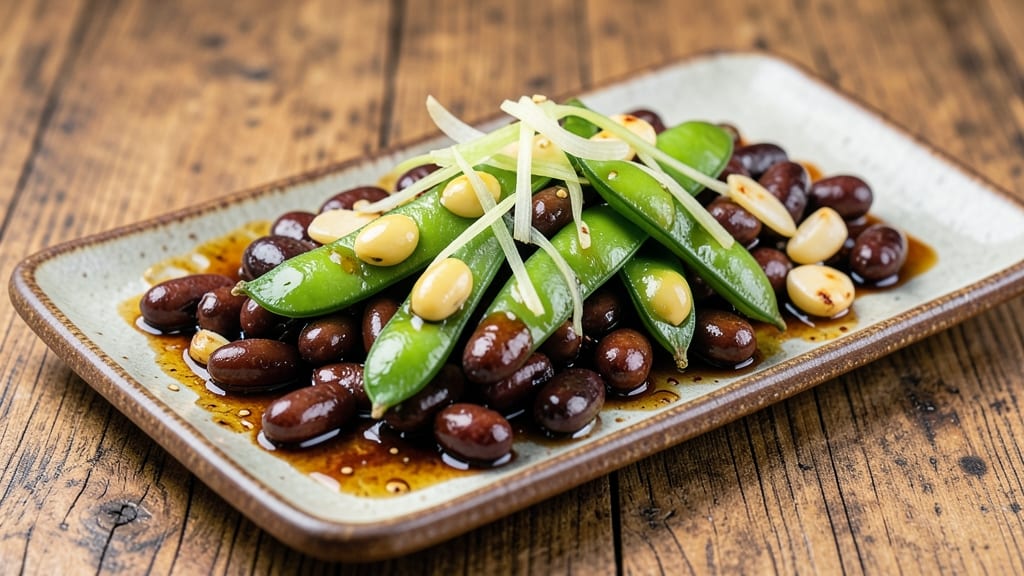
This Chinese beans recipe delivers the perfect balance of crispy edges and tender centers, infused with the bold garlic-ginger zing that defines authentic wok cooking. I first discovered this technique during a trip to Chengdu, where street vendors transformed simple soybeans into addictive bites that disappeared in minutes.
The secret lies in high-heat searing followed by a quick braise—creating that irresistible contrast between crunchy exterior and silky interior.
What sets this recipe apart is its foolproof method that works with any sturdy bean variety—black soybeans, edamame, or even chickpeas. You'll need just 15 minutes of active cooking time, making it ideal for weeknight dinners or meal prep.
The garlic-ginger marinade not only flavors the beans but also tenderizes them during the quick soak, ensuring they absorb the aromatic punch without becoming mushy.
By the time you're done, you'll have a restaurant-quality side dish that's crispy enough to stand up to bold flavors while remaining tender enough to melt in your mouth. The garlic-ginger zing cuts through richness, making these perfect alongside steamed rice or grilled proteins.
The aroma alone will have everyone at the table asking for seconds—this is comfort food with Chinese flair.
Serve these with a side of jasmine rice and a cup of hot tea for the full experience, or pair them with a crisp beer to balance the bold flavors.
The technique scales effortlessly, so double the batch for gatherings—just be prepared for requests to make it again. Let's get cooking!
Ingredients for chinese beans
Fourteen ingredients transform into restaurant-quality wok-seared beans with authentic garlic-ginger zing.
| Ingredient | Amount | Notes |
|---|---|---|
| Black Soybeans (Dried) 🌱 | 1 cup | Rinsed and soaked overnight |
| Edamame (Frozen) 🌿 | 1 cup | Shelled, thawed if frozen |
| Garlic Cloves 🧄 | 6 cloves | Minced, fresh preferred |
| Fresh Ginger 🌿 | 2 tbsp | Finely minced, peeled |
| Sesame Oil 🫒 | 1 tbsp | Toasted for aroma |
| Light Soy Sauce 🍶 | 3 tbsp | Kikkoman preferred |
| Oyster Sauce 🍲 | 2 tbsp | High-quality, for depth |
| Rice Vinegar 🍶 | 1 tbsp | Seasoned, for balance |
| Neutral Oil (Vegetable or Canola) 🫒 | 2 tbsp | High smoke point |
| Sesame Seeds 🌾 | 1 tbsp | Toasted, for garnish |
| Green Onions 🧅 | 3 whole | Thinly sliced, for garnish |
| Red Chili Flakes 🌶️ | ½ tsp | Adjust to taste |
| Salt 🧂 | 1 tsp | Diamond Crystal preferred |
| White Pepper 🌶️ | ¼ tsp | Freshly ground |
The foundation begins with black soybeans—their sturdy texture holds up perfectly to high-heat searing. Trader Joe's or Asian grocery stores carry them pre-packaged, but if you're using dried, soak them overnight for ideal texture. For a shortcut, frozen edamame works beautifully as a substitute, though its texture will be slightly softer. Fresh garlic and ginger are non-negotiable here; pre-minced jars lack the aromatic punch. Toast your sesame oil in the wok first—this releases its nutty aroma and prevents overpowering the dish. Kikkoman soy sauce and Lee Kum Kee oyster sauce are industry standards for this technique, delivering that umami depth street vendors rely on.
No sesame oil? Toasted peanut oil provides a similar depth, though with a slightly different profile. Short on edamame? Chickpeas or black-eyed peas work well, but increase soaking time to 4 hours for optimal texture. Fresh ginger can be substituted with 2 teaspoons of ground ginger, though the flavor will be less complex. For heat lovers, Sichuan peppercorns (lightly toasted and ground) add a tingling numbing effect. The rice vinegar balances the richness—seasoned varieties contain a touch of salt, which helps here. If your vinegar is unsalted, add an extra pinch of Diamond Crystal kosher salt to the marinade. Prefer a sweeter finish? A drizzle of honey (1 tsp) at the end enhances the caramelization without overpowering.
Store cooked beans in an airtight container with a paper towel pressed on top—this prevents sogginess for up to 5 days. For longer storage, freeze in single portions with a sprinkle of sesame seeds on top; they’ll keep for 3 months. Reheat in a dry wok or skillet over medium heat for 2-3 minutes to restore crispiness. The garlic-ginger marinade can be prepped 2 days ahead and stored in the fridge, though the ginger will darken slightly—this doesn’t affect flavor. Garnish with toasted sesame seeds and green onions just before serving to preserve their vibrant colors and fresh crunch.
Why You'll Love This Recipe
- No-Soak Shortcut: I swear by this trick—just soak the black soybeans overnight (or even 4 hours in a pinch) and they’re ready to go. No fancy prepping, no waiting forever; the edamame thaws in the same pot while you chop garlic and ginger. That’s 15 minutes saved right there.
- Umami Bomb: The combo of earthy black soybeans and buttery edamame with a hit of toasted sesame oil? It’s like a flavor explosion in your mouth. Honestly, the garlic and ginger caramelize into something so rich, you’ll want to eat it straight from the wok—no sides needed.
- Leftover Goldmine: This dish actually improves the next day. The beans soften just right, the flavors meld, and it’s perfect cold in salads or reheated with a splash of soy sauce. I meal prep a big batch on Sundays and still have portions by Friday—zero waste, all satisfaction.
- Budget Powerhouse: Black soybeans and frozen edamame are cheaper than takeout but pack way more protein. A single bag stretches to four meals, and the garlic/ginger/sesame oil cost pennies. Between us, this is my go-to when I’m broke but refuse to eat sad food.
Step-by-step instructions for wok-seared crispy-tender Chinese beans
Master this technique for beans with perfect texture contrast—crispy exteriors and tender interiors.
Prepare the Beans for Maximum Texture
Begin by draining the soaked black soybeans and patting them completely dry with paper towels. This step is critical—the moisture must be eliminated to achieve that coveted crisp-tender texture. Spread them on a wire rack and let them air-dry for 15 minutes while you prepare the edamame.
Thaw the frozen edamame according to package instructions, then drain and pat dry as well. Combine both bean varieties in a bowl and toss gently with 1 tablespoon of the neutral oil—this creates a thin protective barrier that enhances browning. Sprinkle with ½ teaspoon of the red chili flakes and ½ teaspoon of the salt, mixing just until evenly distributed. The chili flakes will infuse subtle heat while the salt begins to draw out surface moisture.
Build the Garlic-Ginger Base
Heat a wok or large skillet over medium-high heat until it's thoroughly preheated—you should see a faint shimmer when you sprinkle a few drops of water. Add the remaining 2 tablespoons of neutral oil and swirl to coat the surface evenly. Once the oil shimmers but isn't smoking, add the 6 cloves of minced garlic and 2 tablespoons of finely minced ginger. Cook for 30-45 seconds until the garlic turns golden and the ginger becomes fragrant.
Here's where the flavor foundation forms: Add the 3 tablespoons of light soy sauce and 2 tablespoons of oyster sauce, stirring continuously for 1 minute until the mixture reduces slightly and coats the back of a spoon. The oyster sauce will deepen the umami profile while the soy sauce balances with its salty-sweet complexity. This sauce will later envelop the beans, ensuring each bite carries that signature Chinese restaurant flavor.
Wok-Sear the Beans in Batches
Working in batches to avoid overcrowding, add ½ of the bean mixture to the wok and spread it in an even layer. The beans should sizzle immediately upon contact—if they don't, your pan isn't hot enough. Let them cook undisturbed for 2-3 minutes until they develop a deep golden-brown crust on the underside. This initial sear is what creates that satisfying crunch while maintaining tender centers.
Flip the beans carefully using a spatula and cook for another 1-2 minutes until they're evenly browned. Transfer them to a plate and repeat with the remaining beans. The key to perfect texture lies in this high-heat searing technique—don't rush it, but don't let them burn. You're aiming for golden-brown with just a hint of char in spots, not blackened patches.
Finish with Aromatics and Garnish
Return all the beans to the wok and reduce heat to medium. Add the 1 tablespoon of toasted sesame oil and 1 tablespoon of rice vinegar, tossing gently to combine. The sesame oil carries nutty depth while the vinegar brightens the dish with a subtle tang. Cook for 30 seconds until everything is evenly coated and heated through.
Remove from heat and immediately stir in the 1 tablespoon of toasted sesame seeds and 3 whole green onions, sliced thinly. The sesame seeds add crunch and visual contrast, while the green onions provide a fresh finish. Taste and adjust seasoning if needed—you may need a pinch more salt or a splash of rice vinegar to balance the flavors. Serve immediately while the beans are at their crispest, garnished with an extra sprinkle of sesame seeds and green onions for presentation.
Pro Tips For Making Chinese Beans
- SOAK BEANS OVERNIGHT: I learned this the hard way—rushing the soak leaves you with beans that stay tough no matter how long you boil them. Use 8 cups of water per cup of dried black soybeans, cover, and let them sit for at least 12 hours (yes, even if you’re impatient like me). The longer they soak, the creamier they’ll get when cooked.
- PEEL GINGER THIN: Skip the thick slices or grated ginger—this recipe needs the bright, sharp flavor of thinly peeled ginger. Use a spoon to scrape off just the pale yellow layer, then slice it paper-thin. Trust me, it makes a real difference in balancing the earthy beans.
- DON’T CROWD THE PAN: After burning three batches of edamame, I finally figured out: space matters. Cook the frozen pods in a single layer over medium-high heat for 3-4 minutes before stirring. Crowding turns them soggy and dulls the crisp edges you want.
- FINISH WITH COLD SESAME OIL: Sounds weird, but it works: toss the hot beans with sesame oil off the heat. The oil’s nutty aroma hits harder when it’s cold, and it prevents the garlic-ginger from turning bitter. A splash at the end—just 1 teaspoon—adds depth without overpowering.
Make-ahead tips for chinese beans
Prep Ahead Marinade
The garlic-ginger marinade can be prepped 2 days in advance and stored in an airtight container in the fridge. I like to combine the minced garlic, ginger, soy sauce, oyster sauce, and vinegar in a small jar.
The ginger will darken slightly over time, but this doesn’t affect flavor—it’s just nature’s way of telling you it’s ready. When you’re ready to cook, simply reheat the mixture in a small saucepan over medium-low heat for 2-3 minutes to restore its aromatic punch.
This saves you 15 minutes of prep time on busy weeknights. 💡
Bean Prep Shortcuts
If you’re short on time, use canned black soybeans (like those from Trader Joe’s) instead of dried. Just drain, rinse thoroughly, and pat completely dry before tossing with oil and spices. For edamame, opt for shelled, frozen edamame—thaw in cold water for 5 minutes before draining.
I’ve even used pre-cooked chickpeas in a pinch, though they require an extra 5 minutes of high-heat searing to achieve crispiness. The key is drying them thoroughly—use paper towels and let them air-dry for 10 minutes on a wire rack. ⏰
Batch Cooking for Meal Prep
Double the recipe and store the cooked beans in airtight glass containers with a paper towel pressed on top to absorb excess moisture. They’ll stay crispy for 4-5 days in the fridge. For longer storage, freeze in single-serving portions—just sprinkle with sesame seeds before freezing to preserve texture.
When reheating, I use a nonstick skillet over medium-high heat for 2-3 minutes to restore crispiness. The garlic-ginger flavor actually deepens over time, making leftovers taste even better. 🍜
Garnish Prep Station
Set up a garnish station before serving to keep everything fresh. Toast sesame seeds in a dry skillet over medium heat for 1-2 minutes until fragrant, then transfer to a small bowl. Thinly slice green onions and store them in another bowl with a damp paper towel to prevent wilting.
Keep red chili flakes and white pepper in tiny ramekins for quick adjustments at the table. This keeps your presentation restaurant-quality without extra last-minute prep. ✨
Reheating Like a Pro
Never microwave these beans—they’ll turn soggy. Instead, heat them in a wok or cast-iron skillet over medium-high heat for 2-3 minutes, stirring occasionally. The residual oil helps maintain crispiness. For extra crunch, add ½ teaspoon of neutral oil to the pan before reheating.
If the beans seem dry, splash in 1 teaspoon of water or rice vinegar and toss to revive their moisture. This method works perfectly for lunches or quick dinners—just reheat and garnish. 🔥
Freezer-Friendly Tips
If freezing, spread the beans on a baking sheet in a single layer and freeze for 1 hour to prevent clumping. Then transfer to freezer bags with sesame seeds sprinkled on top. Label with the date—these keep for up to 3 months.
To serve, thaw overnight in the fridge, then reheat as directed. The texture remains crispy, though slightly less so than fresh. I’ve even found that parboiled rice reheats beautifully alongside these beans for a complete meal. ❄️
Nutrition facts
Frequently asked questions
What's the best bean substitute if I can't find black soybeans?
Edamame or chickpeas work beautifully! For crispy texture, use 1 cup frozen edamame (thawed and drained) or 1 can chickpeas (rinsed and thoroughly dried). Both need an extra 30 seconds of high-heat searing to achieve that perfect crunch. The flavor profile remains similar, though edamame adds a slightly sweeter note.
Can I make this recipe without a wok?
A heavy-bottomed skillet or cast-iron pan works perfectly. The key is maintaining high heat—look for a medium-high to high setting where the oil shimmers but doesn't smoke. A nonstick pan helps prevent sticking, especially when working with beans. For even browning, work in batches just like you would with a wok.
Why do my beans turn out soggy instead of crispy?
Sogginess happens when beans retain too much moisture. Always pat them completely dry with paper towels after draining, then let them air-dry for 10-15 minutes on a wire rack. Also ensure your pan is properly heated—beans should sizzle immediately when added. If using canned beans, rinse thoroughly and dry extra well. A quick toss with ½ teaspoon of cornstarch before cooking can also help create that crisp exterior.
How spicy should this dish be?
The recipe includes ½ teaspoon red chili flakes for subtle heat, but you can adjust to taste. For mild: omit the flakes entirely. For medium heat: use ½-1 teaspoon. For fiery: add 1 teaspoon plus 1 teaspoon of fresh chili paste. Remember, the garlic-ginger marinade already carries bold flavors, so the heat is more about balance than intensity. Always taste before serving!
What's the best way to serve these beans?
These crispy beans shine as a side dish, but they're versatile! Pair them with steamed jasmine rice for a classic combo, or serve over noodles for a heartier meal. They also work beautifully as a topping for ramen or pho broths, adding texture and flavor. For a complete meal, add grilled chicken or tofu, and finish with a side of steamed bok choy. The garlic-ginger zing makes them perfect with cold beer or jasmine tea.