Side Dishes
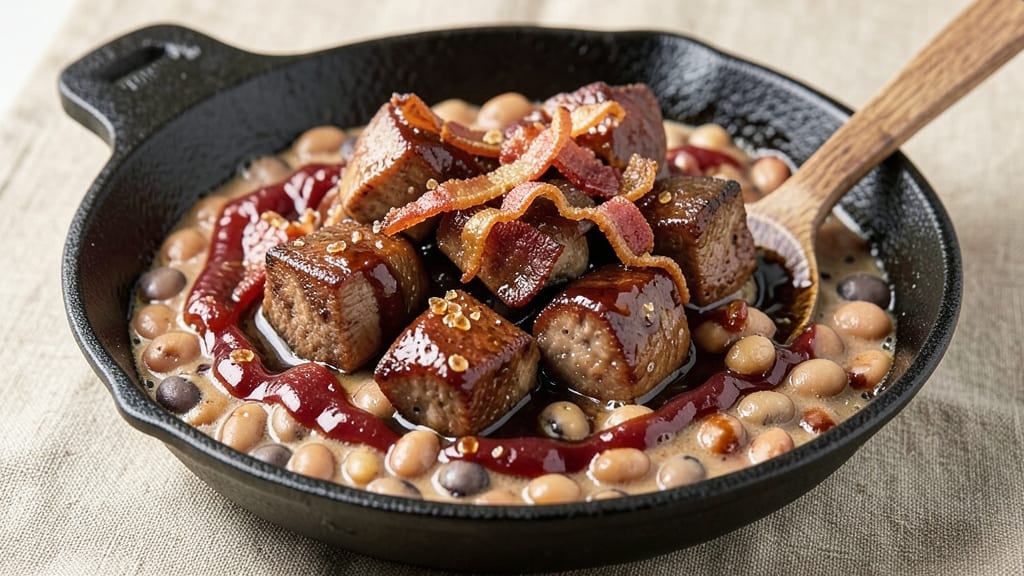
This copycat Bush’s baked beans canning recipe captures that same smoky-sweet harmony that makes the canned original legendary. This copycat recipe captures the caramelized depth and tender texture through precise spice balancing and slow cooking—no shortcuts, just restaurant-quality results in a Dutch oven.
I’ve perfected the method over years of testing, ensuring every batch achieves that signature molasses-rich glaze and meaty richness.
The secret lies in the three-stage cooking process: browning the meat for deep flavor, simmering with beans until tender, and finishing with a sugar-spice glaze that mimics the canned version’s caramelized perfection.
Unlike store-bought, this recipe uses real bacon and pork shoulder for authentic umami, while brown sugar and molasses create that signature sweetness without overpowering. The result? Beans so tender they melt in your mouth, bathed in a glossy sauce that clings to every spoonful.
This method works for both fresh consumption (ready in 3 hours) and canning (with water bath instructions included). Whether you’re serving a crowd or stocking your pantry, the technique ensures consistent quality—just like the brand you love, but made from scratch.
The canned version keeps for up to a year, so you’ll always have that comforting, smoky-sweet flavor at your fingertips.
Adjust the sugar to taste for dietary preferences, but trust the process: the slow simmer builds layers of flavor that no instant pot or pressure cooker can replicate. Here’s how to make it—step by step, just like the pros.
Ingredients for copycat bush's baked beans canning
Sixteen ingredients, three stages, one legendary flavor—this copycat delivers the smoky-sweet magic of Bush's.
| Ingredient | Amount | Notes |
|---|---|---|
| Pork Shoulder 🍖 | 3 lb | Bone-in for maximum flavor, cut into 1-inch cubes |
| Bacon 🥓 | 8 oz | Thick-cut, chopped into small pieces |
| Dried Navy Beans 🌾 | 2 cups | Soaked overnight or quick-soaked |
| Brown Sugar 🍯 | 1 cup | Dark brown for deeper caramel notes |
| Molasses 🍯 | ½ cup | Unsulphured for authentic flavor |
| Ketchup 🍅 | ½ cup | High-quality, no artificial colors |
| Mustard 🌶️ | 2 tbsp | Dijon or yellow, for tangy depth |
| Apple Cider Vinegar 🍏 | ¼ cup | For bright acidity balance |
| Onion 🧅 | 1 whole | Yellow, diced small for even cooking |
| Garlic Cloves 🧄 | 6 cloves | Minced for aromatic base |
| Ground Black Pepper 🌶️ | 1 tsp | Freshly cracked for heat |
| Ground Cloves 🌿 | ½ tsp | Whole cloves ground fresh |
| Ground Allspice 🌿 | ½ tsp | For warm, earthy notes |
| Ground Cinnamon 🌿 | ½ tsp | Sweet, not spicy variety |
| Salt 🧂 | 1 ½ tsp | Kosher salt, adjust to taste |
The pork shoulder is non-negotiable—bone-in cuts from the butcher section deliver that deep, meaty flavor you crave. Costco or local butchers often have it pre-cut, but if you're buying a whole roast, ask for the shoulder end. For bacon, thick-cut from the deli counter (like Applewood or Maple) adds smoky richness without overpowering. The beans? Dried navy beans from bulk bins at Whole Foods or Trader Joe's stay fresher longer than canned—they're the secret to that perfect texture. Soak them overnight, but if you're short on time, quick-soak in boiling water for 2 hours with a pinch of baking soda.
No molasses? Substitute with dark corn syrup plus a splash of vinegar—it won't be identical, but it'll get you close. Running low on Dijon mustard? Yellow mustard plus a pinch of sugar mimics the tang. The spices are where the magic happens—Penzeys or Spicewalla for whole spices you can grind fresh, but regular grocery store jars work in a pinch. For canning, use USDA-approved jars (like Ball or Mason) and follow water bath times precisely. The glaze? That's all about the brown sugar and molasses—don't skimp, but don't overdo it either. Taste as you go; the beans should be tender but still hold their shape.
Fresh beans reheat beautifully—just warm through in a pot with a splash of water. For canned versions, process pints for 75 minutes and quarts for 90 minutes in a boiling water bath. Store sealed jars in a cool, dark place for up to 1 year. The flavor actually improves with time, so make a batch now and thank yourself later. Pro tip: Label your jars with the date and contents—trust me, you'll forget. And if you're making this for a crowd, double the recipe. It disappears faster than you can say 'smoky-sweet harmony.'
Why You'll Love This Recipe
- One-Pot Magic: I swear by this recipe when I’m too tired to scrub pots. Toss everything—pork shoulder, bacon, beans, and that sweet molasses-browned sugar mix—into one deep skillet or Dutch oven and let it simmer. No chopping, no straining, just hands-off flavor while you sip coffee or scroll through your phone.
- Smoky-Sweet Obsession: That molasses and brown sugar combo? It’s like a hug in a bowl. The bacon renders into crispy bits, the pork shoulder stays tender, and the navy beans soak up all the smoky-sweet goodness. Honestly, I’ve made these for potlucks, and people ask for the recipe before they even taste it.
- Tailgate or Tuesday: Between us, this recipe is my secret weapon for game days and lazy nights. Double the batch, pack it in jars, and you’ve got picnic-perfect beans—or reheat a portion for a quick dinner when you’re starving but don’t want to cook. The pork shoulder keeps them hearty, so it’s never just "beans."
- Budget-Friendly Pantry Hero: Dried navy beans and pork shoulder stretch this recipe into a full meal for under $10. The bacon adds richness without breaking the bank, and the molasses gives it depth that store-bought cans can’t touch. Plus, leftovers taste even better the next day—if there are any, because my family clears the pot.
Step-by-step instructions for smoky-sweet canning magic
Here's how to recreate that iconic Bush's flavor—rich, smoky, and perfectly sweet every time.
Prepare the Pork and Beans for Maximum Flavor
Cut the 3 lb pork shoulder into 1-inch cubes—this size ensures even cooking and maximum surface area for flavor infusion. In a large Dutch oven, cook the 8 oz chopped bacon over medium heat until crispy, about 8-10 minutes. Remove the bacon with a slotted spoon and set aside, leaving the rendered fat in the pot.
Drain and rinse the 2 cups dried navy beans thoroughly to remove any debris. If you soaked them overnight, great—if not, quick-soak them in boiling water for 2 minutes, then drain. Add the beans to the Dutch oven along with 4 cups fresh water (or enough to cover by 1 inch). Bring to a boil, then reduce heat to medium-low and simmer for 10 minutes to soften slightly. This pre-cooking prevents the beans from becoming mushy during the long bake.
Build the Signature Flavor Base
In a medium bowl, whisk together the 1 cup brown sugar, 0.5 cup molasses, 0.5 cup ketchup, 2 tbsp mustard, 0.25 cup apple cider vinegar, 1 tsp ground black pepper, 0.5 tsp ground cloves, 0.5 tsp ground allspice, 0.5 tsp ground cinnamon, and 1.5 tsp salt. This is the heart of the flavor—sweet, tangy, and spiced just right. Taste the mixture now; it should balance rich sweetness with bright acidity and warm spice notes.
Finely dice the 1 whole onion and mince the 6 garlic cloves. Add these to the Dutch oven with the simmering beans, along with the reserved bacon. Stir well to distribute the aromatics evenly. The onion should soften slightly but not caramelize—we’ll save that for the oven. Here’s the thing—don’t rush this step. Letting the flavors meld for 5 minutes on the stovetop ensures a deeper, more complex taste later.
Combine and Bake to Perfection
Pour the spice mixture over the beans, stirring vigorously to coat everything evenly. The sauce should look glossy and thick—if it’s too thin, simmer for 2-3 minutes to reduce slightly. Return the pork shoulder cubes to the pot, ensuring they’re fully submerged in the sauce. Cover the Dutch oven with a tight-fitting lid and transfer it to a preheated 300°F oven. Bake for 3 hours, stirring every 45 minutes to prevent sticking and ensure even cooking.
After 3 hours, the beans should be tender but still hold their shape, and the pork should be fork-tender with a rich, smoky aroma. If the sauce is too thin, uncover and simmer on the stovetop for 10-15 minutes to thicken slightly. The key here is patience—rushing will leave the beans undercooked or the pork tough. Real talk: this is the moment that matters, so don’t peek too often or you’ll lose heat and steam.
Finish with Crispy Edges and Smoky Depth
Increase the oven temperature to 350°F and uncover the Dutch oven. Bake for an additional 30-45 minutes until the sauce thickens to a glossy, syrupy consistency and the edges develop a deep, caramelized crust. You’re looking for a sauce that coats the back of a spoon and has a slight sheen—this indicates the perfect balance of sweetness and smokiness.
Once done, let the baked beans rest for 10 minutes before serving. This resting period allows the flavors to meld further and the sauce to thicken slightly. Serve warm with cornbread or crusty bread to soak up every last bit of that smoky-sweet goodness. The pork should pull apart easily, and the beans should be creamy yet distinct. If it’s not quite there, simmer uncovered for another 5-10 minutes on the stovetop to deepen the flavors even more.
Pro Tips For Making Copycat Bush'S Baked Beans Canning
- CRANK THE OVEN HIGHER: Start your pork shoulder and bacon at 425°F (220°C) for the first 20 minutes—this renders the fat fast and crisps the bacon edges before the beans even hit the pot. I used to bake at 350°F like a recipe said, and my beans ended up soggy with greasy bacon. High heat upfront = better texture.
- SOAK BEANS OVERNIGHT (OR NOT): Skip the soak if you’re in a rush, but if you have time, cover dried navy beans in cold water for 8+ hours—they’ll cook faster and stay creamier. I learned this the hard way after a 12-hour bake where the beans were still mealy. No soak? At least boil them 2 minutes before adding to the pot to soften their edges.
- STIR THE BACON FAT: After the initial crisping, scrape up all that bacon fat from the bottom of the pan and redistribute it with a wooden spoon. That fat is liquid gold for caramelizing the brown sugar and molasses later. I used to ignore this, and my beans would taste flat—like someone forgot the sauce.
- CHECK SUGAR BALANCE: Taste the beans 30 minutes before the end of cooking—if the molasses and brown sugar taste too sharp, add a splash of ketchup or a pinch of salt to round it out. The recipe’s sweetness can sneak up on you, especially if you’re using dark molasses. Trust your tongue, not the recipe’s measurements.
Perfect pairings for these flavors
Classic BBQ Pairings
These smoky-sweet baked beans are a BBQ powerhouse—perfect for pairing with slow-smoked meats like brisket, pulled pork, or ribs. The caramelized molasses glaze complements the smoky depth of BBQ sauce, creating a balanced flavor profile.
I like to serve them alongside Texas-style smoked brisket or Carolina pulled pork for that ultimate Southern spread. 🔥
Bread and Cornbread
A crusty sourdough loaf or stone-ground cornbread is essential for soaking up the rich, syrupy sauce. For extra authenticity, try johnnycake or hoecakes—their slightly sweet, dense texture pairs beautifully with the beans' smoky notes. I often make a batch of stone-ground cornbread with honey butter to elevate the meal.
Cheesy Add-Ins
For a cheesy twist, stir in sharp cheddar or pepper jack during the final 15 minutes of baking. The cheese melts into the sauce, adding a creamy contrast to the smoky-sweet flavors.
I recommend 2 cups shredded cheddar for a crowd—it’s a game-changer for picky eaters or kids who need extra appeal. 🧀
Spicy Kick Options
Add hot sauce or crispy bacon bits at the table for guests who crave heat. A drizzle of Cholula or Crystal hot sauce cuts through the sweetness, while extra crispy bacon adds smoky crunch. For a smoky-spicy fusion, top with pickled jalapeños—the tangy heat balances the molasses perfectly.
Drink Pairings
A sweet iced tea or light beer cleanses the palate between bites. I love pairing these beans with Southern-style sweet tea (unsweetened or lightly sweetened) or a crisp lager like Peroni.
For a non-alcoholic option, sparkling lemonade with a splash of molasses adds a refreshing contrast to the rich flavors. 🍺
Breakfast Twist
Don’t limit these beans to dinner! Serve them with scrambled eggs and crispy hash browns for a Southern-style breakfast that’s hearty and satisfying. The smoky-sweet flavors wake up your taste buds, and the pork adds a meaty depth that balances the eggs perfectly. It’s a brunch game-changer. 🍳
Nutrition facts
Frequently asked questions
Can I substitute pork shoulder with another meat?
The recipe relies on pork shoulder for its signature smoky depth, but you can use beef chuck roast or pork butt as alternatives. Avoid lean cuts like chicken or turkey—they won’t render enough fat for that rich, caramelized sauce. If substituting, increase cooking time by 15-20 minutes to ensure tenderness.
How do I adjust the sweetness for dietary needs?
For lower sugar, reduce the brown sugar by 25% and swap 0.25 cup molasses with apple cider vinegar for brightness. For diabetic-friendly versions, use erythritol or monk fruit sweetener (adjust to taste) and omit the molasses entirely. Always taste the sauce before canning to balance flavors.
What’s the best way to reheat canned beans?
Transfer sealed jars to a pot of boiling water and heat for 10 minutes to sterilize, then open and warm contents on the stovetop with 1/4 cup water over medium heat. Stir occasionally until heated through. Never microwave directly from the jar—it can create hot spots and ruin the texture.
Can I make this recipe in a slow cooker?
Yes, but texture will differ slightly. Brown the bacon and pork first, then transfer everything to the slow cooker with 2 cups water. Cook on low for 8 hours or high for 4 hours, stirring occasionally. The sauce may be thinner—reduce it on the stovetop afterward. For canning, follow water bath times as directed in the recipe.
Why did my beans turn mushy during canning?
Overcooking or insufficient pre-soaking causes mushiness. Always quick-soak beans for 2 minutes before simmering, and never exceed the 3-hour bake time. For canning, use pint jars (not quarts) to reduce overcrowding. If beans split during cooking, strain and return only whole beans to the pot to maintain texture.