Sauces & Condiments
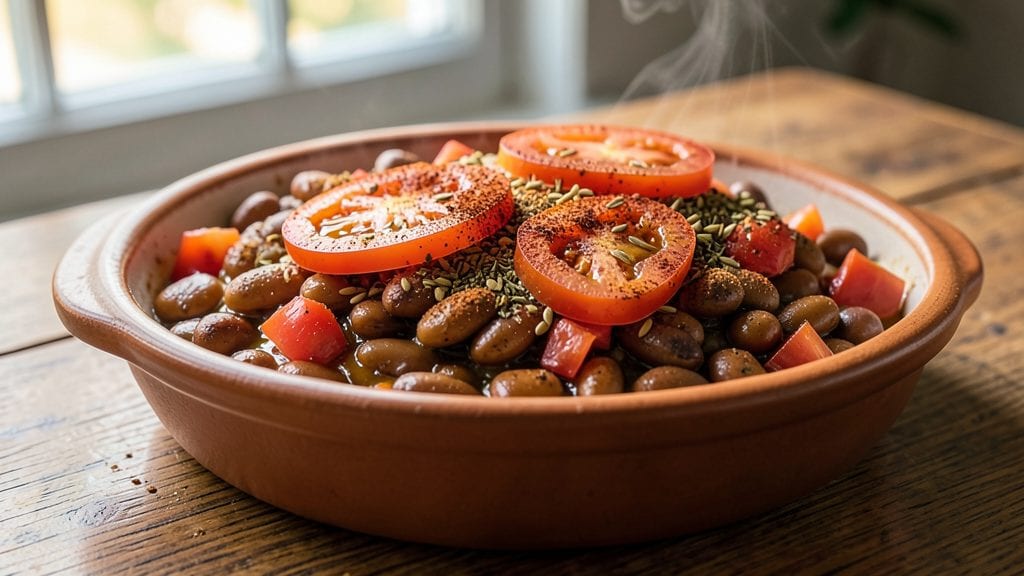
Creating the perfect fiesta pinto bean seasoning transforms simple beans into a smoky, spicy masterpiece that tastes like a Mexican fiesta in your kitchen. This dry blend of cumin, chili powder, and garlic powder delivers bold, restaurant-quality flavor with just a sprinkle—no cooking required.
Standing on a step stool in my grandmother's kitchen in Sicily, I learned how simple spices can elevate humble ingredients, and this blend does exactly that.
The magic lies in balancing earthy cumin with fiery chili and aromatic garlic powder—each ingredient plays a role in building layers of flavor. Store it in an airtight container for up to six months, ready to transform canned or cooked beans into a bold, savory dish with minimal effort.
Whether you're serving tacos, salads, or bowls, this seasoning mix is your secret weapon for instant depth.
What makes this blend special is its versatility—use it on beans, rice, or even roasted vegetables for a fiesta-worthy kick. The spices are measured precisely to ensure consistent flavor every time, so you can focus on enjoying the meal rather than adjusting seasoning.
This is the kind of shortcut that actually improves the final result, turning simple ingredients into something extraordinary.
Once you try this seasoning, you'll never go back to store-bought blends. The combination of smoky cumin, warm chili, and garlicky notes creates a profile that's both familiar and exciting.
Perfect for meal prep or last-minute meals, this blend is a game-changer for anyone who loves bold, flavorful food without the fuss.
Ingredients for fiesta pinto bean seasoning
Nine spices, one jar—this blend brings fiesta flavor to beans, rice, and more.
| Ingredient | Amount | Notes |
|---|---|---|
| Ground Cumin 🌿 | 2 tbsp | Toasted for deeper flavor |
| Chili Powder 🌶️ | 2 tbsp | Medium heat preferred |
| Garlic Powder 🧄 | 1 tbsp | Not garlic salt |
| Smoked Paprika 🌶️ | 1 tbsp | For authentic smokiness |
| Dried Oregano 🍃 | 1 tsp | Mexican oregano ideal |
| Ground Coriander 🌿 | 1 tsp | Freshly ground preferred |
| Onion Powder 🧅 | 1 tsp | Adds sweet depth |
| Cayenne Pepper 🔥 | ½ tsp | Adjust for heat preference |
| Salt 🧂 | 1 tsp | Diamond Crystal preferred |
| Black Pepper 🌶️ | ½ tsp | Freshly ground preferred |
The cumin and chili powder are your flavor anchors—Penzeys or bulk bins give the freshest, most potent spices. Smoked paprika is non-negotiable for that authentic fiesta vibe; Trader Joe's has a great affordable option. Toast your cumin seeds in a dry pan for 30 seconds before grinding if you're using whole cumin—it makes all the difference. The Mexican oregano? Worth hunting down at Latin markets if you're serious about authenticity, but regular dried oregano works in a pinch. Look for spices with vibrant color and no clumping—if your chili powder smells like dust, toss it and start fresh.
No smoked paprika? Regular paprika plus a pinch of liquid smoke gets you close. Short on cayenne? Red pepper flakes at half the amount work perfectly. The coriander adds brightness—skip it if you're out, but the dish will taste flatter. For extra depth, add a pinch of cinnamon or cloves (just 1/8 tsp each) if you're feeling adventurous. This blend is designed to be versatile—use it on beans, rice, roasted veggies, or even in marinades. The salt is crucial, so Diamond Crystal kosher salt is ideal, but any fine sea salt works. Freshly ground black pepper makes a subtle but noticeable difference, so grind it right before mixing everything together.
Store this in an airtight glass jar in a cool, dark place—it'll stay potent for up to 6 months. I like to portion mine into small jars so I can grab just what I need without measuring. The spices mellow slightly over time, so if you notice it losing punch after a few months, just add a tiny extra pinch when using. This blend freezes beautifully too, though it's not necessary. The beauty of this mix is its simplicity—just sprinkle and enjoy the fiesta flavor without the fuss.
Why You'll Love This Recipe
- No Measuring Madness: I just eyeball it—half a teaspoon of cumin, a pinch more chili powder—no scales, no stress. That smoked paprika? A single shake does the trick. Honestly, the only thing I measure is my excitement for the first bite.
- Layered Heat Magic: The cumin and garlic powder start smooth, then the chili powder and smoked paprika creep in with that deep, smoky warmth. It’s not just spicy—it’s got this texture in your mouth, like a slow dance of flavors that lingers just right.
- Taco Night to Salad Bowl: Slap it on beans for a fiesta, but also? Stir it into scrambled eggs, sprinkle it on roasted potatoes, or even mix it into avocado toast. Between us, I’ve used it in everything from chili to marinades—and no one’s ever asked what’s in it.
- Pantry Goldmine: Five spices, less than $5 total. I make a big batch, store it in a jar, and forget about it until the next craving hits. No waste, no fuss—just pure, reliable flavor that turns basic meals into something special. (Yes, even on a Tuesday night.)
Step-by-step instructions for fiesta pinto bean seasoning
Transform ordinary beans into fiesta-worthy flavor with this bold, aromatic blend.
Measure and Combine the Base Spices
Start by measuring out all the dry ingredients precisely. I always use a small digital kitchen scale for accuracy, especially with spices, but measuring spoons work perfectly fine too. Begin with the 2 tablespoons ground cumin and 2 tablespoons chili powder - these form the flavor foundation. Add them to a medium-sized mixing bowl.
Next, incorporate the 1 tablespoon garlic powder and 1 tablespoon smoked paprika. The smoked paprika will give your seasoning that authentic fiesta smokiness that sets it apart. I like to use my fingers to break up any clumps in the smoked paprika before adding it to ensure even distribution throughout the blend.
Add the Aromatic and Sweet Elements
Now it's time for the aromatic components. Add the 1 teaspoon dried oregano, 1 teaspoon ground coriander, and 1 teaspoon onion powder to the bowl. The oregano brings earthy depth while the onion powder adds subtle sweetness that balances the heat. I always use Mexican oregano if possible - it has a more complex, slightly citrusy flavor that works beautifully with beans.
Give everything a gentle stir with a wooden spoon. You'll notice how the spices start to blend together, creating a rich, earthy aroma that fills your kitchen. This is where the magic begins - the combination of these spices creates a flavor profile that's perfect for beans but also works wonders in so many other dishes.
Incorporate the Heat and Final Seasonings
Now for the heat level adjustment. Add the ½ teaspoon cayenne pepper - this is where you can customize the heat to your preference. If you're sensitive to spice, you might want to reduce this slightly, but I find this amount gives just the right kick without overwhelming the other flavors.
Finally, add the 1 teaspoon salt and ½ teaspoon black pepper. The salt enhances all the flavors while the pepper adds a subtle warmth. I always use freshly ground black pepper for the best flavor - you can tell the difference immediately. Give everything another thorough stir to ensure even distribution.
Toast the Spices for Maximum Flavor Development
For the most flavorful seasoning, I recommend lightly toasting the spices. Heat a dry skillet over medium heat and add all the combined spices. Stir constantly for 1-2 minutes until you can smell the spices releasing their aromatic oils and see them begin to darken slightly around the edges.
Be careful not to burn them - you're looking for a gentle aroma to fill your kitchen, not smoke. The toasting process intensifies the flavors dramatically, giving your seasoning that professional, restaurant-quality depth. Once toasted, immediately transfer the spices to a clean bowl to cool completely.
Store Properly for Long-Lasting Flavor
Let the seasoning cool completely before transferring it to an airtight container. I prefer glass jars with tight-sealing lids for maximum freshness. Store the seasoning in a cool, dark place - it will keep for up to 6 months this way, though I usually use mine up much faster.
When you're ready to use it, simply shake the jar well before each use to ensure even distribution of all the spices. This seasoning transforms simple canned or dried beans into a fiesta-worthy dish with minimal effort. The beauty of this blend is its versatility - it works equally well in soups, stews, rice dishes, and even as a meat rub.
Pro Tips For Making Fiesta Pinto Bean Seasoning
- Toast Your Spices: Heat your cumin, chili powder, and smoked paprika in a dry skillet over medium-low for 30 seconds—just until you smell that toasty aroma. I learned this the hard way: skipping this step leaves your seasoning flat. The garlic powder and oregano don’t need toasting, but the earthy spices will sing if you wake them up first.
- Measure by Spoon: Use a 1-teaspoon measuring spoon for each spice, not a pinch—your seasoning will taste inconsistent otherwise. I used to eyeball it, and some batches ended up too mild or overwhelming. For fiesta pinto beans, balance is everything: 1 tsp each of cumin, chili powder, and smoked paprika, then half that for garlic powder and oregano.
- Skip the Pre-Grinding: Buy whole spices if possible, then grind them fresh in a spice grinder or mortar and pestle. Store-bought ground spices lose potency fast, and your seasoning will taste stale after a few weeks. If you’re short on time, at least check the dates on your jars—older spices make duller beans.
- Blend in a Jar: Toss the spices in a clean, empty spice jar with a tight lid and shake vigorously for 20 seconds. This ensures even distribution—no clumps of chili powder or oregano hiding in the mix. I used to stir in a bowl, and some batches had uneven heat. A jar does the work for you.
Essential equipment for fiesta pinto bean seasoning
Essential Mixing Tools
You don’t need fancy equipment—just a few basics. I use a stainless steel mixing bowl (like my OXO Good Grips) because it’s non-reactive and easy to clean.
For measuring, a small digital kitchen scale gives me the most accurate results, but if you prefer spoons, make sure they’re level-measuring—spooning spices straight from the jar packs them down. A wooden spoon works best for blending since metal can sometimes dull the spices' potency. 🌶️
Storage Containers
Glass is your best friend here. I store my seasoning in amber glass jars (like Le Parfait 4-ounce jars) to block light, which keeps the spices fresher longer. The tight-sealing lids prevent moisture from seeping in, and the amber color protects the spices from degrading in sunlight.
Avoid plastic containers—they can absorb odors and flavors over time. Label your jars with the date and contents so you don’t forget what’s inside!
Optional Toasting Tool
For that extra depth, a non-stick skillet (I love my Calphalon) is perfect for toasting the spices. If you’re worried about sticking, use medium heat and stir constantly. A small heatproof spatula helps break up any clumps while toasting.
No skillet? A lightweight metal colander placed over a pot of simmering water works too—just stir the spices in the colander to toast them gently. This step isn’t mandatory, but it makes a huge difference in flavor. ⚡
Measurement Must-Haves
Precision matters with spices. Invest in a set of stainless steel measuring spoons (like OXO’s)—they’re durable and won’t rust. For bulk spices, a small scoop or spoon helps avoid clumping.
If you’re using whole spices (like cumin seeds), a mortar and pestle lets you grind them fresh for even more flavor. I keep my spices in a cool, dark pantry away from the stove, where heat can degrade their potency faster. 🌿
Shaker Bottles
For easy application, transfer your seasoning to a small shaker bottle (like McCormick’s) with a fine-mesh lid. This lets you sprinkle it directly over beans, rice, or even popcorn without measuring. Just be sure to shake well before each use—spices settle over time.
I keep one on my spice rack and another in my pantry for quick access. It’s a game-changer for last-minute meals! 💫
Nutrition facts
Frequently asked questions
Can I adjust the heat level in this fiesta pinto bean seasoning?
The recipe includes ½ teaspoon cayenne pepper for a balanced kick, but you can easily customize it. Reduce to ¼ teaspoon for mild heat or increase to 1 teaspoon for extra spice. For a smoky alternative, swap cayenne with red pepper flakes at the same ratio.
How much seasoning should I use per serving of beans?
Start with 1 teaspoon per cup of cooked beans—this delivers bold fiesta flavor without overpowering. For canned beans, drain and rinse first, then sprinkle ½ teaspoon per ½ cup beans while warm. Taste and adjust as needed. The spices blend beautifully with other seasonings like lime or cilantro too!
Will this seasoning work for other dishes besides beans?
This blend elevates rice, roasted vegetables, or even grilled meats. Sprinkle ½ teaspoon per pound of chicken before roasting, or mix 1 teaspoon into 2 cups cooked rice for a fiesta-inspired side. The smoky cumin and chili powder add depth to soups and stews too.
Why does my homemade seasoning taste weaker than store-bought?
Freshness matters! Toasting the spices (as in Step 4) intensifies flavor, and using whole spices ground fresh makes a difference. Store-bought blends often contain anti-caking agents that dull spices. For extra potency, add a pinch of cinnamon or cloves (1/8 tsp each) to your mix. Always store in an airtight container away from light and heat.
Can I make this seasoning without smoked paprika?
Yes! Replace the 1 tablespoon smoked paprika with 1 tablespoon regular paprika + ¼ teaspoon liquid smoke. For a deeper smoky flavor, toast the regular paprika in a dry pan for 30 seconds before mixing. The blend will still taste amazing—just slightly less authentic.